ADT Protection: Is Your Home Truly Secure?
Home security has evolved dramatically over the past decade, yet many homeowners remain uncertain whether their current systems actually protect them against modern threats. ADT, one of the oldest and most recognized names in residential security, promises comprehensive protection through monitored alarms, video surveillance, and smart home integration. However, the critical question persists: does ADT protection deliver the robust security your family deserves, or does it fall short against today’s sophisticated threats?
This comprehensive analysis examines ADT’s security offerings, identifies potential vulnerabilities, and explores what truly constitutes effective home protection. Whether you’re considering ADT for the first time or evaluating your current system, understanding the strengths and limitations of your security infrastructure is essential for making informed decisions about your family’s safety.
Understanding ADT’s Core Security Architecture
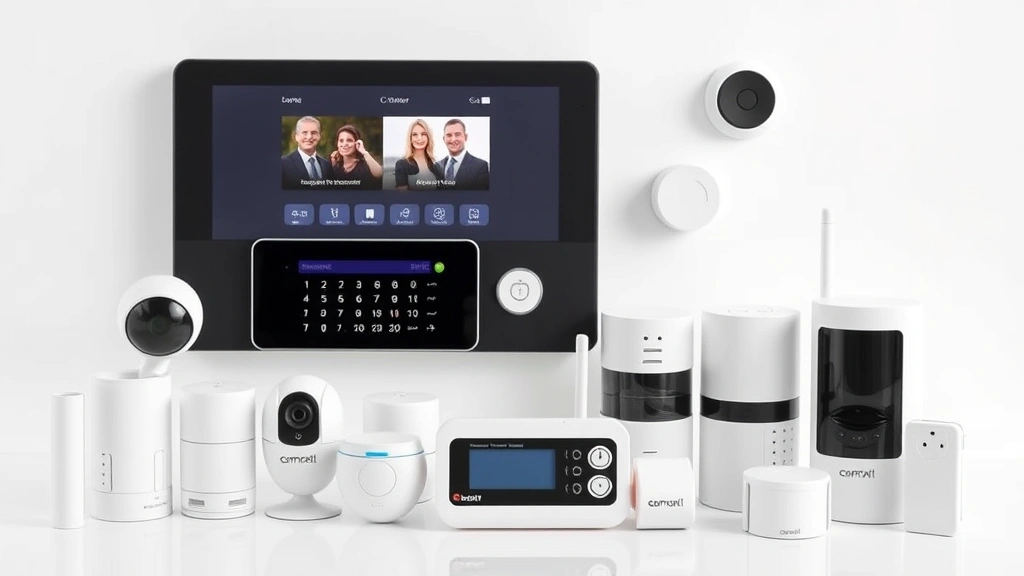
ADT’s security framework centers on three primary components: perimeter protection through door and window sensors, motion detection systems, and professional monitoring services. The company operates one of the largest monitoring networks in North America, with response centers strategically positioned to handle emergency dispatch coordination.
The traditional ADT system architecture relies on a combination of wireless and hardwired sensors connected to a central control panel. When triggered, these sensors transmit signals to ADT’s monitoring centers, where trained operators verify the alert and contact emergency services if necessary. This model has remained largely unchanged for decades, which presents both advantages and significant security concerns in the modern threat landscape.
ADT’s equipment typically includes door/window contact sensors, motion detectors, glass break sensors, and a keypad interface. Newer systems incorporate cellular backup connectivity and internet-based communication protocols. However, the age of this technology infrastructure means that some ADT systems may rely on legacy communication methods that cybersecurity experts view with considerable skepticism.
The critical weakness in ADT’s architecture emerges when examining how these components communicate. Many ADT installations still depend on phone line connections for alarm transmission, a technology vulnerable to physical line cutting. While ADT offers cellular backup options, not all customers maintain this protection, leaving their systems exposed to a straightforward bypass technique.
24/7 Professional Monitoring and Response Times
ADT markets its 24/7 professional monitoring as a cornerstone benefit, with operators standing ready to respond to alerts at any hour. The company maintains multiple monitoring stations equipped to handle incoming signals, verify alarm conditions, and dispatch emergency services when appropriate.
Response time performance varies based on several factors: the speed at which sensors communicate with monitoring centers, the efficiency of operator verification procedures, and the proximity of emergency responders to your location. ADT claims average response coordination times under 60 seconds, though actual emergency response depends on local fire and police departments, which may require 5-30 minutes depending on your area.
A significant consideration involves false alarm rates. Studies indicate that professional monitoring services experience false alarm rates between 10-25%, depending on user behavior and system configuration. Many municipalities now impose fines for repeated false alarms, and some fire departments deprioritize calls from addresses with chronic false alarm histories. This reality suggests that even professional monitoring cannot completely eliminate the risk of wasted emergency resources and potential community backlash.
The monitoring advantage becomes meaningful only when systems function properly and operators receive clear, accurate information about alarm triggers. ADT’s monitoring quality depends on proper system maintenance, accurate sensor placement, and consistent user behavior—factors outside the monitoring company’s direct control.
Video Surveillance and Smart Home Integration
Modern ADT packages increasingly emphasize video surveillance capabilities, offering homeowners the ability to monitor their property remotely through mobile applications. These systems typically include indoor and outdoor cameras with cloud storage options, allowing users to review footage after security incidents.
The appeal of video surveillance is intuitive: seeing what happened provides evidence for insurance claims, law enforcement investigations, and personal peace of mind. However, the implementation of video systems introduces new security considerations that many homeowners overlook.
Cloud storage of video footage means your most sensitive home information—daily routines, family movements, entry/exit patterns—exists on remote servers. This centralization creates an attractive target for cybercriminals seeking to understand home occupancy patterns for burglary planning or identity theft. Additionally, the encryption standards and access controls protecting this footage vary significantly depending on your specific ADT package and configuration.
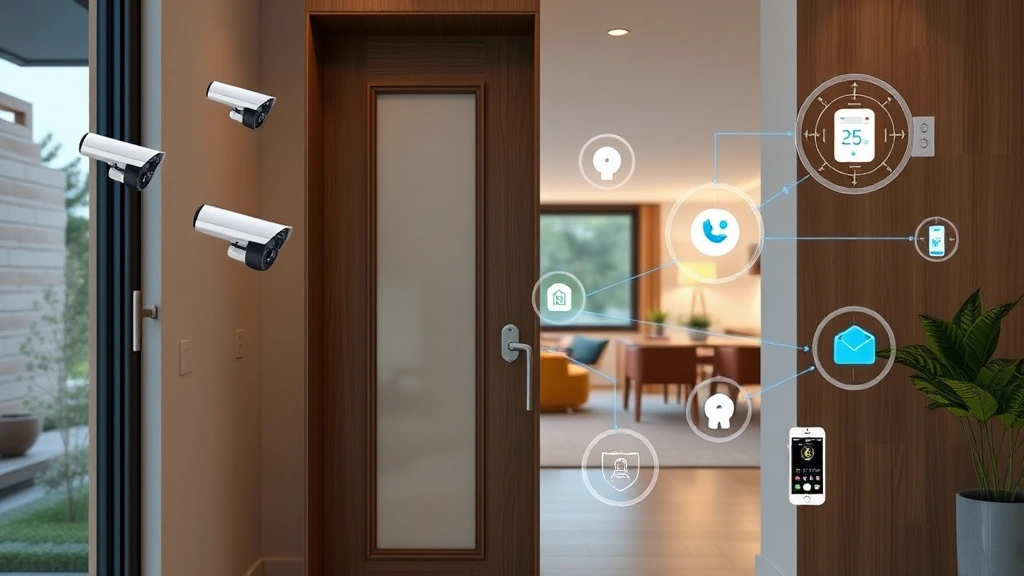
Smart home integration through ADT’s mobile app enables remote control of locks, thermostats, and lighting systems. While convenient, this connectivity expands the potential attack surface. Each connected device represents another potential entry point for unauthorized access if security practices are inadequate or if vulnerabilities exist in the app or backend systems.
The integration of these systems also creates dependencies: if your internet connection fails, cloud-based features become unavailable, potentially leaving you without video recording capabilities during a critical moment. Local storage options can mitigate this risk, but not all ADT packages include robust local backup systems.
Cybersecurity Vulnerabilities in ADT Systems
The cybersecurity landscape surrounding home security systems has become increasingly concerning. Security researchers have identified multiple vulnerabilities in various alarm system manufacturers, including documented weaknesses in signal transmission, authentication protocols, and cloud backend systems.
ADT systems have experienced publicized security vulnerabilities in recent years. Researchers have demonstrated methods to intercept and potentially manipulate wireless signals between sensors and control panels, particularly in systems relying on unencrypted or weakly encrypted communication protocols. While ADT has released firmware updates addressing some concerns, not all customers apply these updates promptly, leaving their systems vulnerable to known exploits.
The cellular backup feature, while valuable for preventing phone line cutting, introduces additional complexity. Cellular connections must authenticate properly and encrypt data transmission, but older ADT systems may not implement modern encryption standards. A cybersecurity researcher from a major security firm could potentially intercept unencrypted cellular communications, though such attacks remain technically sophisticated.
Mobile app security presents another vulnerability vector. If the ADT mobile application contains security flaws—such as inadequate authentication, unencrypted local storage, or insecure API communication—attackers could potentially gain unauthorized access to your system. The application serves as a gateway to your home’s security controls, making its security absolutely critical.
Default credentials and weak password policies compound these risks. Homeowners who fail to change default installer codes or use weak passwords on their ADT accounts expose themselves to unauthorized system disarm or configuration changes. Social engineering attacks targeting ADT customers have successfully obtained account information, allowing attackers to disarm systems remotely.
Data Privacy and Information Protection
ADT collects extensive data about your home: when doors open and close, when motion occurs, when you arm and disarm your system, and increasingly, detailed video footage. This information creates a comprehensive profile of your daily routines and patterns.
Data handling practices become critical when considering whether ADT truly protects your security or inadvertently compromises your privacy. ADT’s privacy policy permits the company to retain data for extended periods, share information with third parties under certain circumstances, and use aggregated data for business purposes.
Data breaches affecting security companies have occurred with regularity. When such breaches happen, the information exposed typically includes customer names, addresses, phone numbers, email addresses, and sometimes details about system status or activity patterns. This information is extremely valuable to criminals planning burglaries, as it provides verified proof that homes contain security systems (and therefore valuables) while potentially revealing occupancy patterns.
The regulatory environment surrounding data protection remains fragmented. Unlike healthcare or financial data, home security information is not comprehensively protected by federal privacy regulations. This means ADT has considerable discretion in determining how your data is stored, protected, and potentially monetized.
Encryption of stored data and transmission is essential but not always guaranteed. You should specifically verify whether ADT encrypts your account information, video footage, and activity logs both in transit and at rest. Many customers assume this protection exists without confirming it.
Comparing ADT to Alternative Security Solutions
The home security market has expanded dramatically, offering alternatives ranging from DIY wireless systems to professional monitoring through other providers to hybrid approaches combining local and cloud-based protection.
DIY systems like Wyze, Ring, and SimpliSafe offer lower costs and greater flexibility but typically lack professional monitoring. You become responsible for responding to alerts and contacting emergency services, which may delay response during critical moments. However, these systems often feature modern encryption, transparent privacy policies, and regular security updates.
Professional monitoring through competitors like Vivint, Frontpoint, or smaller regional providers may offer different service levels, pricing structures, and technology implementations. Some emphasize local storage over cloud-based systems, addressing privacy concerns at the expense of remote access convenience.
The choice between ADT and alternatives depends on your specific priorities: Do you value established brand recognition and nationwide presence? Do you prioritize cost savings? Are you willing to accept delayed response times in exchange for greater privacy? Do you require professional monitoring, or would self-monitoring suffice?
No single solution is universally optimal. However, evaluating your specific needs against each provider’s actual security practices—not just marketing claims—is essential for making a sound decision.
Installation and Equipment Reliability
ADT’s professional installation services represent a significant value proposition, with trained technicians assessing your home and recommending appropriate sensor placement and system configuration. Proper installation fundamentally affects system effectiveness: sensors positioned incorrectly may fail to detect intrusions, while inadequate coverage leaves vulnerabilities.
Equipment reliability varies based on device age, manufacturing quality, and environmental factors. ADT equipment manufactured 10+ years ago may suffer from battery degradation, sensor drift, or communication failures. The company does not always automatically replace aging equipment, potentially leaving customers with unreliable protection.
The quality of wireless sensors has improved significantly in recent years, with modern devices offering better range, longer battery life, and more reliable communication. However, if your ADT system includes legacy equipment, the overall reliability may be compromised by the oldest, weakest components in the chain.
Maintenance and testing practices significantly impact reliability. Systems that are never tested, checked, or recalibrated may fail during actual emergencies. ADT recommends periodic system testing, but responsibility for scheduling and conducting these tests typically falls on customers, many of whom neglect this critical maintenance.
Environmental factors also matter. Extreme temperatures can degrade sensor performance, humidity can damage electronics, and physical damage from impacts or accidents can render devices non-functional. Understanding these vulnerabilities allows you to implement protective measures such as appropriate sensor placement away from water sources or extreme temperature zones.

Best Practices for Maximizing Your Home Security
Regardless of which security system you select, certain fundamental practices enhance overall protection. Layered security approaches prove far more effective than relying on any single technology or service.
Physical security remains foundational: sturdy locks, solid doors, reinforced frames, and strategic lighting all discourage intrusion attempts. Criminals prefer easy targets; making your home require significant time and effort to breach often causes them to move to easier alternatives.
Behavioral security—varying your routines, avoiding patterns that signal absence, securing spare keys, and controlling who has access to your home—provides essential protection that technology cannot replicate. An observant neighbor who notices unusual activity may prevent a crime more effectively than any sensor.
System verification and testing should occur quarterly. Trigger each sensor to confirm communication with the control panel and monitoring center. Review activity logs for unexpected disarm events or unusual patterns. Update all passwords regularly and enable two-factor authentication on your mobile app.
Information security practices protect your system from unauthorized access. Use strong, unique passwords, avoid sharing your system code with unnecessary people, and be cautious about social engineering attempts. Cybercriminals may call claiming to be ADT technicians to obtain information about your system.
Stay informed about security updates and vulnerabilities. Subscribe to CISA security alerts and manufacturer notifications to learn about emerging threats affecting home security systems. Apply firmware updates promptly when available.
Document your system’s configuration, including sensor locations, response procedures, and emergency contact information. This documentation proves invaluable if you need to troubleshoot problems or file insurance claims after security incidents.
Understanding ADT’s Strengths and Limitations Honestly
ADT’s primary strengths include established brand recognition, extensive monitoring network infrastructure, professional installation services, and nationwide availability. For homeowners prioritizing these factors, ADT offers legitimate value.
However, honest evaluation requires acknowledging limitations: potentially outdated technology in some systems, vulnerability to known attack vectors, data privacy concerns, and pricing that may exceed competitors offering comparable features. The company’s long history does not guarantee superior security compared to newer providers implementing modern encryption and security practices.
The fundamental answer to whether ADT protection truly secures your home depends on how comprehensively you implement its services, maintain your system, and complement it with other security practices. ADT alone is insufficient; it functions best as one component of a multi-layered security strategy.
Your security posture should evolve as threats change. Regular evaluation of your system’s effectiveness, vulnerability to emerging attack methods, and alignment with your changing needs ensures that your protection remains relevant and robust.
FAQ
Does ADT protect against all types of home intrusions?
No. ADT protects against common intrusions through doors and windows but cannot prevent determined attackers with specialized tools or knowledge of system vulnerabilities. Physical security measures and behavioral awareness provide essential complementary protection.
Can ADT systems be hacked?
Yes. Security researchers have identified vulnerabilities in ADT systems allowing potential interception of wireless signals, unauthorized app access, and remote disarm capabilities in certain configurations. Modern ADT systems implement stronger security than legacy equipment, but risks remain.
Is professional monitoring necessary?
Professional monitoring provides value if you cannot reliably respond to alerts yourself, but it is not the only option. Self-monitoring through mobile apps works adequately for many users willing to accept the responsibility of contacting emergency services.
How often should I test my ADT system?
Test your system quarterly by triggering each sensor and confirming communication with the monitoring center. More frequent testing during the first month after installation helps identify configuration problems.
What should I do if I suspect my ADT system has been compromised?
Contact ADT immediately to report suspicious activity. Change all passwords and codes, enable two-factor authentication on your mobile app, and review activity logs for unauthorized access attempts. Consider having a technician inspect your system for tampering.
Does ADT encrypt all data transmission?
Modern ADT systems implement encryption for most communications, but older systems may not. Verify your specific system’s encryption capabilities by contacting ADT directly or reviewing your service documentation.
Can I use ADT equipment with other monitoring companies?
Generally no. ADT equipment is proprietary and designed to work specifically with ADT’s monitoring network. Switching providers typically requires replacing equipment or upgrading your existing system.


