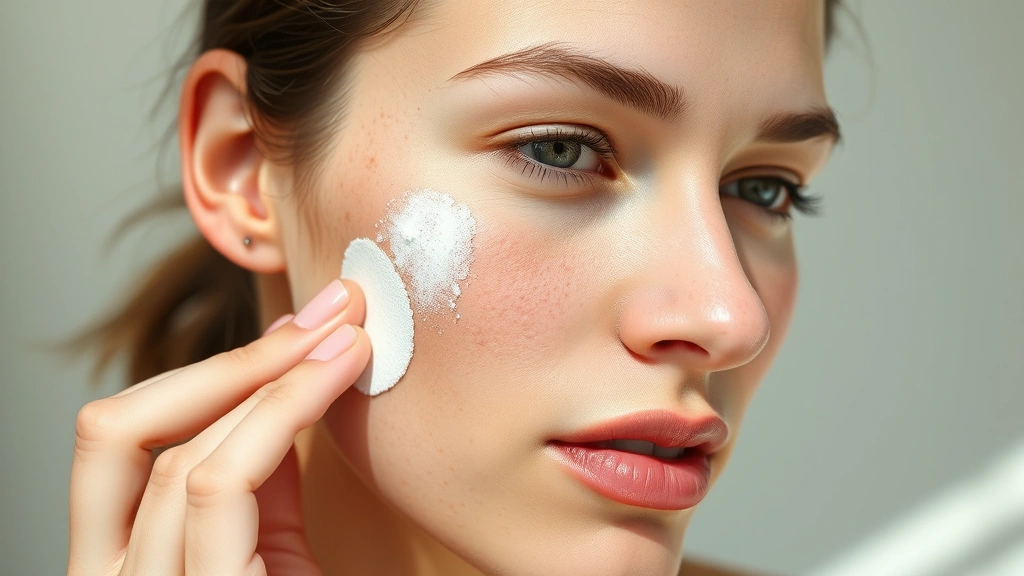
Does Sun Exposure Worsen Acne? Dermatologist Insights on Acne and Sun Protection
The relationship between sun exposure and acne is more complex than many people realize. While sunlight can temporarily improve the appearance of acne through a tanning effect that masks blemishes, dermatologists have long warned that UV radiation ultimately worsens acne and can lead to serious long-term skin damage. Understanding how the sun affects acne-prone skin is essential for developing an effective skincare strategy that protects your complexion while managing breakouts.
Many acne sufferers have experienced what seems like clearer skin after spending time in the sun. This phenomenon is real, but it’s largely a cosmetic illusion. The temporary improvement comes from the drying effect of sun exposure and the darkening of skin that camouflages blemishes. However, beneath this superficial improvement, the sun is actively damaging skin cells and triggering inflammatory responses that ultimately exacerbate acne. This article explores the scientific evidence behind sun exposure and acne, providing dermatologist-backed insights to help you protect your skin while managing breakouts effectively.
How Sun Exposure Affects Acne-Prone Skin
Sun exposure impacts acne through multiple mechanisms that dermatologists have identified through extensive research. When UV rays penetrate the skin, they trigger the production of free radicals, unstable molecules that damage cell membranes and promote inflammation. For individuals with acne-prone skin, this inflammatory response can activate sebaceous glands, increasing sebum production and creating an environment where acne-causing bacteria thrive.
The temporary improvement some people notice after sun exposure occurs because UV radiation causes the outer layer of skin to thicken slightly, which can temporarily reduce the appearance of comedones and inflammatory lesions. Additionally, the tanning effect darkens the skin, making red and inflamed acne lesions less visible. However, this cosmetic improvement comes at a significant cost. The skin barrier becomes compromised, moisture loss increases, and the underlying inflammation worsens. Within weeks, many people experience a rebound effect where acne becomes significantly worse than before sun exposure.
Dermatologists emphasize that acne-prone skin is already in a compromised state, with impaired barrier function and heightened sensitivity. Adding UV damage to this equation accelerates skin aging, increases post-inflammatory hyperpigmentation, and can transform temporary acne into chronic scarring. The American Academy of Dermatology consistently recommends that individuals with active acne avoid prolonged sun exposure and use appropriate sun protection for acne-prone skin as a fundamental component of treatment.
The UV Radiation and Inflammation Connection
Understanding the biochemistry of how UV radiation triggers inflammation helps explain why sun exposure worsens acne. When UVA and UVB rays reach the skin, they damage DNA and proteins in skin cells, triggering an inflammatory cascade. The body responds by releasing cytokines and other inflammatory mediators that increase blood flow to affected areas and recruit immune cells to the site of damage. This inflammatory response, while protective in the short term, becomes problematic for acne-prone individuals.
Research published by the American Academy of Dermatology demonstrates that UV exposure increases Cutibacterium acnes (formerly known as Propionibacterium acnes), the bacterium responsible for inflammatory acne. The sun’s radiation creates an environment that favors bacterial growth while simultaneously suppressing the immune system’s ability to control bacterial proliferation. This dual effect explains why individuals who spend significant time in the sun often experience worsening acne despite the temporary cosmetic improvement.
Additionally, UV radiation damages the skin’s natural antioxidant defenses, including superoxide dismutase and catalase enzymes that normally protect against free radical damage. With these defenses compromised, oxidative stress increases dramatically. This oxidative stress triggers sebaceous gland hyperactivity and increases sebum oxidation, making the sebum more comedogenic and more likely to trigger inflammatory responses. For individuals managing acne, this means that sun exposure directly undermines their skin’s ability to maintain clarity and health.
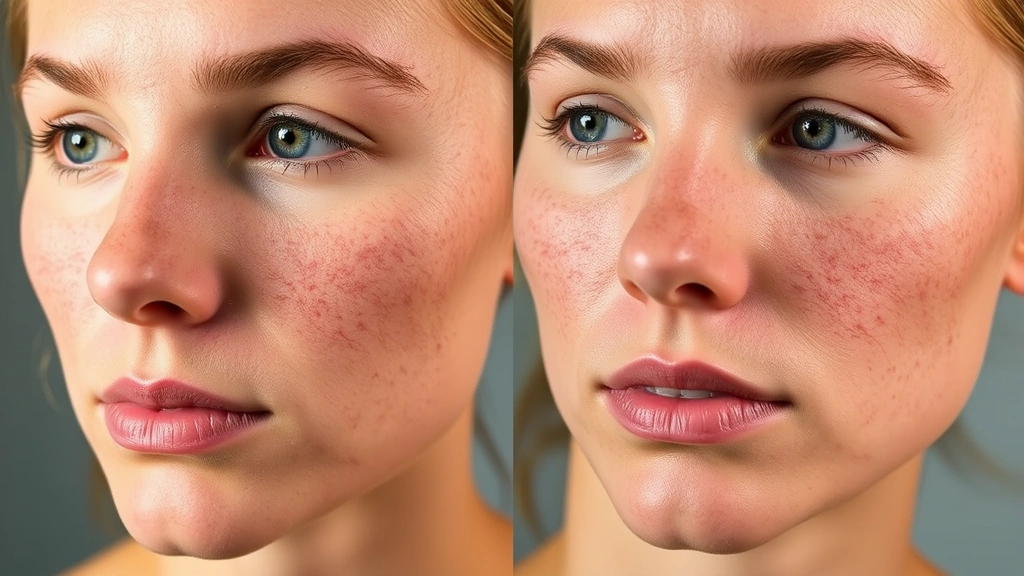
Acne Medications and Sun Sensitivity
One of the most critical considerations for acne patients is that many common acne medications significantly increase skin sensitivity to sunlight. Retinoids, including prescription medications like tretinoin and isotretinoin, are among the most effective acne treatments available, but they dramatically increase photosensitivity. These medications work by increasing cell turnover and normalizing sebum production, but they also thin the stratum corneum (the skin’s protective outer layer) and increase vulnerability to UV damage.
Benzoyl peroxide and salicylic acid, two of the most widely used over-the-counter acne treatments, also increase sun sensitivity to varying degrees. Benzoyl peroxide can cause photosensitivity reactions in some individuals, while salicylic acid increases skin cell turnover, making skin more vulnerable to UV damage. Oral antibiotics commonly prescribed for moderate acne, including doxycycline and minocycline, are known photosensitizers that can cause severe phototoxic reactions when combined with sun exposure.
Isotretinoin (Accutane), the most powerful acne medication available, requires strict sun protection protocols. Dermatologists prescribe this medication only for severe, treatment-resistant acne precisely because of its significant side effects, including extreme photosensitivity. Patients taking isotretinoin must use SPF 50+ sunscreen daily and avoid sun exposure as much as possible. This requirement underscores how seriously dermatologists take the interaction between acne medications and UV radiation.
If you’re currently using any acne medications, consulting with your dermatologist about specific sun protection requirements is essential. Different medications require different levels of protection, and your healthcare provider can recommend appropriate sun protection strategies tailored to your specific treatment regimen.
Best Sun Protection Strategies for Acne
Protecting acne-prone skin from sun damage requires a multi-faceted approach that goes beyond simply applying sunscreen. Dermatologists recommend a comprehensive strategy that includes physical barriers, appropriate sunscreen selection, timing of sun exposure, and lifestyle modifications. Understanding and implementing these strategies is crucial for preventing acne worsening and protecting against long-term sun damage.
Physical barriers represent the most effective sun protection method for acne-prone skin. Wide-brimmed hats, UV-protective clothing, and seeking shade during peak sun hours (10 AM to 4 PM) provide reliable protection without adding potentially irritating products to your skin. Many acne sufferers find that physical protection alone significantly improves their skin, as it eliminates the need for additional topical products that might trigger breakouts.
When physical barriers aren’t practical, mineral sunscreens containing zinc oxide or titanium dioxide offer excellent protection for acne-prone skin. These ingredients sit on the skin’s surface and physically block UV rays, rather than absorbing them like chemical sunscreens. Mineral sunscreens are less likely to cause irritation or breakouts, though they can leave a white cast on darker skin tones. For individuals with darker skin, tinted mineral sunscreens or hybrid formulations that combine physical and chemical filters may provide better cosmetic results while maintaining protection.
Chemical sunscreens absorb UV radiation and convert it to heat, making them more cosmetically elegant than mineral sunscreens. However, many chemical sunscreen ingredients, including oxybenzone and avobenzone, can trigger irritation or breakouts in acne-prone individuals. If you choose a chemical sunscreen, look for formulations specifically labeled non-comedogenic and fragrance-free, and test the product on a small area before full application.
Reapplication is critical for maintaining sun protection throughout the day. Sunscreen should be reapplied every two hours, or immediately after swimming or sweating. Many acne sufferers worry about reapplying sunscreen over active breakouts, but this concern should not prevent sun protection. Using a powder sunscreen for reapplication over makeup or active acne can minimize disruption to existing lesions while maintaining protection.
Sunscreen Selection for Acne-Prone Skin
Choosing the right sunscreen is one of the most important decisions acne sufferers make in their skincare routine. The wrong sunscreen can trigger or worsen breakouts, while the right product provides essential protection without exacerbating acne. Key criteria for selecting acne-friendly sunscreen include SPF level, formulation type, and specific ingredients to avoid or seek.
SPF level should be at least 30, though dermatologists typically recommend SPF 50 or higher for daily use, especially for individuals with active acne or using photosensitizing medications. SPF 30 blocks approximately 97% of UVB rays, while SPF 50 blocks about 98%. This seemingly small difference becomes significant over time, particularly for individuals with compromised skin barriers or active inflammation.
Look for sunscreens labeled non-comedogenic, which means they’ve been tested to ensure they don’t clog pores or trigger breakouts. Additionally, products labeled oil-free and fragrance-free are generally better tolerated by acne-prone skin. Avoid sunscreens with heavy oils or occlusive ingredients that can trap bacteria and sebum in pores, exacerbating acne.
Lightweight formulations such as gels, fluids, and sprays tend to be better tolerated by acne-prone skin than creams or lotions. However, spray sunscreens should be applied generously and rubbed in thoroughly, as they often provide insufficient coverage when simply sprayed on. Many dermatologists prefer recommending lotion or gel sunscreens for better control over application and coverage.
Hyaluronic acid and glycerin are beneficial ingredients to seek in acne-friendly sunscreens, as these humectants help maintain skin hydration without adding occlusive oils. Some advanced formulations include niacinamide, which has anti-inflammatory properties and can help manage sebum production while providing sun protection. Zinc oxide, beyond its sun-protective properties, has inherent anti-inflammatory and antimicrobial benefits that make it particularly suitable for acne-prone skin.
Long-Term Effects of Sun Exposure on Acne Scars
While active acne management is crucial, protecting skin from sun damage becomes even more critical once acne begins to resolve. Post-inflammatory hyperpigmentation (PIH) and acne scars are significantly worsened by sun exposure, and UV radiation can make these conditions permanent rather than temporary.
Acne scars result from the inflammatory destruction of collagen and elastin during severe acne episodes. Once scarring occurs, the affected skin lacks the structural support of healthy collagen and is more vulnerable to UV damage. Sun exposure can deepen the appearance of scars by causing surrounding skin to tan, which creates greater contrast between scarred and normal skin. Additionally, UV radiation impairs the skin’s ability to repair and regenerate collagen, potentially worsening scar appearance over time.
Post-inflammatory hyperpigmentation, the dark marks that remain after acne resolves, is extremely sensitive to sun exposure. UV radiation stimulates melanin production in already-pigmented areas, darkening PIH and potentially making it permanent. Dermatologists emphasize that individuals with PIH must practice strict sun protection, as sun exposure during the healing phase can transform temporary discoloration into permanent scarring. For individuals of color, who are at higher risk for both severe acne scarring and PIH, sun protection becomes even more critical.
The relationship between sun exposure and acne scars extends to professional scar treatment outcomes. Laser treatments, chemical peels, and other scar-reduction procedures are significantly less effective in individuals who continue to expose treated skin to sun damage. Dermatologists typically require patients to maintain strict sun protection for several months following scar treatment to maximize results and prevent complications.

Seasonal Acne Management and Sun Exposure
Acne patterns often vary seasonally, with many individuals experiencing worsening breakouts during summer months when sun exposure increases. Understanding seasonal acne triggers and adjusting your skincare routine accordingly can help maintain clearer skin year-round. Explore more about managing skin health by visiting our skincare and wellness blog for comprehensive health insights.
Summer acne worsening results from multiple factors beyond sun exposure, including increased heat and humidity, chlorine and salt water exposure, and lifestyle changes that reduce adherence to skincare routines. However, UV radiation plays a significant role in this seasonal pattern. The combination of increased sun exposure and higher temperatures triggers greater sebum production and increased bacterial proliferation, creating ideal conditions for acne development.
Managing seasonal acne requires adjusting both sun protection and skincare practices. During summer months, consider switching to lighter sunscreen formulations that won’t feel heavy in heat and humidity. Increase the frequency of cleansing if you’re sweating more, but avoid over-washing, which can disrupt the skin barrier and trigger increased sebum production. Many dermatologists recommend using a gentle cleanser twice daily during summer, followed by a lightweight, non-comedogenic moisturizer and appropriate sunscreen.
If you’re planning beach or pool activities, take extra precautions to protect your skin. Waterproof sunscreen should be applied generously before water exposure and reapplied immediately after exiting the water. Consider wearing UV-protective swimwear and a wide-brimmed hat to minimize direct sun exposure. Rinse off salt water or chlorine immediately after water activities, as these substances can irritate acne-prone skin and worsen breakouts.
Winter months often bring relief from sun-related acne worsening, but dry winter air can trigger compensatory sebum production and worsen certain types of acne. During winter, maintain consistent sun protection even though UV intensity is lower, as UV rays penetrate clouds and reflect off snow. Winter is also an excellent time to address post-inflammatory hyperpigmentation and acne scars with professional treatments, as strict sun protection is easier to maintain.
FAQ
Does sun exposure cure acne?
No, sun exposure does not cure acne. While the sun may temporarily improve acne’s appearance through tanning and drying effects, it ultimately worsens acne by increasing inflammation, promoting bacterial growth, and damaging the skin barrier. The apparent improvement is cosmetic, not therapeutic. Long-term sun exposure leads to worse breakouts, increased scarring risk, and accelerated skin aging.
Can I use sunscreen with acne?
Yes, you should always use sunscreen with acne. Appropriate sunscreen selection is essential for protecting acne-prone skin. Choose non-comedogenic, fragrance-free formulations, preferably mineral sunscreens containing zinc oxide or titanium dioxide. Oil-free, lightweight formulations work best for acne-prone skin. Sunscreen protects against UV damage that would otherwise worsen acne and increase scarring risk.
What SPF should I use if I have acne?
Dermatologists recommend using SPF 50 or higher for acne-prone skin, especially if you’re using photosensitizing acne medications. SPF 30 is the minimum acceptable level, but higher SPF provides better protection against the UV damage that worsens acne. Reapply every two hours or after swimming or sweating to maintain protection.
Does vitamin D deficiency cause acne?
While vitamin D plays important roles in immune function and skin health, there’s no definitive evidence that vitamin D deficiency directly causes acne. However, avoiding sun exposure to prevent acne worsening can contribute to vitamin D deficiency. If concerned about vitamin D levels, consult your healthcare provider about appropriate supplementation rather than increasing sun exposure.
Can I go outside with acne?
Yes, you can go outside with acne, but you must use appropriate sun protection. Wear protective clothing, seek shade during peak sun hours (10 AM to 4 PM), and apply non-comedogenic sunscreen. Physical barriers like hats and clothing provide excellent protection without adding potentially irritating products to your skin. The key is protecting your acne-prone skin from UV damage while you manage breakouts.
How long does it take for sun damage to worsen acne?
Sun-related acne worsening can begin within days of UV exposure, though the most noticeable effects typically appear within 1-2 weeks. The rebound effect, where acne becomes significantly worse after an initial period of improvement, often occurs 2-4 weeks after sun exposure. Long-term, repeated sun exposure leads to permanent changes in skin texture, scarring, and pigmentation that may take months or years to become apparent.


