
Secure Packages: Expert Tips to Safe Access
In an increasingly interconnected digital landscape, securing packages—whether physical shipments, software dependencies, or data transfers—has become a critical concern for individuals and organizations alike. The term “access secure packages” encompasses multiple security dimensions that protect against interception, tampering, and unauthorized access. From supply chain vulnerabilities to compromised software repositories, threats to package security continue evolving at an alarming rate.
This comprehensive guide explores expert strategies for maintaining package security throughout the entire lifecycle, from acquisition through deployment. Understanding these principles helps you mitigate risks, ensure authenticity, and maintain integrity across your digital and physical assets. Whether you’re managing enterprise software distribution or receiving sensitive deliveries, implementing these best practices becomes essential for protecting your organization’s security posture.
Understanding Package Security Threats
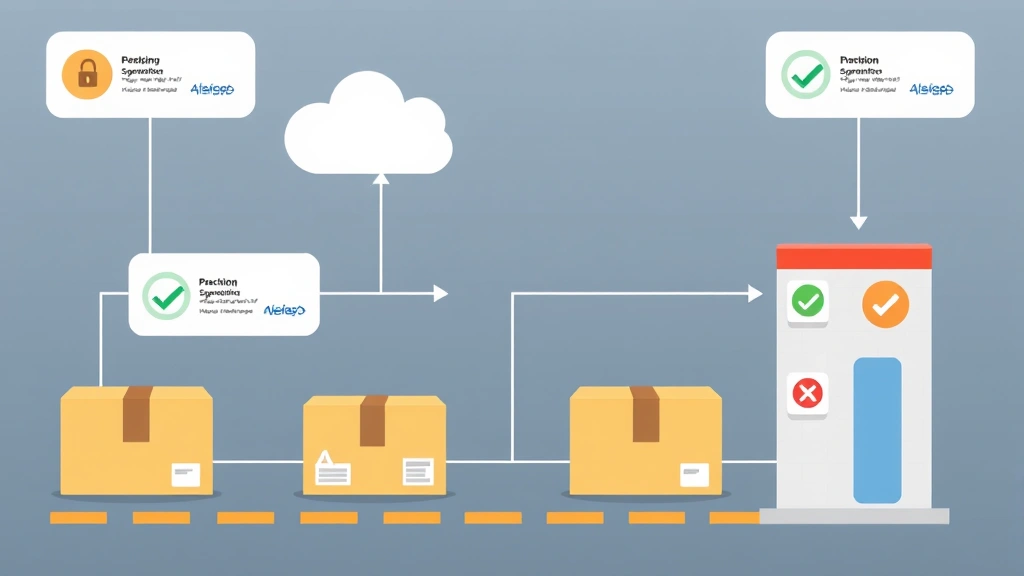
Package security threats manifest across multiple vectors, each presenting unique challenges to organizations attempting to maintain integrity. Man-in-the-middle attacks represent one of the most prevalent threats, where attackers intercept communications between package sources and recipients, potentially substituting legitimate packages with malicious versions. These attacks exploit unencrypted channels and unverified sources, making threat detection exceptionally difficult.
Supply chain attacks have emerged as particularly sophisticated threats targeting package distribution networks. According to CISA (Cybersecurity and Infrastructure Security Agency), attackers increasingly focus on compromising trusted package repositories and distribution mechanisms rather than individual systems. Notable incidents include the SolarWinds breach, where attackers compromised software updates distributed to thousands of organizations globally.
Dependency confusion attacks exploit the way package managers resolve dependencies, tricking systems into downloading malicious packages from public repositories instead of intended private sources. This vulnerability affects organizations using popular package managers like npm, pip, and Maven. The attack succeeds because public repositories often take precedence in resolution order, allowing attackers to register packages with identical names on public platforms.
Typosquatting represents another critical threat where attackers register package names similar to legitimate ones, banking on installation mistakes. A single character difference can redirect users to malicious packages containing backdoors, data stealers, or cryptominers. This social engineering approach requires minimal technical sophistication but proves remarkably effective.
Tampering attacks occur when packages are modified after creation but before delivery, introducing vulnerabilities or malicious code. Without proper verification mechanisms, recipients cannot detect these modifications, making tampering particularly dangerous. This threat becomes amplified when packages traverse multiple distribution channels with varying security controls.

Cryptographic Verification Methods
Implementing robust cryptographic verification forms the foundation of secure package access. Digital signatures enable package creators to cryptographically prove authenticity and integrity, allowing recipients to verify packages haven’t been tampered with and originate from legitimate sources. This asymmetric cryptography approach uses private keys held by package maintainers to sign packages and public keys distributed to verify signatures.
Hash verification provides a straightforward yet effective method for detecting package modifications. Cryptographic hash functions like SHA-256 generate unique fingerprints for package contents, allowing recipients to verify that downloaded packages match their original versions. Organizations should always compare downloaded package hashes against hashes published through secure, independent channels.
PKI (Public Key Infrastructure) implementations establish trust chains enabling verification of package signatures. By leveraging certificate authorities and digital certificates, organizations can verify that signatures came from legitimate package maintainers. NIST SP 800-53 provides comprehensive guidelines for implementing cryptographic controls in security systems.
Code signing certificates represent a specialized PKI application specifically designed for package authentication. These certificates bind package creators’ identities to their digital signatures, enabling recipients to verify both package authenticity and creator identity. Reputable package repositories require valid code signing certificates for package publication.
Checksum validation during downloads ensures packages aren’t corrupted during transmission. While checksums don’t provide security guarantees like cryptographic signatures, they detect accidental modifications and transmission errors. Always verify checksums using secure channels separate from package downloads.
Transport Layer Security (TLS/SSL) encryption protects packages during transmission, preventing eavesdropping and interception. Organizations should exclusively download packages through HTTPS connections from verified sources, ensuring encryption throughout the delivery process. Certificate pinning adds additional protection by restricting accepted certificates to specific trusted ones.
Supply Chain Protection Strategies
Comprehensive supply chain security requires implementing controls across every stage from package creation through deployment. Vendor assessment should precede any package integration, evaluating vendors’ security practices, incident history, and vulnerability management processes. Request security documentation and conduct due diligence before trusting vendors with critical packages.
Software Bill of Materials (SBOM) documentation provides visibility into package contents and dependencies, enabling organizations to identify potential vulnerabilities or suspicious components. NTIA SBOM guidelines establish standards for comprehensive software composition documentation. Requiring SBOMs from package providers enhances supply chain transparency and risk assessment capabilities.
Repository security controls prevent unauthorized package modifications and malicious uploads. Implementing multi-factor authentication for package maintainer accounts, requiring code review before publication, and maintaining detailed audit logs all strengthen repository security. Private repositories with restricted access provide additional protection for sensitive packages.
Signed commits and merge requirements ensure that only verified developers can contribute code to package repositories. By requiring cryptographic signatures on all commits and implementing review workflows, organizations prevent unauthorized code injection. Integration with version control systems enables automatic signature verification and rejection of unsigned commits.
Artifact attestation creates cryptographic records documenting package creation, testing, and deployment. These attestations enable verification that packages passed required security checks before reaching production environments. SLSA (Supply-chain Levels for Software Artifacts) framework provides comprehensive guidelines for implementing artifact security controls.
Vulnerability scanning of dependencies identifies known security issues before packages reach production. Automated tools continuously monitor package dependencies against vulnerability databases, alerting teams to discovered issues. Organizations should establish policies requiring remediation of high-severity vulnerabilities within defined timeframes.
Software Package Management Security
Secure package management requires careful configuration of package managers and repositories. Repository authentication through credentials and access tokens prevents unauthorized access and package modifications. Store credentials securely using dedicated secret management systems rather than hardcoding them in configuration files or scripts.
Package pinning restricts installations to specific approved versions, preventing automatic upgrades to potentially compromised newer versions. While this approach requires active maintenance, it provides granular control over deployed packages and enables deliberate testing before accepting updates. Version constraints should balance security patches against compatibility concerns.
Proxy repositories act as intermediaries between development environments and public repositories, enabling organizations to scan and approve packages before deployment. This comprehensive approach to secure systems mirrors strategies used in sophisticated security implementations. Proxies can block malicious packages, enforce organizational policies, and maintain offline access to critical packages.
Private package repositories host internally developed packages with controlled access and security reviews. By maintaining private repositories, organizations prevent accidental public exposure of proprietary code while enabling internal package sharing. Implement authentication, authorization, and audit logging for all private repository access.
Dependency lock files document exact package versions and dependencies used in projects, ensuring reproducible builds and preventing unexpected changes. Committing lock files to version control enables teams to review dependency changes and detect suspicious additions. Regularly audit lock files for unexpected or unfamiliar packages.
Package integrity monitoring continuously verifies that deployed packages match their original versions and haven’t been modified. Implementing file integrity monitoring on package directories enables detection of unauthorized changes. Automated alerts notify security teams of any detected tampering.
Physical Package Handling Best Practices
Physical package security protects against tampering, theft, and unauthorized access during shipment and storage. Secure delivery methods require signatures upon receipt, providing evidence of package delivery and recipient identity. Request delivery confirmations and track packages throughout transit using carrier tracking systems.
Tamper-evident packaging includes seals, tape, or coatings that visibly show if packages have been opened or modified. Inspect packages immediately upon receipt for any signs of tampering, damage, or irregularities. Document any suspicious conditions with photographs before opening packages.
Controlled storage environments restrict physical access to packages through locked storage facilities and access controls. Implement inventory systems tracking package locations and access history. Limit access to authorized personnel with documented business justification for access.
Chain of custody documentation establishes accountability for packages as they move through organizational systems. Record all package movements, personnel involved, and access timestamps. This documentation proves critical during incident investigations and legal proceedings.
Secure destruction procedures ensure that sensitive packages and their contents cannot be recovered after use. Implement shredding, incineration, or certified destruction services for packages containing sensitive information. Obtain destruction certificates documenting proper disposal.
Monitoring and Incident Response
Proactive monitoring detects package security incidents before they escalate into major breaches. Integrity monitoring systems continuously verify package contents and detect unauthorized modifications. Configure alerts for any detected changes and investigate immediately upon notification.
Threat intelligence feeds provide early warning of discovered vulnerabilities and malicious packages. Subscribe to security advisories from package repositories, CISA vulnerability databases, and security research organizations. Integrate threat intelligence into vulnerability management processes.
Access logging records all package downloads, installations, and modifications, creating audit trails for forensic analysis. Implement centralized logging collecting events from all package management systems. Retain logs for sufficient periods enabling historical analysis during incident investigations.
Incident response procedures establish clear protocols for handling package security incidents. Document procedures for package quarantine, affected system identification, and remediation steps. Conduct regular incident response exercises ensuring teams understand their responsibilities.
Communication plans ensure stakeholders receive timely notifications of discovered package compromises. Establish notification procedures for internal teams, customers, and potentially regulatory bodies. Transparency regarding incident scope and remediation efforts maintains trust and enables informed decisions.
Post-incident analysis examines incident causes and implements preventive measures addressing root causes. Conduct thorough reviews of security controls that failed to prevent the incident. Update security policies and procedures based on lessons learned.


