Is Abode Secure? Expert Security Analysis of Home Protection Systems
Abode has positioned itself as an accessible, user-friendly home security system that combines professional monitoring with DIY flexibility. However, when evaluating any security solution for your home, understanding the technical architecture, encryption standards, and threat landscape is essential. This comprehensive analysis examines Abode’s security posture, potential vulnerabilities, and how it compares to industry standards set by organizations like CISA (Cybersecurity and Infrastructure Security Agency) and NIST cybersecurity frameworks.
Home security systems represent critical infrastructure at the residential level—they protect not only physical assets but also sensitive data about occupancy patterns, daily routines, and family presence. When a security system itself becomes compromised, the consequences extend far beyond a failed alarm. Attackers could disable protection, gain unauthorized access to your home, or exploit the system as an entry point into your broader smart home ecosystem.
Abode System Architecture and Core Components
Abode’s security ecosystem consists of several interconnected layers: a central hub (the iota hub or similar models), wireless sensors (door/window contacts, motion detectors, glass break sensors), a mobile application, cloud backend services, and optional professional monitoring. Understanding how these components communicate is fundamental to assessing overall security.
The Abode hub functions as the central nervous system, managing local sensor communication while maintaining connections to Abode’s cloud infrastructure. The system supports both Z-Wave and proprietary wireless protocols for sensor communication. Z-Wave, an industry standard, has undergone significant security improvements over the years, though older implementations have had documented vulnerabilities. Abode’s choice to implement local processing—where the hub can function independently without cloud connectivity—represents a positive security design decision that reduces attack surface compared to purely cloud-dependent systems.
The mobile application serves as the primary user interface for arming/disarming the system, receiving alerts, and managing automations. This application handles authentication tokens, encryption keys, and sensitive user data. The security of the mobile app directly impacts the entire system’s integrity. Any weaknesses in how the app stores or transmits credentials could compromise the entire installation.
Abode’s sensor network uses wireless communication to report status changes to the hub. The encryption and authentication of these wireless messages is critical—an attacker capable of spoofing sensor signals could trigger false alarms or prevent legitimate alerts from reaching the hub. This is particularly concerning for sensors that report critical events like door breaches or motion detection.
Encryption and Data Protection Standards
Abode employs AES-128 encryption for wireless sensor-to-hub communication, which is generally considered adequate for residential security applications. However, the industry standard has increasingly shifted toward AES-256 for sensitive applications. While AES-128 remains mathematically secure against current brute-force attacks, the move to stronger encryption reflects evolving security best practices.
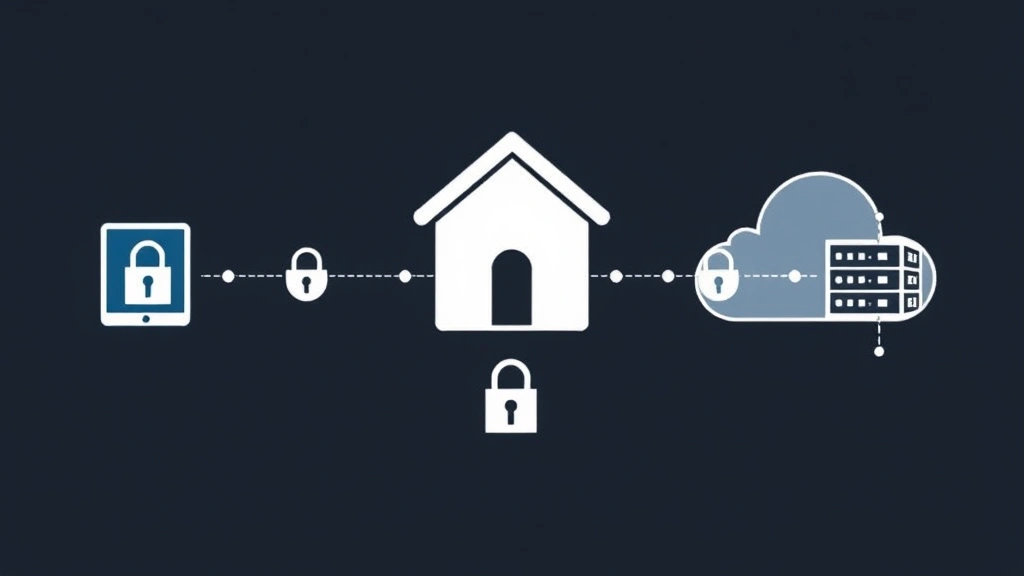
For cloud communication, Abode uses TLS/SSL encryption (HTTPS) to protect data in transit. This is industry standard and necessary, though it only addresses transport-layer security. The critical question concerns what happens to data once it reaches Abode’s servers: How is it encrypted at rest? What encryption keys are used, and who controls them? Abode’s documentation indicates server-side encryption is implemented, but detailed specifications about key management practices remain limited in public documentation.
A significant consideration involves end-to-end encryption. Unlike some security systems that implement true end-to-end encryption (where only the user holds decryption keys), Abode’s architecture requires the company to maintain access to encrypted data for features like cloud video storage and remote access. This design choice creates a potential vulnerability point—if Abode’s infrastructure is compromised, attackers could potentially access encrypted data if they also obtain encryption keys from the servers.
Password storage represents another critical encryption concern. Abode should implement password hashing using modern algorithms like bcrypt, scrypt, or Argon2 rather than simple SHA variants. The company’s security documentation should explicitly confirm these practices, though such specifics are often withheld for security reasons.
Authentication and Access Control Mechanisms
Multi-factor authentication (MFA) is increasingly becoming the security standard for any system controlling physical access to your home. Abode offers MFA through mobile authentication, which is a positive security feature. However, the robustness of MFA implementation varies significantly across systems. Questions to evaluate include: Does Abode support authenticator apps (TOTP) in addition to SMS-based MFA? Are backup codes provided? Can session timeouts be configured?
The hub’s local authentication also matters—physical access to the hub should require a PIN or authentication method to prevent tampering. Abode’s hub design includes local authentication, though the strength of these controls compared to competitors varies by model generation.
User permission management becomes critical in multi-user households. Abode allows multiple user accounts with different permission levels. Proper implementation means that a family member with “disarm only” permissions cannot escalate privileges to modify system settings or view historical logs. Weaknesses in role-based access control (RBAC) could allow privilege escalation attacks.
Session management is another authentication concern. How long are user sessions valid? Are tokens properly invalidated on logout? Does the system support simultaneous login detection? These questions address whether an attacker who compromises credentials could maintain persistent access even after the legitimate user changes their password.
Known Vulnerabilities and Security Incidents
Security researchers have identified several vulnerabilities in Abode systems over the years. In 2019, researchers demonstrated that Abode’s Z-Wave implementation could be vulnerable to replay attacks under certain conditions. While Abode released firmware updates to address these issues, the incident highlighted the importance of keeping systems updated.
Another documented concern involves the physical hub’s vulnerability to power supply attacks. If an attacker gains physical access and disconnects power without proper shutdown procedures, certain security features might be bypassed. Modern Abode hubs include backup batteries and safeguards against this, but older models may be more vulnerable.
Mobile application security has been a focus of third-party security researchers. Any Android or iOS application handling security credentials requires careful analysis of how it stores sensitive data. Improperly secured credentials in mobile app storage could be extracted by attackers with physical device access or through malware.
To stay informed about security incidents and vulnerability disclosures, monitoring resources like CVE Details for Abode-specific vulnerabilities and following security research communities is essential. Abode’s responsiveness to disclosed vulnerabilities is an important metric of their security commitment.
Cloud Infrastructure and Data Storage
Abode’s cloud backend processes sensitive data including video footage, event logs, user credentials, and home automation configurations. The security of this infrastructure is paramount. Key considerations include: Where are servers physically located? What data residency and privacy laws apply? What backup and disaster recovery procedures exist?
Data stored in the cloud represents an attractive target for attackers. A breach of Abode’s infrastructure could expose not just one home’s security data but potentially thousands of installations. The company’s infrastructure security posture—including intrusion detection systems, penetration testing frequency, and security monitoring—directly impacts customer safety.
Video storage deserves particular attention. Many Abode users store security camera footage in the cloud. This footage is highly sensitive—it reveals when homes are occupied, daily routines, and potentially sensitive activities. The encryption, access controls, and retention policies for this data should be transparent and robust.
API security is another critical consideration. Abode exposes APIs for third-party integrations and automations. Poorly secured APIs could allow attackers to interact with systems they shouldn’t access. Rate limiting, input validation, and proper authentication on all API endpoints are essential.
Network Security and Communication Protocols
The Abode hub connects to your home network via WiFi or ethernet. This network connection is a potential vulnerability vector. If your home WiFi is compromised, an attacker on the same network could potentially interact with the hub. Abode should implement network segmentation recommendations, encouraging users to place the hub on a separate network from general devices if possible.
The hub’s firmware update mechanism is a critical security component. Firmware updates patch vulnerabilities and improve security. However, the update process itself must be secure—updates should be cryptographically signed to prevent man-in-the-middle attacks, and update servers should be hardened against compromise.
Communication between the hub and Abode’s cloud servers uses encrypted channels, but the specific protocols and certificate pinning implementations matter. Certificate pinning—where the application verifies not just that a certificate is valid, but that it’s the specific expected certificate—provides additional protection against compromised certificate authorities.
The Z-Wave protocol used for sensor communication has evolved significantly. Older Z-Wave implementations (pre-2.0) had limited security features. Abode’s use of newer Z-Wave versions with improved security is important, though backward compatibility with older sensors might introduce legacy vulnerabilities.
Comparison with Industry Standards
The NIST guidelines for home network security provide a framework for evaluating residential security systems. These guidelines recommend strong authentication, encryption for sensitive data, regular security updates, and network segmentation—all areas where Abode’s implementation can be evaluated.
Compared to competitors like Ring Alarm, SimpliSafe, and professional systems like Vivint, Abode occupies an interesting middle position. Abode’s local processing capability provides advantages over purely cloud-dependent systems, reducing latency and improving functionality during internet outages. However, the trade-off is slightly more complex local network security management.
Professional security systems often implement more robust physical security measures and offer more frequent security audits. DIY systems like Abode prioritize ease of installation and affordability, which sometimes means reduced security features. Understanding these trade-offs is essential for making an informed decision.
Third-party security certifications provide additional assurance. Systems certified under standards like UL (Underwriters Laboratories) for security products have undergone independent testing. Checking whether Abode holds relevant security certifications can provide additional confidence in its security posture.
Practical Security Recommendations
If you choose to use an Abode security system, implementing these recommendations significantly enhances security:
- Enable Multi-Factor Authentication: Activate MFA on all Abode accounts immediately. Use authenticator apps rather than SMS when available, as SMS-based MFA is vulnerable to SIM swapping attacks.
- Use Strong, Unique Passwords: Create a complex password for your Abode account and never reuse it across other services. Consider using a password manager to generate and store strong credentials.
- Keep Firmware Updated: Enable automatic firmware updates on your hub. Regularly check for app updates on your mobile device. Security patches are critical for addressing discovered vulnerabilities.
- Secure Your Home Network: Ensure your WiFi network uses WPA3 encryption (or WPA2 if WPA3 unavailable) with a strong password. Change default router credentials. Consider network segmentation to isolate IoT devices.
- Review Access Permissions: Regularly audit which family members and contacts have access to your system. Remove access for anyone no longer needing it. Assign appropriate permission levels—don’t grant full admin access unless necessary.
- Monitor Account Activity: Check Abode’s login history and active sessions regularly. If you notice unfamiliar access, change your password and contact support immediately.
- Physical Hub Security: Place the Abode hub in a secure location not easily accessible to visitors or potential intruders. Consider the hub’s backup battery life and test it periodically.
- Data Privacy Review: Understand what data Abode collects and how it’s used. Review privacy settings for video storage, analytics, and third-party integrations.
- Backup Communication Methods: While Abode provides professional monitoring, ensure you have backup communication methods (phone, neighbor contacts) in case of system failure.
- Regular System Testing: Periodically test your system by triggering sensors and verifying alerts work correctly. This validates that security isn’t just theoretically sound but functionally operational.
Additionally, consider supplementing Abode with complementary security measures. This might include CISA’s security tips for home and business, such as physical security improvements (reinforced door frames, security film on windows) and operational security practices (varying routines, asking neighbors to monitor during absences).
FAQ
Is Abode more secure than professional security systems?
Abode offers strong security for a DIY system, but professional systems typically include more rigorous physical security measures, professional installation, and more frequent security audits. The choice depends on your specific needs, budget, and technical comfort level.
What happens to my data if Abode goes out of business?
This is a legitimate concern with any cloud-dependent service. Ideally, Abode would provide data export capabilities and notice periods. Review their terms of service for data handling policies in case of business closure or acquisition.
Can Abode be hacked remotely?
Like any connected system, Abode could theoretically be compromised through vulnerabilities in its software or cloud infrastructure. However, the combination of local processing, encryption, and authentication makes this difficult. Following security best practices (strong passwords, MFA, updates) significantly reduces this risk.
Does Abode work without internet connection?
Yes, this is one of Abode’s strengths. The hub can function locally and trigger alarms even without internet connectivity. However, mobile app access and professional monitoring require an internet connection.
How often should I update my Abode system?
Enable automatic updates for the hub and manually check for app updates monthly. Security updates should be installed immediately upon availability.
Can I use Abode with other smart home systems securely?
Abode supports integrations with services like IFTTT and other smart home platforms. These integrations should be reviewed carefully—only grant necessary permissions and monitor for suspicious activity. Each integration represents a potential security boundary.
What should I do if I suspect my Abode system is compromised?
Immediately change your password from a different device, enable or review MFA settings, check active sessions and revoke suspicious ones, review recent event logs for unauthorized activity, contact Abode support, and consider temporarily arming the system manually while investigating.


