Is Abode Security System Reliable? Expert Review
Home security has become increasingly critical in today’s threat landscape. With rising break-ins, package theft, and unauthorized access incidents, homeowners must evaluate security solutions carefully. The Abode security system presents itself as a flexible, affordable option for residential protection, but does it deliver on reliability and security promises? This comprehensive review examines whether Abode truly provides the protection your home deserves.
Abode positions itself as a user-friendly DIY security platform with professional monitoring capabilities. Unlike traditional security companies requiring long-term contracts, Abode emphasizes flexibility and control. However, reliability encompasses more than just convenience—it demands robust encryption, consistent uptime, rapid emergency response, and genuine threat detection capabilities. Understanding these factors helps homeowners make informed decisions about their security infrastructure.
Abode Security System Overview
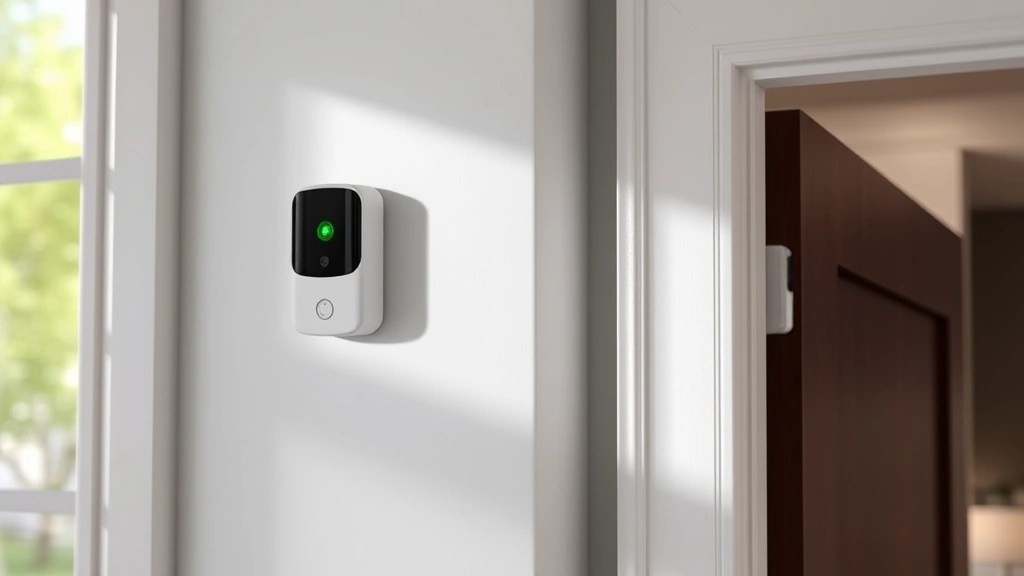
Abode offers a cloud-based home security platform combining DIY installation with optional professional monitoring. The system integrates door/window sensors, motion detectors, environmental monitors, and video cameras into a centralized hub. Users control their Abode security system through mobile applications and web dashboards, receiving real-time alerts about potential threats.
The platform distinguishes itself through contract-free monitoring, starting at $9.99 monthly for basic service. Professional monitoring with emergency dispatch ranges from $19.99 to $39.99 monthly depending on features selected. This flexibility appeals to renters and homeowners seeking alternatives to traditional security company contracts requiring 24-36 month commitments.
Abode’s architecture relies on encrypted cloud connectivity, local automation capabilities, and integration with smart home ecosystems including Amazon Alexa, Google Home, and Apple HomeKit. The system supports customizable automation rules, allowing users to trigger actions based on specific conditions—essential for creating responsive security protocols.

Key Reliability Factors
Evaluating any security system requires examining multiple reliability dimensions. A system might function smoothly during normal operation yet fail catastrophically during emergencies. True reliability demands consistent performance across all scenarios, from routine monitoring to critical threat response.
- Uptime and Availability: Security systems must maintain 99.9% or higher uptime. Even brief outages create dangerous vulnerabilities. Cloud-based systems like Abode depend on robust infrastructure and redundancy protocols to prevent service interruptions.
- Threat Detection Accuracy: False alarms damage reliability credibility and strain emergency resources. Advanced motion detection algorithms must distinguish between legitimate threats and harmless movements like pets or shadows.
- Emergency Response Times: When professional monitoring detects threats, dispatch response speed becomes critical. Industry standards expect emergency services contact within two minutes of alarm activation.
- Data Protection: Homeowner information, security footage, and system logs require encryption meeting military-grade standards. Unauthorized access compromises physical security and privacy simultaneously.
- System Redundancy: Backup power supplies, cellular connectivity failover, and cloud redundancy ensure functionality during power outages or internet disruptions.
Each factor contributes to overall system reliability. Neglecting any single element creates exploitable vulnerabilities that sophisticated attackers target.
Encryption and Data Security
Security systems handle extraordinarily sensitive information—home layouts, occupancy patterns, video footage, and personal schedules. Abode’s encryption standards directly impact whether this data remains confidential or becomes exposed to attackers.
Abode employs AES-256 encryption for data transmission and storage, meeting federal standards for sensitive information protection. All communication between hub, mobile devices, and cloud servers passes through encrypted channels. This implementation aligns with NIST cryptographic guidelines, suggesting professional security engineering.
However, encryption strength depends on implementation quality. Weak password policies, unpatched vulnerabilities, or improper key management can undermine even strong algorithms. Abode requires passwords with minimum complexity standards and supports optional two-factor authentication, providing additional account security layers.
The company maintains security certifications including SOC 2 Type II compliance, indicating third-party verification of security controls. Regular penetration testing and vulnerability assessments help identify weaknesses before attackers exploit them. Abode’s transparency regarding security practices—publishing their security documentation and certifications—suggests confidence in their protective measures.
Potential concerns emerge around data retention policies and third-party integrations. When users connect Abode to Amazon Alexa or Google Home, data flows through additional systems potentially subject to different privacy standards. Users should carefully review integration permissions and understand data-sharing implications.
Professional Monitoring and Response
Professional monitoring transforms a security system from passive recording device to active threat response mechanism. Abode partners with UL-certified monitoring centers operating 24/7/365. When sensors detect unauthorized entry or environmental hazards, monitoring stations receive alerts and attempt homeowner contact before dispatching emergency services.
Response protocol matters significantly for reliability assessment. Abode’s monitoring partners follow industry-standard procedures: alert reception, homeowner verification attempt, and emergency dispatch authorization. This three-step process prevents false emergency calls while ensuring legitimate threats receive immediate attention.
The Cybersecurity and Infrastructure Security Agency emphasizes that professional monitoring reliability depends on redundant communication systems. Abode’s monitoring centers maintain multiple communication pathways—internet-based reporting, cellular backup, and traditional landline options—ensuring alerts reach responders regardless of single-point failures.
Customer reviews regarding monitoring quality show mixed results. Some users report excellent response times and professional demeanor, while others cite delayed communications or protocol deviations. Professional monitoring quality varies by regional monitoring center, making consistent service delivery challenging for national providers.
Monthly monitoring costs represent ongoing expenses users must budget long-term. While Abode’s pricing undercuts traditional security companies, professional monitoring remains a recurring commitment. Self-monitoring options exist for cost-conscious users but eliminate the emergency dispatch advantage.
Hardware Performance and Durability
Security system reliability extends beyond software to physical components. Sensors must detect threats consistently, hubs must maintain connectivity reliably, and cameras must capture clear footage in various lighting conditions. Hardware quality directly impacts system effectiveness.
Abode’s hub serves as the system brain, maintaining local processing capabilities and cloud connectivity. The device features cellular backup ensuring continued operation during internet outages—a critical reliability feature. Battery backup provides several hours of operation during power failures, allowing users to arm/disarm systems and receive alerts.
Sensor reliability depends on proper placement, battery maintenance, and sensitivity calibration. Abode’s door/window sensors detect opening/closing reliably but require battery replacement approximately every 1-2 years depending on usage. Motion sensors occasionally experience false triggers from pets, ceiling fans, or thermal fluctuations—a common challenge across all security systems.
Video cameras provide visual verification critical for threat assessment. Abode’s camera lineup includes indoor and outdoor models with night vision, two-way audio, and motion-triggered recording. Video quality and reliability receive generally positive feedback, though some users report occasional connectivity drops requiring hub resets.
Environmental sensors monitor temperature, humidity, and water intrusion—important for detecting hazards beyond break-ins. These sensors provide early warning for problems like burst pipes or HVAC failures that could damage homes.
User Experience and Interface
A security system’s reliability depends partly on users understanding and correctly operating it. Confusing interfaces lead to configuration errors, missed alerts, and security gaps. Abode’s mobile app and web dashboard receive generally positive reviews for intuitive design and comprehensive functionality.
The mobile application provides real-time system status, sensor alerts, and video streaming. Push notifications alert users to security events immediately, enabling rapid response to threats. The app’s reliability—maintaining stable connectivity and displaying accurate information—directly impacts user confidence in the system.
Automation capabilities allow users to create customized security rules. For example, users might disable motion sensors when home, arm perimeter sensors when leaving, or trigger lights and sirens when intrusion attempts occur. Complex automation rules require careful configuration to prevent unintended security gaps.
Customer support quality affects reliability perception significantly. Users experiencing system issues need rapid, effective assistance. Abode offers phone support, email assistance, and online knowledge bases. Response times and technical expertise vary, with some users reporting helpful guidance while others encountered delays or inadequate troubleshooting.
Competitive Comparison
Evaluating Abode’s reliability requires contextualizing its performance against competitors. The home security market includes traditional providers like ADT and Vivint, modern companies like Frontpoint and Vivint Smart Home, and budget options like SimpliSafe and Ring.
Traditional security companies offer professional installation, longer monitoring experience, and established emergency response networks. However, they impose long-term contracts and higher costs—potentially problematic for users valuing flexibility.
Modern competitors like Frontpoint match Abode’s contract-free approach while emphasizing professional monitoring quality. SimpliSafe offers lower costs but provides minimal local processing capability, relying entirely on cloud connectivity. Ring prioritizes video capability and Amazon ecosystem integration at the expense of comprehensive security features.
Abode positions itself in the middle ground—more feature-rich than budget alternatives, more flexible than traditional providers, more affordable than premium services. This positioning appeals to technically-savvy homeowners seeking balanced solutions.
Reliability comparisons reveal no single superior option. Traditional providers offer stability through experience and resources. Modern competitors innovate faster and adapt to changing technologies. Abode’s reliability depends on specific user priorities—those valuing flexibility and local control may find it highly reliable, while users prioritizing nationwide reputation might prefer established providers.
When researching security options, consider visiting our best movie review sites guide for understanding evaluation methodologies applicable to security system reviews.
Threat intelligence reports from security researchers provide valuable insights into system vulnerabilities. Professional threat intelligence organizations occasionally publish findings about security system weaknesses. Reviewing these reports helps identify potential issues before they impact your home.
FAQ
What happens to my security if internet service fails?
Abode’s hub maintains cellular backup connectivity, ensuring monitoring continues during internet outages. Local automation rules continue functioning without cloud connectivity, though remote access via mobile app becomes unavailable. Battery backup provides several hours of continued operation during power failures.
Does Abode require professional installation?
No—Abode emphasizes DIY installation, allowing users to deploy systems without professional technicians. However, professional installation services are available through authorized dealers for users preferring expert deployment and configuration.
How accurate are Abode’s motion detectors?
Motion detection reliability depends on proper placement, sensitivity calibration, and environmental factors. Pet owners often experience false positives requiring sensor adjustment. Abode’s pet-immune motion sensors help reduce false triggers from small animals, though no system eliminates all false positives.
What encryption standards does Abode use?
Abode employs AES-256 encryption for data transmission and storage, meeting federal security standards. All communication between components passes through encrypted channels. Two-factor authentication provides additional account security.
Can I use Abode without professional monitoring?
Yes—Abode supports self-monitoring where users receive alerts directly without professional monitoring station involvement. However, self-monitoring eliminates emergency dispatch capabilities, requiring users to contact emergency services personally.
How reliable is Abode’s cloud infrastructure?
Abode maintains SOC 2 Type II certification, indicating third-party verification of infrastructure security and availability controls. The company publishes uptime statistics and maintains redundant data centers. However, like all cloud services, occasional outages remain possible.
What happens if sensors fail or batteries die?
Abode’s hub displays low battery warnings prompting timely replacements. Sensor failures typically manifest as missed alerts or false readings. Regular testing and battery maintenance prevent most failures. Professional monitoring can contact users when sensors fail to respond.
Is Abode’s system vulnerable to hacking?
No security system is completely unhackable, but Abode implements industry-standard protections including encryption, authentication, and regular security testing. Users should maintain strong passwords, enable two-factor authentication, and keep systems updated to minimize vulnerability risks.


