
Prevent Identity Theft: Expert Cybersecurity Tips
Identity theft remains one of the most devastating cybercrimes affecting millions of individuals annually. According to recent threat intelligence reports, criminals steal personal information to commit fraud, open unauthorized accounts, and drain financial resources. The average identity theft victim spends hundreds of hours and thousands of dollars recovering their identity and restoring their financial standing. Understanding the mechanics of identity theft and implementing comprehensive protection strategies is essential for safeguarding your personal information in today’s digital landscape.
This comprehensive guide explores evidence-based cybersecurity practices that protect your identity from sophisticated threat actors. Whether you’re concerned about data breaches, phishing attacks, or social engineering tactics, the following expert recommendations provide actionable steps to minimize your risk exposure. By implementing these AAA identity theft protection measures, you create multiple layers of defense that make your personal information a less attractive target for cybercriminals.
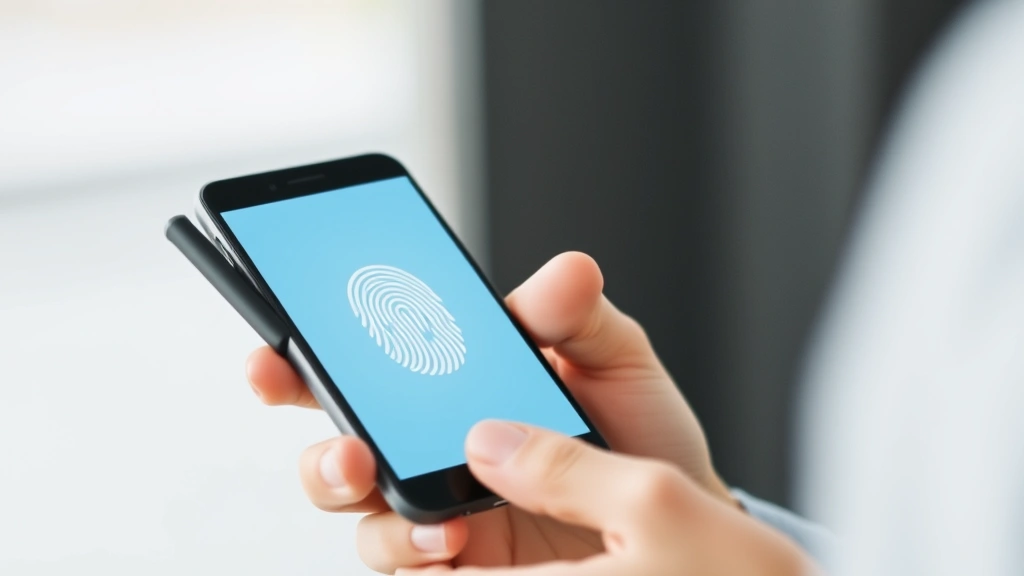
Understanding Identity Theft Threats
Identity theft occurs when criminals obtain your personal information—such as Social Security numbers, financial account details, or government-issued identification—and use it fraudulently. Threat actors employ multiple attack vectors including data breaches, phishing emails, social engineering calls, and physical document theft. Understanding these threats is the foundation of effective AAA identity theft protection strategies.
Cybercriminals target identity information because it provides direct access to financial systems and enables long-term fraudulent activity. A single compromised Social Security number can lead to unauthorized credit applications, tax fraud, medical identity theft, and synthetic identity fraud. The Federal Trade Commission reports that identity theft victims often discover the crime months or years after the initial compromise, making prevention significantly more cost-effective than recovery.
The most common identity theft vectors include:
- Data breaches: Hackers penetrate corporate databases containing millions of customer records
- Phishing campaigns: Deceptive emails trick users into revealing credentials or downloading malware
- Social engineering: Criminals manipulate individuals into disclosing sensitive information through psychological tactics
- Public Wi-Fi networks: Unencrypted connections allow attackers to intercept transmitted data
- Malware and keyloggers: Malicious software captures passwords and personal information
- Dumpster diving: Physical theft of documents containing Social Security numbers and financial information
Recognizing these threats enables you to implement appropriate defensive measures. The CISA identity theft resources provide government-backed guidance for protecting your personal information against evolving cyber threats.

Strong Password Management Practices
Password security forms the cornerstone of identity theft prevention. Weak or reused passwords provide cybercriminals with rapid access to multiple accounts once a single breach occurs. Implementing robust password management practices creates formidable barriers against unauthorized account access.
Create unique, complex passwords for every online account using these guidelines:
- Use minimum 16 characters combining uppercase letters, lowercase letters, numbers, and special characters
- Avoid dictionary words, personal information, and predictable patterns
- Never reuse passwords across different platforms or accounts
- Implement passphrases combining random words for easier memorization
- Update passwords every 90 days for high-security accounts
Password managers eliminate the burden of memorizing complex passwords while maintaining security standards. Leading password management solutions encrypt your credentials locally, requiring only a single master password for access. This approach dramatically reduces the likelihood of password reuse while ensuring each account maintains unique authentication credentials.
Consider utilizing password managers from reputable cybersecurity firms that employ zero-knowledge architecture, ensuring even the service provider cannot access your stored credentials. This security model aligns with NIST password guidelines and represents industry best practices for credential management.
Multi-Factor Authentication Implementation
Multi-factor authentication (MFA) adds critical security layers by requiring multiple verification methods before granting account access. Even if attackers compromise your password through phishing or data breaches, MFA prevents unauthorized access by demanding additional proof of identity.
The three primary authentication factor categories include:
- Something you know: Passwords, PINs, or security questions
- Something you have: Physical devices like smartphones, security keys, or authentication tokens
- Something you are: Biometric identifiers including fingerprints, facial recognition, or iris scans
Implement MFA across all critical accounts including email, banking, government services, and social media platforms. Email accounts deserve particular attention since attackers frequently use compromised email addresses to reset passwords on other platforms, achieving a cascading compromise of your digital identity. Authenticator applications provide time-based one-time passwords (TOTP) that don’t rely on SMS delivery, which remains vulnerable to SIM swapping attacks.
Hardware security keys represent the gold standard for MFA implementation. These physical devices use cryptographic protocols to verify your identity without transmitting secrets over potentially compromised networks. Organizations like FIDO Alliance develop open standards for hardware authentication that prevent phishing and account takeover attacks.
Credit Monitoring and Fraud Detection
Continuous credit monitoring enables rapid detection of fraudulent activity initiated by identity thieves. Monitoring services alert you when new accounts are opened, credit inquiries occur, or account modifications happen without your authorization. Early detection minimizes financial damage and simplifies the recovery process.
Implement comprehensive credit monitoring through multiple channels:
- Request free credit reports from all three bureaus (Equifax, Experian, TransUnion) annually via AnnualCreditReport.com
- Place fraud alerts with credit bureaus when identity theft is suspected
- Implement credit freezes to prevent unauthorized account opening
- Subscribe to credit monitoring services providing real-time notifications
- Monitor bank and credit card statements daily for unauthorized transactions
Credit freezes provide particularly robust protection against new account fraud. When your credit is frozen, lenders cannot access your credit report without your explicit permission, effectively preventing criminals from opening accounts in your name. Freezes remain active until you temporarily thaw them for legitimate credit applications.
Federal law entitles you to free credit freezes, fraud alerts, and annual credit reports. These government-mandated protections represent fundamental AAA identity theft protection tools available to all consumers regardless of income or credit history.
Secure Your Digital Footprint
Your digital footprint encompasses all personal information available online through social media profiles, public databases, and previous data breaches. Cybercriminals aggregate this information to construct detailed profiles enabling sophisticated social engineering and identity theft attacks.
Minimize your digital exposure through these practices:
- Review social media privacy settings: Restrict profile visibility to trusted connections only
- Limit shared personal information: Avoid posting birthdates, addresses, phone numbers, or family relationships
- Delete old accounts: Remove profiles from abandoned services that may contain outdated information
- Monitor data broker sites: Search sites like Spokeo and PeopleFinder to identify publicly available personal information
- Request information removal: Submit opt-out requests to data brokers selling your information
- Secure email addresses: Maintain private email addresses separate from public social media accounts
Data breaches inevitably expose personal information held by companies you trust. Checking Have I Been Pwned reveals whether your email addresses appear in publicly disclosed breaches. This free service aggregates breach data from thousands of compromised databases, enabling you to identify exposed accounts and implement protective measures immediately.
Financial Account Protection Strategies
Financial accounts represent primary targets for identity thieves seeking immediate monetary gain. Implementing layered security measures across banking and investment accounts prevents unauthorized transactions and minimizes fraud-related losses.
Deploy these financial security practices:
- Use unique banking passwords: Store financial account credentials in encrypted password managers
- Enable transaction alerts: Configure notifications for all purchases exceeding specified thresholds
- Review statements regularly: Check banking and credit card statements weekly for fraudulent activity
- Implement account restrictions: Disable online transfers or limit daily withdrawal amounts
- Utilize virtual card numbers: Generate temporary credit card numbers for online shopping
- Secure mobile banking: Protect banking apps with biometric authentication and device encryption
Virtual card numbers provide exceptional protection for online purchases by generating temporary credit card numbers tied to your actual account. If a merchant’s database is breached, the exposed virtual number cannot be used for unauthorized transactions since it expires after a single use or specified time period.
Contact your financial institutions to implement additional security measures. Many banks offer positive pay services that verify check amounts against submitted payment information, preventing check fraud. Business accounts can implement dual-approval requirements for large transactions, significantly reducing the impact of account compromise.
Responding to Identity Theft Incidents
Despite comprehensive prevention efforts, identity theft may still occur. Rapid response minimizes financial damage and accelerates the recovery process. Create an incident response plan before theft occurs, enabling swift action if you discover unauthorized activity.
Execute these immediate steps upon discovering identity theft:
- Contact your bank and credit card issuers to report fraudulent transactions and freeze accounts
- Place fraud alerts with all three credit bureaus (Equifax, Experian, TransUnion)
- Obtain copies of your credit reports to identify fraudulent accounts
- File a report with the Federal Trade Commission at IdentityTheft.gov
- File a police report documenting the theft and obtaining a report number
- Document all fraudulent activity including dates, account numbers, and unauthorized charges
- Contact creditors with fraudulent accounts to dispute unauthorized transactions
- Monitor your credit reports for 12-24 months following the incident
The recovery process requires patience and persistence. Dispute fraudulent accounts in writing, providing copies of your police report and FTC complaint. Credit bureaus must investigate disputes within 30 days, removing verified fraudulent information from your credit reports. Creditors must cease collection efforts once you dispute charges in writing.
Consider engaging identity theft recovery services that manage the complex dispute and recovery process on your behalf. These services coordinate with creditors, credit bureaus, and government agencies, significantly reducing the time and effort required for recovery. Many homeowner’s and renter’s insurance policies cover identity theft recovery expenses, providing valuable financial assistance during the recovery process.
FAQ
What is AAA identity theft protection?
AAA identity theft protection refers to comprehensive, multi-layered defense strategies combining authentication (strong passwords and MFA), awareness (recognizing phishing and social engineering), and active monitoring (credit surveillance and fraud detection). This approach addresses all stages of the identity theft lifecycle from prevention through recovery.
How often should I check my credit report?
Review your credit reports at minimum annually, but checking every four months provides better coverage since each bureau can be accessed once yearly. After identity theft or suspected compromise, check reports monthly for 12-24 months to detect delayed fraudulent activity.
Are credit freezes permanent?
No, credit freezes remain active until you explicitly thaw them. You can temporarily lift a freeze for specific time periods when applying for credit, or permanently remove it whenever you choose. Freezes remain in effect across all three credit bureaus independently.
Can identity theft be completely prevented?
Complete prevention is impossible since data breaches expose information beyond your control. However, implementing comprehensive AAA identity theft protection strategies dramatically reduces your risk and minimizes potential damage. Most identity theft occurs against individuals with minimal protective measures.
What should I do if I receive a suspicious email claiming to be from my bank?
Never click links or download attachments from unsolicited emails. Contact your bank directly using phone numbers from your statement or official website. Banks never request credentials, Social Security numbers, or account details via email. Report phishing attempts to your email provider and the Internet Crime Complaint Center.
How long does identity theft recovery take?
Recovery timelines vary significantly based on theft complexity. Simple cases involving one or two fraudulent accounts may resolve within weeks, while extensive synthetic identity fraud or tax fraud can require 12-24 months. Engaging professional recovery services typically accelerates the process considerably.


