
What is an SCG? Security Expert Explains
A Security Classification Guide (SCG) is a critical document that establishes the classification levels and handling requirements for sensitive information within government, defense, and contractor organizations. It serves as the authoritative reference for determining how classified material should be marked, protected, and disseminated. Understanding SCGs is essential for anyone working with classified information or in security-sensitive roles.
In today’s threat landscape, proper information classification protects national security, prevents unauthorized disclosure, and ensures compliance with federal regulations. Organizations that fail to implement robust SCGs risk espionage, data breaches, and severe legal consequences. This comprehensive guide explains what an SCG is, why it matters, and how security professionals use it to safeguard sensitive data.
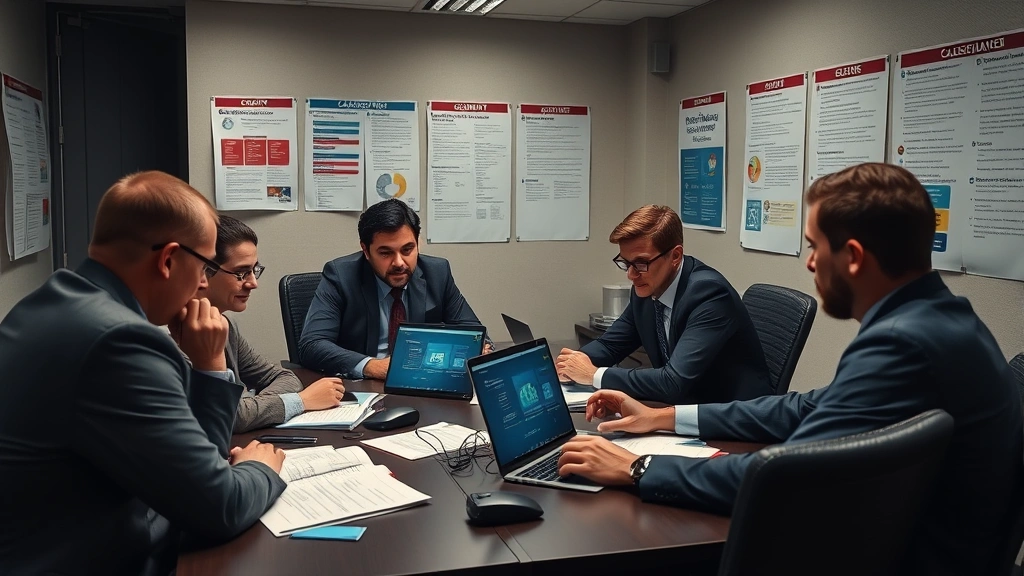
Understanding Security Classification Guides
An SCG is a document that defines classification decisions for specific categories of information. It provides guidance on what information should be classified at each level—Top Secret, Secret, or Confidential—and establishes the basis for these decisions. The SCG functions as a decision tool, enabling authorized personnel to consistently classify new information without requiring constant guidance from senior officials.
The origins of SCGs trace back to Executive Order 13526 on classified national security information, which mandates the use of classification guides for all classified information. These guides are developed by original classifiers—typically senior government officials with classification authority—and are reviewed periodically to ensure accuracy and relevance.
SCGs apply across multiple sectors including Department of Defense (DoD), intelligence agencies, energy departments, and cleared defense contractors. Each organization develops SCGs tailored to its specific mission and information assets. The guide essentially creates a standardized framework, preventing over-classification, under-classification, and inconsistent handling of sensitive material.
The primary purpose of an SCG is to enable derivative classification. Rather than requiring every employee to make independent classification decisions, SCGs allow trained personnel to classify information consistently based on predetermined criteria. This approach protects sources and methods while preventing accidental disclosure of sensitive information.

Classification Levels Explained
U.S. government classification operates under three primary levels, each with distinct protection requirements and authorized access restrictions.
Top Secret (TS) represents the highest classification level. Information classified at this level could reasonably be expected to cause exceptionally grave damage to national security if disclosed. Top Secret materials typically involve intelligence sources, military operations, weapons systems, and critical diplomatic negotiations. Access is limited to individuals with Top Secret clearances and a demonstrated need-to-know.
Secret (S) covers information that could reasonably be expected to cause serious damage to national security. This classification applies to operational plans, technical specifications, personnel information, and sensitive communications. Secret information requires personnel to possess Secret-level clearances.
Confidential (C) is the lowest classification level for information that could reasonably be expected to cause damage to national security. This category often includes administrative information, preliminary assessments, and routine organizational details that require protection but pose lower risks than higher classifications.
An SCG explicitly defines which information falls into each category, providing specific examples and decision criteria. For instance, an SCG might specify: “Information regarding specific vulnerabilities in weapons system X is classified Secret for 10 years” or “Deployment schedules for Naval units are classified Secret for 5 years.”
The guide also establishes declassification timelines and review procedures. Some information is automatically declassified after a specified period (10, 25, or 50 years), while other material requires case-by-case review by original classifiers or authorized declassification officials.
Key Components of an SCG
A comprehensive SCG contains several essential elements that enable consistent classification decisions across an organization.
Classification Authority identifies the original classifier—the government official with authority to classify information. This section establishes who created the SCG and their credentials to make classification determinations. Only properly authorized officials can establish classification criteria.
Information Categories form the heart of the SCG. These categories describe specific types of information and their corresponding classification levels. Categories might include:
- Technical specifications and performance data
- Intelligence collection methods and sources
- Personnel security information
- Operational plans and schedules
- Vulnerabilities and security measures
- Foreign government information
- Weapons system details
- Communications protocols and encryption methods
Declassification Instructions specify how long information remains classified and under what conditions it can be declassified. Some SCGs establish automatic declassification dates, while others require derivative classifiers to mark information for review at specified intervals.
Marking Requirements detail how classified information must be marked and labeled. This includes placement of classification markings, portion marking (indicating which portions of a document are classified), and guidance on handling unclassified information mixed with classified material.
Derivative Classification Guidance explains how authorized personnel can classify information based on the SCG without requiring original classification authority. This is crucial for practical implementation, as it allows trained employees to apply consistent standards.
Review and Approval Procedures establish how the SCG is maintained, updated, and reviewed. Most SCGs undergo annual reviews to ensure continued accuracy and relevance to organizational missions.
SCG Implementation and Best Practices
Implementing an effective SCG requires commitment from leadership and rigorous training across the organization. The NIST guidelines for federal information protection emphasize that classification guides must be actively managed and communicated.
Training is fundamental to SCG success. All personnel who handle classified information must receive training on the specific SCG applicable to their organization. Training should cover:
- Classification levels and their definitions
- How to use the SCG to classify information
- Marking and handling requirements
- Declassification procedures
- Consequences of misclassification
- Reporting procedures for classification errors
Organizations should establish a classification management program with designated officials responsible for overseeing SCG implementation. These officials review classification decisions, investigate potential over-classification or under-classification, and recommend updates to the SCG based on operational experience.
Technology integration enhances SCG effectiveness. Many organizations use automated tools that guide users through classification decisions based on SCG criteria. These systems can prevent common errors and ensure consistent application of standards across departments.
Regular audits and spot-checks verify that personnel are properly applying the SCG. Organizations should maintain records of classification decisions and periodically review samples to identify patterns or problems. When errors are discovered, they should trigger additional training or revisions to the SCG.
The classification management program should also monitor information that may have been over-classified. Executive Order 13526 requires agencies to “reduce the overall volume of classified information” and implement measures to identify and declassify material that no longer requires protection.
Common Challenges and Solutions
Organizations frequently encounter obstacles when implementing SCGs. Understanding these challenges and their solutions helps ensure effective classification practices.
Over-classification remains the most persistent problem. Personnel, uncertain about classification requirements, frequently classify information at higher levels than necessary. This creates unnecessary security burdens and slows information sharing between authorized parties. Organizations address this through clear guidance, examples in SCGs, and periodic training emphasizing that information should be classified at the lowest appropriate level.
Inconsistent Application occurs when different departments or individuals interpret SCG guidance differently. This typically results from ambiguous language, insufficient training, or lack of centralized oversight. Solutions include establishing classification review boards, creating detailed supplementary guidance, and implementing automated classification tools that apply consistent standards.
Outdated Guidance undermines SCG effectiveness. As missions evolve and new threats emerge, classification criteria must adapt. Organizations should establish regular review cycles (typically annual) and processes for updating SCGs based on operational experience and declassification reviews.
Balancing Transparency and Security presents inherent tension. Overly restrictive SCGs hinder operational efficiency and inter-agency collaboration. Too-permissive guides create security vulnerabilities. Effective SCGs clearly define scope, provide specific examples, and establish procedures for handling information at classification boundaries.
Personnel Turnover necessitates continuous training. New employees may lack understanding of classification concepts or the organization’s specific SCG. Organizations should integrate SCG training into onboarding processes and maintain training records for compliance purposes.
SCG Compliance Requirements
Federal regulations establish strict requirements for SCG development, implementation, and maintenance. Compliance failures can result in criminal penalties, civil liability, and loss of classified contract authority.
The CISA guidelines for classified information handling specify that all organizations with classified information access must maintain current, accurate SCGs. The National Industrial Security Program Operating Manual (NISPOM) requires defense contractors to develop SCGs for all classified information they create or process.
Documentation Requirements mandate that organizations maintain records showing:
- SCG development and approval dates
- Names of original classifiers
- Revision history and update justifications
- Training records for all personnel handling classified information
- Classification decision audits and corrective actions
- Declassification reviews and actions taken
Security Clearance Adjudication now includes evaluation of an organization’s classification management program. Agencies and contractors with weak SCG practices may face delays in clearance processing or loss of classified contract authority.
The Director of National Intelligence (DNI) periodically issues guidance on classification standards and SCG requirements. Organizations must monitor these updates and incorporate new requirements into their SCGs.
Declassification Review is now a compliance priority. Organizations must establish procedures for periodic review of classified information, with the goal of declassifying material that no longer requires protection. The National Archives Declassification Initiative tracks agency progress toward declassification goals.
Violations of SCG requirements can result in criminal charges under the Espionage Act, civil penalties under the False Claims Act (for contractors), and loss of facility certification. Recent cases have demonstrated that both individuals and organizations face serious consequences for classification mismanagement.
FAQ
What is the difference between an SCG and a Classification Decision Document?
An SCG provides standing guidance for classifying categories of information, while a Classification Decision Document (CDD) typically documents a single classification decision. SCGs are broader, ongoing tools; CDDs are specific determinations for individual information items.
Who can create or modify an SCG?
Only original classifiers with proper authority can create or modify SCGs. These individuals typically hold senior positions in government agencies or are designated classification authorities within cleared contractors. The classification authority must be documented in the SCG.
How often should an SCG be reviewed?
Most organizations conduct annual reviews of their SCGs, though the specific frequency depends on the nature of the information and organizational requirements. Reviews should assess whether classification criteria remain accurate and whether new categories need addition.
Can information classified under an SCG be shared with contractors?
Yes, but only with contractors who have appropriate facility clearances and need-to-know. Organizations must provide the relevant SCG to contractors so they can properly handle and classify derived information. Contractors must implement comparable classification management programs.
What happens if someone misclassifies information under an SCG?
The response depends on the severity and intent. Inadvertent errors typically trigger additional training and may result in disciplinary action. Deliberate misclassification for improper purposes can result in criminal prosecution under the Espionage Act or other statutes.
How does an SCG relate to the Freedom of Information Act (FOIA)?
SCGs themselves are typically classified and not released under FOIA. However, organizations must use SCG criteria to properly classify FOIA responses. Improper classification to withhold information improperly can result in litigation and FOIA penalties.
Can an SCG be declassified?
Yes, SCGs can be declassified or have portions declassified when they no longer require protection. However, many SCGs remain classified because revealing classification criteria could compromise sources, methods, or security measures. Declassification decisions require approval from original classifiers or authorized officials.


