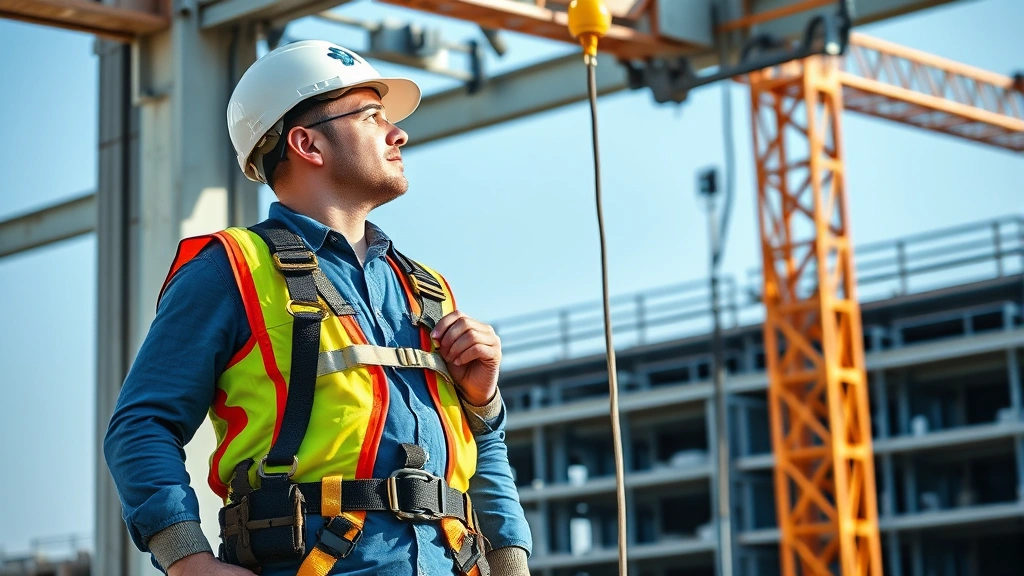
3M Fall Protection: Expert Safety Insights
Fall protection represents one of the most critical aspects of workplace safety across industries ranging from construction and telecommunications to manufacturing and utility services. The consequences of inadequate fall protection systems can be catastrophic, resulting in serious injuries, fatalities, and significant organizational liability. 3M, a global leader in safety solutions, has developed comprehensive fall protection equipment and systems designed to protect workers at heights and mitigate the inherent risks associated with elevated work environments.
Understanding the nuances of 3M fall protection products, proper implementation strategies, and regulatory compliance requirements is essential for safety managers, contractors, and workers themselves. This expert guide explores the full spectrum of fall protection solutions, best practices, and critical safety considerations that organizations must address to create safer workplaces. Whether you’re implementing a new fall protection program or enhancing existing safety protocols, the insights provided here will help you make informed decisions that protect your most valuable asset—your workforce.
Understanding Fall Protection Systems
Fall protection encompasses a comprehensive approach to preventing workers from falling or arresting their fall before serious injury occurs. The hierarchy of fall protection controls prioritizes elimination of hazards first, followed by engineering controls, administrative measures, and finally personal protective equipment (PPE). When working at heights—typically defined as six feet or higher in the United States—organizations must implement systematic approaches that address multiple aspects of worker safety.
The fundamental principle underlying all fall protection systems involves either preventing the fall from occurring or arresting the fall safely before a worker sustains injury. 3M’s approach integrates advanced materials science, ergonomic design, and rigorous testing protocols to create equipment that meets or exceeds international safety standards. Their fall protection systems combine personal protective equipment with engineered anchor points, connecting devices, and rescue equipment to create comprehensive solutions tailored to specific work environments.
Falls remain the leading cause of unintentional injury deaths in many countries, and workplace falls represent a substantial portion of these incidents. According to regulatory agencies and occupational safety organizations, proper fall protection implementation can reduce fall-related injuries and fatalities by up to 95 percent. This dramatic reduction demonstrates the critical importance of selecting appropriate equipment, implementing rigorous training programs, and maintaining consistent safety culture throughout organizations.

3M Fall Protection Product Categories
3M manufactures an extensive range of fall protection products designed to address diverse workplace scenarios and industry-specific requirements. Their product portfolio includes personal fall arrest systems, safety harnesses, lanyards, carabiners, anchor points, descent devices, and rescue equipment. Each product category serves specific functions within the broader fall protection ecosystem, and selecting the correct combination of products is essential for effective workplace safety.
The company’s commitment to innovation has resulted in the development of advanced materials and designs that improve comfort, durability, and ease of use without compromising safety performance. 3M fall protection products undergo extensive testing and validation to ensure they meet stringent international standards including those established by ANSI (American National Standards Institute), OSHA (Occupational Safety and Health Administration), and international bodies. This commitment to quality assurance means that organizations selecting 3M products can have confidence in their reliability and performance.
3M’s fall protection division continuously monitors industry trends, accident data, and worker feedback to refine and enhance their product offerings. This responsive approach to product development ensures that their equipment addresses emerging workplace challenges and incorporates lessons learned from incident investigations and safety research. Whether organizations require basic fall arrest systems for occasional elevated work or comprehensive solutions for complex industrial environments, 3M offers products suitable for virtually any application.
Harnesses and Body Support Equipment
Safety harnesses represent the most visible and critical component of personal fall arrest systems, as they distribute fall impact forces across the worker’s body to prevent injury. 3M manufactures several harness designs including full-body harnesses, positioning harnesses, and suspension trauma prevention harnesses, each engineered for specific applications and work conditions. Full-body harnesses remain the standard for most fall arrest applications, as they provide optimal load distribution and worker control.
Modern 3M harnesses incorporate ergonomic design principles that enhance worker comfort during extended use, reducing fatigue and improving compliance with safety protocols. The placement of attachment points, padding materials, and adjustment mechanisms all reflect careful engineering aimed at balancing safety performance with user comfort. Workers who find their protective equipment comfortable are significantly more likely to use it consistently and correctly, which directly translates to improved safety outcomes.
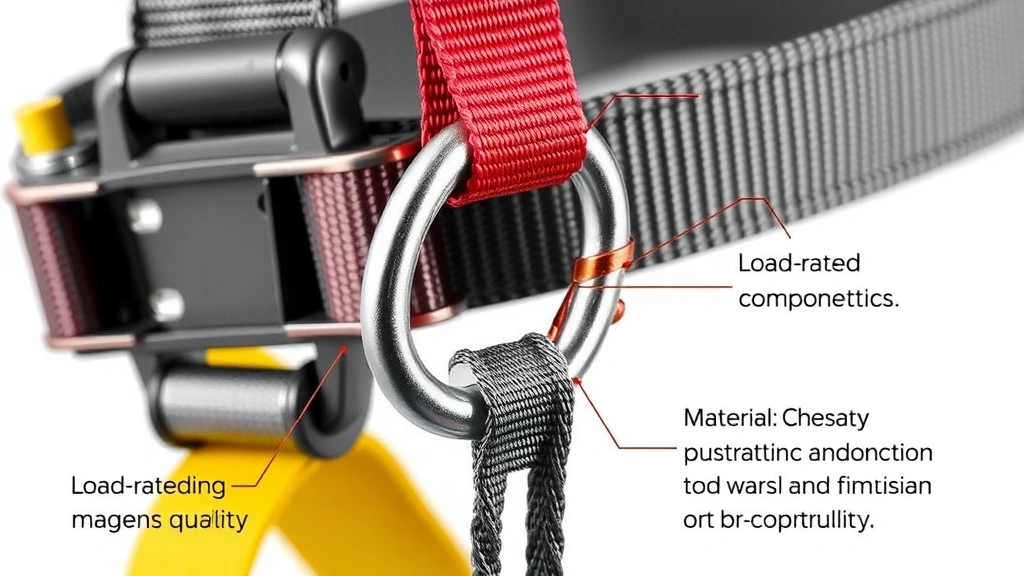
The materials used in 3M harness construction must meet rigorous durability standards while remaining lightweight and flexible enough for practical workplace use. Webbing materials undergo testing for abrasion resistance, UV degradation, and chemical exposure to ensure they maintain integrity throughout their service life. Attachment hardware includes load-rated components engineered to withstand the dynamic forces generated during fall arrest scenarios, which can exceed 1,800 pounds of force in certain circumstances.
Proper harness fitting is absolutely critical for ensuring equipment effectiveness and worker safety. Ill-fitting harnesses can allow excessive movement during falls, reduce load distribution effectiveness, and compromise the overall performance of the fall arrest system. Organizations should implement fitting protocols that ensure each worker receives equipment properly sized to their body dimensions, and workers should receive training in proper donning and adjustment procedures before using fall protection equipment in actual work situations.
Anchor Points and Attachment Systems
Anchor points serve as the foundation of any fall protection system, as they must reliably support the worker’s weight plus the dynamic forces generated during fall arrest. 3M provides comprehensive guidance on anchor point selection, installation, and validation to ensure that organizations establish safe, reliable connection points for fall protection equipment. Anchor points must be capable of supporting at least 5,000 pounds per attached worker, or in some cases, 100 percent of the potential fall impact force, whichever is greater.
The selection of appropriate anchor points depends on numerous factors including building construction, work environment, equipment configuration, and regulatory requirements. 3M offers engineered anchor point solutions including portable anchors, roof anchors, beam anchors, and temporary systems designed for specific applications. Each solution incorporates design features that facilitate proper installation while maintaining the structural integrity and load-bearing capacity necessary for safe operation.
Lanyards and connecting devices link workers to anchor points and must be carefully selected to match the specific characteristics of each work environment. 3M manufactures lanyards in various configurations including fixed-length models, self-retracting devices, and shock-absorbing designs. Each configuration offers distinct advantages for different applications, and selecting the appropriate type requires careful analysis of fall distances, swing hazards, and environmental factors.
Carabiners and other connection hardware must meet rigorous performance standards and be appropriate for their intended application. 3M provides detailed guidance on proper carabiner selection, operation, and maintenance to ensure these critical components function reliably. Misuse of connection hardware—such as using carabiners with side-loading or improper gate closure—represents a significant cause of fall protection system failures and must be addressed through comprehensive training and workplace monitoring.
Compliance and Regulatory Standards
Organizations implementing 3M fall protection systems must ensure their installations comply with applicable regulatory requirements established by occupational safety authorities. In the United States, OSHA regulations establish comprehensive requirements for fall protection in construction and general industry settings. International workplaces must comply with standards established by their respective regulatory bodies, which often align with ISO (International Organization for Standardization) standards for fall protection equipment.
ANSI standards provide detailed technical specifications for fall protection equipment design, testing, and performance. These standards establish requirements for harness construction, lanyard strength, anchor point capacity, and system component compatibility. Organizations should verify that all 3M fall protection products they select carry appropriate certifications and meet the specific standards applicable to their jurisdiction and industry.
Documentation of compliance represents an essential component of any fall protection program. Organizations should maintain records demonstrating that their equipment selections, installations, and training protocols comply with regulatory requirements. This documentation serves multiple purposes including demonstrating due diligence in safety management, supporting insurance coverage claims, and providing evidence of organizational commitment to worker safety in legal proceedings.
Regular audits of fall protection programs help identify compliance gaps and ensure that systems remain effective as workplace conditions evolve. These audits should evaluate equipment condition, worker knowledge and training, anchor point integrity, and overall program administration. Partnering with qualified safety professionals who understand current regulatory requirements and industry best practices can help organizations maintain compliant, effective fall protection programs.
Implementation Best Practices
Successful fall protection implementation requires a systematic approach that addresses equipment selection, installation, training, and ongoing maintenance. Organizations should begin by conducting comprehensive hazard assessments that identify all locations where workers might be exposed to fall hazards. These assessments should evaluate work tasks, environmental conditions, worker capabilities, and other factors that influence fall risk.
Based on hazard assessment findings, organizations should select appropriate 3M fall protection equipment and develop installation plans that ensure proper setup and operation. Installation should be performed by qualified personnel who understand the technical requirements of the equipment and the specific characteristics of the work environment. Following installation, the system should be tested and validated to confirm it functions as designed and meets all performance requirements.
Creating a comprehensive fall protection program requires more than simply purchasing equipment; it demands organizational commitment to safety culture and worker engagement. When workers understand the rationale behind fall protection requirements and appreciate the organization’s commitment to their safety, they become active participants in maintaining safe practices. This cultural transformation often proves more valuable than any individual piece of equipment.
Integration of 3M fall protection solutions into broader workplace safety programs ensures that fall hazards are addressed within the context of overall occupational health and safety management. This holistic approach recognizes that effective safety requires coordination across multiple disciplines including engineering, training, supervision, and emergency response planning.
Training and Maintenance Requirements
Worker training represents a critical but often underemphasized component of fall protection program effectiveness. All workers who use fall protection equipment must receive comprehensive training covering equipment operation, proper donning and adjustment, limitations and maintenance requirements, and emergency procedures. Training should be provided before workers use equipment in actual work situations and should be refreshed periodically or when significant changes occur in work procedures or equipment.
Effective training programs incorporate multiple instructional methods including classroom instruction, hands-on demonstration, and supervised practice. Workers should have opportunities to practice donning harnesses, connecting to anchor points, and performing other critical tasks under supervision before being required to perform these activities independently. Assessment of worker knowledge and competency helps ensure that training objectives are achieved and workers understand essential safety concepts.
Maintenance and inspection protocols ensure that 3M fall protection equipment remains in safe, functional condition throughout its service life. Daily visual inspections by workers should identify obvious damage or defects that would preclude equipment use. More comprehensive inspections by qualified personnel should occur at regular intervals and whenever equipment has been involved in a fall or suspected impact event.
Documentation of training and maintenance activities creates records demonstrating organizational commitment to fall protection program management. These records also provide valuable information for program evaluation and continuous improvement initiatives. When incidents do occur, maintenance and training records help investigators understand the condition of equipment and the knowledge level of workers involved, which can reveal program weaknesses requiring correction.
Storage and environmental protection of fall protection equipment helps preserve equipment integrity and extends service life. Equipment should be stored in clean, dry locations protected from excessive heat, cold, or UV exposure. Regular inventory management ensures that equipment is available when needed and that expired or damaged items are promptly removed from service and replaced.
FAQ
What is the maximum fall distance for 3M fall protection systems?
Maximum fall distance depends on the specific system configuration, lanyard type, and anchor point height. Generally, systems should be arranged to limit fall distance to six feet or less, though some self-retracting devices can accommodate greater distances. Always consult product documentation and conduct site-specific calculations to determine appropriate configurations for your application.
How often should 3M fall protection equipment be inspected?
Equipment should undergo daily visual inspections before use and comprehensive inspections by qualified personnel at least annually or per manufacturer recommendations. Any equipment involved in a fall or suspected impact must be immediately removed from service and inspected before being returned to use.
What training is required for workers using 3M fall protection equipment?
Workers must receive training covering equipment operation, proper use, limitations, maintenance, rescue procedures, and hazard recognition. Training should be documented and refreshed periodically or when work procedures or equipment change.
Can 3M fall protection equipment be used for rescue operations?
Some 3M products are specifically designed for rescue applications, while others are not. Equipment selection should be based on its intended use. Organizations should consult with 3M representatives or qualified safety professionals to determine appropriate equipment for rescue scenarios.
What should be done if fall protection equipment is damaged?
Damaged equipment must be immediately removed from service and replaced. Damaged items should not be repaired unless authorized by the manufacturer, as repairs might compromise safety performance. Documentation of damage and removal helps maintain program integrity and provides valuable safety data.


