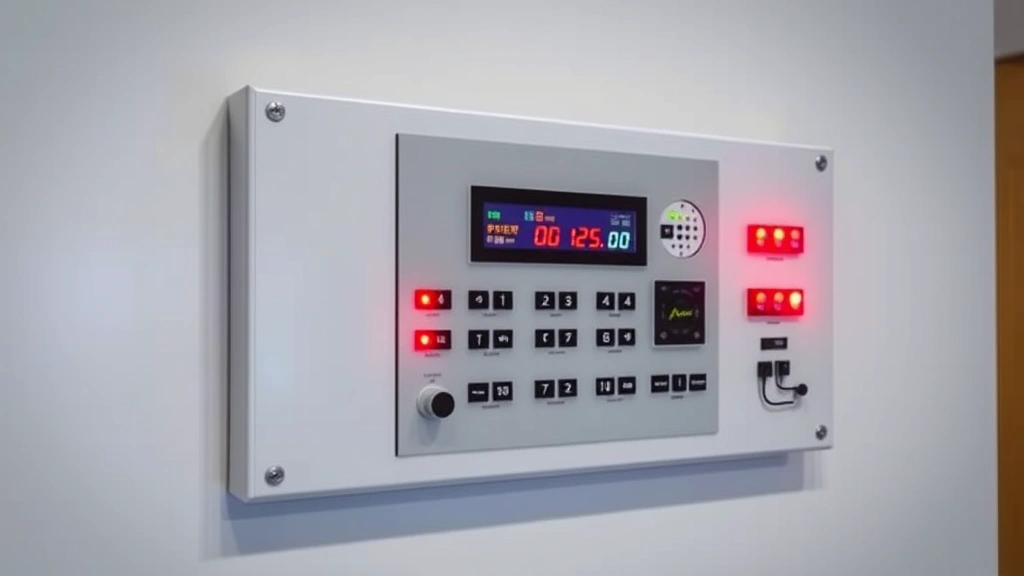
2GIG Edge Security: Expert Review & Insights
The 2GIG Edge Security system (model 2GIG-EDGE-NA-VA) represents a significant advancement in residential and small business security infrastructure. As cyber threats continue to evolve at an unprecedented pace, understanding the technical capabilities and security architecture of modern alarm systems has become essential for property owners and security professionals alike. This comprehensive review examines the 2GIG Edge platform from both hardware and cybersecurity perspectives, providing actionable insights for those considering deployment.
The 2GIG Edge security system integrates traditional intrusion detection with modern connectivity features, creating a hybrid security ecosystem that demands careful evaluation. With increasing reports of CISA security advisories affecting IoT devices, understanding how the Edge system handles threat mitigation and data protection is critical for informed purchasing decisions.

2GIG Edge Hardware Architecture
The 2GIG Edge control panel functions as the central processing unit for the entire security ecosystem. This device manages sensor data, processes alerts, and coordinates communication between local hardware components and cloud-based monitoring services. The system operates on a 32-bit ARM processor architecture, enabling real-time threat analysis without relying entirely on cloud infrastructure.
The panel includes dual communication pathways: primary broadband connectivity and cellular backup. This redundancy ensures that security monitoring persists even when primary internet connections fail. The cellular module supports LTE technology, providing bandwidth sufficient for video transmission and real-time alert delivery. However, redundancy introduces additional attack surfaces that require careful management.
Memory specifications include 512MB RAM and 4GB flash storage, allowing the system to maintain historical logs and process multiple simultaneous sensor inputs. The system supports up to 48 wireless zones and 8 hardwired zones, enabling comprehensive coverage for residential properties and small commercial installations. Battery backup capability provides 24-48 hours of operation during power outages, though this varies based on system configuration and usage patterns.
The physical enclosure incorporates tamper detection at multiple levels. Opening the panel triggers alerts, and internal sensors detect attempts to remove backup batteries or disconnect communication modules. These mechanical safeguards complement software-level security measures, creating defense-in-depth architecture that addresses both physical and cyber threats.

Cybersecurity Features & Threat Protection
Modern security systems must defend against sophisticated attackers targeting both hardware and software components. The 2GIG Edge implements several layers of protection, though NIST cybersecurity guidelines suggest additional hardening may be beneficial for high-risk environments.
Encryption protocols form the foundation of the system’s data protection strategy. The Edge platform employs AES-256 encryption for all transmitted data, meeting military-grade standards for sensitive information protection. Local-to-cloud communication utilizes TLS 1.2 protocol, ensuring that alert messages, sensor data, and user credentials remain protected during transmission across public internet infrastructure.
The system implements certificate pinning for cloud connections, preventing man-in-the-middle attacks where attackers intercept communications by presenting fraudulent certificates. This advanced technique significantly increases the technical barriers for would-be attackers, though it requires proper certificate management during firmware updates.
Authentication mechanisms include support for two-factor authentication (2FA) on user accounts accessing the mobile application and web portal. This prevents unauthorized account takeover even if login credentials become compromised. However, the initial system setup process requires careful attention to security practices, as default credentials and unsecured initial configuration represent common vulnerability vectors.
The platform includes firmware update mechanisms with cryptographic signature verification. Before installing any firmware update, the system verifies that updates originated from legitimate 2GIG sources. This prevents attackers from injecting malicious code through compromised update channels. Updates deploy automatically or on user schedules, ensuring that security patches deploy promptly.
Network Connectivity & Encryption Standards
Network security represents a critical consideration for connected security systems. The 2GIG Edge communicates across multiple protocols, each requiring distinct security evaluation.
Broadband connectivity connects the panel to 2GIG’s monitoring infrastructure through encrypted tunnels. The system automatically detects internet availability and prioritizes broadband over cellular connections due to bandwidth advantages. However, this prioritization means that if broadband becomes compromised, the system may continue using the infected connection rather than failing over to cellular.
The cellular connection implements separate encryption keys and authentication credentials from broadband pathways. This segregation ensures that compromise of one communication channel does not automatically compromise the other. The system supports LTE Cat-M technology, offering improved power efficiency and coverage reliability compared to legacy 3G/4G standards.
Wi-Fi connectivity for compatible sensors operates on 2.4GHz and 5GHz bands, with WPA2 encryption protecting wireless communications. The system generates unique encryption keys for each installation, preventing attackers from using generic credentials to access multiple systems. However, users must ensure that their home Wi-Fi networks employ strong encryption settings, as weak Wi-Fi security can provide attackers entry points to the security system.
The platform supports NIST Cybersecurity Framework alignment through documented security controls and incident response procedures. Professional monitoring centers must comply with UL standards requiring specific security practices and audit procedures.
Installation & Configuration Security
The initial deployment phase represents a critical security window. Improper installation or configuration can undermine all other security measures, creating vulnerabilities that persist throughout the system’s operational lifetime.
Professional installation through authorized dealers includes security best practices such as:
- Unique system credentials assigned during commissioning
- Secure initial connection to monitoring infrastructure
- Verification of all sensors and communication pathways
- Documentation of installed components and their locations
- User education regarding security practices and emergency procedures
Users performing DIY installation must carefully follow security guidelines provided in documentation. Key considerations include:
- Changing default installer codes immediately after setup
- Enabling all available encryption options
- Configuring strong passwords for user accounts
- Disabling unnecessary features and connectivity options
- Registering the system with 2GIG for firmware update notifications
The system supports role-based access control, allowing administrators to grant different permission levels to family members or employees. This granular access model enables security while maintaining usability. However, proper configuration requires understanding the implications of each permission setting.
Monitoring & Response Capabilities
The 2GIG Edge connects to professional monitoring centers staffed by trained operators who respond to security alerts. This human element provides crucial context and decision-making capability that automated systems cannot replicate.
Alert verification processes help prevent false alarms while ensuring rapid response to genuine threats. When sensors trigger, monitoring center operators attempt to verify the nature of the alert through multiple methods:
- Reviewing video footage from connected cameras
- Contacting property occupants through phone calls
- Checking system history for patterns suggesting false triggers
- Coordinating with local law enforcement when appropriate
The system maintains detailed logs of all sensor events, alert triggers, and response actions. These logs provide valuable forensic data following security incidents and help identify patterns suggesting system vulnerabilities or configuration issues. Log retention policies vary by monitoring provider, but typically cover 30-90 days of detailed history.
Mobile app notifications deliver real-time alerts to registered users, allowing immediate awareness of security events. Push notifications include relevant context such as sensor location, trigger time, and initial response status. However, users must ensure their mobile devices employ strong security practices, as compromised phones can provide attackers insight into security system status.
Comparative Analysis
Understanding how the 2GIG Edge compares to competing platforms helps contextualize its security posture and feature set. The market includes several comparable systems, each with distinct strengths and weaknesses.
Traditional hardwired systems offer lower cyber attack surface since they lack internet connectivity, but sacrifice the convenience and remote monitoring capabilities that modern users expect. The 2GIG Edge represents a balanced approach, maintaining robust local processing while enabling cloud connectivity for enhanced features.
Competing platforms like leading security industry publications evaluate systems across multiple dimensions including encryption strength, update frequency, vulnerability response times, and feature completeness. The 2GIG Edge generally performs well in these evaluations, though specific strengths vary by use case and environmental factors.
Some competing systems offer more granular local processing options, potentially reducing reliance on cloud infrastructure. Others prioritize mobile app features at the expense of local security hardening. Selecting among platforms requires careful consideration of specific threat models and operational requirements relevant to your property and circumstances.
Vulnerability Assessment
No security system achieves perfect invulnerability; all systems contain potential vulnerabilities requiring ongoing management and mitigation. Understanding known or potential weaknesses in the 2GIG Edge enables users to implement compensating controls.
Firmware update dependencies represent a potential vulnerability vector. The system relies on 2GIG maintaining active security support and promptly releasing patches for discovered vulnerabilities. Users must ensure automatic updates are enabled and that systems receive current firmware versions. Discontinued products or systems nearing end-of-life may face extended periods without security updates.
The mobile application represents an expanded attack surface compared to traditional security systems. Mobile apps must interact with cloud services, handle user credentials, and process sensitive alert information. Compromised mobile devices can provide attackers with system status information or potential entry points. Users should:
- Keep mobile devices updated with latest OS security patches
- Use strong authentication credentials for mobile app access
- Review app permissions and disable unnecessary capabilities
- Avoid installing the app on shared or untrusted devices
Physical security remains important despite electronic protections. Attackers with physical access can attempt to:
- Tamper with sensor wiring or connections
- Jam wireless signals to disable wireless sensors
- Attempt to extract data from system memory
- Disconnect power and backup batteries
These physical attacks trigger alerts and require technical sophistication, but determined attackers with adequate access and knowledge might overcome these defenses. Professional monitoring and rapid response procedures provide crucial mitigation for physical attack scenarios.
The cellular backup connection represents both security strength and potential vulnerability. While backup connectivity ensures monitoring continuity, the cellular module must maintain security equivalent to primary broadband connections. Users should verify that their monitoring provider implements equivalent security practices across all communication channels.
Supply chain security considerations apply to the 2GIG Edge like all connected devices. Components originating from multiple manufacturers introduce potential risks if any supplier experiences compromise. 2GIG’s quality control and supplier vetting procedures help mitigate these risks, though residual supply chain risk remains inherent to all hardware-based security solutions.
FAQ
What encryption standards does the 2GIG Edge use?
The 2GIG Edge employs AES-256 encryption for data protection and TLS 1.2 for cloud communications. These military-grade standards provide strong protection against eavesdropping and data interception. The system implements certificate pinning to prevent man-in-the-middle attacks.
How frequently does 2GIG release security updates?
Update frequency varies based on discovered vulnerabilities and feature enhancements. Critical security patches deploy promptly, while routine updates may deploy monthly or quarterly. Users should enable automatic updates to ensure their systems receive patches without delay.
Can the 2GIG Edge function without internet connectivity?
Yes, the system maintains local processing and intrusion detection capabilities without internet connectivity. However, professional monitoring, remote access, and mobile notifications require active connectivity. The cellular backup ensures monitoring continuity even when broadband fails.
What happens if the system detects tampering?
Tamper detection triggers immediate alerts to monitoring centers and registered users. The system logs tamper events for forensic analysis. Depending on configuration, the system may sound local alarms or initiate other response procedures.
How does the 2GIG Edge protect against wireless signal jamming?
The system detects loss of wireless signals from sensors and alerts monitoring centers to potential jamming attacks. Hardwired sensors provide unaffected backup for critical zones. Users should strategically place hardwired sensors in locations where jamming poses significant risk.
Is professional installation required for security purposes?
While DIY installation is technically possible, professional installation ensures proper configuration and security hardening. Professional installers follow security best practices and can identify configuration issues that DIY installers might miss. For high-value properties or sensitive environments, professional installation is strongly recommended.
Can I integrate the 2GIG Edge with other smart home systems?
The system supports integration with compatible smart home platforms through documented APIs and partnerships. However, any integration must maintain security equivalent to the native 2GIG system. Third-party integrations may introduce additional attack surfaces requiring careful evaluation.
What should I do if I suspect my system has been compromised?
Contact your monitoring provider immediately to report suspected compromise. Request a security audit of system logs and configuration. Consider engaging a cybersecurity professional to investigate. Change all user credentials and review access logs for unauthorized access attempts. Implement additional monitoring and consider temporary alternative security measures during investigation.


