
Is Homeland Security Failing? 22 Years Reviewed
Since its establishment in 2002, the Department of Homeland Security (DHS) has been tasked with one of the most critical responsibilities in modern governance: protecting the United States from terrorist attacks, cybersecurity threats, and other catastrophic events. Yet after more than two decades of operation, substantial funding allocations, and countless policy initiatives, fundamental questions persist about whether this massive federal agency is delivering on its core mandate. The landscape of threats has evolved dramatically—from physical security concerns in the early 2000s to today’s sophisticated cyber warfare capabilities—but has DHS evolved sufficiently to meet these challenges?
This comprehensive review examines the performance, challenges, and critical gaps within Homeland Security over its 22-year history. By analyzing major incidents, policy responses, budget allocations, and emerging threat vectors, we can assess whether current strategies are adequate or if systemic failures demand urgent reform. The stakes could not be higher: national security depends on honest evaluation and continuous improvement of the agencies responsible for protecting American citizens and critical infrastructure.
The Post-9/11 Creation and Early Years
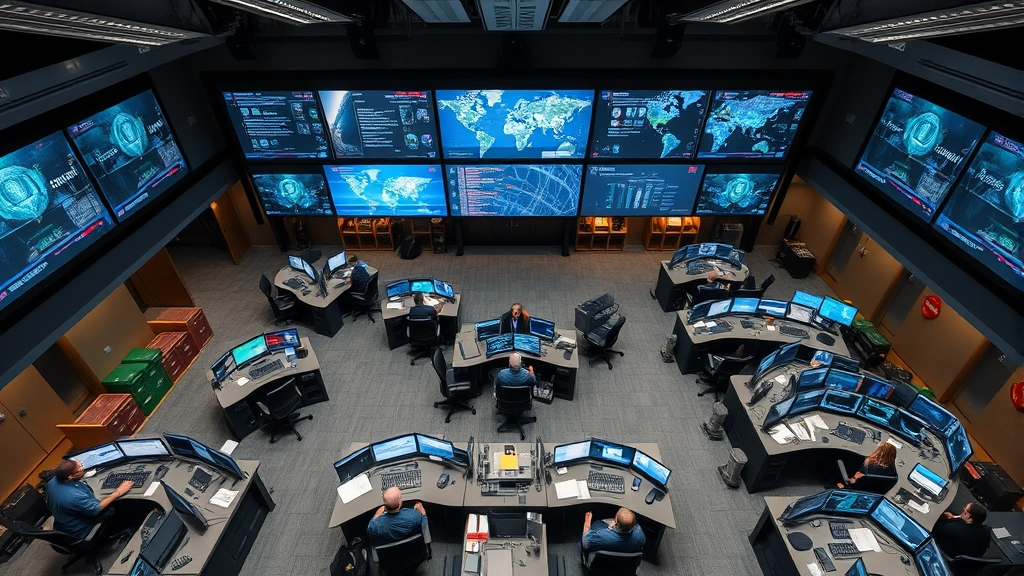
The Department of Homeland Security emerged from the ashes of September 11, 2001, as the largest federal government reorganization since the Department of Defense was created in 1947. Consolidating 22 agencies and approximately 180,000 employees, DHS was envisioned as a comprehensive solution to America’s security vulnerabilities. The department absorbed the Secret Service, Coast Guard, Immigration and Naturalization Service, and the newly created Transportation Security Administration—a sprawling bureaucracy designed to coordinate security efforts across multiple domains.
The early years were characterized by rapid expansion and reactive policy-making. The Cybersecurity and Infrastructure Security Agency (CISA), which would later become critical to national cyber defense, did not gain prominence until years later. Instead, DHS focused heavily on aviation security, border enforcement, and visible security measures. While these initiatives addressed legitimate concerns, they often lacked coordination with other intelligence agencies, leading to information silos that persisted for years.
Early DHS performance revealed organizational challenges that would haunt the agency for decades. The massive consolidation created turf wars between legacy agencies, redundant systems, and communication breakdowns. Critics noted that the department seemed better equipped to respond to hypothetical threats than to adapt rapidly when new dangers emerged. This structural inflexibility would become increasingly problematic as the threat landscape transformed.
Major Security Incidents and Response Failures
Despite DHS’s mandate and resources, several major security incidents since 2002 have raised serious questions about the agency’s effectiveness. While preventing catastrophic terrorist attacks represents a genuine achievement, the department has struggled to prevent smaller-scale incidents and has often failed to respond optimally when breaches occur.
The 2009 Fort Hood shooting, perpetrated by an individual with documented concerning communications, revealed gaps in information sharing between DHS components and the military. The 2016 Pulse nightclub shooting in Orlando demonstrated that despite two decades of counterterrorism focus, mass casualty attacks by radicalized individuals continued largely unimpeded. These incidents suggest that DHS’s security apparatus, while extensive, may be poorly calibrated to address contemporary threat vectors.
Hurricane Katrina in 2005 exposed critical failures in FEMA’s disaster response capabilities—a core DHS responsibility. The agency’s sluggish response and coordination failures resulted in thousands of deaths and humanitarian catastrophes that could have been mitigated through better preparedness and resource allocation. This disaster illustrated that DHS’s focus on terrorism prevention came at the expense of preparedness for other catastrophic scenarios.
More recently, the January 6, 2021 Capitol riot represented a stunning intelligence and security failure. Despite months of warning signs, social media chatter, and intelligence reports, DHS and other federal agencies failed to adequately prepare or communicate the severity of the threat. This incident, occurring 22 years after the department’s creation, demonstrated that fundamental vulnerabilities in threat assessment and inter-agency coordination persist at the highest levels.
Cybersecurity Vulnerabilities and DHS Response
Perhaps no domain better illustrates DHS’s evolving challenges than cybersecurity. As the threat landscape shifted from primarily physical attacks to sophisticated cyber operations, the department struggled to adapt its organizational structure and expertise. The 2020 SolarWinds supply chain attack, which compromised federal agencies including Treasury and Homeland Security itself, exposed critical vulnerabilities in the government’s cyber defenses.
CISA, operating within DHS, has become increasingly important as cyber threats have grown. However, the agency has faced persistent challenges: insufficient staffing of cybersecurity professionals, outdated legacy systems across federal agencies that resist modernization, and coordination difficulties with private sector partners who control much of America’s critical infrastructure. The NIST Cybersecurity Framework provides guidance, but implementation remains inconsistent across federal and private sectors.
The department’s cyber response capabilities have improved incrementally, but experts argue these improvements lag behind the sophistication and speed of modern threats. Nation-state actors, particularly Russia and China, have demonstrated capabilities that far exceed the defensive posture DHS can currently maintain. The 2021 Colonial Pipeline ransomware attack, though ultimately attributed to a criminal group, illustrated how vulnerable critical infrastructure remains despite DHS oversight responsibilities.
Budget constraints have hampered cyber defense efforts. While DHS cyber funding has increased, it remains insufficient relative to the scale and sophistication of threats. Many federal agencies operate with fragmented cyber defense strategies, creating vulnerabilities that sophisticated adversaries routinely exploit. The lack of mandatory security standards and enforcement mechanisms has allowed critical infrastructure operators to maintain substandard security practices.
Border Security and Immigration Enforcement
Border security represents one of DHS’s most visible and politically contentious responsibilities. The department has invested billions in physical barriers, surveillance technology, and personnel deployment along the southern border. Yet despite these substantial investments, unauthorized border crossings have fluctuated significantly, suggesting that technology and enforcement alone cannot address the complex factors driving migration.
The department’s immigration enforcement operations have generated significant controversy. Separating families at the border, detaining asylum seekers in inadequate conditions, and prioritizing enforcement over due process have raised humanitarian and legal concerns. From a security perspective, critics argue that these harsh measures have not demonstrably improved security outcomes while simultaneously straining relationships with neighboring countries and creating counterproductive backlash.
DHS’s border security strategy has also failed to adequately address the most significant drug trafficking routes, which often involve cooperation from corrupt officials or exploitation of legal ports of entry. The department’s focus on physical barriers and personnel has not proportionally addressed the sophisticated smuggling networks that move illicit substances across borders. This suggests a mismatch between resource allocation and actual threat mitigation.
Critical Infrastructure Protection Gaps
The protection of critical infrastructure—power grids, water systems, transportation networks, financial systems, and communications infrastructure—represents a core DHS responsibility. Yet significant vulnerabilities persist across these sectors, many of which have been documented by security researchers and government audits.
The department’s approach to critical infrastructure protection relies heavily on voluntary information sharing and industry self-regulation. This model has proven inadequate. Many private sector operators lack sufficient resources, expertise, or incentives to implement robust security measures. The CISA critical infrastructure program provides guidance and coordination, but lacks enforcement authority in most sectors.
Recent incidents have demonstrated the consequences of these gaps. The 2021 Oldsmar, Florida water treatment facility hack exposed how vulnerable essential services remain. An attacker gained remote access to critical systems, potentially able to contaminate the water supply for thousands of residents. This incident occurred despite years of DHS emphasis on critical infrastructure security, suggesting that awareness and recommendations alone are insufficient.
Electrical grid vulnerabilities represent another critical concern. The grid remains susceptible to coordinated cyberattacks that could cause widespread blackouts, threatening hospitals, emergency services, and essential infrastructure across large regions. DHS has invested in grid security initiatives, but the pace of modernization lags behind evolving threats. Aging infrastructure, limited funding for upgrades, and the complexity of coordinating security across multiple utility companies and regulatory agencies create persistent vulnerabilities.
Budget Allocation and Resource Management
DHS operates with an annual budget exceeding $50 billion, making it one of the largest federal agencies. Yet critics argue that budget allocation reflects political priorities more than threat-based analysis. The department’s budget has historically prioritized visible security measures—border barriers, airport screening, visible law enforcement presence—over investments in intelligence analysis, cyber defense, and critical infrastructure protection.
The allocation of resources across DHS components reveals concerning imbalances. While the Immigration and Customs Enforcement receives substantial funding, CISA’s cyber defense budget, though growing, remains relatively modest compared to the scope of cyber threats. This allocation pattern suggests that political considerations may override threat-based resource prioritization.
Additionally, DHS has struggled with financial management and oversight. Audits have documented wasteful spending, redundant systems, and poor cost controls. The department’s inability to effectively manage its massive budget undermines confidence that increased funding would translate to improved security outcomes. Better management of existing resources might yield greater security benefits than additional appropriations.
Organizational Structure and Coordination Issues
The fundamental challenge of DHS’s organizational structure persists: consolidating 22 agencies with distinct cultures, missions, and operational approaches creates inherent coordination difficulties. Two decades later, these agencies have not fully integrated into a cohesive organization. Information sharing remains inconsistent, jurisdictional disputes complicate responses to emerging threats, and legacy systems resist interoperability.
Coordination with other federal agencies adds another layer of complexity. The FBI, CIA, NSA, and military intelligence agencies all have overlapping responsibilities with DHS. The lack of clear delineation of authorities and mechanisms for seamless information sharing has resulted in gaps and redundancies. Intelligence that might prevent attacks sometimes fails to reach appropriate DHS components in actionable form.
State and local law enforcement coordination also remains problematic. DHS’s relationship with state and local agencies has been characterized by tension between federal priorities and local concerns. Limited information sharing, insufficient training and resources for local partners, and occasional federal overreach have complicated cooperative security efforts. This fragmentation undermines the comprehensive security posture that the post-9/11 framework intended to establish.
The department’s bureaucratic structure also creates resistance to innovation and adaptation. Career civil servants and entrenched interests within DHS components have sometimes opposed reforms and new approaches. This organizational inertia has slowed the department’s ability to respond to emerging threats and evolving technology landscapes.
Emerging Threats and Adaptive Challenges
The threat environment has transformed dramatically since 2002, and DHS’s ability to adapt has been questioned. Artificial intelligence, drone technology, advanced persistent threats, and hybrid warfare capabilities present challenges that the department was not designed to address. The rise of domestic extremism, including white supremacist and anti-government movements, has exposed gaps in DHS’s counterterrorism framework, which historically focused on foreign threats.
Supply chain vulnerabilities have emerged as a critical national security concern, as demonstrated by the SolarWinds incident and subsequent discoveries of compromised software and hardware. DHS has limited authority and mechanisms to secure global supply chains, yet these vulnerabilities pose existential risks to national infrastructure and security.
Disinformation and information warfare represent another emerging domain where DHS has struggled to develop effective responses. Russian interference in the 2016 election, ongoing Chinese information operations, and the proliferation of deepfakes and false information create security challenges that traditional counterterrorism approaches cannot address. The department’s role in combating information warfare remains ambiguous and underdeveloped.
Climate change presents increasingly urgent security challenges—mass migration, resource conflicts, and environmental disasters—that DHS is not structurally equipped to address. As climate-related crises intensify, the department’s current framework may prove inadequate for managing security implications of environmental degradation.
The emergence of hybrid threats combining cyber operations, disinformation, physical attacks, and economic coercion requires integrated responses that cut across traditional agency boundaries. DHS’s stovepiped organizational structure and compartmentalized approach to different threat types may be fundamentally misaligned with 21st-century security challenges.
Looking at how to evaluate information sources and expert perspectives becomes increasingly important when assessing government agency performance and security threats. Similarly, understanding diverse viewpoints on policy matters requires consulting comprehensive analysis from multiple sources.
The question of whether DHS is failing must be nuanced. The department has likely prevented some attacks and achieved tactical successes. However, strategic failures in resource allocation, organizational structure, and adaptive capacity suggest systemic problems requiring substantial reform. The agency appears simultaneously over-resourced in some areas (border enforcement, visible security) and under-resourced in critical domains (cyber defense, critical infrastructure protection, emerging threat analysis).
Reform recommendations from security experts include: restructuring DHS to better integrate cyber capabilities with traditional security functions; establishing clear, enforceable security standards for critical infrastructure; improving inter-agency coordination through dedicated fusion centers and information sharing protocols; investing more heavily in intelligence analysis and threat prediction; and developing adaptive organizational structures that can respond more rapidly to emerging threats.
The 22-year assessment suggests that while DHS has made genuine contributions to national security, the agency’s fundamental design limitations and the evolution of threats have created a widening gap between capabilities and requirements. Incremental improvements and budget increases alone are unlikely to close this gap. More fundamental restructuring and strategic reorientation may be necessary to align DHS with contemporary security challenges.
FAQ
What is the primary mission of the Department of Homeland Security?
DHS’s primary mission is to protect the United States from terrorist attacks, natural disasters, and other emergencies while managing immigration enforcement and border security. The department coordinates security efforts across multiple federal agencies and works with state, local, and private sector partners to enhance national security and resilience.
How many employees does DHS employ?
The Department of Homeland Security employs approximately 240,000 people across its various components, making it one of the largest federal agencies. This workforce includes personnel from legacy agencies consolidated during DHS’s creation, as well as newly hired staff for emerging security functions.
What is CISA and what does it do?
CISA, the Cybersecurity and Infrastructure Security Agency, operates within DHS and focuses on protecting critical infrastructure and federal systems from cyber threats. CISA provides guidance, coordinates incident response, shares threat intelligence, and works to improve cybersecurity practices across government and the private sector.
Has DHS successfully prevented terrorist attacks?
While DHS officials claim credit for preventing numerous attacks, the exact number and severity of prevented incidents remain classified. Security experts generally acknowledge that DHS has likely disrupted some attack plots, though the agency’s overall effectiveness in preventing terrorism remains contested. Some major attacks have occurred despite DHS’s security apparatus, suggesting limitations in threat prevention capabilities.
What are the main criticisms of DHS performance?
Major criticisms include: inadequate coordination between component agencies and other federal bodies; insufficient investment in cyber defense relative to threats; misallocation of resources toward visible security measures rather than intelligence analysis; organizational structure that resists innovation and adaptation; and failure to adequately address emerging threat categories like disinformation and climate-related security challenges.
How has DHS’s approach to cybersecurity evolved?
DHS has increasingly prioritized cybersecurity, establishing CISA and expanding cyber defense programs. However, experts argue this evolution has been slower than threat development. The agency has improved threat intelligence sharing, incident response coordination, and critical infrastructure guidance, but persistent challenges remain in enforcement authority, staffing expertise, and coordination with private sector partners.
What role does DHS play in border security?
DHS manages border security through multiple components including Customs and Border Protection, Immigration and Customs Enforcement, and Border Patrol. The agency deploys personnel, technology, and physical barriers along borders. However, the effectiveness of these measures in preventing unauthorized crossings or enhancing security remains debated, with critics noting that sophisticated smuggling networks continue operating despite substantial investments.
How does DHS coordinate with other federal agencies?
DHS coordinates with agencies including the FBI, CIA, NSA, and military intelligence services through various mechanisms including fusion centers, intelligence sharing protocols, and joint task forces. However, coordination remains inconsistent, with information silos, jurisdictional disputes, and unclear authority delineation continuing to complicate integrated security responses.


