
Protect Your Bank Account: 1st Secure’s Proven Methods for Financial Cybersecurity
Banking in the digital age presents unprecedented security challenges. Every day, cybercriminals target financial institutions and individual accounts with sophisticated tactics designed to steal credentials, intercept transactions, and compromise personal data. The stakes have never been higher—a single breach can result in identity theft, fraudulent charges, and years of financial recovery. Understanding how to protect your bank account requires more than basic password practices; it demands a comprehensive approach to cybersecurity that addresses emerging threats and evolving attack vectors.
1st Secure has established itself as a leader in banking protection by combining industry best practices with cutting-edge threat intelligence. Their proven methods go beyond conventional security advice to provide actionable strategies that financial institutions and individual account holders can implement immediately. This guide explores the comprehensive approach to 1st secure bank protection, examining authentication protocols, threat detection systems, and behavioral security measures that form the foundation of modern financial cybersecurity.
Multi-Factor Authentication: The Foundation of Bank Security
The cornerstone of modern banking protection is multi-factor authentication (MFA), a security measure that requires users to provide multiple verification forms before accessing accounts. Traditional single-password authentication has proven inadequate against contemporary threats. Cybercriminals employ credential stuffing, dictionary attacks, and phishing campaigns specifically designed to compromise usernames and passwords. MFA eliminates this vulnerability by requiring additional proof of identity.
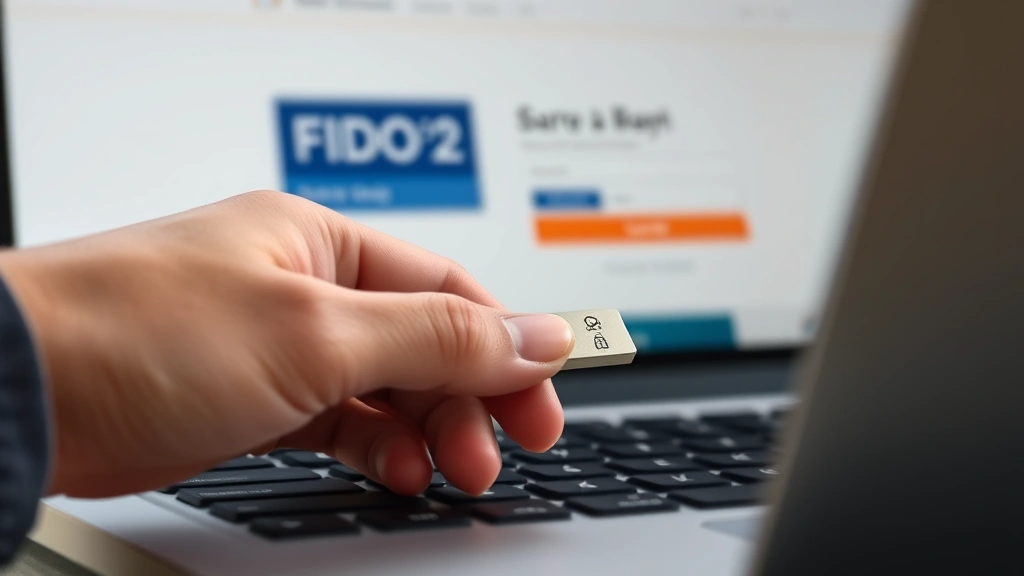
1st Secure recommends implementing MFA across all banking platforms through several authentication methods. Time-based one-time passwords (TOTP) generated by authenticator applications like Google Authenticator or Microsoft Authenticator provide cryptographic verification independent of internet connectivity. These tokens change every 30 seconds, making them resistant to interception or replay attacks. Hardware security keys, such as FIDO2-compliant devices, offer the highest security level by creating unforgeable cryptographic proof of identity that cannot be phished or intercepted remotely.
SMS-based MFA, while better than no additional authentication, has demonstrated vulnerabilities to SIM swapping attacks where criminals convince mobile carriers to transfer phone numbers to attacker-controlled devices. Push notification-based authentication, where users approve login attempts through mobile apps, provides a more secure alternative by requiring the user to actively authorize access rather than simply entering a code. Banks implementing comprehensive MFA strategies see dramatic reductions in unauthorized access incidents.
The implementation of MFA requires careful user experience design to balance security with accessibility. Complex authentication processes may discourage users from accessing accounts, potentially driving them toward less secure alternatives. 1st Secure’s approach emphasizes transparent authentication that protects accounts without creating friction that undermines adoption. Adaptive authentication systems can adjust security requirements based on risk assessment, requiring stronger verification for unusual login patterns while maintaining streamlined access for routine transactions from recognized devices and locations.
Advanced Threat Detection Systems
Behind every successful bank protection strategy lies sophisticated threat detection infrastructure that identifies suspicious activities in real-time. 1st Secure deploys machine learning algorithms trained on millions of legitimate transactions to recognize patterns that deviate from normal user behavior. These systems analyze transaction velocity (frequency and volume), geographic anomalies, and device fingerprints to identify potentially fraudulent activities before they result in financial loss.
Behavioral biometrics represent a breakthrough in threat detection by analyzing how users interact with banking systems rather than simply verifying who they claim to be. Keystroke dynamics, mouse movement patterns, and touch screen pressure variations create unique behavioral signatures difficult for attackers to replicate. When a user’s interaction patterns deviate significantly from their historical baseline, the system triggers enhanced verification or temporarily restricts access until the user completes additional authentication steps.
1st Secure integrates threat intelligence feeds from financial regulatory bodies, including CISA cybersecurity advisories, to maintain awareness of emerging attack patterns and known threat indicators. This intelligence enables proactive identification of compromised credentials circulating on the dark web before they’re used against customers. Real-time monitoring of network traffic identifies command-and-control communication attempts, malware beaconing, and data exfiltration patterns that indicate account compromise.
Transaction monitoring systems examine purchase patterns, recipient accounts, and transaction timing against historical profiles. Unusual transactions—such as wire transfers to new international accounts, large cryptocurrency purchases, or rapid fund movements between accounts—trigger automated reviews and customer notifications. This approach catches fraudulent activities within minutes of initiation rather than days after transactions complete, enabling rapid reversal and investigation.
End-to-End Encryption and Data Protection
Data protection throughout the financial ecosystem requires encryption at multiple layers. 1st Secure implements TLS 1.3 encryption for all communications between user devices and banking servers, ensuring that login credentials, transaction details, and personal information remain protected from network eavesdropping. However, encryption in transit alone proves insufficient; data must also be protected at rest through advanced encryption standards.
Tokenization represents a critical data protection strategy where sensitive information like account numbers and credit card details are replaced with non-sensitive tokens. When users initiate transactions, they interact with tokens rather than actual account information. Even if attackers compromise databases, they obtain tokens rather than credentials or account numbers. The actual sensitive data remains isolated in secure tokenization vaults accessible only through strict authentication protocols.
End-to-end encryption ensures that banking institutions themselves cannot access plaintext customer data. This architecture protects against insider threats and limits damage from database breaches. When data remains encrypted even within banking systems, attackers must compromise encryption keys in addition to accessing databases to obtain usable information. 1st Secure implements hardware security modules (HSMs) that store encryption keys in tamper-resistant hardware, ensuring keys cannot be extracted even by system administrators.
Database encryption combined with field-level encryption provides granular protection where highly sensitive information receives additional encryption layers beyond standard database encryption. Credit card numbers, social security numbers, and authentication credentials receive separate encryption with dedicated key management, ensuring that compromise of general database encryption keys doesn’t expose the most critical data. Regular encryption key rotation ensures that even if historical keys become compromised, they cannot decrypt current data.
Behavioral Analysis and Anomaly Detection
Modern cybersecurity recognizes that technical controls alone cannot prevent all unauthorized access. Behavioral analysis identifies compromised accounts even when attackers have obtained legitimate credentials through phishing or data breaches. 1st Secure’s systems establish behavioral baselines for each user, learning preferences regarding transaction timing, typical transaction sizes, preferred recipients, and geographic access patterns.
When activities deviate from established baselines, the system initiates investigation protocols. A user who typically makes transactions during business hours from their home office but suddenly attempts large transactions at 3 AM from an international location triggers immediate verification. Adaptive risk scoring calculates overall account risk by combining multiple data points: device recognition, geolocation consistency, transaction characteristics, and interaction patterns. High-risk activities may require step-up authentication or temporary account freezes pending user verification.
Velocity checks prevent account takeover by monitoring transaction frequency. If an account normally processes one transaction daily but suddenly attempts ten transactions in one hour, the system recognizes this deviation as potentially fraudulent. This approach catches compromised accounts where attackers attempt rapid fund transfers before account holders discover the breach.
Machine learning models continuously improve threat detection accuracy by analyzing confirmed fraud cases and legitimate high-risk transactions. The system learns to distinguish between genuine high-risk activities (such as a customer making a large purchase while traveling) and fraudulent activities. This continuous learning reduces false positives that frustrate legitimate users while improving true positive detection rates.
User Education and Security Awareness
Technical security measures provide necessary but insufficient protection without informed users who understand threats and practice secure behaviors. 1st Secure emphasizes comprehensive security awareness training covering phishing recognition, social engineering tactics, and secure device practices. Users who understand that banks never request passwords via email or text message prove far more resistant to credential compromise.
Phishing remains the primary attack vector for obtaining banking credentials. Sophisticated phishing emails replicate legitimate bank communications with pixel-perfect accuracy, including logos, formatting, and authentic-sounding language. Security awareness training teaches users to verify sender email addresses, recognize suspicious links, and understand that legitimate banks never request sensitive information via unsolicited communications. Organizations should encourage users to access banking services through bookmarked URLs or official mobile applications rather than clicking email links.
Device security education addresses malware threats, keylogger installation, and mobile security practices. Users who understand the importance of keeping operating systems and applications updated, installing security software, and avoiding public WiFi for sensitive transactions significantly reduce their compromise risk. NIST cybersecurity guidelines emphasize that security awareness represents a critical control that complements technical protections.
Regular simulated phishing campaigns test user awareness and identify employees requiring additional training. Organizations using these programs report significant improvements in user ability to identify threats. When users receive feedback about their performance on simulated phishing emails, they become more vigilant about actual threats. This combination of education, testing, and reinforcement creates a security-conscious culture where users actively participate in threat prevention.
End-to-End Encryption and Data Protection
Comprehensive banking protection extends beyond transaction security to encompass all customer data. 1st Secure implements encryption standards that exceed regulatory requirements, recognizing that cybercriminals specifically target financial institutions for the value of customer data they contain. This commitment to data protection requires investment in infrastructure, key management systems, and continuous security assessment.
Backup and disaster recovery systems must maintain encryption even during data restoration processes. If backups contain plaintext data, they become attractive targets for attackers. 1st Secure ensures that backup systems employ the same encryption standards as production systems, with separate key management to prevent single points of failure. Regular restoration testing verifies that recovery procedures maintain data integrity and encryption effectiveness.
Data minimization principles ensure that banking systems collect only essential customer information, reducing the volume of sensitive data requiring protection. If data isn’t collected, it cannot be compromised. 1st Secure works with financial institutions to identify unnecessary data collection, implementing systems that retain information only as long as required by regulatory compliance or legitimate business purposes.
Behavioral Analysis and Anomaly Detection
The sophistication of modern fraud demands equally sophisticated detection mechanisms. 1st Secure’s behavioral analysis systems examine patterns across thousands of data points to identify accounts that have been compromised or are targeted for fraud. These systems recognize that fraudsters operate differently from legitimate account holders, exhibiting patterns that machine learning models can reliably distinguish from normal behavior.
Real-time alerting ensures that suspicious activities trigger immediate investigation rather than delayed batch processing. When the system identifies high-risk activities, customers receive notifications requesting verification. This immediate notification serves multiple purposes: it alerts legitimate account holders to potential compromise, it deters fraudsters who realize their activities are being monitored, and it provides customers the opportunity to immediately dispute fraudulent transactions.
Collaborative threat intelligence sharing between financial institutions improves detection accuracy across the entire banking ecosystem. When one bank identifies a new fraud pattern, sharing that intelligence enables other institutions to detect similar activities. 1st Secure participates in information sharing initiatives that enhance the collective defense against financial fraud.
Incident Response and Recovery Protocols
Despite comprehensive preventive measures, some accounts will be compromised. Effective incident response procedures minimize damage and enable rapid recovery. 1st Secure maintains detailed incident response playbooks that specify actions for various compromise scenarios. When fraud is detected, rapid response teams coordinate account freezing, transaction reversal, customer notification, and evidence preservation.
Account takeover incidents require immediate password reset procedures that account holders cannot bypass through social engineering. 1st Secure implements account recovery processes that verify customer identity through multiple channels before granting access, preventing attackers from maintaining access through password reset functionality. Recovery procedures also reset authentication devices, forcing attackers to re-authenticate rather than maintaining persistent access through compromised credentials.
Forensic analysis of compromised accounts identifies attack vectors, enabling remediation of vulnerabilities that enabled the compromise. If analysis reveals that phishing emails successfully compromised a customer, additional security awareness training can prevent future similar incidents. If malware on a customer’s device facilitated account access, recommendations for device security improvements protect against recurrence.
Customer communication following account compromise requires transparency about what occurred, what information may have been exposed, and what steps customers should take. FTC safeguards regulations mandate notification of customers when their information is compromised. Effective notification explains risks in clear language and provides concrete steps for account protection.
Transaction reversal and fraud reimbursement procedures ensure customers don’t bear financial losses from fraudulent activities. 1st Secure works with financial institutions to establish clear policies regarding fraud liability, ensuring customers understand their protection. Federal regulations limit customer liability for unauthorized transactions, but clear communication about these protections reduces customer anxiety following compromise.
Post-incident analysis examines what enabled the compromise and what detection gaps allowed fraudulent activity to proceed. This analysis informs improvements to detection systems, authentication procedures, and security controls. Each incident, while damaging, provides valuable insights that strengthen defenses against future similar attacks.
FAQ
What makes 1st Secure’s banking protection different from standard security practices?
1st Secure combines behavioral analysis, advanced threat detection, and multi-layered encryption with comprehensive user education and rapid incident response. Rather than relying solely on passwords or even traditional multi-factor authentication, 1st Secure implements adaptive security that continuously learns user patterns and identifies deviations indicating compromise. This approach catches fraud faster and prevents more attacks than conventional methods.
How does multi-factor authentication protect against phishing attacks?
Even if attackers obtain credentials through phishing, they cannot access accounts without the second authentication factor. Hardware security keys prove particularly effective because they cannot be phished—the key physically verifies the legitimate banking website before authorizing access, preventing attackers from tricking users into authenticating to fraudulent sites. Time-based authentication codes cannot be intercepted because they change constantly and are valid only briefly.
Can behavioral analysis cause false positives that block legitimate transactions?
Yes, but 1st Secure’s system is specifically designed to minimize false positives through adaptive risk scoring that considers context. A customer traveling internationally might legitimately need to access accounts from unfamiliar locations, and the system recognizes this if travel patterns are established in advance. When the system does flag transactions as high-risk, it typically requires step-up authentication rather than outright blocking, enabling legitimate users to verify their identity and proceed with transactions.
What should customers do if they suspect their bank account has been compromised?
Immediately contact your financial institution through official channels—never use contact information from suspicious communications. Request that your account be frozen pending investigation. Change your password from a secure device, preferably not the device you suspect was compromised. Enable additional security features like transaction alerts. Monitor your account closely for unauthorized activity. Consider placing a credit freeze to prevent new account opening fraud.
How frequently should banking security measures be updated?
Banking security requires continuous updates as threats evolve. 1st Secure updates threat detection algorithms daily based on new fraud patterns. Authentication systems should be reviewed quarterly to incorporate emerging best practices. Security awareness training should occur at least annually, with additional training when new threats emerge. Technical security controls should receive penetration testing and vulnerability assessment at least annually, with continuous monitoring for emerging vulnerabilities.
Are there regulatory standards that banking security must meet?
Yes, multiple regulatory frameworks govern banking security. Federal banking regulators require institutions to implement security controls commensurate with the risks they face. The Gramm-Leach-Bliley Act mandates that financial institutions implement administrative, technical, and physical safeguards to protect customer information. PCI DSS standards govern payment card security. HIPAA applies to health-related financial information. 1st Secure’s methods exceed these minimum requirements to provide superior protection.


