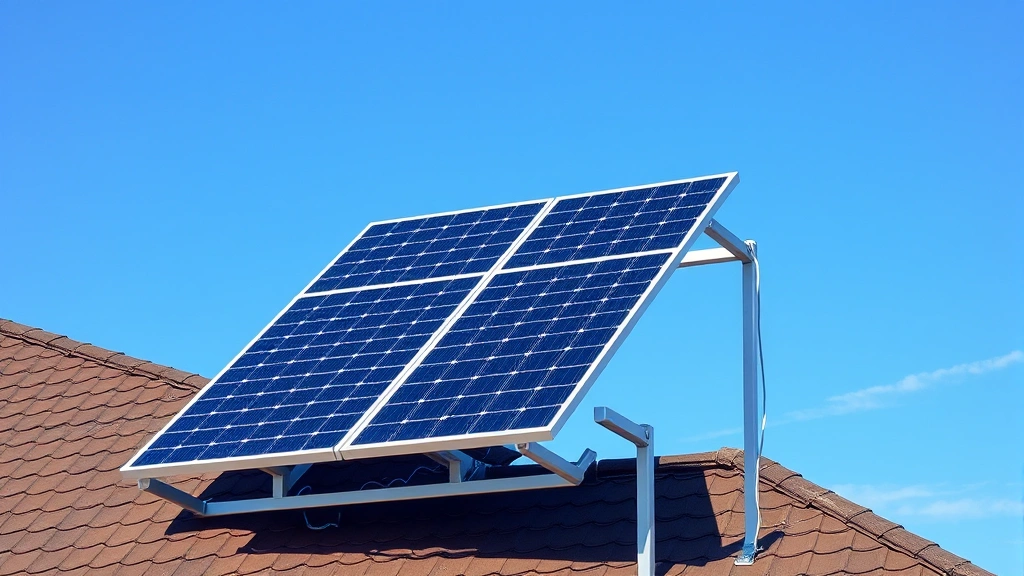
Prevent Overcharge: Solar Charger Safety Tips for 12V Battery Systems
Solar battery charging systems have revolutionized how we power devices in remote locations and off-grid environments. However, the convenience of renewable energy comes with critical safety considerations that often go overlooked. A 12V solar battery charger with overcharge protection represents the gold standard for safe, reliable power management in solar applications. Understanding how these systems work and implementing proper safety protocols can mean the difference between a well-maintained battery bank and a catastrophic failure.
Battery overcharging represents one of the most significant threats to solar charging systems. When batteries receive excessive voltage beyond their rated capacity, internal chemical reactions accelerate dangerously, generating heat and potentially leading to battery failure, explosion, or fire. This comprehensive guide explores essential safety practices for 12V solar battery chargers, the critical role of overcharge protection mechanisms, and how to establish a secure charging infrastructure that protects both your equipment and your safety.
Understanding 12V Solar Battery Charger Overcharge Protection
A 12V solar battery charger with overcharge protection functions as a critical safeguard in any solar power system. Overcharging occurs when a battery receives more electrical energy than it can safely store, causing voltage levels to exceed manufacturer specifications. This dangerous condition triggers irreversible chemical reactions within battery cells, particularly in lithium-ion and lead-acid batteries commonly used in solar applications.
The importance of overcharge protection cannot be overstated. Batteries without adequate protection mechanisms experience accelerated degradation, reduced lifespan, and increased risk of thermal runaway—a chain reaction where internal heat generation causes uncontrollable temperature increases. Lead-acid batteries may release hydrogen gas, creating explosion hazards, while lithium-ion batteries can experience catastrophic failure modes including fires that are extremely difficult to extinguish.
Modern solar charging systems incorporate multiple layers of protection. The primary mechanism involves charge controllers that monitor voltage levels in real-time and automatically reduce charging current as batteries approach full capacity. Advanced systems employ multi-stage charging profiles that optimize energy transfer while preventing dangerous voltage spikes. Understanding these protection systems helps users make informed decisions about equipment selection and installation practices.
Temperature monitoring represents another crucial aspect of overcharge prevention. Battery charging efficiency varies significantly with ambient temperature, and protection systems must account for these fluctuations. Cold temperatures reduce battery charging capacity, while excessive heat accelerates chemical degradation. Sophisticated 12V solar battery chargers with overcharge protection include temperature sensors that dynamically adjust charging parameters to maintain safe operating conditions across varying environmental conditions.
How Overcharge Protection Mechanisms Work
Overcharge protection operates through several interconnected systems working in concert. The charge controller represents the primary component, continuously monitoring battery voltage through dedicated sensing circuits. When voltage approaches the maximum safe level—typically 14.4 to 14.7 volts for 12V lead-acid batteries—the controller automatically reduces charging current. This tapering effect prevents dangerous voltage accumulation while allowing batteries to reach full capacity safely.
Advanced 12V solar battery chargers employ PWM (Pulse Width Modulation) technology to regulate charging current with precision. PWM controllers rapidly switch charging circuits on and off, adjusting the duty cycle to maintain optimal voltage levels. This technique provides remarkable efficiency while generating minimal heat, making it ideal for extended solar charging operations. MPPT (Maximum Power Point Tracking) controllers represent an even more sophisticated approach, constantly adjusting solar panel voltage to extract maximum available power while respecting battery voltage limits.
Multi-stage charging algorithms divide the charging process into distinct phases. The bulk charging stage delivers maximum current at lower voltages, rapidly restoring depleted battery capacity. As voltage rises, the system transitions to absorption charging, maintaining constant voltage while gradually reducing current. The final float charging stage supplies only minimal current to compensate for self-discharge, maintaining full capacity without risking overcharge damage. This sophisticated approach maximizes charging efficiency while providing absolute protection against overvoltage conditions.
Temperature compensation represents a critical but often underappreciated protection mechanism. Battery charging voltage must decrease in cold environments and increase in hot conditions to prevent overcharging. A quality 12V solar battery charger with overcharge protection includes thermistor sensors that measure battery temperature and automatically adjust voltage setpoints accordingly. This adaptive approach maintains safe charging across temperature ranges from below freezing to extreme heat, preventing damage that would otherwise occur in variable climates.
Overvoltage crowbar circuits provide emergency protection against controller failure. These semiconductor devices bypass excess current directly to ground if voltage exceeds critical thresholds, preventing dangerous voltage spikes from reaching batteries. While crowbar circuits represent a last-resort protection mechanism, their presence in quality solar chargers demonstrates comprehensive safety engineering.
Selecting the Right Solar Charger with Built-In Safety Features
Choosing an appropriate 12V solar battery charger requires careful evaluation of multiple safety specifications. Begin by verifying that the charger includes certified overcharge protection mechanisms. Look for products that comply with international safety standards including UL (Underwriters Laboratories), CE (Conformité Européenne), and FCC certifications. These designations indicate independent testing and verification of safety claims.
Examine the charger’s voltage regulation specifications carefully. Quality controllers maintain voltage within ±0.5% of setpoint, preventing dangerous fluctuations. Review the maximum charging current rating to ensure it matches your battery bank capacity. A general rule suggests charging current should not exceed 10-20% of battery capacity in amp-hours; a 100Ah battery should charge at no more than 10-20 amps. Exceeding these rates generates excessive heat and accelerates battery degradation.
Temperature compensation capabilities distinguish premium chargers from basic models. Verify that your selected charger includes temperature sensors and adjusts voltage setpoints accordingly. The compensation rate should typically decrease voltage by 3-4 millivolts per degree Celsius above 25°C, and increase by similar amounts in cold environments. This sophisticated feature prevents overcharging in temperature extremes where basic controllers would fail.
Input protection features deserve careful attention. Your 12V solar battery charger with overcharge protection should include reverse polarity protection preventing damage if solar panels are accidentally connected with incorrect polarity. Fuses or circuit breakers rated for the system current protect against short-circuit damage. Look for models with diodes preventing backflow of current from batteries to solar panels during darkness, maximizing system efficiency.
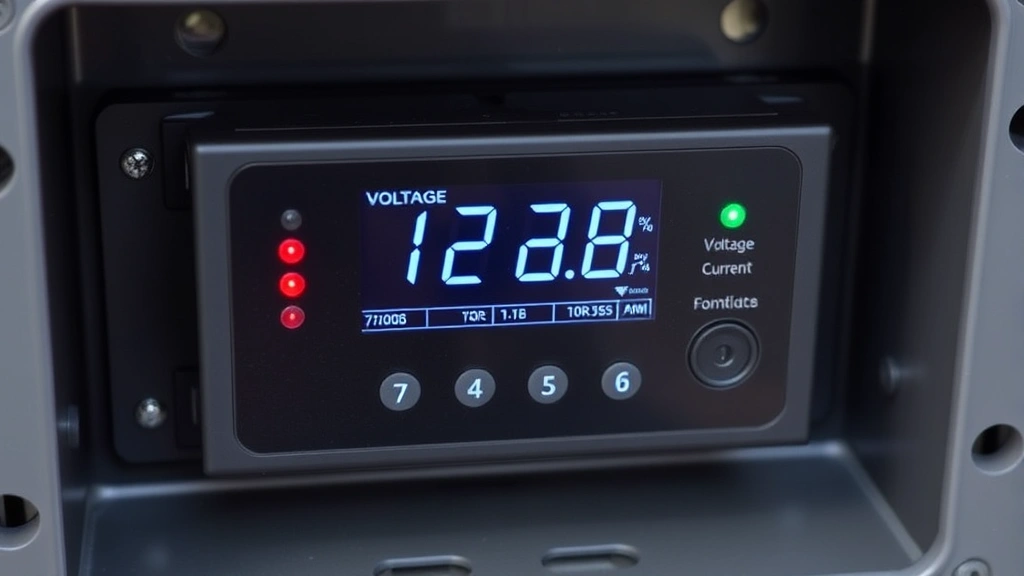
Display capabilities provide valuable operational insight. Digital displays showing real-time voltage, current, and temperature readings allow users to verify normal operation and detect anomalies early. Some advanced models offer data logging capabilities, recording charging history for maintenance optimization. While not strictly safety features, these monitoring capabilities enable proactive maintenance preventing overcharge situations.
Installation Best Practices for Safe Solar Charging Systems
Proper installation represents the foundation of safe solar charging operations. Begin by positioning your 12V solar battery charger with overcharge protection in a location protected from extreme temperatures, moisture, and direct sunlight. Excessive heat reduces component lifespan and compromises protection circuit performance, while moisture creates corrosion and electrical hazards. Install the controller in a well-ventilated enclosure allowing heat dissipation without exposing internal components to environmental contamination.
Wiring practices dramatically impact safety outcomes. Use appropriately sized conductors throughout the system; undersized wires generate excessive heat and voltage drops that compromise charger function. A quality installation uses wires large enough to keep voltage drop below 3% between solar panels and charger, and below 2% between charger and batteries. Calculate wire gauge requirements based on system amperage and conductor length using established electrical standards.
Install overcurrent protection devices between solar panels and the charger, and between the charger and battery bank. Fuses or circuit breakers should be rated for 125% of maximum system current, providing protection against short circuits while avoiding nuisance trips during normal operation. These devices must be mounted as close as practical to power sources, minimizing unprotected conductor lengths.
Disconnect switches provide essential safety and maintenance capabilities. Install a DC disconnect switch between solar panels and the charger, allowing safe isolation for maintenance or emergency situations. A second disconnect between the charger and battery bank enables safe system shutdown. These switches should be rated for the full system current and clearly labeled to prevent accidental operation by unauthorized personnel.
Grounding represents a critical but frequently overlooked installation requirement. Establish a proper ground connection from the negative terminal of your battery bank to a ground rod or building ground system. This low-resistance path provides safe discharge for static electricity and fault currents, preventing dangerous voltage buildup. In many jurisdictions, proper grounding is mandated by electrical codes and insurance requirements.
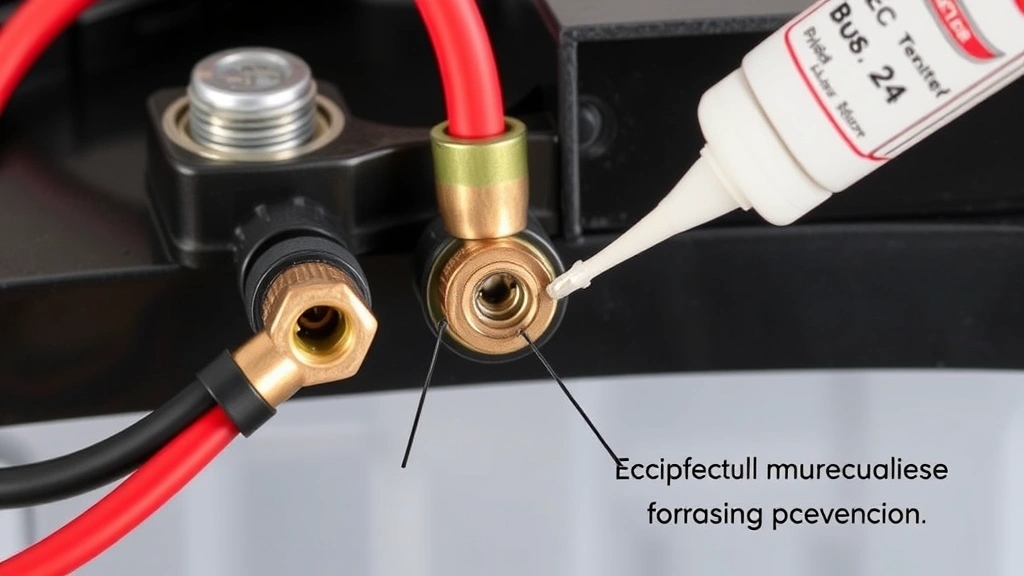
Cable connections demand meticulous attention. All connections should be clean, tight, and protected from corrosion. Use tinned copper conductors rated for outdoor environments, and apply dielectric grease to exposed connections preventing moisture intrusion. Crimped or soldered connections must be properly sized for conductor gauge and rated for the full system current. Loose or corroded connections generate heat and voltage drops that compromise charger function and create fire hazards.
Monitoring and Maintenance for Long-Term Battery Health
Regular monitoring ensures your 12V solar battery charger with overcharge protection continues functioning optimally. Establish a daily inspection routine checking for visual abnormalities including swelling, corrosion, or heat generation. Listen for unusual sounds indicating internal battery problems. Record voltage and current readings from your charger display, comparing them to historical baselines to identify gradual degradation.
Weekly maintenance activities maintain system integrity. Verify that all connections remain tight, applying dielectric grease to any corroded terminals. Check that the charger display shows normal operation with appropriate voltage setpoints for current battery state. Ensure cooling vents remain unobstructed, allowing proper heat dissipation. Inspect solar panels for dirt or debris reducing charging efficiency and potentially causing hot spots.
Monthly comprehensive testing validates protection system function. Measure battery voltage with a calibrated multimeter, comparing readings to charger display values. Voltage discrepancies exceeding 0.5V suggest potential problems requiring investigation. Test disconnect switch operation to confirm switches operate smoothly and make complete contact. Verify that the charger responds appropriately to varying sunlight conditions, increasing charging current during peak hours and reducing it as sun angle decreases.
Seasonal battery equalization procedures maintain lead-acid battery health. During warmer months when battery temperature is stable, increase charging voltage slightly above normal float setpoints for several hours, allowing all cells to reach equal charge states. This process prevents stratification where denser sulfate solution accumulates at the bottom of cells, reducing overall capacity. Your charger’s equalization mode, if available, automates this critical maintenance function.
Temperature monitoring assumes critical importance as seasons change. Cold winter conditions reduce charging efficiency and battery capacity, requiring charger voltage adjustment to prevent undercharging. Summer heat accelerates self-discharge and internal chemical reactions, demanding reduced voltage setpoints to prevent overcharging. A quality 12V solar battery charger with overcharge protection automates these adjustments through temperature compensation, but manual verification ensures proper operation.
Common Safety Mistakes to Avoid
Many solar charging system failures result from preventable mistakes made during installation or operation. Undersized wiring represents perhaps the most common error, creating excessive voltage drops that compromise charger function and generate fire hazards. Calculate wire sizes using proper electrical standards accounting for conductor length and system amperage, never guessing or using undersized conductors to reduce costs.
Installing solar chargers without adequate disconnect switches creates maintenance hazards and complicates emergency response. Always include DC disconnect switches between solar panels and charger, and between charger and battery bank. These simple devices enable safe system shutdown and prevent dangerous voltage exposure during maintenance or emergencies.
Neglecting grounding requirements eliminates critical protection against lightning strikes and fault currents. Many solar systems operate without proper ground connections, creating hazardous conditions where static electricity or fault currents accumulate to dangerous levels. Establish proper grounding to building earth systems or dedicated ground rods, following electrical code requirements for your jurisdiction.
Choosing chargers without temperature compensation represents a costly mistake in variable climates. Basic chargers maintain fixed voltage setpoints regardless of battery temperature, causing overcharging in hot conditions and undercharging in cold weather. Invest in a 12V solar battery charger with overcharge protection that includes automatic temperature compensation, protecting battery investment across seasonal temperature variations.
Operating batteries at excessive charging rates generates heat and accelerates degradation. Resist the temptation to use oversized solar panels or chargers expecting faster charging; this approach damages batteries and creates safety hazards. Maintain charging current between 10-20% of battery capacity, respecting manufacturer specifications and allowing heat dissipation.
Ignoring corrosion and connection deterioration allows resistance to build up at connection points, generating heat and compromising charger function. Inspect connections monthly, cleaning corrosion and applying dielectric grease to prevent moisture intrusion. Replace any damaged terminals or connectors immediately, never attempting to patch deteriorated connections.
Emergency Response Procedures
Despite comprehensive safety measures, emergency situations occasionally occur requiring immediate response. Recognize battery thermal runaway symptoms including rapid temperature increases, unusual odors, bulging battery cases, or visible smoke. If thermal runaway is suspected, immediately disconnect the solar charger and battery bank using DC disconnect switches. Do not attempt to extinguish lithium-ion battery fires with water; these fires require specialized firefighting techniques and professional response.
For lead-acid battery emergency situations, establish safe distance and ventilation. Lead-acid batteries releasing hydrogen gas create explosion hazards requiring immediate evacuation of the area. Do not use open flames or create sparks near batteries releasing hydrogen, as the gas ignites explosively. Contact emergency services and allow professionals to handle the situation safely.
If a charger malfunctions causing overvoltage conditions, immediately disconnect solar panels using the DC disconnect switch between panels and charger. This action stops current flow and prevents further voltage accumulation. Contact the charger manufacturer to report the failure and request warranty replacement or repair. Do not attempt field repairs on malfunctioning chargers; improper repairs can introduce additional hazards.
Document all emergency situations thoroughly for insurance purposes and to identify systemic problems. Record what occurred, environmental conditions, equipment involved, and any injuries or property damage. This information helps insurance adjusters process claims efficiently and provides valuable data for improving system design and operation procedures.
Establish clear communication protocols for your organization or household regarding emergency procedures. Ensure all personnel understand the location of DC disconnect switches, emergency shutdown procedures, and when to contact professional help. Regular safety drills ensure everyone responds appropriately when emergencies occur, minimizing injury risk and property damage.
FAQ
What voltage should my 12V solar battery charger maintain?
A properly functioning 12V solar battery charger with overcharge protection should maintain battery voltage between 13.2 and 14.4 volts during bulk and absorption charging stages, then reduce to 13.2-13.5 volts during float charging. Exact values depend on battery type and temperature; lead-acid batteries typically use 14.4V float voltage while lithium-ion systems may use different setpoints. Consult your battery manufacturer’s specifications for precise voltage requirements.
How often should I test my overcharge protection system?
Test your charger’s protection function monthly by verifying voltage readings match display values, checking disconnect switch operation, and confirming appropriate current response to varying light conditions. More comprehensive testing should occur quarterly or after any system modifications. Annual professional inspection by qualified technicians ensures all protection mechanisms function properly.
Can I use a solar charger without overcharge protection?
Operating a battery system without overcharge protection is extremely dangerous and not recommended under any circumstances. Batteries without protection will overcharge, leading to thermal runaway, explosion, fire, or catastrophic failure. Always use a 12V solar battery charger with overcharge protection featuring certified safety mechanisms and proper voltage regulation.
What causes charger failure and how do I recognize it?
Charger failures typically result from component degradation, moisture damage, or electrical faults. Warning signs include display malfunction, inability to charge batteries despite adequate sunlight, voltage readings that don’t adjust with temperature changes, or unusual heat generation. If you suspect charger failure, disconnect the system immediately and contact the manufacturer or a qualified technician for diagnosis and repair.
How does temperature affect my solar charging system?
Temperature dramatically impacts charging efficiency and safety. Cold temperatures reduce battery capacity and require increased voltage to achieve full charge, while excessive heat accelerates self-discharge and internal chemical reactions. A quality charger with temperature compensation automatically adjusts voltage setpoints to maintain safe charging across temperature ranges. Without compensation, cold weather causes undercharging while hot weather causes dangerous overcharging.


