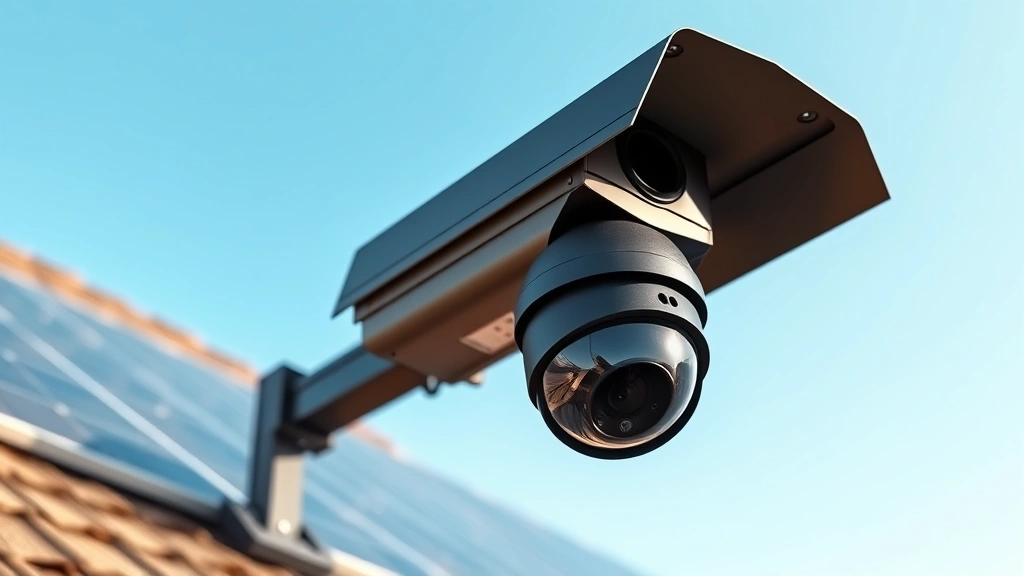
Solar Security Cameras: Expert Reviews & Top Picks for Maximum Protection
Solar-powered security cameras represent a paradigm shift in residential and commercial surveillance technology, combining renewable energy independence with advanced threat detection capabilities. As cybersecurity threats evolve and physical security becomes increasingly critical, understanding the intersection of camera technology and data protection is essential for any property owner. These devices eliminate traditional power infrastructure vulnerabilities while maintaining the surveillance integrity necessary for comprehensive security operations.
The integration of solar technology into security camera systems addresses multiple security concerns simultaneously: reducing dependency on vulnerable power grids, minimizing physical infrastructure that could be targeted by adversaries, and providing continuous monitoring even during power outages. However, selecting the best solar powered security camera requires careful evaluation of technical specifications, encryption standards, cloud security protocols, and threat resilience features that extend far beyond basic video recording capabilities.
Understanding Solar Camera Security Architecture
Solar security cameras function as distributed surveillance nodes that collect, process, and transmit sensitive video data across networks. The security implications extend beyond simple video capture to encompass data encryption, authentication protocols, and vulnerability management. Modern solar cameras integrate multiple security layers: local processing capabilities that reduce cloud dependency, encrypted storage mechanisms, and authentication systems that prevent unauthorized access.
The fundamental security advantage of solar cameras lies in their autonomy from traditional power infrastructure. This independence eliminates an entire attack surface associated with wired systems, where adversaries could sever connections or manipulate power supply to disable surveillance. Battery-backed solar systems maintain operational continuity through extended outages, ensuring that security monitoring persists during precisely those moments when physical threats are most likely to exploit infrastructure failures.
When evaluating solar camera systems, cybersecurity professionals must assess several critical dimensions: encryption standards employed for data transmission, authentication mechanisms protecting camera access, firmware update procedures that address emerging vulnerabilities, and data retention policies that govern recorded footage. The integration of artificial intelligence and machine learning for threat detection introduces additional security considerations, as these systems process sensitive behavioral data that requires protection against unauthorized analysis or data exfiltration.
According to CISA guidance on IoT device security, networked camera systems must implement strong authentication, maintain current firmware versions, and employ encrypted communications protocols. Solar cameras that connect to cloud platforms require particular scrutiny regarding data handling practices and compliance with security frameworks.
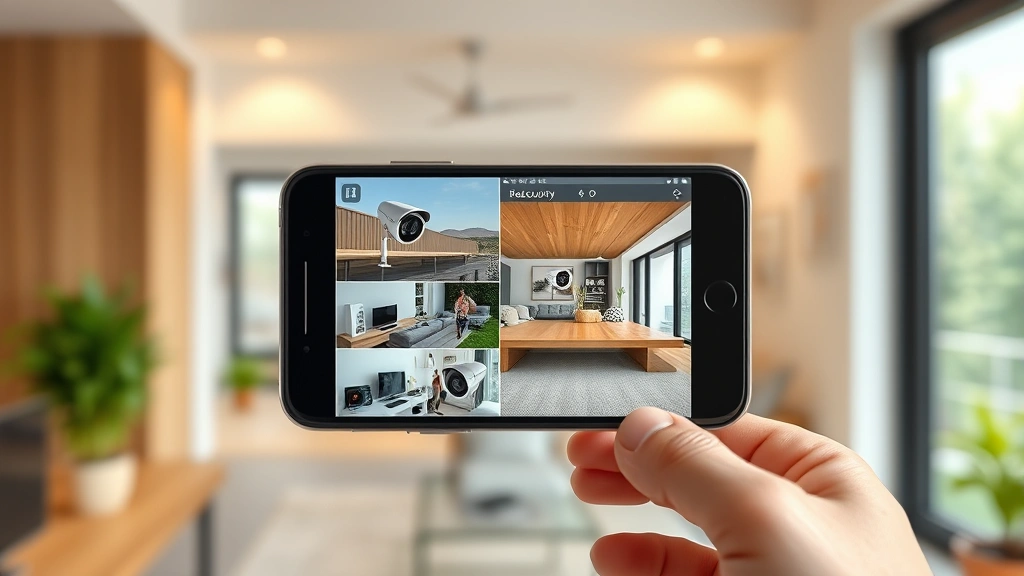
Top Solar Security Camera Models: Detailed Analysis
The market offers several exceptional solar-powered security cameras that combine renewable energy efficiency with robust security architectures. Selection requires comparing technical specifications against your specific threat model and environmental conditions.
Premium Performance Category
High-end solar cameras deliver 4K resolution, advanced motion detection, and sophisticated threat analysis capabilities. These systems typically feature local processing that analyzes video feeds on-device, reducing reliance on cloud services and minimizing data transmission that could expose sensitive information. Premium models include redundant storage mechanisms, allowing footage retention on both local SD cards and encrypted cloud platforms. The dual-storage approach ensures that even if cloud services are compromised, local backups preserve critical evidence.
Leading premium models incorporate thermal imaging alongside visible light detection, enabling threat identification in complete darkness without requiring infrared illumination that could alert potential adversaries. Advanced models process video feeds using edge computing algorithms that identify specific threat patterns—unauthorized entry attempts, loitering behavior, vehicle intrusions—before transmitting alerts to property owners.
Mid-Range Reliability Options
Mid-tier solar cameras balance comprehensive functionality with practical cost considerations. These systems typically offer 2K resolution, intelligent motion detection, and adequate battery capacity for extended cloudy periods. Many mid-range options provide local storage via SD cards while maintaining cloud backup capabilities, creating redundant data preservation systems.
The security advantage of mid-range solar cameras lies in their simplified attack surface compared to complex premium systems. Fewer integrated features mean fewer potential vulnerabilities, though they still maintain essential security functions including encrypted data transmission, password-protected access controls, and regular firmware updates addressing identified threats.
Budget-Conscious Solutions
Entry-level solar cameras provide fundamental surveillance capabilities with minimal complexity. While offering reduced feature sets compared to premium alternatives, basic solar cameras still incorporate essential security elements: encrypted network communications, standard authentication protocols, and local storage options. Budget models work effectively for straightforward surveillance applications where advanced threat detection isn’t required.
Critical Security Features to Evaluate
Selecting the best solar powered security camera demands rigorous evaluation of security-specific features that extend beyond marketing claims and specification sheets.
Encryption and Data Protection Standards
Military-grade AES-256 encryption should be the minimum standard for video data transmission and storage. Cameras transmitting unencrypted feeds over networks expose surveillance data to interception, allowing adversaries to monitor your security monitoring systems. Evaluate whether encryption is applied to footage at rest (stored locally or in cloud) and in transit (during transmission across networks).
Cloud storage services require particular scrutiny regarding encryption key management. Determine whether the manufacturer controls encryption keys or whether users maintain independent key custody. Third-party key management provides superior security posture, as it prevents even the manufacturer from accessing stored footage without user authorization.
Authentication and Access Control
Multi-factor authentication (MFA) should protect all camera access points. Systems requiring only passwords remain vulnerable to credential compromise through phishing, brute force attacks, or data breaches affecting the manufacturer’s systems. MFA combining password authentication with time-based codes or biometric verification significantly hardens access controls.
Role-based access control allows property owners to grant limited permissions to multiple users. This architecture prevents single-point-of-failure scenarios where compromised credentials expose complete system access. Advanced implementations support temporary access tokens with automatic expiration, minimizing exposure windows if credentials are stolen.
Firmware Security and Update Mechanisms
Regular firmware updates address newly discovered vulnerabilities and enhance security capabilities. Evaluate the manufacturer’s update frequency, security advisory practices, and ability to deploy patches remotely. Cameras requiring manual firmware updates create operational risks, as many users delay or neglect this critical maintenance task.
Secure boot mechanisms verify firmware authenticity before execution, preventing adversaries from installing malicious code disguised as legitimate updates. This protection ensures that even if an attacker gains temporary access to camera systems, they cannot persist through firmware modifications.
Network Security Architecture
Cameras should support modern network security protocols including WPA3 encryption for wireless connectivity. Older wireless standards (WPA2, WEP) contain known vulnerabilities that sophisticated attackers can exploit to gain network access. Evaluate whether cameras support network segmentation, allowing them to operate on isolated networks separate from personal computing devices and sensitive systems.
Some advanced solar cameras include built-in VPN capabilities, encrypting all traffic between the camera and cloud services through encrypted tunnels that prevent network-level eavesdropping. This additional layer protects against threats targeting your internet connection or local network infrastructure.
Installation Best Practices and Threat Mitigation
Proper installation significantly impacts both security effectiveness and system reliability. Strategic placement, network configuration, and maintenance procedures create comprehensive threat mitigation strategies.
Physical Placement Strategy
Position cameras to maximize coverage of vulnerable entry points while minimizing exposure to physical tampering. Elevated placement above 8-10 feet prevents casual interference while maintaining adequate optical angles for threat identification. Ensure solar panels receive 4-6 hours of direct daily sunlight to maintain battery charge cycles supporting continuous operation.
Avoid placing cameras where they focus on neighbors’ private spaces or areas where recording may violate privacy regulations. This legal compliance protects against both civil liability and regulatory sanctions that could compromise your security operations.
Network Isolation and Configuration
Configure solar cameras on isolated networks separate from computers containing sensitive personal or financial information. This network segmentation prevents compromised cameras from serving as entry points for broader network intrusions. If direct camera access from external networks is required, implement VPN connections that encrypt all traffic and authenticate users before granting access.
Disable unnecessary features including cloud connectivity if local storage alone satisfies your surveillance requirements. Every enabled feature expands the attack surface, introducing additional vulnerabilities and data exfiltration risks. Minimize operational complexity by activating only security functions necessary for your specific threat model.
Maintenance and Monitoring Protocols
Establish regular maintenance schedules ensuring solar panels remain clean and unobstructed. Dust, debris, and environmental contaminants reduce solar efficiency, potentially causing battery depletion and system failures during critical periods. Monthly panel cleaning maintains optimal power generation capacity.
Monitor battery health through manufacturer-provided diagnostics. Most modern solar cameras report battery status through mobile applications or web interfaces. Proactive battery monitoring enables replacement before capacity degradation causes surveillance gaps.
Comparing Leading Brands and Performance Metrics
The solar camera market includes several manufacturers with demonstrated security commitments and reliable performance records.
Performance Comparison Framework
Evaluate brands using standardized metrics: video resolution and frame rate, battery capacity and seasonal runtime estimates, solar panel wattage and charge efficiency, encryption standards and security certifications, firmware update frequency, and customer support responsiveness for security issues.
Research manufacturer security practices through NIST cybersecurity frameworks and published security audits. Reputable manufacturers undergo third-party security assessments and publicly disclose vulnerability disclosure processes, demonstrating commitment to transparent threat management.
Leading security researchers and threat intelligence organizations regularly publish assessments of camera system vulnerabilities. Consulting these reports provides insight into real-world security performance rather than relying solely on manufacturer marketing claims.
Brand Reliability Assessment
Manufacturers with established track records in professional security applications typically maintain higher security standards than consumer-focused competitors. Professional-grade manufacturers implement security practices developed through years of enterprise deployments where security failures carry substantial consequences.
Customer reviews and user forums reveal real-world security experiences. Users commonly report firmware update challenges, cloud service reliability issues, and customer support effectiveness in addressing security concerns. Aggregate user feedback provides valuable insights into security operations beyond controlled marketing environments.
Cost-Benefit Analysis for Security Investment
While premium solar cameras cost significantly more than budget alternatives, the security advantages justify investment for properties with high-value assets or elevated threat exposure. Premium systems’ advanced threat detection, redundant storage, and robust encryption provide measurable risk reduction that protects against sophisticated adversaries.
Budget systems work effectively for basic surveillance where threats are limited to opportunistic criminal activity. However, properties facing targeted threats or containing sensitive information require premium security architecture that premium solar cameras provide.
For additional insights on security technology evaluation, visit our ScreenVibe Daily Blog for comprehensive technology reviews. You might also explore our Best Movie Review Sites Guide which discusses evaluation methodology applicable to security product assessment.
FAQ
What encryption standard should solar security cameras use?
Solar security cameras should employ AES-256 encryption for both data transmission and storage. This military-grade standard provides robust protection against decryption attempts by even well-resourced adversaries. Verify that encryption is applied to footage during transmission across networks and while stored locally or in cloud services.
How often should solar camera firmware be updated?
Manufacturers should release security firmware updates at least quarterly, with critical vulnerability patches deployed within 30 days of discovery. Regular updates address newly identified threats and enhance security capabilities. Select cameras from manufacturers demonstrating consistent update practices through published security advisories.
Can solar cameras be hacked?
All networked devices, including solar cameras, remain vulnerable to sophisticated attacks if security measures are inadequate. However, cameras implementing strong encryption, multi-factor authentication, and regular security updates present substantially elevated barriers to unauthorized access. Network isolation and VPN protection further reduce compromise risk.
What is the typical battery lifespan in solar cameras?
Quality solar camera batteries typically last 3-5 years before capacity degradation requires replacement. Lifespan varies based on charging cycles, environmental temperatures, and battery chemistry. Monitor battery health through manufacturer diagnostics and plan replacement before capacity falls below acceptable thresholds.
Should solar cameras connect to cloud services?
Cloud connectivity provides valuable backup storage and remote access capabilities but introduces data transmission risks. Evaluate whether cloud services are necessary for your specific requirements. If cloud connectivity is essential, select services with strong encryption, transparent privacy policies, and demonstrated security practices. Consider VPN connections that encrypt all cloud traffic.
How do I protect solar camera systems from network attacks?
Isolate cameras on dedicated networks separate from computers containing sensitive information. Implement strong passwords and multi-factor authentication for all access points. Maintain current firmware versions and monitor manufacturer security advisories. Disable unnecessary features and cloud connectivity if not required. Consider VPN protection for remote access scenarios.
What resolution is adequate for security surveillance?
Minimum 2K resolution (2560×1920) provides sufficient detail for facial recognition and license plate identification at typical residential distances. 4K resolution (3840×2160) offers enhanced detail for complex scenarios but requires greater storage capacity. Select resolution based on your specific threat identification requirements and storage capabilities.


