Best Shooting Ear Protection: Expert Reviews & Buyer’s Guide
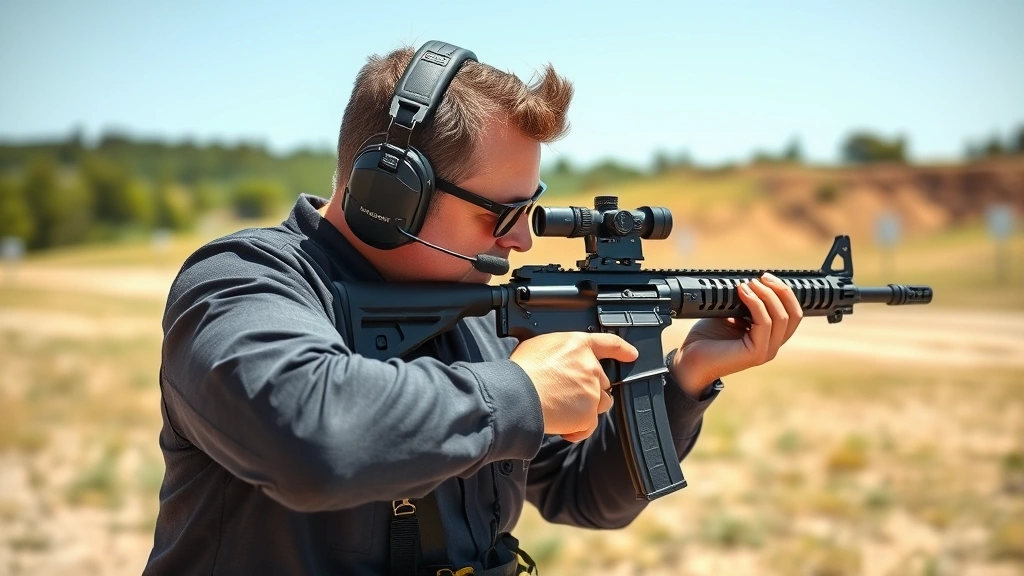
Hearing protection at the shooting range is not just a recommendation—it’s a critical necessity for long-term auditory health. Exposure to gunfire produces sound levels between 140-190 decibels, far exceeding the 85-decibel threshold where hearing damage begins. Whether you’re a competitive shooter, hunter, or recreational firearms enthusiast, selecting the right ear protection can mean the difference between preserving your hearing and suffering permanent noise-induced hearing loss.
The market offers numerous shooting ear protection solutions, each with distinct advantages and limitations. From passive foam earplugs to sophisticated electronic earmuffs with noise-canceling technology, understanding the differences helps you make an informed decision. This comprehensive guide examines the best shooting ear protection options, evaluates their performance specifications, and provides expert recommendations based on real-world shooting conditions.
Understanding Sound Levels and Hearing Damage
Firearm noise represents one of the most significant occupational and recreational hearing hazards. A single gunshot from a .357 magnum produces approximately 160 decibels, while rifles can exceed 175 decibels. According to the CDC’s noise exposure guidelines, exposure to sounds above 140 decibels causes immediate hearing damage.
Hearing loss from shooting is cumulative and permanent. The inner ear contains hair cells that convert sound vibrations into electrical signals sent to the brain. When exposed to excessive noise, these delicate cells sustain damage and cannot regenerate. Even a few shooting sessions without proper protection can result in measurable hearing loss. Many shooters don’t realize the damage until years later when they notice difficulty hearing conversations or tinnitus (ringing in the ears).
The Noise Reduction Rating (NRR) measures ear protection effectiveness. An NRR of 30 means the device reduces noise by 30 decibels. However, real-world protection is typically 50% lower than the NRR rating due to improper fit and usage variations. Understanding this helps you select protection with adequate margin for safety.
Types of Shooting Ear Protection
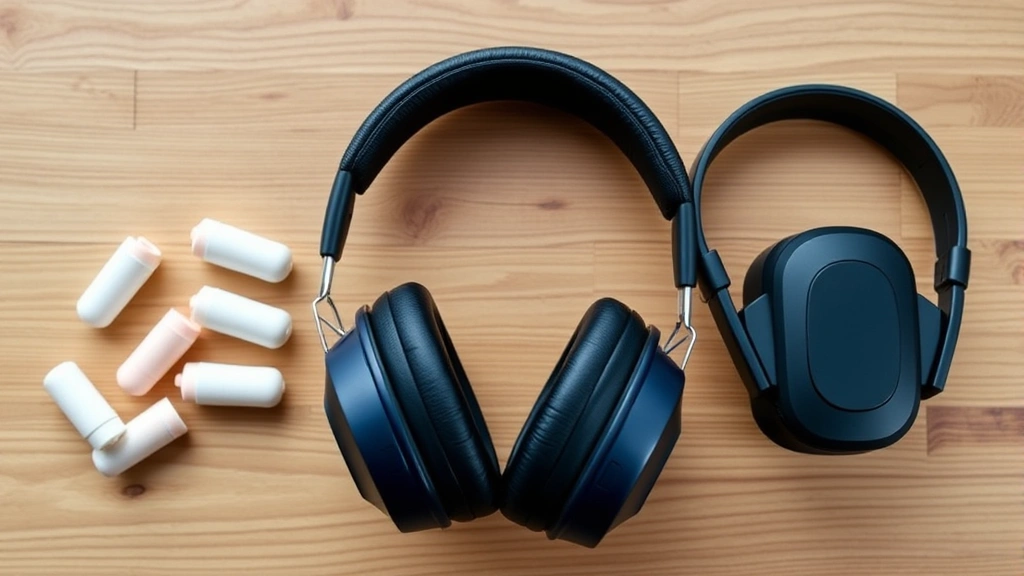
Shooting ear protection falls into three primary categories: passive earmuffs, electronic earmuffs, and earplugs. Each type offers distinct advantages depending on your shooting environment, activity type, and personal preferences.
Passive earmuffs rely solely on physical barriers and absorptive materials to block sound. They provide consistent protection without batteries or electronics but can feel bulky and may interfere with proper firearm handling. Passive options excel for shooters who want straightforward, reliable protection without complexity.
Electronic earmuffs incorporate microphones and amplifiers to enhance ambient sounds while suppressing loud impulses. This technology allows you to hear range safety officers, teammates, and environmental cues while remaining protected from gunfire. The amplification feature makes electronic options ideal for competitive shooting and tactical training.
Earplugs offer portability and can be inserted quickly. Foam earplugs provide good passive protection, while custom-molded versions offer superior comfort and fit. Many serious shooters use earplugs combined with earmuffs for maximum protection, a strategy called dual protection.
Top Rated Passive Earmuffs
For shooters prioritizing simplicity and reliability, passive earmuffs remain the gold standard. These devices use dense foam and acoustic sealing to attenuate gunfire noise.
3M Peltor Sport Bull’s Eye features an NRR of 27 and delivers solid passive protection for most shooting scenarios. The lightweight design and adjustable headband accommodate various head sizes. The integrated microphones (without amplification) allow some ambient sound passage. At approximately $40-50, this option provides excellent value for recreational shooters and hunters.
Snug Kids Ear Protection offers NRR 31 with child-sized construction. While marketed for youth, many adults with smaller head circumferences appreciate the compact design. The bright colors improve visibility at ranges, and the adjustable band ensures secure fit during active shooting.
Pro For Sho Ear Protection delivers NRR 30 with gel-filled ear cups that conform to individual head shapes. The premium materials resist cracking and deterioration from UV exposure and temperature fluctuations. This model suits shooters who spend extended periods at outdoor ranges.
3M Peltor X5A represents the premium passive option with NRR 31 and exceptional build quality. The wide headband distributes pressure evenly, reducing fatigue during long shooting sessions. The replaceable foam inserts extend product lifespan, making this a cost-effective choice for serious enthusiasts.
Electronic and Amplified Options
Electronic hearing protection has revolutionized the shooting experience by combining hearing protection with situational awareness enhancement. These devices use directional microphones to capture ambient sounds while suppressing impulse noise through compression circuits.
Walker Razor Slim Electronic Muffs feature dual microphones that allow directional hearing. The compression technology reduces loud impulses to safe levels while amplifying conversation-level sounds. Battery life extends 25 hours, and the slim profile reduces interference with firearm handling. Priced around $100-130, these represent excellent value in the electronic category.
Howard Leight Impact Sport offers similar functionality with a slightly bulkier design. The NRR rating of 22 combined with electronic amplification provides effective protection. Many shooters appreciate the simplified controls and robust construction. This model performs exceptionally well in indoor range environments where ambient noise is already elevated.
MSA Sordin Supreme Pro delivers military-grade protection with exceptional audio fidelity. The two-way radio capability allows communication with teammates, essential for tactical training scenarios. The lithium-ion battery system provides extended runtime, and the premium construction withstands harsh field conditions. At $300-400, this represents an investment for serious professionals and advanced enthusiasts.
Snug Kids Electronic Earmuffs combine child-sized construction with electronic amplification. The volume-limiting technology prevents amplified sounds from exceeding safe levels, providing protection even if microphone input becomes unexpectedly loud. Parents appreciate the safety features alongside hearing preservation.
Earplugs vs Earmuffs Comparison
The debate between earplugs and earmuffs continues among shooting enthusiasts, with valid arguments supporting both options. Understanding the tradeoffs helps you select the most appropriate solution for your specific shooting activities.
Advantages of earplugs: Portability stands as the primary benefit—earplugs fit in a shirt pocket and weigh almost nothing. They don’t interfere with gun handling or cheek weld during aiming. Custom-molded earplugs provide superior comfort for extended wear, and some shooters find them less claustrophobic than earmuffs. Foam earplugs cost just pennies per pair, making them economical for casual shooters.
Disadvantages of earplugs: Proper insertion requires technique; incorrectly inserted earplugs provide minimal protection. They’re easily lost or forgotten, and inserting them at the range requires clean hands and hygiene awareness. Many shooters struggle with consistent insertion depth, resulting in variable protection levels. Earplugs also eliminate ambient sound awareness, making them problematic for safety-critical environments.
Advantages of earmuffs: They’re difficult to insert incorrectly, providing consistent protection with minimal user technique required. Earmuffs accommodate different ear sizes and shapes more easily than one-size-fits-all earplugs. They’re immediately visible on your head, reducing the likelihood of forgetting them. Electronic earmuffs enhance hearing rather than eliminate it, improving situational awareness.
Disadvantages of earmuffs: They’re bulkier and heavier, potentially interfering with firearm handling and head positioning. Some shooters find them uncomfortable during extended sessions, and they’re more expensive than earplugs. Electronic versions require battery management, and mechanical failures can disable protection unexpectedly.
Dual Protection Strategy
Many professional shooters and hearing health experts recommend combining earplugs with earmuffs for optimal protection. This dual protection approach provides cumulative sound reduction and compensates for individual product limitations.
When properly combined, earplugs and earmuffs can achieve NRR ratings exceeding 40. The earplugs block high-frequency impulse noise, while earmuffs attenuate low-frequency components that earplugs handle less effectively. This complementary action creates superior protection compared to either option alone.
The dual strategy particularly benefits shooters using calibers that produce extreme noise levels—magnum rifles, shotguns, or .44 magnum pistols. Competitive shooters firing hundreds of rounds during training sessions also benefit from maximum protection. Law enforcement and military personnel operating in combat environments rely on dual protection combined with electronic amplification for communication.
However, dual protection has practical limitations. Some shooters find the combined setup uncomfortable, and the pressure from dual protection can cause discomfort during extended sessions. The acoustic seal quality becomes critical—gaps in either layer compromise overall effectiveness. Additionally, the increased bulk may interfere with certain shooting positions or tactical movements.
Maintenance and Care Tips
Proper maintenance extends ear protection lifespan and ensures consistent performance. Regular care prevents degradation and hygiene issues that can make hearing protection uncomfortable.
Earmuff maintenance: Clean the outer surfaces with a soft, damp cloth regularly. Inspect the foam or gel ear cups for cracks, hardening, or deterioration. Most quality earmuffs have replaceable ear cup inserts available separately. Store them in a cool, dry location away from direct sunlight, which degrades foam materials. Avoid exposing earmuffs to extreme temperatures or solvents that damage acoustic materials.
Earplug care: Foam earplugs are disposable and should be replaced after several uses or when they appear compressed or discolored. Custom-molded earplugs require gentle cleaning with mild soap and water. Allow them to air dry completely before storage. Store reusable earplugs in a clean case to prevent contamination and damage.
General hygiene: Wash your hands before inserting earplugs to prevent ear canal infections. If you experience ear discomfort, itching, or drainage after using ear protection, discontinue use and consult a hearing healthcare professional. Some people develop sensitivities to earplug materials or experience cerumen (earwax) impaction from frequent earplug use.
Battery management for electronic devices: Remove batteries during extended storage periods to prevent corrosion. Replace batteries before they completely discharge, as this extends battery lifespan. Keep backup batteries at your range bag for uninterrupted protection. Some premium models include rechargeable batteries that require periodic charging between sessions.
Fit verification: Periodically verify your ear protection fits correctly. For earmuffs, ensure the headband applies even pressure across both ear cups. Gaps between the seal and your ears indicate improper fit. For earplugs, insertion should feel snug but not painful. If fit changes due to weight loss or ear shape changes, consider replacement or adjustment.
FAQ
What NRR rating do I need for shooting?
Most shooting applications require NRR 25-30 minimum. High-powered rifles and magnums benefit from NRR 30+. Remember that real-world protection is typically 50% of the NRR rating, so a device rated NRR 30 provides approximately 15 decibels of actual reduction. Combining dual protection increases effective reduction significantly.
Can I use musician’s earplugs for shooting?
Musician’s earplugs, designed to preserve sound clarity while reducing volume, are inappropriate for shooting. They typically provide NRR 15-20, insufficient for gunfire impulses. Shooting requires devices specifically engineered to suppress impulse noise, not general volume reduction.
Are electronic earmuffs worth the expense?
For competitive shooters, tactical professionals, or anyone shooting frequently in group settings, electronic earmuffs offer significant advantages through ambient sound amplification and communication capability. For casual recreational shooting, passive options provide adequate protection at lower cost. Consider your specific shooting activities when evaluating the investment.
How do I know if my ear protection fits correctly?
Properly fitting earmuffs should feel snug but not painful. You should see no gaps between the ear cups and your ears. For earplugs, insertion should require gentle pressure and feel secure when you open your mouth or move your jaw. If protection feels loose or uncomfortable, adjustment or replacement is necessary.
What’s the best ear protection for glasses wearers?
Glasses interfere with earmuff seals, reducing effectiveness. Slim-profile earmuffs like the Walker Razor Slim or 3M Peltor Sport Bull’s Eye accommodate glasses better than full-size models. Alternatively, use earplugs combined with earmuffs to compensate for the seal compromise. Some shooters switch to contact lenses during range sessions to avoid this issue.
Can children use adult hearing protection?
Adult-sized earmuffs rarely fit children properly, leaving gaps that compromise protection. Purpose-designed children’s ear protection features appropriately-sized construction and often includes volume-limiting technology for additional safety. As children grow, transition to larger sizes to maintain proper fit.
Is custom-molded hearing protection worth the cost?
Custom-molded earplugs ($150-300) provide superior comfort and fit compared to universal earplugs ($1-2). For shooters wearing protection daily or during extended sessions, the comfort improvement justifies the expense. Casual shooters may find standard foam earplugs adequately comfortable.
How often should I replace ear protection?
Foam earplugs should be replaced every 2-3 uses or when they appear compressed. Earmuff foam inserts typically last 6-12 months with regular use. Inspect protection regularly for cracks, hardening, or deterioration. Replace immediately if the acoustic seal appears compromised.


