
Is Paint Protection Film Worth It? Expert Insights on the Best Paint Protection Film
Your vehicle’s paint is constantly under attack. UV rays, road salt, bird droppings, tree sap, and industrial fallout work together to damage your car’s exterior finish. While regular washing and waxing provide basic protection, many car owners are turning to paint protection film (PPF) as a more comprehensive solution. But is it really worth the investment? This guide explores everything you need to know about paint protection film, its benefits, costs, and whether it makes sense for your vehicle.
Paint protection film has evolved significantly over the past decade. Modern PPF technology offers self-healing properties, optical clarity, and long-lasting durability that justify consideration for serious car enthusiasts and everyday drivers alike. Understanding the science behind this technology and evaluating your specific needs will help you make an informed decision about protecting your vehicle’s paint.
What is Paint Protection Film?
Paint protection film is a thermoplastic urethane (TPU) film applied to your vehicle’s painted surfaces. This transparent, self-adhesive layer acts as a sacrificial barrier between your paint and environmental hazards. The film is typically 8-10 mils thick—roughly the thickness of a few sheets of paper—yet provides remarkable protection against physical damage and chemical degradation.
The technology originated in the aerospace industry, where it protected helicopter blades and military aircraft from debris during flight. Car manufacturers and aftermarket companies adapted this innovation to protect vehicle paint, creating what we now know as PPF. Modern formulations include advanced polymer networks that provide flexibility, durability, and optical clarity superior to early generations.
When properly installed, quality paint protection film is virtually invisible to the naked eye. It maintains your vehicle’s aesthetic appeal while providing a protective shield that absorbs impacts, resists staining, and prevents oxidation. The best paint protection film products maintain their clarity for 10+ years, making them a long-term investment in your vehicle’s appearance.
Key Benefits of PPF
Superior Impact Protection represents the primary advantage of paint protection film. The film absorbs energy from impacts—whether from gravel, road debris, or minor collisions—preventing these impacts from reaching your paint. This is especially valuable for front bumpers, hoods, fenders, and door handles that face constant exposure to road hazards. Unlike traditional wax or ceramic coatings, PPF provides genuine physical protection.
Self-Healing Technology is a game-changing feature in modern PPF. Many premium films contain polymers that respond to heat by flowing back into their original shape. Minor scratches, swirl marks, and light scuffs disappear when the film is exposed to sunlight or warm water. This self-healing capability can extend the film’s lifespan and maintain its appearance throughout its lifetime.
UV and Chemical Protection prevents oxidation, fading, and discoloration of your vehicle’s paint. The film blocks harmful UV radiation while resisting damage from road salt, bird droppings, tree sap, and industrial contaminants. This is particularly important for vehicles in coastal areas or harsh climates where environmental factors accelerate paint degradation.
Gloss Retention ensures your paint maintains its original shine and depth. While unprotected paint gradually becomes dull and chalky due to UV exposure and oxidation, PPF-protected paint retains its lustrous appearance. This becomes especially apparent when comparing the protected areas to unprotected sections after several years.
Resale Value Enhancement is an often-overlooked benefit. A vehicle with full PPF coverage demonstrates meticulous maintenance and care to potential buyers. The protected paint retains its original condition, potentially commanding a higher resale price. This is particularly relevant for luxury vehicles or high-performance cars where paint condition significantly impacts value.
Types of Paint Protection Film
The market offers several categories of paint protection film, each with distinct characteristics. Understanding these options helps you select the best paint protection film for your specific needs and budget.
Premium Self-Healing Films represent the top tier of PPF technology. Brands like XPEL Ultimate Plus and 3M Scotchgard Pro utilize advanced polymer chemistry to deliver exceptional self-healing properties, superior optical clarity, and extended durability. These films typically cost $1,500-$3,500 for full vehicle coverage but offer 10-year warranties and maintain their appearance throughout their lifespan.
Standard Self-Healing Films provide excellent protection at moderate price points. Products in this category offer adequate self-healing capability and good optical clarity, making them suitable for most vehicle owners. These films typically cost $800-$1,500 for full coverage and provide 7-10 year durability.
Budget-Friendly Films offer basic protection without advanced self-healing technology. While more affordable at $400-$800 for full coverage, these films provide less sophisticated protection and may yellow or become cloudy over time. They’re suitable for owners prioritizing cost savings over premium features.
Matte and Satin Finish Films cater to owners seeking aesthetic alternatives to glossy protection. These specialized films maintain a satin or matte appearance while providing the same protective benefits as standard PPF. They’re ideal for vehicles with matte factory finishes or owners preferring a unique aesthetic.
Installation and Maintenance
Professional installation is crucial for optimal PPF performance. The application process requires precision, expertise, and specialized equipment. Certified installers prepare your vehicle’s surface by thoroughly cleaning and decontaminating the paint, then carefully apply the film using a slip solution to position it perfectly before squeegeeing out air bubbles.
The installation process is labor-intensive. Full vehicle coverage typically requires 20-40 hours of meticulous work. Improper installation can result in visible seams, air bubbles, or edge lifting that compromises both protection and appearance. This is why selecting a reputable installer with proven experience and customer reviews is essential.
Maintenance of paint protection film is straightforward and minimal. After a 48-hour curing period, you can wash your vehicle normally. Use pH-neutral soaps and soft microfiber cloths to avoid damaging the film. Avoid automatic car washes with harsh brushes, as these can damage the film’s edges. Regular washing removes contaminants and maintains the film’s clarity.
Ceramic coatings can be applied over PPF for additional protection and enhanced gloss. This combination creates a multi-layer defense system that protects against both physical damage (via PPF) and chemical degradation (via ceramic coating). Many owners choose this approach for maximum protection and aesthetic appeal.
Cost Analysis
Evaluating whether paint protection film represents good value requires analyzing both initial costs and long-term benefits. Full vehicle PPF coverage typically ranges from $400-$3,500 depending on film quality, vehicle size, and installer reputation.
Partial Coverage Options provide cost-effective alternatives for budget-conscious owners. High-impact areas like the front bumper, hood, fenders, and door handles cost $300-$800 to protect. This approach shields the most vulnerable areas while minimizing investment.
Comparison to Damage Repair Costs illustrates PPF’s financial justification. A single paint chip repair costs $100-$300. A deep scratch requiring touch-up or repainting costs $300-$1,000. Major damage from road debris can cost thousands in repair expenses. PPF essentially provides insurance against these costs, with a single prevented incident often justifying the entire investment.
Insurance and Maintenance Savings contribute to long-term value. Some insurance policies offer discounts for vehicles with PPF, acknowledging the reduced likelihood of paint damage claims. Additionally, PPF eliminates the need for frequent repainting or refinishing, reducing maintenance costs over your vehicle’s ownership period.
Resale Value Impact varies by market and vehicle type. Luxury vehicles with full PPF coverage may command 2-5% higher resale prices. For high-performance or exotic vehicles where paint condition significantly impacts value, PPF protection often pays for itself through improved resale value alone.
Common Misconceptions
Misconception: PPF is Visible and Affects Appearance
Reality: Quality paint protection film is virtually invisible when properly installed. Premium films maintain optical clarity comparable to unprotected paint, with minimal impact on your vehicle’s appearance. Some owners report that PPF actually enhances gloss and depth perception of the paint.
Misconception: PPF Requires Constant Maintenance
Reality: Paint protection film requires only standard car washing. Unlike some protective coatings, PPF doesn’t need regular reapplication or specialized maintenance products. This low-maintenance approach makes it practical for busy vehicle owners.
Misconception: All PPF Products are Equivalent
Reality: Significant differences exist between premium and budget films. Premium products like XPEL and 3M offer superior self-healing, optical clarity, and longevity. Budget alternatives may yellow, become cloudy, or fail prematurely. Investing in quality film ensures better long-term results.
Misconception: PPF Prevents All Paint Damage
Reality: While PPF provides excellent protection, it cannot prevent all damage. Extremely severe impacts or chemical exposure may damage the film itself. However, the film absorbs damage that would otherwise affect your paint, serving its protective purpose effectively.
Misconception: DIY Installation is Cost-Effective
Reality: Professional installation is essential for optimal results. DIY application typically results in visible seams, air bubbles, and edge lifting that compromise both protection and appearance. The cost savings from DIY installation are quickly negated by poor results and potential damage.
For more information about protecting your vehicle’s appearance, explore our guide on best practices in protecting valuable assets, which includes principles applicable to vehicle care.
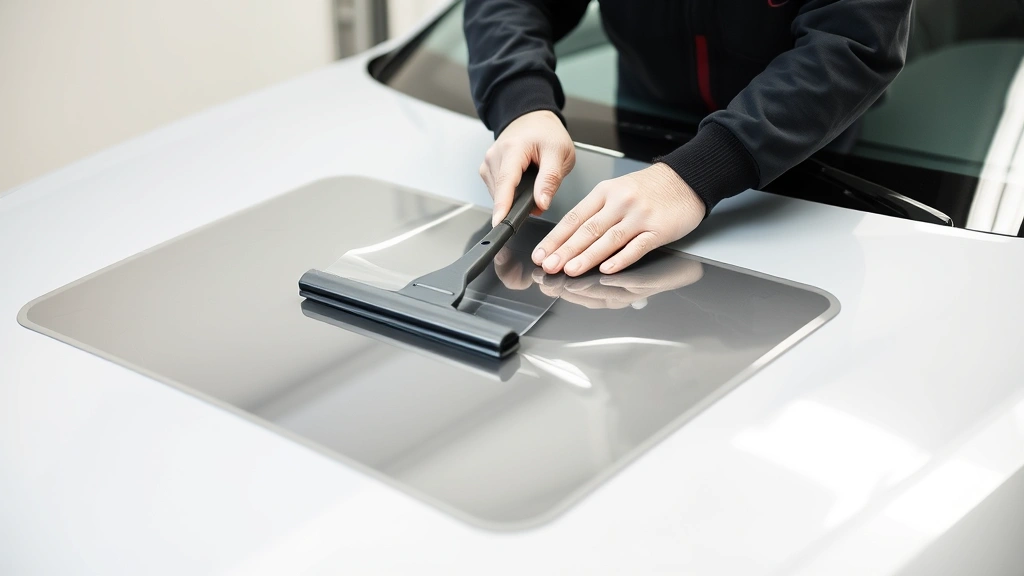
Paint protection film represents a worthwhile investment for vehicle owners serious about maintaining their car’s appearance and value. The combination of impact protection, self-healing technology, and UV resistance creates a comprehensive defense against environmental hazards and road debris. Whether you choose full vehicle coverage or partial protection of high-impact areas, PPF provides tangible benefits that justify its cost through damage prevention and resale value enhancement.
The best paint protection film for your vehicle depends on your specific needs, budget, and vehicle type. Premium films offer superior self-healing and longevity, making them ideal for luxury or high-performance vehicles. Standard films provide excellent protection at moderate prices suitable for most owners. Regardless of which product you choose, professional installation from a certified technician is essential for achieving optimal results and protecting your investment.
Modern paint protection film technology has matured significantly, offering proven performance over extended periods. With proper installation and basic maintenance, quality PPF will protect your vehicle’s paint for a decade or longer, maintaining its appearance and protecting your investment against the constant assault of environmental hazards and road conditions.
FAQ
How long does paint protection film last?
Premium paint protection film lasts 10+ years with proper care. Standard films typically last 7-10 years. Budget films may show degradation after 5-7 years. Longevity depends on film quality, installation expertise, climate conditions, and maintenance practices. Regular washing and avoiding harsh chemicals extend PPF lifespan significantly.
Can paint protection film be removed without damaging paint?
Yes, professional removal of quality PPF should not damage your paint when performed by experienced technicians. The film is designed to be removable, and proper removal techniques preserve the underlying paint. Poor removal by inexperienced installers may cause damage, making professional removal important.
Does paint protection film work on matte paint finishes?
Specialized matte and satin finish PPF products are designed specifically for matte paint. Standard glossy films will alter the appearance of matte paint, creating a glossy finish where protection is applied. Always specify your paint finish when discussing PPF options with installers.
Is ceramic coating necessary with paint protection film?
Ceramic coating is optional but beneficial. While PPF provides physical protection, ceramic coating adds chemical protection and enhanced gloss. Many owners apply ceramic coating over PPF for comprehensive multi-layer protection. However, PPF alone provides substantial protection without ceramic coating.
What areas should I prioritize for PPF coverage?
High-impact areas warrant priority: front bumper, hood, fenders, door handles, and side mirrors face the most road debris exposure. Roof edges and trunk lids also benefit from protection. If budget is limited, focus on the front bumper and hood, which sustain the most damage from road hazards.


