Best Ear Protection for Shooting? Expert’s Top Picks
Hearing protection is one of the most critical safety considerations for shooters, yet it’s often overlooked or underestimated. Whether you’re at an indoor shooting range, hunting in the field, or practicing tactical drills, exposure to gunfire can cause permanent hearing damage in seconds. A single gunshot can reach 140-190 decibels depending on the firearm type, far exceeding the 85-decibel threshold where hearing loss begins.
In-ear hearing protection has revolutionized how shooters safeguard their auditory health while maintaining situational awareness. Modern electronic and passive solutions offer shooters the ability to hear conversations and environmental sounds while simultaneously blocking dangerous impulse noise. This comprehensive guide explores the best in-ear hearing protection options available today, helping you make an informed decision based on your specific shooting activities and budget.
Understanding Gunshot Noise and Hearing Damage
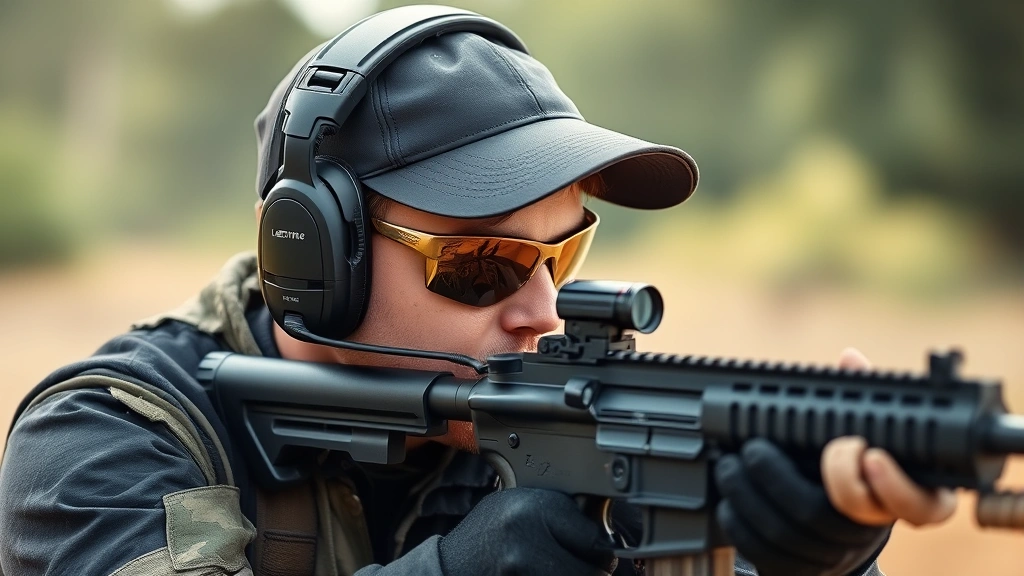
Hearing damage from shooting occurs through two primary mechanisms: continuous noise exposure and impulse noise. Gunfire produces impulse noise—sudden, brief sounds at extremely high decibel levels. The CDC’s NIOSH division reports that even a single exposure to impulse noise above 140 decibels can cause permanent hearing loss.
The inner ear contains hair cells responsible for translating sound vibrations into neural signals. When exposed to excessive noise, these delicate structures sustain damage that’s irreversible. Unlike other tissues, hair cells don’t regenerate, making prevention through proper hearing protection the only viable strategy.
Shooters face compounded risk because they often spend extended periods at ranges or in the field. Even with brief exposures, the cumulative effect of multiple shooting sessions without adequate protection accumulates over time, leading to noise-induced hearing loss (NIHL). Research from the National Forensic Science Technology Center indicates that shooters experience hearing loss rates significantly higher than the general population.
Different firearm types produce varying noise levels. Rifles typically generate 150-190 decibels, handguns 155-190 decibels, and shotguns 150-190 decibels depending on caliber, barrel length, and ammunition type. Suppressors can reduce these levels by 20-35 decibels, but they’re not a substitute for proper hearing protection.
Types of In-Ear Hearing Protection
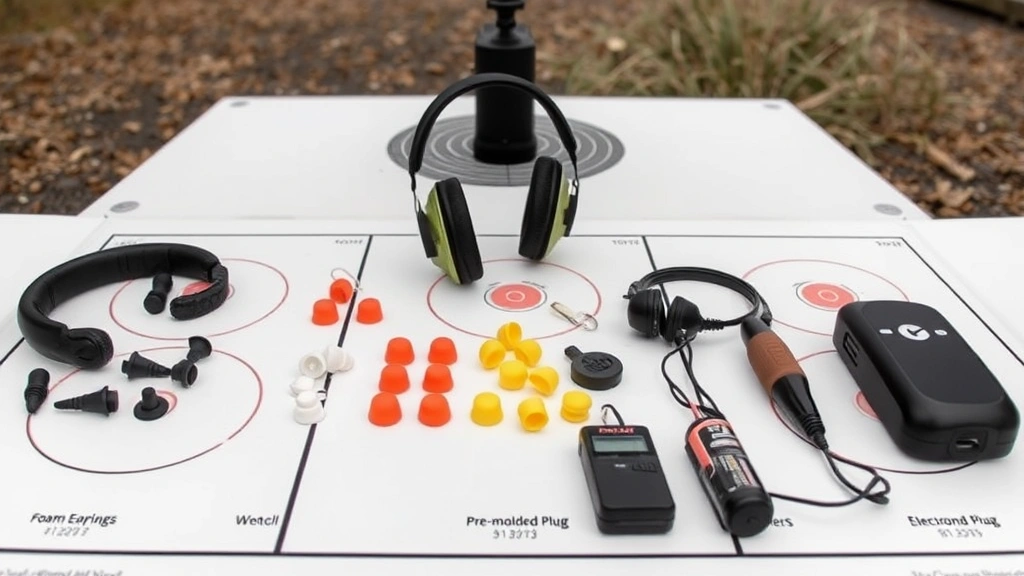
In-ear hearing protection comes in several distinct categories, each offering different advantages for shooters. Understanding these types helps you select the best option for your specific needs.
Foam Earplugs represent the most affordable and accessible option. These expandable foam plugs insert directly into the ear canal and create a seal that blocks sound. When properly inserted, they can achieve noise reduction ratings (NRR) of 28-33 decibels. However, they offer no amplification of ambient sounds, making it difficult to hear range commands or conversation.
Passive Earplugs are pre-molded silicone or rubber plugs that don’t require expansion. They’re reusable, easier to insert than foam, and more comfortable for extended wear. Many shooters prefer these for their consistency and durability, though they similarly lack amplification capabilities.
Electronic In-Ear Protection represents the gold standard for serious shooters. These devices contain microphones and speakers that amplify normal conversation and environmental sounds while simultaneously detecting and blocking impulse noise from gunfire. Dual-microphone systems provide directional awareness, helping shooters identify sound sources. Battery life typically ranges from 16-24 hours, with some premium models offering extended use.
Level-Dependent Earplugs feature a mechanical valve system that opens to allow ambient sounds through but closes when exposed to loud impulse noise. These passive electronic systems require no batteries and provide moderate noise reduction while preserving hearing. They’re excellent for hunting or field use where ambient awareness matters significantly.
Top In-Ear Hearing Protection Products
3M Peltor ComTac III stands as one of the most popular choices among military and law enforcement professionals. These binaural devices offer 20 dB of ambient amplification with extremely fast impulse noise suppression. The dual-microphone design provides exceptional directional hearing, allowing shooters to identify threats or range safety officers. They feature a 4-hour automatic shutoff, wireless compatibility, and rugged construction rated for professional use. The adjustable headband and replaceable ear cups accommodate different head shapes and ear sizes.
Walkers Razor Slim delivers premium performance in a compact, lightweight design. These in-ear devices feature dual-microphone technology with directiation audio, allowing shooters to hear where sounds originate. The sound activation feature automatically suppresses gunshot noise within milliseconds while amplifying speech and ambient sounds at safe levels. With 24-hour battery life and water-resistant construction, they’re suitable for various shooting environments. The compact form factor makes them less noticeable than larger over-ear options, appealing to shooters who prefer minimal equipment.
SureFire EP4 Sonic Defenders offer passive protection with excellent comfort for extended wear. These dual-flange earplugs provide NRR 24 dB protection while allowing ambient sound through at safe levels. The three-piece design accommodates different ear canal sizes, ensuring proper seal. Many tactical shooters appreciate these for their reliability, consistency, and minimal maintenance requirements. They’re ideal for shooters who prefer passive solutions without battery concerns.
Etymotic Research ER20XS provide professional-grade passive protection with exceptional fidelity. Unlike foam earplugs that muffle all sounds equally, these use acoustic filters to reduce loud sounds while preserving speech clarity. They achieve 20 dB of noise reduction while maintaining natural hearing for conversation. The custom-moldable earplugs ensure consistent fit, making them popular among competitive shooters who value precision.
MSA Sordin Supreme Pro-X represent the premium end of in-ear protection. These Swedish-engineered devices feature Bluetooth connectivity, allowing wireless communication with other team members. The dual-microphone system provides exceptional directional audio, and the rechargeable battery lasts up to 30 hours. The IP67 waterproof rating handles various weather conditions, while the quick-disconnect design accommodates different headset configurations for tactical applications.
Howard Leight Impact Sport delivers excellent value for recreational and competitive shooters. These over-ear devices feature impulse noise compression with 30 dB NRR, making them extremely effective. The noise amplification allows normal conversation while instantly blocking gunfire. At an accessible price point, they represent an excellent entry into quality hearing protection. The adjustable headband and padded ear cups provide comfortable all-day wear.
Key Features to Consider
When selecting in-ear hearing protection for shooting, several critical features should influence your decision. Noise Reduction Rating (NRR) indicates how many decibels the protection blocks, typically ranging from 20-33 dB. However, real-world protection is usually 25-50% lower than rated values, so choose protection rated at least 25-30 dB for shooting applications.
Impulse Noise Suppression Speed determines how quickly the device blocks gunshot noise. Electronic devices should suppress impulse noise within 2-3 milliseconds to prevent hearing damage. Slower response times leave your ears vulnerable during the critical initial moment of exposure.
Ambient Sound Amplification allows you to hear range commands, conversation, and environmental cues. Choose devices with amplification levels around 20-30 dB, which enhance normal sounds without creating feedback or distortion. Directional microphone systems help identify sound sources, critical for tactical and competitive shooting.
Battery Life and Power Options matter significantly for extended shooting sessions. Most electronic devices use standard AA or AAA batteries lasting 16-24 hours. Rechargeable options offer convenience but require charging infrastructure. For field hunting, consider replaceable battery options that ensure you’re never without power.
Comfort and Fit determine whether you’ll actually wear the protection consistently. In-ear devices should feel secure without excessive pressure. Adjustable components accommodate different ear shapes and sizes. Consider whether you wear glasses, which can affect fit comfort. Test devices before purchasing if possible.
Durability and Weather Resistance ensure your investment withstands shooting environments. Look for impact-resistant construction, moisture-resistant electronics, and materials that handle temperature extremes. Military and law enforcement-grade devices typically offer superior durability compared to consumer options.
Compatibility with other equipment matters for tactical shooters. Some devices integrate with headsets, communication systems, or tactical gear. Ensure your chosen protection doesn’t interfere with helmets, communication devices, or other essential equipment.
Fitting and Maintenance Guide
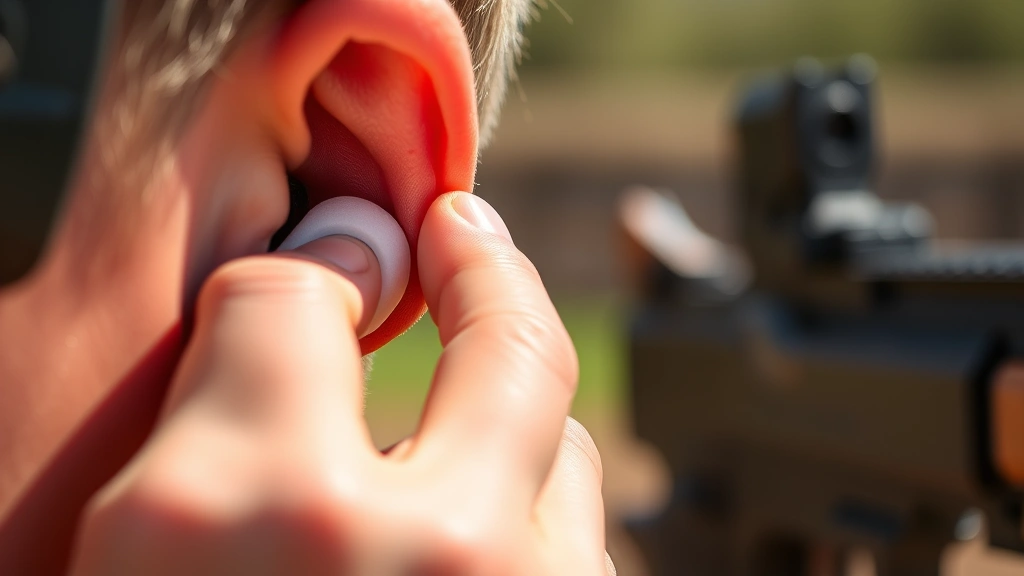
Proper fitting is essential for effective hearing protection. Incorrectly inserted earplugs can reduce protection by 50% or more. For foam earplugs, compress the foam fully, insert into the ear canal, and allow 20-30 seconds for expansion. The plug should seal completely without gaps or protrusions.
With pre-molded earplugs, select the appropriate size by gently inserting different sizes until finding the snug fit. The earplug should remain in place without falling out or feeling uncomfortable. Most people require different sizes for each ear.
For electronic in-ear devices, ensure the microphones face forward and the speakers sit properly in the ear canal. Adjust the headband or ear hooks for secure fit without excessive pressure. Test the device by speaking normally—you should hear your voice clearly amplified.
Maintenance extends hearing protection lifespan and ensures consistent performance. Clean foam earplugs weekly with mild soap and water, then air dry completely. Replace foam earplugs monthly or when they lose elasticity. Pre-molded earplugs should be cleaned weekly and replaced annually.
Electronic devices require battery replacement or charging according to manufacturer specifications. Clean microphone ports gently with dry cloth to prevent debris accumulation. Store devices in protective cases away from extreme temperatures. Check seals and connections regularly for damage.
Hearing Protection Standards and Ratings
Understanding hearing protection standards ensures you select genuinely protective equipment. The OSHA hearing protection regulations establish minimum standards for occupational hearing protection. However, shooting generates impulse noise that exceeds typical industrial standards, requiring higher-performance protection.
The EPA established the Noise Reduction Rating (NRR) system, measured under laboratory conditions. Real-world protection is typically 25-50% lower than rated values due to improper insertion, individual ear anatomy variations, and environmental factors. For shooting, assume actual protection is approximately 50% of the rated NRR.
ISO 4869-1 standards define how hearing protection devices are tested and rated internationally. Devices meeting these standards undergo rigorous testing for consistency and performance. Look for certification marks indicating compliance with relevant standards in your region.
The American National Standards Institute (ANSI) establishes additional standards for hearing protection performance. ANSI S3.19 specifically addresses hearing protector classification and labeling, ensuring manufacturers provide accurate information.
Different hearing protection types have different effective ranges. Foam and pre-molded earplugs excel at blocking impulse noise but provide less ambient amplification. Electronic devices shine in tactical situations where communication and awareness remain critical. Level-dependent earplugs offer middle-ground solutions combining passive protection with some ambient awareness.


