Top Hearing Protection for Gun Ranges: Expert Picks
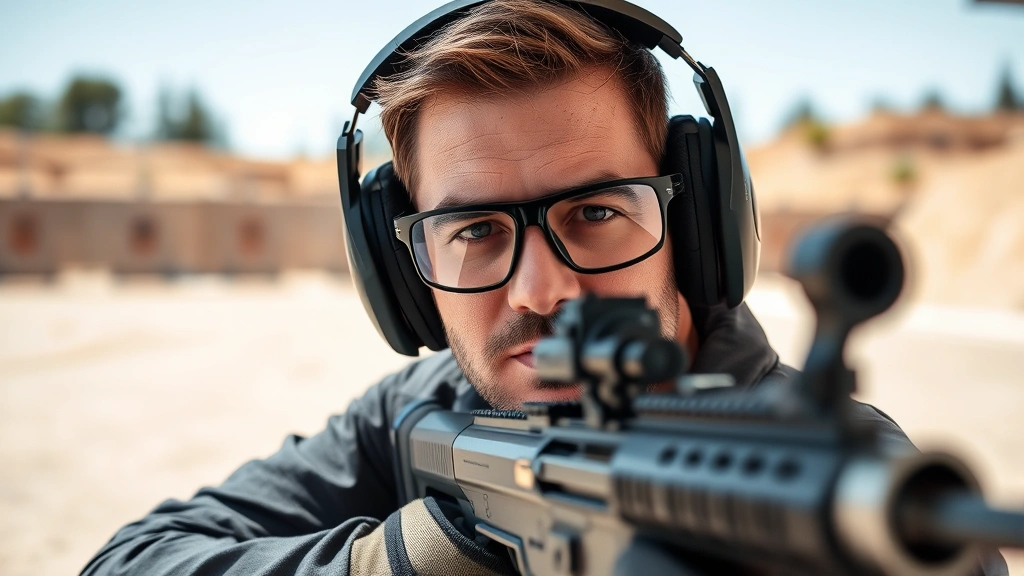
Protecting your hearing at the gun range is not a luxury—it’s a critical safety necessity. Exposure to gunfire noise levels, which can exceed 190 decibels, poses immediate and permanent risks to auditory health. Whether you’re a competitive shooter, casual range visitor, or professional instructor, selecting the right hearing protection is essential for preserving long-term hearing function and ensuring a safe shooting experience.
The consequences of inadequate hearing protection extend far beyond temporary ringing in your ears. Repeated exposure to high-decibel gunfire can cause irreversible noise-induced hearing loss, tinnitus, and hyperacusis. This comprehensive guide examines the best hearing protection options available today, breaking down the technology, effectiveness, and practical considerations that will help you make an informed decision for your specific shooting needs.
Understanding Gunfire Noise Levels and Hearing Damage
Before selecting hearing protection, it’s crucial to understand the acoustic environment you’re entering. A single gunshot can produce sound levels ranging from 140 to 190 decibels, depending on the caliber, firearm type, and shooting environment. For reference, the National Institute for Occupational Safety and Health (NIOSH) recommends that exposure to sounds above 85 decibels for extended periods requires hearing protection.
The Occupational Safety and Health Administration (OSHA) establishes that workers exposed to noise levels at or above 90 decibels for an 8-hour period must wear appropriate hearing protection. However, shooting ranges present a unique challenge: the impulse noise from gunfire is brief but extremely intense, making traditional occupational noise guidelines insufficient for this specific hazard.
Noise-induced hearing loss (NIHL) occurs when the hair cells in the inner ear are damaged by exposure to loud sounds. Unlike other types of hearing loss, NIHL is permanent and irreversible. The damage is cumulative, meaning that each exposure to loud gunfire contributes to long-term hearing degradation. Young shooters face particular risk because they have more years ahead for additional noise exposure to compound the damage.
Research from the Centers for Disease Control and Prevention (CDC) indicates that approximately 15% of American adults report some degree of hearing difficulty, with noise exposure being a significant contributing factor. Shooters who neglect proper hearing protection significantly increase their risk of joining this population.
Types of Hearing Protection for Shooting
The hearing protection market offers several distinct categories, each with specific advantages and limitations. Understanding these options allows you to select the solution that best matches your shooting style, budget, and environmental conditions.
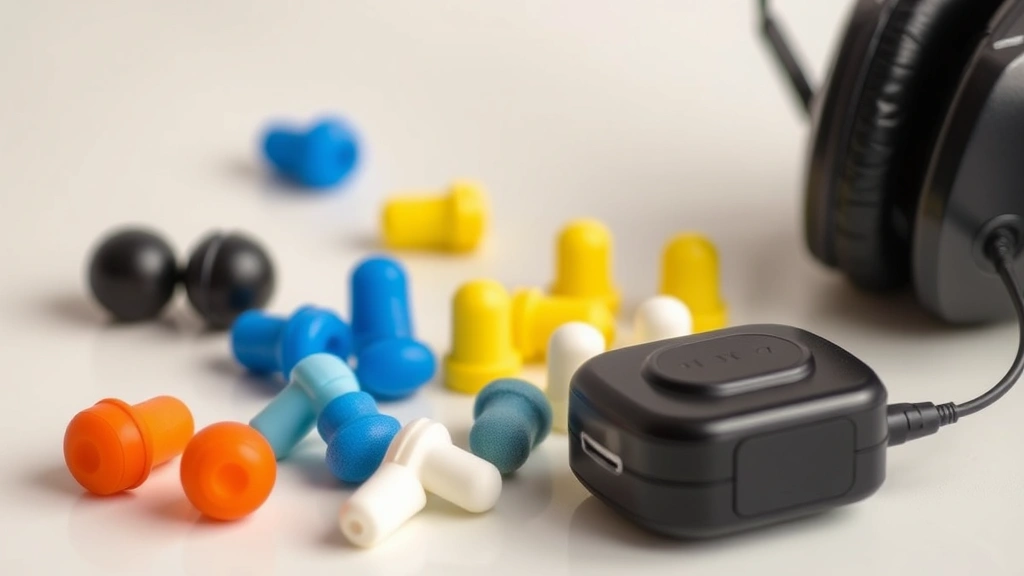
Passive Hearing Protection relies on physical barriers and acoustic absorption to reduce noise. These devices include foam earplugs, custom-molded earplugs, and traditional earmuffs. They provide consistent noise reduction without requiring batteries or electronic components.
Electronic Hearing Protection uses microphones and amplification circuits to provide hearing protection while preserving ambient sounds. These devices allow you to hear range commands and conversations at normal volumes while instantly suppressing impulse noise from gunfire.
Level-Dependent Protection represents a hybrid approach, using mechanical or electronic means to block loud impulse noise while allowing quieter sounds to pass through. This category includes both passive and active electronic systems.
Passive Earplugs: Foam and Custom-Molded Options
Foam earplugs represent the most affordable and accessible form of hearing protection. When inserted correctly, high-quality foam earplugs can provide noise reduction ratings (NRR) of 25-33 decibels. The key to effectiveness lies in proper insertion technique: the earplug must be rolled into a thin cylinder, inserted deeply into the ear canal, and allowed to expand fully.
Many shooters experience inadequate protection because they fail to insert foam earplugs correctly. The earplug must seal the entire ear canal; even small gaps significantly reduce effectiveness. Studies show that improper insertion can reduce protection by 50% or more compared to correct insertion technique.
Custom-molded earplugs offer superior comfort and consistency compared to foam options. An audiologist creates a mold of your ear canal, and manufacturers produce earplugs specifically shaped to your anatomy. This personalized fit ensures proper sealing and allows for extended wear without discomfort. Custom earplugs typically provide NRR ratings of 25-30 decibels and can last several years with proper care.
The primary disadvantage of passive earplugs is that they block all sound, including range safety announcements and communication between shooters. This limitation has led many experienced shooters to prefer electronic alternatives despite their higher cost.
Electronic Hearing Protection Systems
Electronic hearing protection has revolutionized the shooting experience by allowing shooters to hear normal conversations and ambient sounds while instantly suppressing impulse noise. These devices use microphones to detect incoming sound, analyze its characteristics, and activate acoustic dampening circuits when gunfire is detected.
Modern electronic earmuffs employ sophisticated sound processing that distinguishes between sustained sounds (like voices or range equipment) and impulse noise (gunfire). When gunfire is detected, the system instantly reduces the sound level to safe ranges. The response time is typically measured in milliseconds, providing immediate protection.
Digital Signal Processing (DSP) technology enables advanced features in premium electronic earmuffs. DSP algorithms can identify gunfire characteristics and apply appropriate dampening while preserving other environmental sounds. Some systems feature multiple microphones that allow directional audio localization, helping shooters identify sound sources.
Battery life represents an important consideration with electronic systems. Quality hearing protection earmuffs typically operate for 20-40 hours on a single battery set, though some premium models offer extended battery life. Always carry spare batteries to the range, as depleted batteries leave you with standard passive protection only.
The Noise Reduction Rating (NRR) of electronic earmuffs typically ranges from 20-30 decibels. While slightly lower than some passive options, the ability to hear range communications often makes electronic protection the practical choice for many shooters.
Double Protection: Combining Earplugs and Earmuffs
Professional shooters, competitive marksmen, and high-volume shooters often employ double protection by wearing both earplugs and earmuffs simultaneously. This approach provides maximum noise reduction and is recommended by hearing protection specialists for individuals who shoot frequently or in particularly loud environments.
When combining foam earplugs with electronic earmuffs, you achieve cumulative noise reduction. The earplugs provide a baseline protection level, while the earmuffs add additional attenuation. This combination can provide effective noise reduction exceeding 40 decibels, offering substantial protection even in the most intense shooting scenarios.
Double protection does require careful attention to proper insertion and fitting. Both devices must be inserted or positioned correctly to achieve their rated protection levels. Many shooters find that starting with double protection and potentially reducing to single protection as they gain experience and confidence is a prudent approach.
For shooters engaging in high-volume shooting sessions or using particularly loud calibers like .338 Lapua Magnum or 12-gauge shotguns, double protection is strongly recommended. The cumulative hearing damage from high-volume shooting can be substantial, and the relatively minor discomfort of double protection is far preferable to permanent hearing loss.
Top Expert-Recommended Products
3M Peltor Sport Tactical 500 represents an excellent entry point into electronic hearing protection. These earmuffs feature digital sound processing with automatic shutoff, excellent comfort padding, and a reasonable price point. The NRR of 26 decibels provides solid protection, and the ability to hear range communications makes them practical for most shooters.
Walkers Razor Slim Electronic Muffs offer a compact design with excellent battery life. The low-profile design makes them compatible with most firearms and shooting positions, and the automatic gain control provides consistent protection across varying noise levels. The NRR of 23 decibels is adequate for most shooting applications.
Howard Leight Impact Sport earmuffs combine affordability with reliable performance. These devices feature impact-activated sound compression that provides instant protection while preserving ambient sound. The compact design and comfortable fit make them suitable for extended range sessions.
Etymotic Research ER20XS Custom Earplugs provide an intermediate option between standard foam earplugs and fully electronic systems. These earplugs use a small acoustic filter that provides passive protection while preserving the ability to hear conversations. The flat frequency response makes them suitable for both shooting and general hearing protection.
SureFire EP7 Sonic Defenders represent premium passive earplugs with level-dependent technology. These earplugs use a mechanical valve system that closes when exposed to loud impulse noise, providing automatic protection without electronic components. The design preserves hearing ability for normal conversation while protecting against gunfire.
Fit, Comfort, and Compliance Factors
The most effective hearing protection device is worthless if you won’t wear it consistently. Comfort, fit, and ease of use are critical factors that determine whether you’ll actually use your hearing protection during every range session.
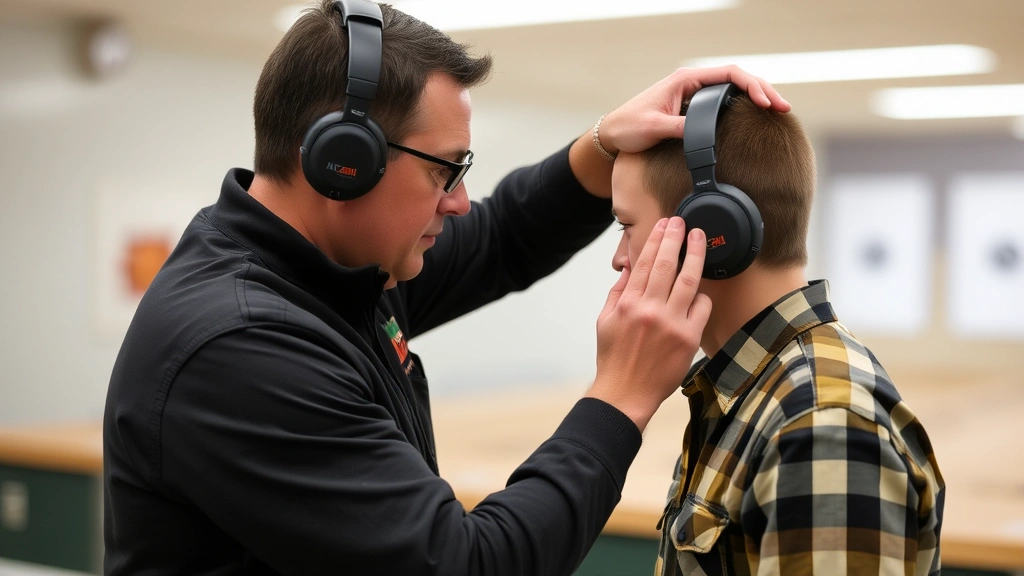
For earmuff-style protection, proper headband adjustment is essential. The earmuffs should seal completely around the ears without excessive pressure that causes discomfort during extended wear. If earmuffs are too loose, they won’t provide adequate protection; if too tight, they’ll cause fatigue and encourage removal.
Eyeglass compatibility represents an important consideration for shooters who wear corrective lenses. Traditional earmuffs can create gaps in the acoustic seal if eyeglasses push the ear cups away from the head. Several manufacturers now offer earmuff designs specifically engineered for eyeglass wearers, featuring lower-profile ear cups that accommodate the eyeglass arms.
Foam earplugs require consistent insertion technique to maintain effectiveness. Many shooters benefit from practice and training on proper insertion methods. Some ranges offer hearing protection instruction, and audiologists can provide detailed guidance on achieving correct insertion depth and seal.
Consider your shooting environment when selecting hearing protection. Indoor ranges present different acoustic conditions than outdoor shooting areas. Indoor ranges typically have harder surfaces that reflect sound, potentially creating additional noise exposure compared to outdoor ranges with natural sound absorption.
Maintenance and Care of Hearing Protection
Proper maintenance extends the lifespan of your hearing protection devices and ensures they continue providing optimal protection. Foam earplugs should be replaced regularly—typically every 2-4 weeks for shooters who use them frequently. Over time, foam compresses and loses its acoustic properties, reducing protection effectiveness.
Custom-molded earplugs should be cleaned regularly with mild soap and water, then dried thoroughly before storage. Inspect them periodically for cracks, deformation, or deterioration of the acoustic material. Most custom earplugs last 3-5 years with proper care.
Electronic earmuffs require battery replacement according to manufacturer specifications. Check battery contacts periodically for corrosion, and clean them gently with a dry cloth if needed. Store earmuffs in a protective case when not in use to prevent damage to the delicate microphones and electronic components.
Earmuff ear cups and headbands should be inspected regularly for deterioration of the padding material. Worn padding reduces comfort and can compromise the acoustic seal. Replacement ear cup kits are available for most quality earmuff models and represent an economical way to extend device lifespan.
Keep hearing protection devices away from extreme heat and moisture. High temperatures can damage electronic components and degrade acoustic materials. After shooting in humid conditions, allow earmuffs to air dry completely before storing them.
FAQ
What is the best hearing protection for indoor shooting ranges?
For indoor ranges, electronic earmuffs combined with foam earplugs provide optimal protection. The hard surfaces in indoor ranges reflect sound, creating additional noise exposure. Electronic earmuffs allow you to hear range safety commands while the combination provides maximum attenuation. Look for devices with NRR ratings of 25 or higher.
Can I use the same hearing protection for shooting and hunting?
While the same devices can be used for both applications, hunting presents unique challenges. Hunters need to preserve directional hearing to detect game movement, making electronic hearing protection with directional audio processing particularly valuable. Consider devices that allow you to hear quieter environmental sounds while protecting against gunfire.
How do I know if my earplugs are inserted correctly?
Correctly inserted foam earplugs should feel snug and comfortable, with the earplug material filling the entire ear canal. You should feel a slight pressure, but not pain or discomfort. If you can still hear loud external sounds clearly, your earplugs may not be inserted deeply enough. Many audiologists offer insertion training.
Are expensive hearing protection devices significantly better than affordable options?
Higher price often reflects better materials, longer battery life, and advanced features like directional audio processing. However, affordable options like 3M Peltor Sport or Howard Leight Impact Sport provide adequate protection for most shooters. The most important factor is consistent use of properly fitted protection.
Should I use hearing protection if I only shoot occasionally?
Yes, absolutely. Even occasional exposure to gunfire can contribute to cumulative hearing damage. A single shooting session can cause temporary threshold shift (temporary hearing reduction), and repeated occasional exposure compounds over time. Professional hearing protection should be used regardless of shooting frequency.
What’s the difference between NRR and actual protection?
Noise Reduction Rating (NRR) represents the noise reduction in laboratory conditions with perfect fit and insertion. Real-world protection is typically 50-75% of the rated NRR due to improper fit or insertion. This is why proper technique and double protection are recommended for serious shooters.
Can I wear hearing aids instead of hearing protection?
Hearing aids amplify sound and are not designed to provide noise protection. In fact, wearing hearing aids into a loud shooting environment without additional hearing protection could expose your ears to even greater risk. Always use dedicated hearing protection devices designed for impulse noise.
How often should I replace my hearing protection?
Foam earplugs should be replaced every 2-4 weeks with regular use. Custom-molded earplugs typically last 3-5 years. Electronic earmuffs should be inspected annually for damage, with ear cup padding replaced as needed. Battery replacement depends on usage patterns but typically occurs annually or biannually.


