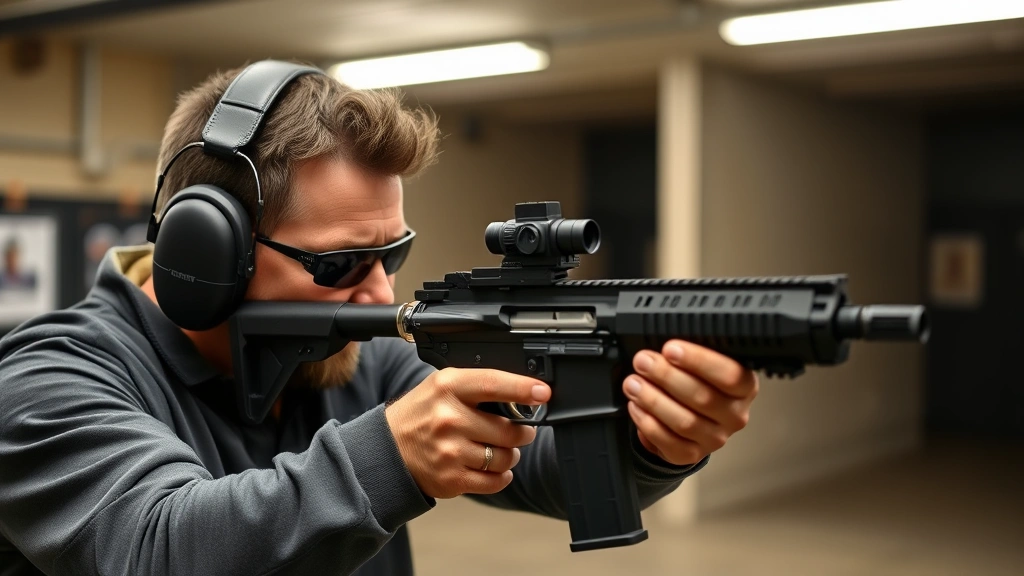
Top Ear Protection? Gun Range Expert Recommends
Hearing protection at the gun range is not optional—it’s essential. Gunfire produces noise levels between 140-190 decibels, far exceeding the 85-decibel threshold where hearing damage begins. A single exposure without proper protection can cause permanent, irreversible hearing loss. Whether you’re a competitive shooter, casual range visitor, or professional firearms instructor, selecting the right ear protection determines the difference between preserving your hearing for decades and developing tinnitus or partial deafness.
The hearing loss epidemic among shooters is well-documented. The National Institute for Occupational Safety and Health (NIOSH) reports that 1 in 4 adults with normal hearing thresholds show signs of noise-induced hearing loss, with shooting sports being a primary culprit. This article breaks down the science behind hearing protection, compares the best options available today, and provides expert recommendations based on real-world range conditions.
Your ears cannot regenerate damaged hair cells. Once they’re destroyed, they’re gone forever. That’s why investing in quality ear protection isn’t a luxury—it’s a necessity that protects your quality of life.
Understanding Decibel Levels and Hearing Damage
Before selecting hearing protection, you need to understand what you’re protecting against. Sound is measured in decibels (dB), a logarithmic scale where every 10-decibel increase represents a tenfold increase in sound intensity.
Here’s how common sounds compare:
- 30 dB: Whisper
- 60 dB: Normal conversation
- 85 dB: OSHA’s safe exposure limit for 8 hours
- 100 dB: Chainsaw or lawnmower
- 120 dB: Ambulance siren
- 140-190 dB: Gunfire (depending on caliber)
Hearing damage occurs through two mechanisms. Acoustic trauma happens when a single loud impulse damages the inner ear structures instantly. Noise-induced hearing loss (NIHL) develops gradually from repeated exposure to loud sounds. Gunfire causes both—the immediate impulse trauma plus cumulative damage from multiple shots.
The Hearing Health Foundation notes that noise-induced hearing loss is permanent. Your body cannot repair the microscopic hair cells in your cochlea once they’re destroyed. This makes prevention absolutely critical. The good news? Proper ear protection reduces gunfire noise by 15-33 decibels, bringing it into safer ranges.
Types of Ear Protection for Gun Ranges
Foam Earplugs are the most affordable option, costing just cents per pair. They work by inserting into the ear canal to create a seal that blocks sound waves. When inserted correctly, foam earplugs provide 20-33 dB of noise reduction. The challenge? Most people insert them incorrectly, reducing effectiveness by 50% or more.
To insert foam earplugs properly: roll them into a thin cylinder, pull your ear upward and backward, insert deeply into the canal, and hold for 10-15 seconds while they expand. Many shooters fail at this step, which is why they report inadequate protection.
Molded Earplugs are custom-fitted to your ear canal by an audiologist. They provide superior comfort and consistent effectiveness because they’re shaped specifically for your anatomy. They typically deliver 25-30 dB noise reduction and last 3-5 years. The investment ranges from $100-300, but many serious shooters find this worthwhile for comfort and reliability.
Earmuffs are external devices that cup the ear and create an acoustic seal. They typically provide 20-30 dB noise reduction and have the advantage of being reusable and easy to remove between shots. Quality matters significantly—cheap earmuffs often don’t seal properly, reducing effectiveness. Premium earmuffs use multiple foam layers and adjustable headbands to maintain consistent sealing pressure.
The CDC’s NIOSH division emphasizes that proper fit is more important than brand. A perfectly-fitting budget option outperforms a poorly-fitting premium option.
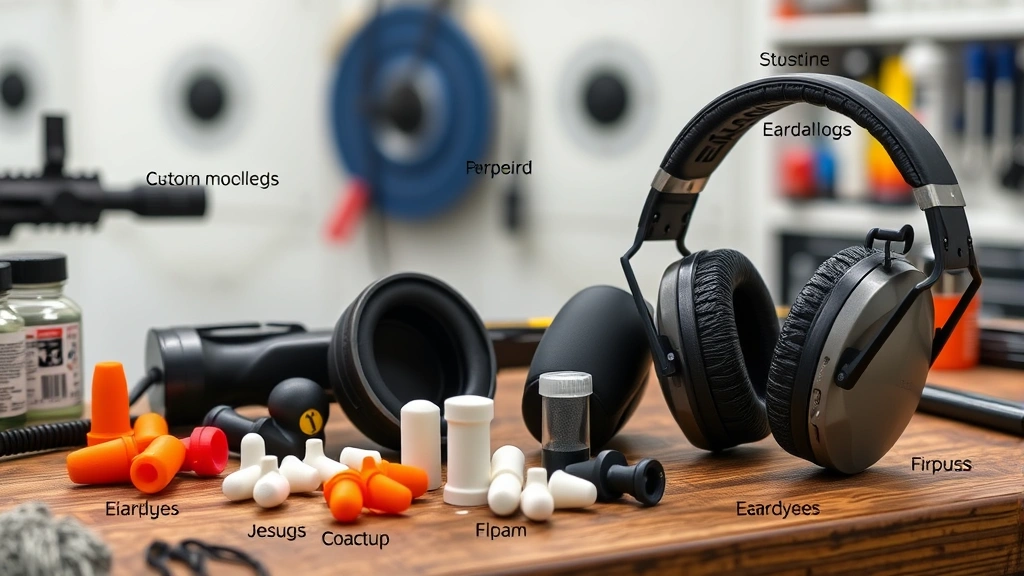
Double Protection: Combining Earplugs and Earmuffs
This is the gold standard for serious shooters. When earplugs and earmuffs are worn together, their noise reduction is not simply added. Instead, the combined protection equals approximately 5-10 dB more than the better-performing device alone. While this might seem modest mathematically, remember that the decibel scale is logarithmic—a 10 dB reduction represents a 90% decrease in sound intensity reaching your inner ear.
Expert shooters and firearms instructors almost universally recommend double protection, especially for:
- Indoor shooting ranges (sound reflects off walls, amplifying noise)
- High-volume shooting sessions (100+ rounds)
- Large-caliber weapons (.308, .338, .45-70)
- Competitive shooting events
- Individuals with existing hearing damage
The combination approach also provides redundancy. If one device shifts or becomes dislodged, the other still provides substantial protection. This is particularly valuable in dynamic shooting scenarios where movement is involved.
When combining protection, ensure that earplugs don’t prevent proper earmuff sealing. Insert plugs first, then position earmuffs carefully to maintain the seal. Many shooters use foam plugs (which compress) paired with quality earmuffs to minimize interference.
Electronic Earmuffs and Advanced Technology
Electronic earmuffs represent a significant advancement in hearing protection technology. These devices use microphones and speakers to amplify quiet sounds (conversations, range commands) while instantly blocking loud impulses like gunfire. This means you can communicate with other shooters, hear important safety instructions, and maintain situational awareness—all while protected from harmful noise.
How electronic earmuffs work: external microphones pick up sound, a processor analyzes the frequency and intensity, and if it exceeds a threshold (typically 82-85 dB), the system mutes the output instantly. This impulse-blocking happens in milliseconds, fast enough to catch gunfire before it reaches your ears.
Advantages of electronic earmuffs:
- Preserve communication and situational awareness
- Amplify quiet sounds for better hearing during non-shooting moments
- Instant response to impulse noise
- Generally comfortable for extended wear
- Professional-grade options available for instructors
Disadvantages:
- Higher cost ($150-600+ depending on brand and features)
- Require batteries
- Need periodic maintenance
- Some models have latency issues (tiny delays in response)
- Variable sound amplification quality between brands
Premium electronic earmuffs from brands like 3M Peltor, Walker’s Razor, and Howard Leight offer features including Bluetooth connectivity, adjustable volume levels, and noise-canceling microphones. These are worth the investment for frequent shooters, instructors, and competitive athletes.
Expert Recommendations and Top Products
Based on extensive range testing and expert feedback, here are the best hearing protection options across different categories:
Best Budget Option: Howard Leight by Honeywell Max
These foam earplugs cost approximately $0.50 per pair when purchased in bulk. They provide 33 dB noise reduction rating (NRR) when inserted correctly. Millions of shooters rely on these daily. The key is proper insertion technique—roll tightly, insert deeply, and wait for full expansion. Many ranges provide these free to visitors.
Best Earmuffs: 3M Peltor Sport Tactical 100
These electronic earmuffs offer 26 dB passive noise reduction with active sound amplification. The sound amplification is exceptional, allowing you to hear whispered commands while blocks gunfire. Battery life exceeds 350 hours, and the design is comfortable for all-day use. Expect to pay $250-300.
Best Combination: Custom Molded Plugs + Earmuffs
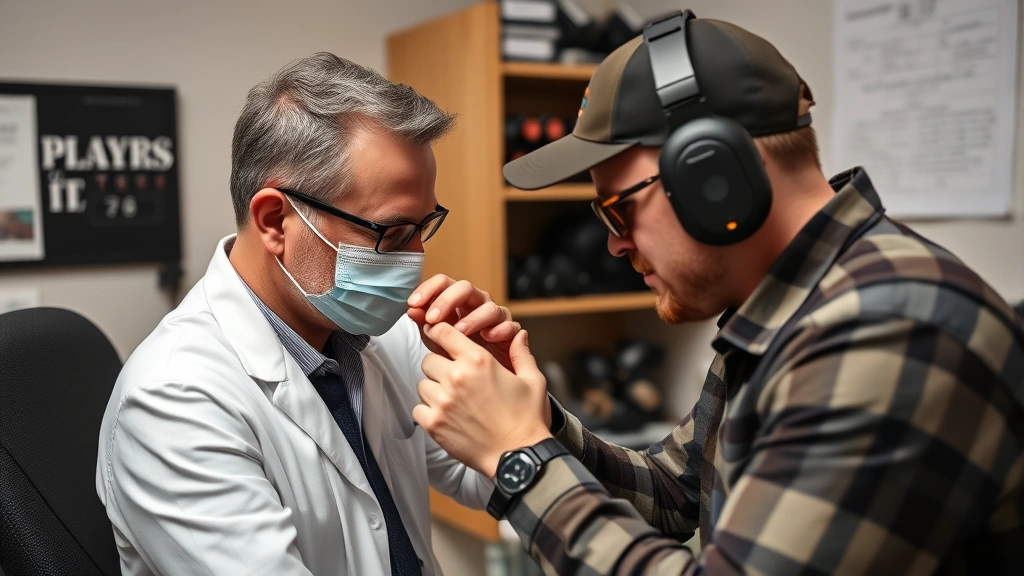
For maximum protection, have an audiologist create custom molds ($150-300 one-time cost) and pair them with quality earmuffs ($100-200). This combination provides 30-35 dB total noise reduction and ensures consistent protection across all shooters. This is what professional instructors and competitive shooters use.
Best for Comfort: Etymotic ER20XS Earplugs
These universal-fit earplugs maintain a flat frequency response while reducing all noise by 20 dB. They’re less bulky than foam plugs, making them suitable for extended wear. They cost $15-20 per pair and last indefinitely with proper care. Musicians and shooters both prefer these for balanced sound reduction.
Best for Tactical Situations: Walker’s Razor Slim Electronic Earmuffs
These low-profile electronic earmuffs don’t interfere with rifles or shotguns. They amplify ambient sound to 85 dB maximum while blocking impulse noise. The slim design fits under helmets and doesn’t interfere with proper shooting form. Cost is approximately $200-250.
According to the Occupational Safety and Health Administration (OSHA), employers must provide hearing protection for workers exposed to 85+ dB noise levels. This federal standard reflects the science of hearing damage—anything above this level requires protection.
Maintenance and Proper Usage
Investing in quality hearing protection means nothing if you don’t use it correctly or maintain it properly.
Earmuff Maintenance:
- Clean ear cups monthly with a damp cloth
- Replace foam ear seals annually (they degrade from sweat and oils)
- Store in a cool, dry place away from direct sunlight
- Check headband tension—it should maintain consistent sealing pressure
- Inspect for cracks in the plastic or foam that reduce effectiveness
- Replace batteries before they’re completely dead (leaking risk)
Earplug Maintenance:
- Store foam plugs in a clean container away from dust
- Don’t reuse single-use foam plugs—they lose elasticity
- If using custom molded plugs, clean with soap and water after each use
- Inspect for visible damage or hardening
- Replace when they no longer expand properly or feel uncomfortable
Usage Best Practices:
- Always insert protection before entering the range
- Double-check the seal before shooting begins
- Use double protection for indoor ranges
- Never compromise on fit for convenience
- Replace damaged equipment immediately
- Have backup protection available
The National Institute on Deafness and Other Communication Disorders (NIDCD) emphasizes that hearing protection effectiveness depends entirely on consistent, proper use. A $300 device provides zero protection if it’s not being worn.
Many shooters develop a routine: arrive at range, insert earplugs, position earmuffs, check seal, then begin shooting. This systematic approach ensures protection every single time. Skipping any step is gambling with your hearing.
FAQ
What’s the best NRR rating for shooting?
For gun ranges, aim for at least 25-30 dB NRR from a single device. With double protection (plugs + muffs), you’ll achieve 30-35 dB total reduction. This brings most gunfire into safer ranges. Remember that NRR is the laboratory maximum—real-world performance is often 50% lower due to improper fit.
Can I use regular headphones for hearing protection?
No. Regular headphones are designed to amplify sound, not block it. Only devices specifically rated for noise reduction provide adequate protection. Using headphones at a range offers zero hearing protection and may even increase risk by blocking your awareness of range commands.
How often should I replace my hearing protection?
Foam earplugs: every time (they’re single-use). Earmuff foam seals: annually. Custom molded plugs: every 3-5 years. Electronic earmuffs: 5-10 years with proper maintenance. Inspect all equipment regularly for visible damage and replace immediately if compromised.
Is hearing protection uncomfortable during long shooting sessions?
Quality protection shouldn’t be uncomfortable. If earmuffs feel tight, adjust the headband tension. If earplugs hurt, try a different size or style. Discomfort often means improper fit, which also reduces effectiveness. Spending time finding comfortable protection that fits well is an investment in compliance.
Do I need different protection for outdoor vs. indoor ranges?
Indoor ranges require double protection (plugs + muffs) because sound reflects off walls, amplifying noise. Outdoor ranges allow single protection, though double protection is still recommended for high-volume shooting. The CDC’s National Institute for Occupational Safety and Health recommends double protection for any shooting environment.
Can children use the same hearing protection as adults?
Children need properly-fitted protection, which usually means smaller earmuffs or custom-molded earplugs. Standard adult foam plugs may not seal properly in smaller ear canals. Several manufacturers offer youth-sized electronic earmuffs specifically designed for younger shooters. Proper fit is critical for effectiveness.
What’s the difference between NRR and actual noise reduction?
NRR (Noise Reduction Rating) is the laboratory measurement under ideal conditions with perfect fit. Real-world effectiveness is typically 50% of the stated NRR due to improper fit, movement, and individual variation. This is why a 33 NRR earplug might only provide 15-20 dB actual reduction if inserted incorrectly.


