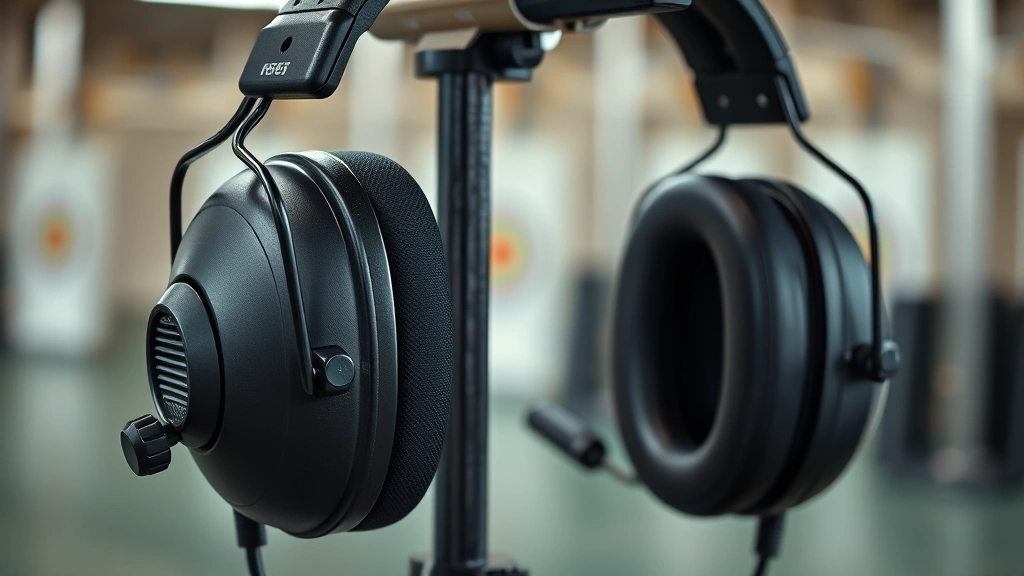
Top Electronic Ear Protection? Expert Recommendations for Shooters
Electronic ear protection has revolutionized how shooters, hunters, and tactical professionals safeguard their hearing while maintaining situational awareness. Unlike passive earplugs that simply block all sound, electronic hearing protection systems amplify ambient noise while instantly suppressing dangerous impulse sounds from gunfire. This technology allows you to hear range commands, conversations, and environmental cues while your ears remain protected from damaging decibel levels that can cause permanent hearing loss.
The market for electronic shooting ear protection has expanded dramatically, with manufacturers offering solutions ranging from budget-friendly options to premium tactical systems. Selecting the right protection depends on your specific use case, budget, and performance requirements. This comprehensive guide examines the leading electronic ear protection options available today, breaking down their features, advantages, and ideal applications for different shooting scenarios.
How Electronic Ear Protection Works
Electronic ear protection utilizes advanced microphone and amplification technology to create a responsive hearing protection system. The device continuously monitors ambient noise levels through built-in microphones. When sound reaches dangerous decibel thresholds—typically above 85 decibels for sustained exposure or 140+ decibels for impulse noise from firearms—the system instantly closes its sound gate, blocking transmission to the wearer’s ears.
The amplification component is equally important. Microphones pick up normal conversation and environmental sounds, amplifying them to audible levels while keeping the wearer safely protected. This dual function allows shooters to hear whispered range instructions or animal movement during hunts while remaining shielded from the explosive blast of gunfire. Modern systems employ digital signal processing to distinguish between different sound types, ensuring precise protection timing measured in milliseconds.
Battery technology powers these systems, typically using standard AA or rechargeable lithium batteries. Premium models offer extended battery life, sometimes lasting 100+ hours of continuous use. The integration of wireless connectivity in newer models enables communication between multiple users on the shooting line, adding another layer of tactical advantage for professional applications.
Key Features to Consider
When evaluating electronic ear protection options, several critical features determine performance and suitability for your needs. Noise reduction rating (NRR) indicates how many decibels the device reduces sound exposure. Look for systems with NRR ratings of 20-30 decibels for adequate protection during shooting activities. However, real-world protection depends on proper fit and seal, making quality construction essential.
Battery life directly impacts usability during extended shooting sessions or hunting trips. Premium systems offer 50-200 hours of operation, while budget options may provide only 15-30 hours. Consider whether you’ll replace batteries frequently or prefer rechargeable options that eliminate this maintenance burden. Wireless connectivity has become increasingly valuable, allowing shooters to communicate without removing protection or compromising hearing safety.
Comfort features significantly influence long-term wearability. Weight distribution, padding materials, and headband tension affect how long you can comfortably wear the protection. Over-the-ear designs work well for shooters wearing glasses, while in-ear options provide discretion and reduced bulk. Moisture resistance matters for hunting applications or humid shooting environments, preventing corrosion and maintaining audio clarity in challenging conditions.
Sound clarity and frequency response determine how naturally amplified sound reproduces. Superior systems preserve speech intelligibility and ambient audio fidelity, while lower-quality options may produce muffled or distorted amplification. Testing before purchase helps ensure the audio experience meets your expectations, particularly if communication is essential to your shooting activities.
Durability construction using impact-resistant materials ensures your investment withstands harsh shooting environments. Military-grade components and weatherproof sealing prevent damage from recoil vibration, dust, and moisture exposure. Check warranty coverage and manufacturer support, as quality protection represents a significant investment warranting comprehensive protection.
Top Electronic Ear Protection Systems
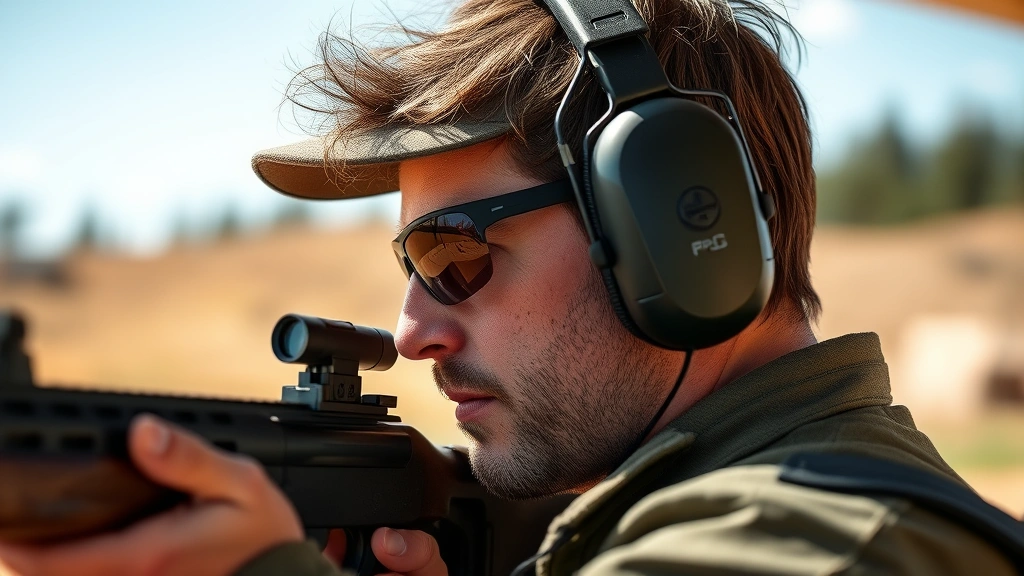
Tactical Communication Systems represent the premium segment, featuring wireless capabilities, voice activation, and integrated communication networks. These systems enable multiple shooters to coordinate seamlessly while maintaining individual hearing protection. Military and law enforcement agencies rely on these platforms for synchronized tactical operations. Expect pricing in the $400-800+ range, with advanced features justifying premium costs for professional applications.
Mid-range electronic protection systems balance performance and affordability, offering solid NRR ratings, decent battery life, and reliable sound gating technology. These options typically cost $150-300 and serve hunters, competitive shooters, and recreational range users effectively. They provide excellent protection without premium features unnecessary for civilian applications. Many shooters find this category offers optimal value, combining safety with practical functionality.
Budget-conscious shooters can access basic electronic protection in the $50-150 range. While lacking advanced features, quality budget systems still provide essential impulse noise suppression and ambient sound amplification. These work well for occasional range visits or recreational shooting, though frequent users may prefer investing in more durable mid-range options. Read reviews carefully to ensure budget models deliver adequate protection rather than false economy.
Specialized systems exist for specific applications. Hunting-focused models emphasize wildlife sound amplification, helping hunters detect game movement while blocking muzzle blast. Competitive shooting systems prioritize communication capabilities and consistent performance across high-volume ammunition expenditure. Indoor range-optimized protection may feature enhanced feedback suppression, preventing echo amplification in enclosed spaces.
Explore detailed comparisons through resources like CISA guidance on occupational safety, which includes hearing protection standards. Professional audiology resources provide technical specifications and real-world performance data. Consulting NIST standards for personal protective equipment ensures selected systems meet rigorous safety benchmarks established by government agencies.
Comparing Price Points
Budget electronic ear protection ($50-150) provides basic impulse suppression suitable for occasional shooters. These systems deliver adequate protection through simple sound gating mechanisms without sophisticated audio processing. Durability may be limited, and battery life typically maxes out around 30-40 hours. Comfort may suffer due to cheaper materials and simpler ergonomic design. This tier works for learning proper hearing protection habits without significant financial commitment.
Mid-range systems ($150-300) offer substantially improved performance, durability, and comfort. Battery life extends to 80-100+ hours, materials resist moisture and impact better, and audio clarity improves noticeably. Many shooters find this category represents optimal value, providing professional-grade protection without tactical features they may never use. These systems typically last 5-7 years with proper care, making per-use costs quite reasonable over their lifespan.
Premium tactical systems ($300-800+) integrate wireless communication, advanced signal processing, and military-grade construction. These excel in professional environments where communication and coordination between multiple users proves essential. Advanced noise discrimination technology prevents false triggering from loud ambient noise, maintaining consistent protection in complex acoustic environments. Military units and professional security teams justify premium pricing through enhanced operational capability.
Cost-benefit analysis depends entirely on your usage patterns. Occasional recreational shooters may never justify premium system costs, while professional users operating daily benefit from superior durability and features. Consider total cost of ownership including battery replacement, repairs, and longevity. A $200 system lasting seven years costs roughly $29 annually, while a $50 budget system requiring replacement every two years actually costs more long-term.
Maintenance and Care
Proper maintenance extends electronic ear protection lifespan and ensures consistent performance. Store systems in dry environments, as moisture damages sensitive electronic components irreversibly. Use protective cases during transport, preventing impact damage to microphones and speakers. Clean external surfaces regularly with soft, dry cloths, avoiding harsh solvents that may degrade materials or damage seals.
Battery management directly impacts longevity. Remove batteries during extended storage periods, preventing corrosion that destroys internal circuitry. For rechargeable systems, follow manufacturer guidelines regarding charging cycles and storage conditions. Many users prefer purchasing backup batteries, ensuring continuous operation without downtime during extended shooting sessions.
Ear cushion replacement maintains comfort and acoustic seal integrity. Most systems include replacement pads, and manufacturers offer affordable refurbishment kits. Inspect cushions regularly for deterioration, as worn padding reduces comfort and compromises hearing protection effectiveness. Proper fit ensures sound gating functions as designed, so addressing fit issues immediately improves overall system performance.
Professional servicing becomes worthwhile for premium systems experiencing performance degradation. Manufacturers often provide repair services, replacing worn components and recalibrating audio systems to original specifications. This preventive maintenance costs less than replacement and extends system life indefinitely. Registering your purchase with manufacturers may unlock warranty benefits and service discounts.
Environmental considerations matter when using electronic protection in extreme conditions. High-temperature environments may stress battery performance, while cold conditions can temporarily reduce effectiveness until systems warm to operating temperature. Dusty environments require more frequent cleaning to prevent microphone obstruction. Planning maintenance around your specific shooting environment ensures optimal protection year-round.
FAQ
What decibel level do electronic ear protection systems protect against?
Quality electronic systems suppress impulse noise exceeding 140 decibels while allowing safe amplification of ambient sounds below 85 decibels. This dual-level protection preserves situational awareness while preventing hearing damage from firearm discharge. Individual systems vary, so verify specific NRR ratings and impulse suppression specifications before purchasing.
Can electronic ear protection be worn with eyeglasses?
Over-the-ear designs accommodate eyeglasses well, though they may create pressure points over extended wearing periods. In-ear models eliminate this issue entirely. Some shooters prefer behind-the-neck designs that distribute pressure more evenly. Try different styles before committing to ensure comfort with your specific eyewear configuration.
How long do batteries typically last?
Battery life varies dramatically between systems. Budget models may manage 15-30 hours, while mid-range options often exceed 100 hours. Premium tactical systems sometimes offer 150+ hours of continuous operation. Rechargeable systems eliminate battery replacement costs but require charging infrastructure. Consider your typical usage patterns when evaluating battery specifications.
Are wireless electronic ear protection systems reliable for communication?
Modern wireless systems prove highly reliable within manufacturer-specified ranges, typically 100-300 feet depending on model and environment. Military and law enforcement extensively use wireless systems for critical operations, validating their reliability. Test systems in your specific shooting environment to verify communication quality before depending on them operationally.
What’s the difference between electronic and passive hearing protection?
Passive protection simply blocks all sound through physical barriers, eliminating situational awareness. Electronic systems amplify safe sounds while suppressing dangerous impulses, maintaining communication and environmental awareness. Electronic options cost more but provide superior functionality for most shooting applications. OSHA hearing protection guidelines recognize both as valid approaches, though electronic systems increasingly dominate professional applications.
Can children use electronic ear protection safely?
Purpose-designed pediatric systems exist, featuring smaller sizing and adjusted audio levels appropriate for younger users. Adult systems rarely fit children properly, compromising both comfort and protection effectiveness. Consult with manufacturers regarding age-appropriate options, as proper fit proves essential for hearing protection efficacy in developing ears.
How do I know if my electronic ear protection is working correctly?
Test systems by speaking at normal volume—you should hear amplified speech clearly. Clap hands loudly—the system should suppress the sound immediately. Check battery indicators regularly, replacing or recharging as needed. Listen for audio distortion or inconsistent gating behavior, which may indicate component failure requiring professional service.
What external resources provide authoritative hearing protection information?
The CDC’s NIOSH division publishes comprehensive hearing protection research. Professional audiology organizations offer technical guidance on selecting appropriate protection. Shooting sports associations maintain resources comparing equipment performance in real-world conditions. Manufacturer specifications provide detailed technical data, though independent reviews offer unbiased performance assessment.


