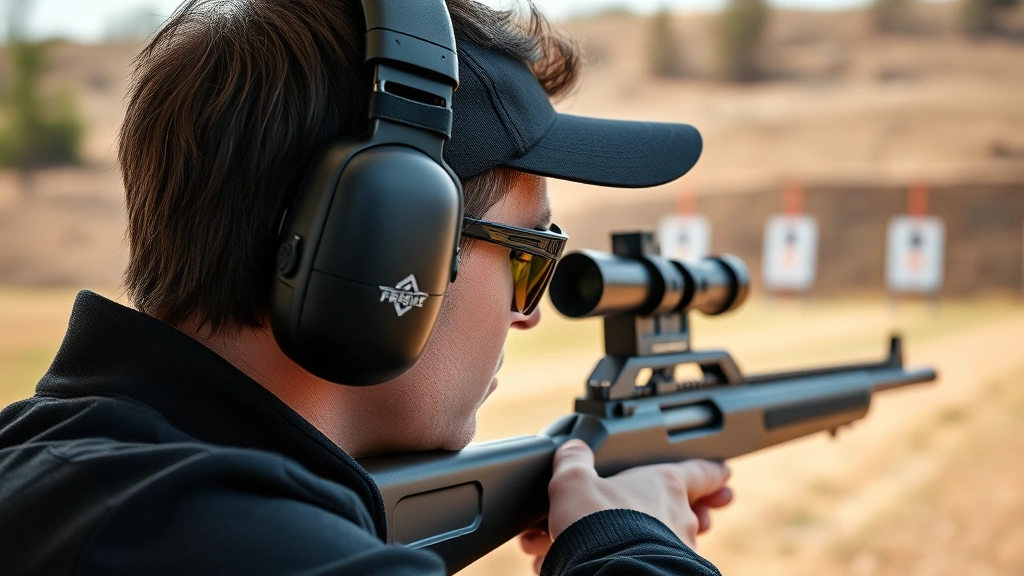
Top Hearing Protection for Shooting: Expert Reviews and Buyer’s Guide
Hearing protection is one of the most critical safety investments for anyone who shoots firearms, attends shooting ranges, or participates in hunting activities. The sound generated by gunfire can reach dangerous levels that cause permanent hearing damage in seconds. According to the CDC’s noise exposure guidelines, a single gunshot can produce noise levels between 140-190 decibels, far exceeding the safe exposure threshold of 85 decibels for extended periods. Without proper electronic hearing protection for shooting, shooters risk irreversible hearing loss that can affect quality of life for decades.
Electronic hearing protection devices have revolutionized how shooters maintain safety while still remaining aware of their surroundings. Unlike passive foam earplugs that simply block all sound, electronic hearing protection amplifies ambient noise and conversations while instantly suppressing dangerous impulse sounds from gunfire. This technology allows shooters to communicate with range partners, hear range officers’ instructions, and maintain situational awareness—all while protecting their hearing from potentially catastrophic damage.
This comprehensive guide explores the best electronic hearing protection options available today, examining features, performance metrics, and real-world applications to help you make an informed decision for your shooting needs.
How Electronic Hearing Protection Works
Electronic hearing protection devices utilize advanced microphone and speaker technology to provide intelligent sound management. The system continuously monitors ambient noise through sensitive microphones, amplifying normal-level sounds like voices and range activity while your hearing protection remains comfortable and natural-feeling. When the device detects sudden loud impulses—such as gunfire—a gate circuit instantly closes, preventing dangerous sound waves from reaching your ears.
This technology operates on a principle called “level-dependent” or “impulse-sensitive” amplification. The microphones sample sound thousands of times per second, with sophisticated algorithms determining whether incoming noise requires suppression. The response time is critical; quality devices suppress impulses in microseconds, fast enough to protect hearing before damage occurs. This is why investing in reputable brands and quality devices matters significantly for your long-term hearing health.
Battery-powered amplification circuits provide the power needed to enhance quiet sounds while simultaneously protecting against loud impulses. Most modern electronic hearing protection devices use rechargeable lithium batteries offering 20-40 hours of continuous use. Some premium models include adaptive algorithms that learn your shooting environment and automatically adjust amplification levels based on venue-specific noise profiles.
Top Electronic Hearing Protection Models
Walkers Razor Slim represents one of the most popular choices among recreational and competitive shooters. These over-the-ear cups feature dual microphones, excellent sound amplification, and exceptional impulse suppression. The compact design reduces weight while maintaining durability, and the noise reduction rating (NRR) of 23 decibels provides substantial protection. Battery life extends to approximately 40 hours, and the device offers customizable volume settings for different shooting environments.
3M Peltor ComTac III serves military and law enforcement professionals who demand reliability in high-stress situations. These communication headsets integrate two-way radio capability with hearing protection, allowing team coordination while maintaining situational awareness. The NRR rating of 20 decibels provides excellent protection, and the rugged construction withstands demanding field conditions. The dual-boom microphone system ensures clear communication even in loud environments.
Howard Leight Impact Sport offers an excellent balance of affordability and performance for shooters on a budget. The impact-activated technology provides fast response times, and the NRR of 22 decibels delivers solid protection. These devices are particularly popular at shooting ranges and hunting outings due to their lightweight design and comfortable fit for extended wear sessions.
SureFire EP7 Sonic Defenders provide in-ear protection that appeals to shooters preferring discrete, compact solutions. These custom-moldable earplugs combine passive and active components, offering flexibility for different shooting scenarios. The modular design allows users to switch between full protection and communication modes, making them versatile for mixed shooting activities.
For shooters seeking premium features, Ops-Core Systems AMP delivers military-grade amplification with exceptional audio clarity. These headsets feature multiple microphone arrays, digital sound processing, and integration capabilities with tactical communication systems. While significantly more expensive than consumer options, they represent the pinnacle of hearing protection technology for professional applications.
Key Features to Consider
Noise Reduction Rating (NRR) indicates how many decibels a device reduces sound exposure. Higher NRR values provide greater protection, though ratings above 25-28 decibels offer minimal additional benefit due to the physics of sound attenuation. Most quality electronic hearing protection falls in the 20-25 NRR range, which adequately protects hearing during shooting activities.
Response Time measures how quickly the device suppresses dangerous impulses. Sub-millisecond response times ensure protection before sound reaches the eardrum. When comparing hearing protection options, verify response time specifications; reputable manufacturers publish these technical details. Slower response times may allow dangerous sound energy to penetrate, compromising protection effectiveness.
Amplification Quality affects how naturally you hear ambient sounds. Premium devices use advanced digital signal processing to provide clear, natural-sounding amplification without artificial distortion. Budget options may amplify sounds adequately but sometimes introduce tinny or unclear audio quality. If you spend extended time at ranges, audio quality significantly impacts user comfort and adoption.
Comfort and Fit determine whether you’ll consistently wear protection during all shooting activities. Lightweight designs, adjustable headbands, and soft ear cup padding reduce fatigue during extended sessions. Some shooters prefer in-ear options for discretion and comfort, while others favor over-the-ear designs for superior sound isolation. Your face shape, ear size, and personal preferences should guide this decision.
Battery Life and Charging affect practical usability. Devices offering 20+ hours per charge eliminate frequent recharging during shooting seasons. Some premium models include solar charging or ultra-long-life batteries. Consider whether you prefer rechargeable lithium batteries or replaceable alkaline options; rechargeable batteries reduce long-term costs but require charging infrastructure.
Durability and Build Quality matter for devices that endure outdoor conditions, moisture exposure, and occasional impacts. Military-grade materials and weather-resistant designs extend device lifespan. Check warranty coverage and manufacturer reputation for standing behind products when defects occur.
Passive vs. Electronic Protection
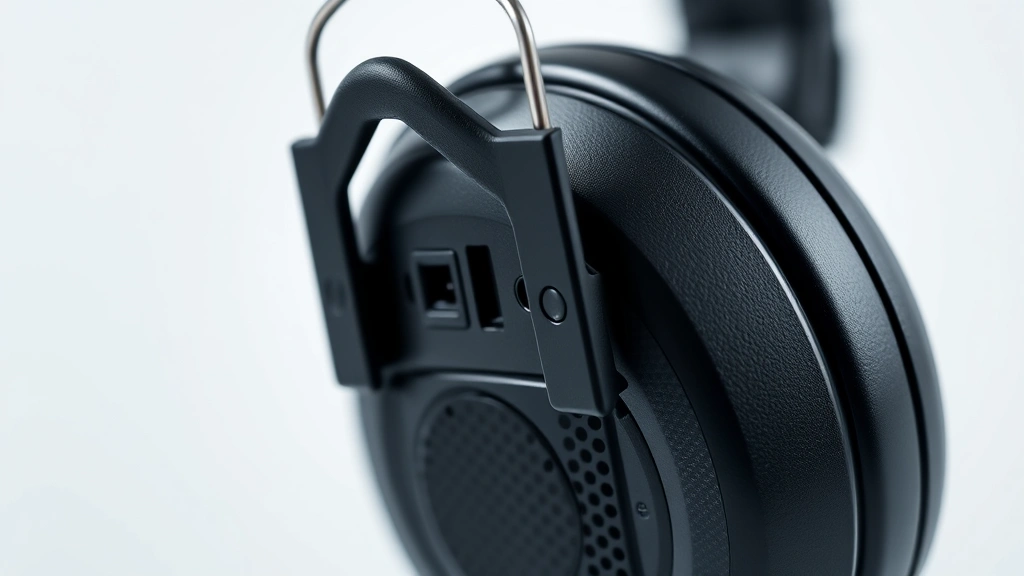
Passive hearing protection, including foam earplugs and traditional earmuffs, relies solely on physical barriers and acoustic materials to block sound. While significantly less expensive than electronic options, passive protection eliminates all ambient sound, making communication difficult and preventing awareness of important range sounds. Shooters using passive protection cannot hear range officers’ instructions, emergency warnings, or partner communication without removing their protection.
Electronic hearing protection overcomes these limitations by selectively suppressing only dangerous impulse sounds while preserving normal-range audio. This selective amplification provides superior situational awareness, making electronic devices particularly valuable for hunting where detecting animal movement and environmental cues proves essential. The ability to maintain communication while protected makes electronic options ideal for group shooting activities and training sessions.
Many experienced shooters employ dual protection strategies, combining electronic earmuffs with foam earplugs for maximum safety during high-volume shooting sessions. This layered approach provides additional noise reduction, particularly valuable during competitive shooting events or extended range days with multiple shooters. The combination approach offers NRR ratings exceeding 30 decibels when properly implemented.
Cost considerations significantly influence protection choices. Quality electronic hearing protection ranges from $100-500+, while passive options cost $10-50. However, considering long-term hearing health and quality-of-life impacts, the investment in electronic protection typically proves worthwhile. Hearing damage accumulates over time and cannot be reversed; protecting your hearing now prevents expensive hearing aids and reduced life enjoyment later.
Maintenance and Care
Proper maintenance extends hearing protection device lifespan and ensures consistent performance. Store devices in cool, dry environments away from direct sunlight, which can degrade batteries and speaker components. After shooting sessions, especially in dusty or sandy conditions, gently clean ear cups and microphone ports using soft, dry cloths. Avoid compressed air, which can force debris deeper into components.
Battery maintenance proves critical for reliable protection. Charge rechargeable devices fully before extended shooting sessions, and avoid allowing batteries to fully discharge, which reduces long-term battery capacity. Replace alkaline batteries according to manufacturer recommendations, and never mix old and new batteries in the same device.
Ear cup padding deteriorates over time, reducing comfort and potentially compromising seal effectiveness. Many manufacturers offer replacement padding kits that restore devices to like-new condition. Replacing padding annually for frequently-used devices maintains optimal performance and hygiene. Some users prefer disposable hygiene covers that prevent earwax accumulation on padding.
Regular functional testing ensures your hearing protection works reliably when needed. Before shooting sessions, activate devices and verify amplification functions, battery indicators, and impulse suppression response. Test devices in quiet environments first to confirm proper operation before depending on them during actual shooting activities.
Store devices with batteries removed if you plan extended storage periods exceeding one month. This prevents battery corrosion and chemical leakage that can damage internal components. Follow manufacturer storage guidelines for optimal device preservation and longevity.
Frequently Asked Questions
What Noise Reduction Rating do I need for shooting?
Most shooting applications require NRR ratings between 20-28 decibels. Standard firearms produce 150-190 decibel impulses, and quality hearing protection reduces these to safe levels below 85 decibels. Consult NHTSA hearing protection standards for specific guidance based on your shooting type and frequency.
Can electronic hearing protection fail to protect during impulses?
Quality electronic devices from reputable manufacturers provide reliable impulse suppression with response times measured in microseconds. However, defective units or devices with depleted batteries offer no protection. Always verify device functionality before shooting, maintain batteries properly, and replace devices showing signs of malfunction. When in doubt, supplement with passive protection.
Are electronic earmuffs suitable for all shooting types?
Electronic protection works well for most shooting activities including range practice, hunting, and sport shooting. However, extremely loud environments with sustained high-noise levels—such as military live-fire exercises—may require additional passive protection layers. Consult device specifications and your hearing protection professional for activity-specific recommendations.
How long do electronic hearing protection devices typically last?
Quality devices last 3-7 years with proper care and maintenance. Battery degradation, speaker wear, and electronic component failure gradually reduce performance. Manufacturers typically support devices with replacement parts for 5+ years, allowing users to restore functionality through component replacement rather than complete device replacement.
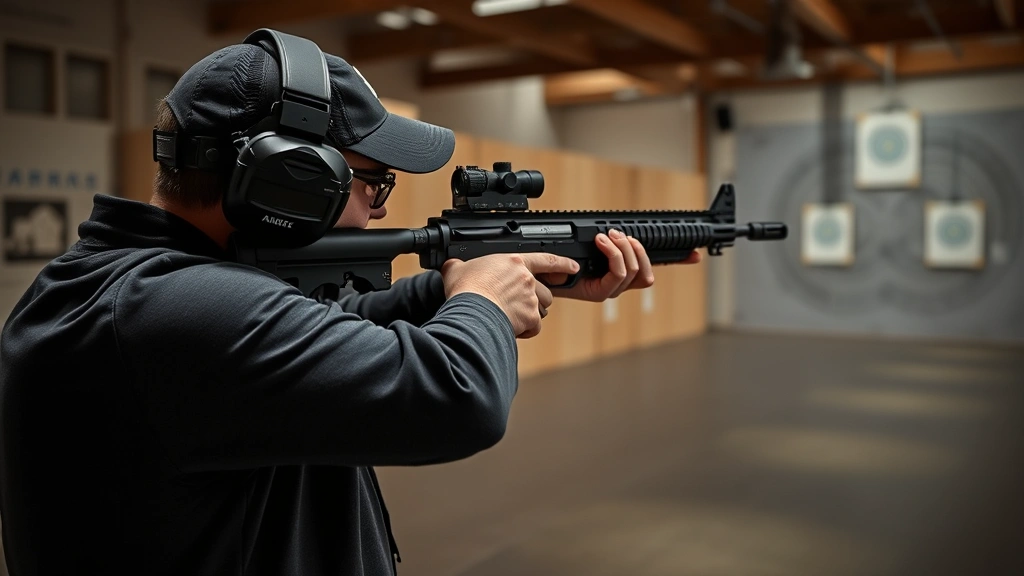
Can I use hearing protection while wearing eyeglasses or shooting glasses?
Most over-the-ear electronic protection accommodates eyeglasses with careful fitting. Ensure ear cup pressure remains consistent despite glasses temples, as loose fits compromise seal effectiveness. In-ear protection options eliminate this compatibility issue entirely. Test your specific device and eyeglass combination before relying on protection during actual shooting.
What’s the difference between impulse suppression and continuous noise reduction?
Impulse suppression protects against sudden loud sounds like gunfire, while continuous noise reduction attenuates ongoing loud noise. Quality shooting protection prioritizes impulse suppression since gunfire represents the primary hearing hazard. Some devices offer both capabilities, providing comprehensive protection across different shooting scenarios.


