Top Electronic Ear Protection: Shooter’s Guide
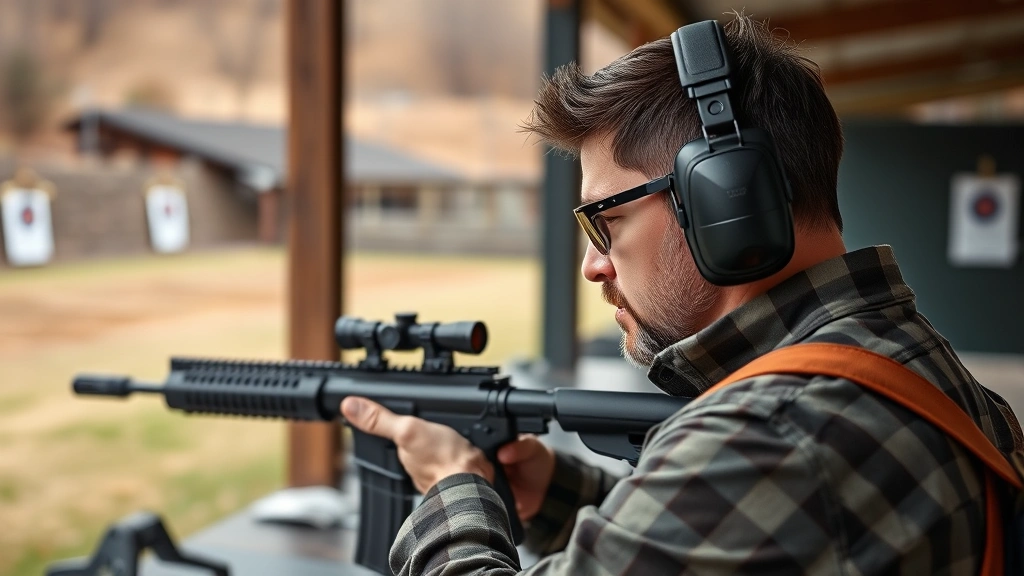
Protecting your hearing during shooting activities is not just a safety recommendation—it’s an essential practice that every responsible shooter must prioritize. The noise generated by firearms ranges from 140 to 190 decibels depending on the caliber and type of weapon, which far exceeds the 85-decibel threshold that can cause permanent hearing damage. Electronic ear protection has revolutionized how shooters safeguard their auditory health while maintaining situational awareness on the range or in the field.
Unlike traditional foam earplugs or passive earmuffs that muffle all sound indiscriminately, electronic ear protection uses advanced technology to amplify quiet sounds while simultaneously blocking dangerous impulses from gunfire. This sophisticated approach allows shooters to hear range commands, communicate with other shooters, and maintain environmental awareness—critical factors for safety and performance. Whether you’re a competitive shooter, hunter, or recreational range enthusiast, understanding the features and capabilities of modern electronic ear protection will help you make an informed decision that protects your long-term hearing health.
How Electronic Ear Protection Works
Electronic ear protection systems operate on a straightforward but ingenious principle: they use microphones to detect incoming sound waves and process them through digital circuitry before the sound reaches your eardrums. When ambient noise—like voices or range activity—is detected at safe levels, the system amplifies these sounds through speakers, actually making it easier to hear conversations and environmental cues than you would with unprotected ears.
The magic happens when the system encounters impulse noise from firearm discharge. Specialized sensors detect the rapid pressure changes characteristic of gunshots and instantly shut down audio transmission, typically within milliseconds. This lightning-fast response prevents the dangerous sound from reaching your inner ear while allowing safe ambient sounds to pass through. Most quality electronic systems can achieve noise reduction ratings (NRR) of 20-30 decibels, which when combined with passive foam inserts, provides comprehensive protection that rivals or exceeds traditional earplugs.
The technology relies on several critical components working in concert. High-quality microphones capture sound from your environment, digital signal processors analyze frequency and intensity in real-time, and sophisticated algorithms distinguish between safe ambient noise and dangerous impulses. Battery-powered amplifiers then deliver processed audio through small speakers positioned in the ear canal. This entire process happens continuously, creating a responsive system that adapts to changing acoustic environments.
Key Features to Consider
When evaluating electronic ear protection for shooting, several critical specifications separate superior models from mediocre alternatives. Understanding these features ensures you invest in protection that meets your specific needs and shooting environment.
Noise Reduction Rating (NRR) represents the decibel reduction the device provides. Higher NRR values (typically 20-30) offer greater protection, but real-world performance depends on proper fit and seal. Most shooters benefit from NRR ratings between 24-30 for centerfire rifle use.
Impulse response time determines how quickly the system shuts down when detecting gunfire. Faster response times—measured in milliseconds—provide superior protection. Leading manufacturers achieve response times under 2 milliseconds, which is fast enough to prevent hearing damage from even the loudest calibers.
Ambient sound amplification varies significantly between models. Some systems provide modest amplification (5-10x), while premium devices offer 50x amplification or greater. This feature proves invaluable for hunters who need to hear subtle environmental sounds or competitive shooters requiring clear communication on busy ranges.
Battery life and power management directly impact usability and operating costs. Quality electronic protection should provide 20-40 hours of continuous operation per battery set. Consider whether the device uses standard AA batteries, rechargeable lithium cells, or proprietary power systems.
Directional audio capability allows some advanced models to amplify sounds from specific directions while reducing background noise. This feature particularly benefits hunters trying to locate game or shooters in chaotic multi-lane range environments.
Comfort and fit cannot be overlooked, as poorly fitting protection will be abandoned in favor of no protection. Premium models feature adjustable headbands, multiple earpiece sizes, and lightweight designs that enable extended wear without fatigue.
Top Brands and Models
Several manufacturers have established themselves as industry leaders in electronic ear protection through consistent innovation and quality manufacturing. These brands represent the cutting edge of shooting ear protection technology.
Surefire EP5 stands as a benchmark for professional-grade protection, offering 50x ambient sound amplification with dual-frequency impulse detection. The device provides separate high and low-frequency processing, allowing superior situational awareness in complex acoustic environments. Its compact, in-ear design and exceptional impulse response make it popular among military and law enforcement professionals.
3M Peltor Combat Arms delivers field-proven reliability with 30x amplification and a robust headband design suitable for extended wear. The integrated foam earpieces provide both passive and active protection, and the device excels in high-noise industrial and range environments.
Walker’s Razor Slim offers an excellent balance of performance and affordability, featuring digital noise suppression and 30x amplification in a lightweight package. The low-profile design accommodates shooting glasses and rifle stocks comfortably, making it ideal for competitive shooters and hunters.
Axil GS Extreme combines advanced processing with durability, providing 50x amplification and simultaneous dual-channel audio processing. Its impact-resistant construction and quick-connect system appeal to tactical professionals and serious recreational shooters.
Howard Leight Impact Sport represents an excellent entry point for shooters new to electronic protection, offering 30x amplification and reliable impulse detection at an accessible price point. Its comfortable fit and proven performance make it a popular choice across shooting disciplines.
Comparing Price Points
Electronic ear protection ranges dramatically in price, from budget-friendly options under $100 to professional-grade systems exceeding $500. Understanding value at different price tiers helps you optimize your hearing protection investment.
Budget tier ($80-150) includes models like the Howard Leight Impact Sport and Walker’s Razor Slim. These devices provide solid fundamental protection with adequate amplification and reliable impulse detection. They suit recreational shooters and hunters with occasional range time who prioritize basic safety without premium features.
Mid-range tier ($150-300) encompasses devices like the 3M Peltor Combat Arms and Axil GS Extreme. These systems offer enhanced amplification, faster impulse response, and improved comfort for extended use. They represent excellent value for competitive shooters and regular range users who demand reliable performance.
Premium tier ($300-500+) includes professional-grade systems like the Surefire EP5 and advanced Walker’s models with cutting-edge features. These devices deliver maximum amplification, superior directional processing, and exceptional build quality. They serve military, law enforcement, and dedicated professionals who require the absolute best performance.
Consider your shooting frequency, environment, and performance requirements when evaluating price versus value. A $200 investment in quality protection will serve you for years, while a cheap $50 device that provides inadequate protection may cost far more in long-term hearing damage and replacement expenses.
Maintenance and Care
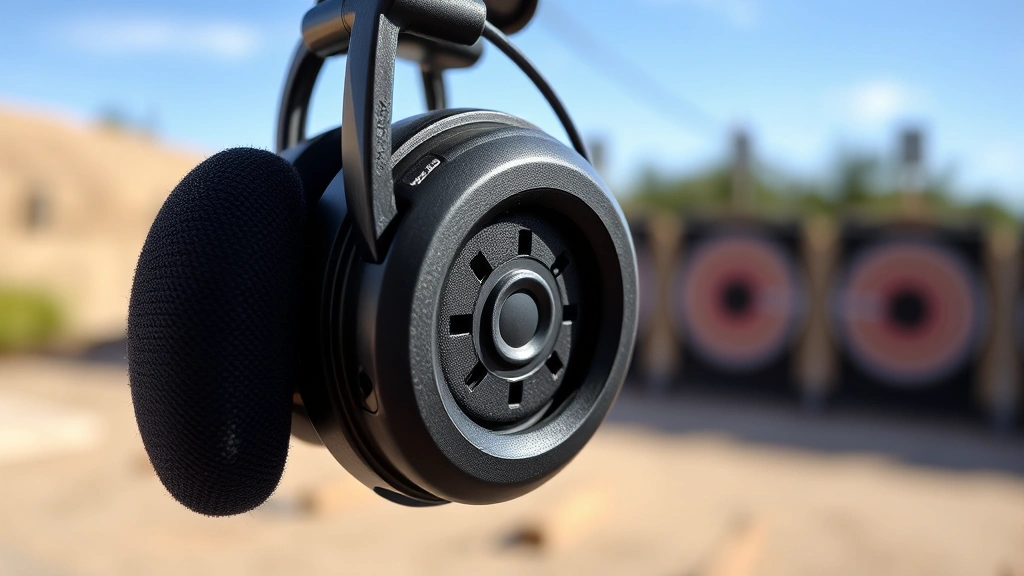
Proper maintenance extends the lifespan of your electronic ear protection and ensures consistent performance. These devices contain sensitive electronics and acoustic components that require thoughtful care.
Battery management proves critical for reliability. Remove batteries during extended storage periods to prevent corrosion and leakage. Use high-quality alkaline batteries from reputable manufacturers, and always replace the complete set rather than mixing old and new batteries. For rechargeable models, follow manufacturer guidelines for charging cycles and storage procedures.
Cleaning procedures should be gentle but regular. Use a soft, dry cloth to wipe external surfaces and remove dust or debris. For earpieces, use slightly damp cloths with distilled water, never submerging the devices. Never use harsh chemicals or solvents that could damage acoustic components or electronic circuitry.
Storage conditions significantly impact longevity. Keep devices in a cool, dry environment away from direct sunlight and extreme temperature fluctuations. Use protective cases when transporting to ranges or hunting locations. Store batteries separately in cool conditions, preferably in airtight containers.
Earpiece hygiene deserves special attention, as these components contact your ears directly. Replace foam earpieces annually or more frequently if they become compressed or deteriorated. Wash reusable earpieces with mild soap and water, allowing complete drying before reinstallation.
Troubleshooting common issues often involves simple solutions. If amplification seems weak, check battery levels and connections first. If impulse response seems sluggish, verify that foam inserts are properly seated and that microphones aren’t obstructed by debris. Consult manufacturer documentation for specific troubleshooting guidance.
Real-World Performance Testing
Understanding how electronic ear protection performs in actual shooting environments differs significantly from laboratory specifications. Real-world testing reveals practical performance that matters when your hearing is at stake.
Independent testing by organizations including the National Institute of Standards and Technology has validated that quality electronic systems provide effective impulse noise protection when properly fitted. Research published by hearing protection manufacturers and confirmed by third-party evaluators demonstrates that these devices reduce peak impulse levels by 20-30 decibels when optimally sealed.
Practical field testing at busy shooting ranges reveals important nuances. Premium devices with 50x amplification significantly outperform basic models in high-noise environments, allowing shooters to hear range commands and communication clearly. This enhanced situational awareness directly improves safety and performance. In quieter hunting environments, even modest amplification (10-30x) proves sufficient for detecting environmental sounds while maintaining hearing protection.
Competitive shooters report that electronic protection facilitates better performance through improved auditory feedback. The ability to hear your own shooting technique—the mechanics of recoil, trigger manipulation, and mechanical feedback—aids in skill development and consistency. This performance enhancement, combined with hearing protection, makes electronic systems particularly valuable for serious competitors.
Comfort testing across extended shooting sessions reveals significant differences between models. Premium devices with adjustable headbands and multiple earpiece sizes maintain proper sealing and comfort even during 8-10 hour shooting days. Budget models sometimes cause discomfort after 3-4 hours of continuous wear, potentially leading to improper fit and reduced protection.
Durability testing demonstrates that quality construction directly impacts long-term value. Professional-grade systems maintain consistent performance after thousands of hours of use, while some budget alternatives experience component degradation or battery contact corrosion within 1-2 years. This reality underscores the importance of selecting devices from reputable manufacturers with proven track records.
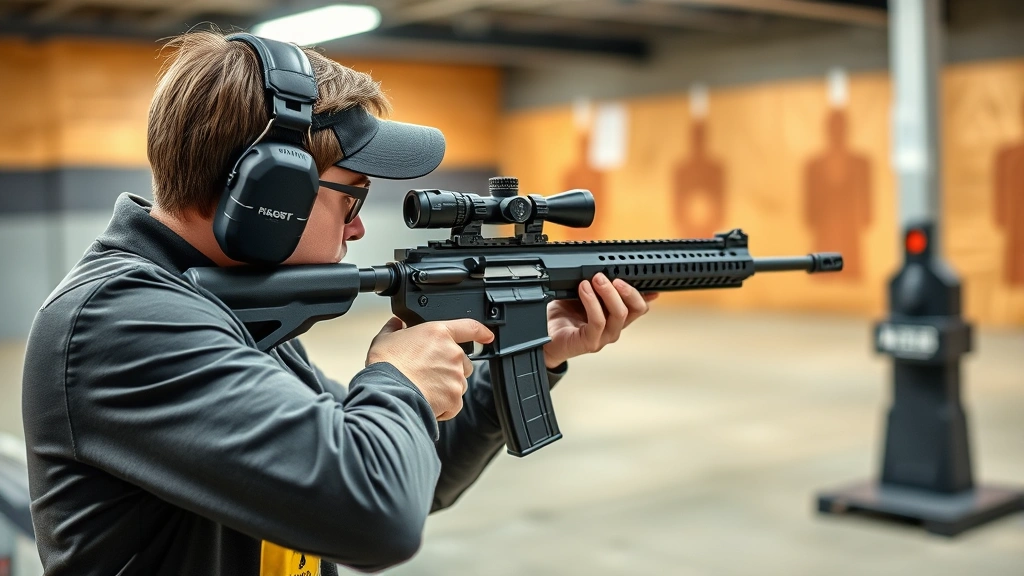
The CDC’s NIOSH division provides comprehensive guidance on hearing protection standards and effectiveness. Their research confirms that properly fitted electronic protection exceeds the effectiveness of passive earplugs when used consistently. Understanding these scientific foundations helps shooters make evidence-based decisions about their hearing protection strategy.
Testing in various acoustic environments—from indoor ranges with hard reflective surfaces to outdoor shooting areas—reveals that device performance remains consistent across conditions. The sophisticated impulse detection in quality systems reliably distinguishes gunfire from other loud noises, preventing false triggering that could compromise protection.
FAQ
What’s the difference between electronic and passive ear protection?
Passive protection (foam earplugs or earmuffs) provides constant noise reduction but blocks all sound indiscriminately, preventing communication and situational awareness. Electronic protection amplifies safe sounds while blocking dangerous impulses, maintaining environmental awareness while providing superior impulse noise protection. For shooting specifically, electronic systems offer significant safety and performance advantages.
Can I wear electronic ear protection under a shooting helmet?
Many shooters successfully wear electronic earmuffs under tactical helmets, though proper positioning and fit adjustment are critical. In-ear electronic models integrate seamlessly with helmet systems. Consult your specific device’s compatibility guidelines and test the fit before relying on it in critical situations.
How long do batteries typically last in electronic ear protection?
Quality devices typically provide 20-40 hours of continuous operation per battery set, with most models using standard AA batteries. Battery life varies based on amplification settings and usage patterns. Always carry spare batteries when shooting, and check battery levels before extended range sessions.
Are electronic ear protection devices waterproof?
Most quality electronic systems feature water-resistant construction suitable for rain and splash exposure, though few are fully waterproof. Check manufacturer specifications regarding water resistance ratings. Always allow devices to dry completely after moisture exposure, and store in dry conditions to prevent corrosion.
Can I use electronic ear protection for other loud activities besides shooting?
Absolutely. These devices work effectively for hunting, construction work, motorsports, and industrial environments. The impulse detection specifically benefits shooters, but the general noise reduction and amplification capabilities prove valuable in any high-noise activity requiring situational awareness.
How do I know if my electronic ear protection fits correctly?
Proper fit creates an acoustic seal that prevents sound from entering around the device. You should hear a noticeable difference in ambient sound amplification when the device is activated. If you hear crackling, feedback, or inconsistent amplification, adjust the earpiece position or try different-sized foam inserts until achieving consistent, clear amplification.
Should I combine electronic protection with foam earplugs for maximum safety?
For maximum impulse noise protection, many professionals double-protect by wearing electronic earmuffs over foam earplugs. This approach can increase total noise reduction to 40+ decibels, providing exceptional safety margins. However, proper fitting becomes more critical with this approach, and comfort during extended use may suffer.


