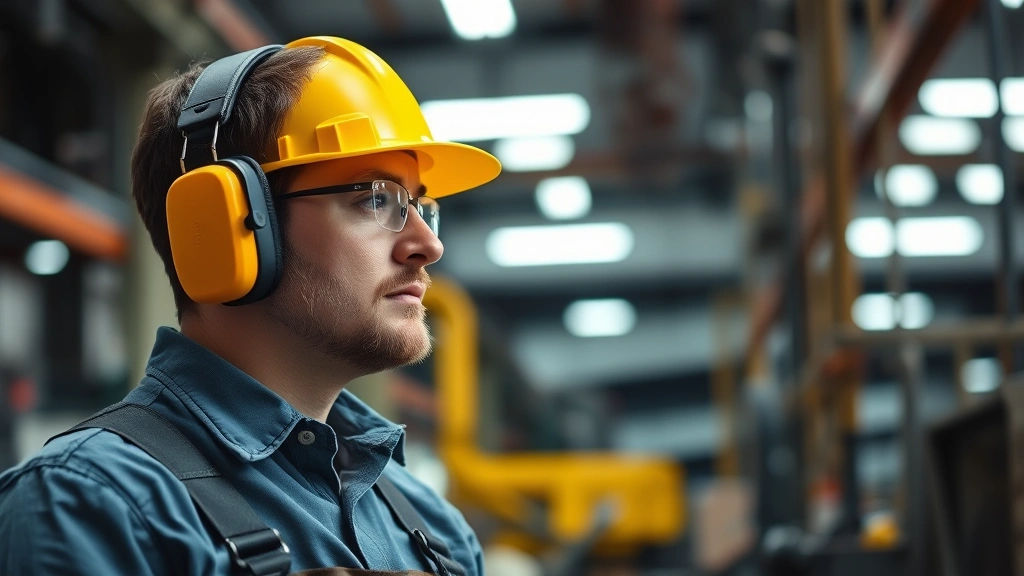
Top Ear Protection for Machinery: Expert Guide to Safeguarding Your Hearing
Occupational hearing loss remains one of the most prevalent workplace injuries, affecting millions of workers across industrial, manufacturing, and construction sectors globally. Machinery-related noise exposure can cause permanent damage to the delicate structures within your ear, leading to irreversible hearing impairment if proper protective measures aren’t implemented. Understanding the best ear protection options available is essential for anyone working in high-noise environments, whether you operate heavy equipment, work in factories, or manage construction sites.
The consequences of inadequate hearing protection extend beyond immediate discomfort. Chronic exposure to loud machinery sounds can result in noise-induced hearing loss (NIHL), tinnitus, and reduced quality of life. Fortunately, modern ear protection technology offers numerous solutions designed to shield your hearing while maintaining communication and situational awareness. This comprehensive guide explores the most effective ear protection strategies, helping you make informed decisions about safeguarding your auditory health in demanding work environments.
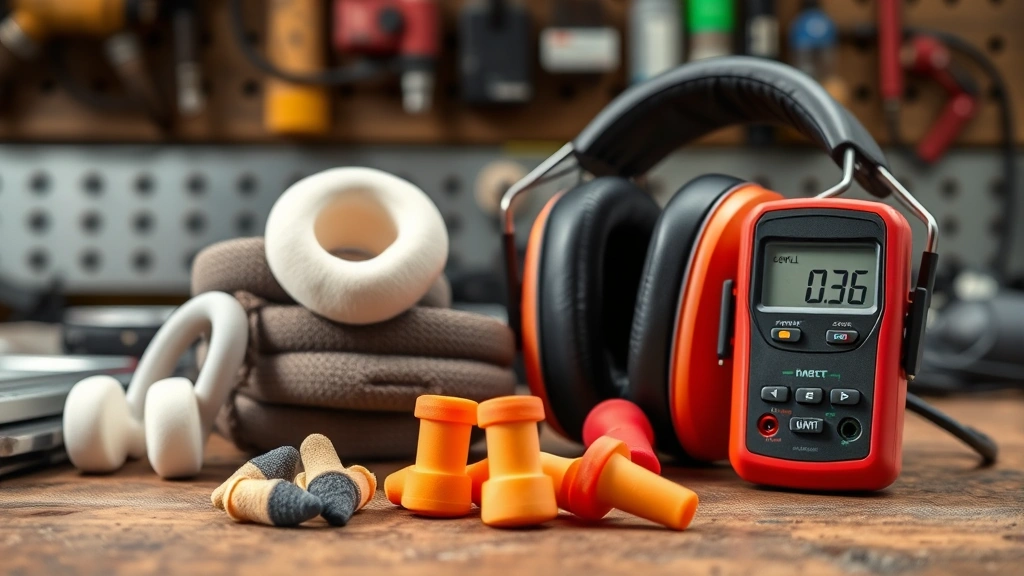
Understanding Noise Levels and Decibel Ratings
Before selecting appropriate ear protection, you must understand how sound intensity is measured and what constitutes hazardous noise levels. The decibel (dB) scale logarithmically measures sound pressure, meaning that small numerical increases represent substantial increases in actual noise intensity. A normal conversation typically registers around 60 dB, while heavy machinery can easily exceed 100 dB, causing immediate hearing damage.
The Occupational Safety and Health Administration (OSHA) establishes that workers exposed to noise levels of 85 dB or higher for an eight-hour workday must use hearing protection. At 90 dB, exposure time must be limited to four hours, while 100 dB permits only two hours of unprotected exposure. Understanding these thresholds helps you recognize when protection becomes mandatory and what level of attenuation your chosen protection must provide.
Noise Reduction Rating (NRR) is the primary metric for evaluating ear protection effectiveness. An NRR of 20, for example, theoretically reduces noise exposure by 20 dB. However, real-world performance typically achieves only 50-75% of the labeled NRR due to improper insertion, fit issues, and environmental variables. When selecting protection, always account for this performance gap by choosing products with higher NRR values than your calculated needs.

Foam Earplugs: Affordable and Effective Protection
Foam earplugs represent the most widely used hearing protection in industrial environments, offering exceptional value and practicality. These expandable foam plugs compress when inserted into the ear canal, then expand to create a secure seal that blocks external noise. Their affordability makes them ideal for workplaces where workers use disposable protection throughout their shifts.
The effectiveness of foam earplugs depends critically on proper insertion technique. Users must roll the earplug between their fingers to compress it fully, then insert it deeply into the ear canal while pulling the ear upward and backward to straighten the canal. Many workers achieve suboptimal protection by failing to insert plugs deeply enough or by not maintaining contact during insertion. Training programs addressing proper insertion significantly improve real-world protection effectiveness.
Quality foam earplugs typically provide NRR ratings between 28-33 dB, making them suitable for most machinery environments when correctly inserted. Popular brands offer various colors and features, including corded options to prevent loss and tapered designs for easier insertion. Some formulations include antimicrobial coatings to reduce ear canal irritation during extended use. When purchasing for your workplace, consider buying in bulk to ensure consistent availability and encourage regular usage.
Earmuffs: Comprehensive Coverage for Industrial Settings
Earmuffs provide over-the-head hearing protection using rigid cups lined with acoustic foam that seal against the outer ear. Unlike earplugs, earmuffs don’t require insertion into the ear canal, making them easier to use correctly and reducing contamination risks. They’re particularly valuable in environments where workers frequently need to remove and reapply protection or when hygiene concerns necessitate non-invasive solutions.
Modern earmuffs feature improved headband designs that distribute pressure evenly across the head, enhancing comfort during extended wear. Replaceable foam cushions maintain seal integrity and acoustic performance over time. Earmuff effectiveness typically ranges from NRR 20-30 dB, comparable to quality foam plugs but with superior consistency across users since proper fit is less technique-dependent.
The primary disadvantage of passive earmuffs is their bulkiness and potential heat retention, which can cause discomfort in warm environments or during physically demanding work. However, modern designs incorporate ventilation channels and lightweight materials to minimize these issues. For workers who must communicate frequently or maintain situational awareness, electronic earmuffs with integrated microphones and sound amplification provide hearing protection while enabling conversation and environmental monitoring.
Custom-Molded Hearing Protection Solutions
For workers requiring consistent, long-term protection, custom-molded earplugs offer superior comfort and acoustic performance. An audiologist creates molds from impressions of your ear canals, ensuring perfect fit and maximum seal integrity. Custom protection maintains effectiveness throughout extended shifts while reducing the pressure points that cause discomfort with standard earplugs.
Custom-molded solutions cost significantly more than disposable alternatives but provide exceptional durability, lasting years with proper care. Many organizations justify this investment for employees in high-noise positions, particularly those in roles requiring long-term retention. Custom molds also facilitate easier reinsertion for workers who must repeatedly remove and apply protection throughout their workday.
Some custom molds incorporate selective attenuation technology, reducing loud impulse noise while preserving ambient sound perception. This hybrid approach proves invaluable in environments where workers must hear warnings, alarms, or communication while protecting against sustained machinery noise. Occupational audiologists can recommend specific custom solutions matched to your workplace’s unique acoustic environment and job requirements.
Digital and Smart Ear Protection Technology
Emerging technologies are revolutionizing hearing protection through intelligent sound processing. Digital earmuffs use microprocessors to analyze incoming sound in real-time, instantly dampening loud impulses while amplifying quiet sounds. This technology enables workers to hear conversations and environmental alerts while remaining protected from dangerous noise peaks.
Level-dependent earmuffs represent another advancement, automatically adjusting attenuation based on ambient noise levels. During quiet periods, they permit normal sound passage, but when noise exceeds safe thresholds, they instantly activate protective features. This dynamic response reduces the isolation that traditional protection creates, improving worker safety through better communication and situational awareness.
Some advanced systems integrate with workplace communication networks, allowing supervised conversations through integrated microphones while maintaining hearing protection. These solutions prove particularly valuable in construction, mining, and manufacturing environments where team coordination directly impacts productivity and safety. When evaluating digital protection, verify battery life, durability in harsh conditions, and compatibility with your existing safety equipment.
Compliance Standards and Regulatory Requirements
Workplace hearing protection compliance involves adherence to multiple regulatory frameworks and industry standards. OSHA requirements mandate hearing conservation programs for workplaces where noise exposure reaches 85 dB averaged over eight hours. These programs must include baseline and annual audiometric testing, noise monitoring, protection provision, and employee training.
The American National Standards Institute (ANSI) establishes technical standards for hearing protection devices through specification S3.19. These standards define testing methodologies, labeling requirements, and performance specifications ensuring consistency across manufacturers. When selecting protection, verify that products meet ANSI S3.19 requirements and display appropriate NRR labeling.
Beyond federal requirements, many states and industries establish more stringent protections. Construction contractors must comply with specific OSHA standards addressing hearing protection requirements. Mining operations follow NIOSH guidelines for occupational safety. Organizations should consult with occupational health professionals to ensure their hearing conservation programs exceed minimum standards and reflect best practices.
Selecting the Right Protection for Your Workplace
Choosing optimal hearing protection requires evaluating multiple factors specific to your workplace environment. Begin by conducting comprehensive noise assessments using calibrated sound level meters to determine actual exposure levels across different work areas and tasks. This data reveals which positions require protection and what attenuation levels are necessary.
Next, evaluate worker preferences and job requirements. High-mobility positions benefit from lightweight foam plugs, while stationary roles may favor earmuffs with integrated communication systems. Consider hygiene factors—environments with dust or moisture may require sealed earmuffs rather than earplugs. Temperature conditions also influence selection, as warm environments may require ventilated designs to prevent discomfort.
Implement comprehensive training programs ensuring workers understand proper insertion techniques, maintenance requirements, and care procedures. Regular fit-testing verifies that chosen protection achieves designed performance levels in your specific workplace. Organizations should establish clear replacement schedules, typically every 2-3 months for foam plugs and annually for earmuff cushions, maintaining consistent protection effectiveness.
Budget considerations matter, but hearing protection represents one of the most cost-effective occupational safety investments. The lifetime costs of treating noise-induced hearing loss far exceed protection expenses. When evaluating options, compare total cost of ownership including training, replacement schedules, and fit-testing rather than focusing solely on unit prices.
Consider establishing a hearing protection program that provides multiple options, allowing workers to select solutions matching their individual preferences and job requirements. Flexibility increases compliance rates and ensures workers maintain consistent protection throughout their shifts. Many organizations offer earplugs, earmuffs, and custom solutions, permitting employees to switch between options as needed.
FAQ
What is the best ear protection for loud machinery?
The best protection depends on your specific environment and work requirements. Foam earplugs offer excellent affordability and effectiveness when properly inserted, while earmuffs provide superior consistency and ease of use. For optimal protection, combine both methods—foam plugs with earmuffs—achieving NRR values of 40+ dB. Custom-molded solutions provide superior comfort for long-term use.
How often should I replace foam earplugs?
Replace foam earplugs every 2-3 months or when they become visibly soiled, compressed, or less responsive. Reusing foam plugs reduces their expansion capability and acoustic performance. Organizations typically provide bulk supplies ensuring workers access fresh protection regularly, supporting consistent compliance with hearing protection programs.
Can I use regular cotton balls as hearing protection?
No. Cotton balls provide minimal noise reduction, typically only 5-7 dB, far below hazardous noise exposure levels. Only use hearing protection devices tested and rated according to ANSI standards. Improper substitutes create false security while leaving workers vulnerable to permanent hearing damage.
Are digital earmuffs worth the investment?
Digital earmuffs cost considerably more than passive alternatives but provide significant advantages in communication-intensive environments. For workers requiring frequent interaction, environmental awareness, or warning signal detection, the improved functionality justifies the investment. Organizations should evaluate specific job requirements before making decisions.
What’s the difference between NRR and actual protection?
NRR represents theoretical maximum noise reduction under ideal laboratory conditions. Real-world performance typically achieves only 50-75% of labeled NRR due to improper insertion, fit gaps, and environmental variables. Always select protection with higher NRR ratings than your calculated requirements to ensure adequate real-world performance.
Can hearing protection cause ear infections?
Improper use or maintenance can increase infection risk. Reusing contaminated foam plugs, inserting protection with dirty hands, or wearing earmuffs without regular cushion cleaning may promote bacterial growth. Maintain strict hygiene protocols and replace protection regularly to minimize infection risks while maintaining consistent hearing protection.


