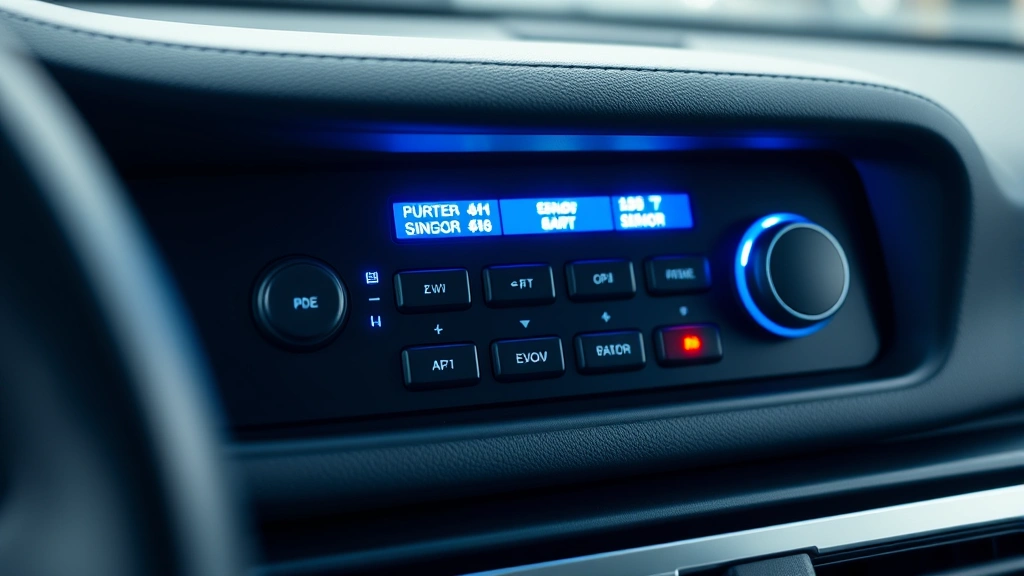
Best Car Security Alarm? Expert Recommendations for Vehicle Protection
Vehicle security has become increasingly critical as car theft and break-ins continue to rise across North America. Modern car security alarms represent the frontline defense against unauthorized access, theft, and vandalism. Whether you drive a luxury sedan, practical SUV, or reliable compact car, selecting the right security alarm system can mean the difference between peace of mind and devastating loss. This comprehensive guide examines the best car security alarms available today, exploring cutting-edge technology, installation requirements, and expert recommendations to help you protect your vehicle effectively.
The automotive security landscape has evolved dramatically over the past decade. Traditional alarm systems that simply produced loud sirens have given way to sophisticated multi-layered protection combining audible deterrents, GPS tracking, smartphone connectivity, and advanced sensor arrays. Understanding these modern systems and their capabilities is essential for making an informed purchase decision. Our expert analysis covers everything from budget-friendly options to premium systems, ensuring you find the perfect solution for your vehicle’s protection needs and your personal security requirements.
Understanding Modern Car Security Alarms
Car security alarms have transformed from simple noise-making devices into comprehensive protection ecosystems. Modern systems utilize multiple detection methods including shock sensors that respond to physical impact, motion detectors that track vehicle movement, and door/window sensors that register unauthorized entry attempts. The integration of GPS technology allows real-time vehicle tracking, while cellular connectivity enables instant notifications to your smartphone when your vehicle is threatened.
The best car security alarms operate on layered security principles, much like cybersecurity frameworks recommended by CISA for critical infrastructure protection. When a threat is detected, these systems trigger multiple responses: audible alarms deter potential thieves, visual indicators like flashing lights signal an active security system, and silent alerts notify you and potentially law enforcement of the intrusion. Premium systems can even disable ignition systems or fuel pumps, preventing vehicle operation even if a thief gains access to the interior.
Understanding the difference between passive and active systems is crucial. Passive systems arm automatically when you exit the vehicle and lock the doors, requiring no user intervention. Active systems require manual activation, offering greater control but demanding consistent user compliance. Most modern vehicles incorporate hybrid approaches, combining passive features for convenience with active options for enhanced security during extended parking periods or high-risk situations.
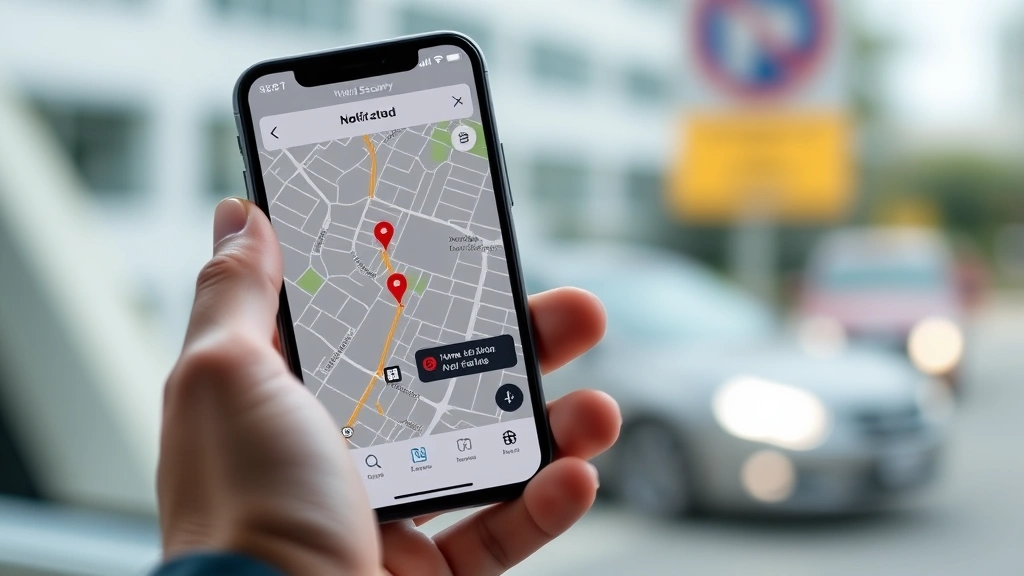
Top Car Security Alarm Systems Reviewed
Premium Tier: Viper SmartStart Pro
The Viper SmartStart Pro represents the pinnacle of aftermarket car security alarm technology. This system combines a two-way pager with smartphone integration, allowing you to arm/disarm your vehicle remotely and receive real-time alerts. The system features a backup battery that continues functioning during power loss, ensuring protection even if thieves disconnect your vehicle’s battery. Viper’s proprietary technology includes glass break sensors, motion detection, and customizable alarm responses. The SmartStart Pro integrates seamlessly with vehicle automation, offering remote engine start, trunk pop, and door unlock capabilities through your smartphone.
Mid-Range Option: Compustar CS8900-AS
For those seeking excellent protection without premium pricing, the Compustar CS8900-AS delivers impressive functionality. This system features a 1-mile range two-way pager and smartphone app compatibility, comprehensive sensor arrays, and reliable alarm triggering. The system’s modular design allows customization based on your specific vehicle and security needs. Installation is straightforward for professional technicians, and the system maintains excellent compatibility with most vehicle types manufactured in the last two decades.
Budget-Friendly Choice: Avital 4105L
The Avital 4105L proves that effective vehicle protection doesn’t require excessive expenditure. This proven system includes basic alarm functionality, door and window sensors, and reliable shock detection. While lacking smartphone integration and advanced GPS features, the Avital provides solid deterrent capabilities and straightforward operation. The system’s simplicity means fewer potential failure points and easier troubleshooting when issues arise.
GPS-Focused System: Tracki 4G GPS Tracker
For vehicle owners prioritizing location tracking over traditional alarm functionality, the Tracki 4G GPS Tracker offers real-time positioning with remarkable accuracy. This system sends location updates to your smartphone and can trigger geofence alerts when your vehicle moves beyond designated areas. The device operates independently of your vehicle’s electrical system, running on its own battery, and includes waterproof housing for reliable outdoor operation. This approach complements traditional alarms, providing recovery capabilities even if thieves disable the vehicle’s security system.
Key Features to Look For
When evaluating security recommendations from trusted sources, certain features consistently emerge as essential. Smartphone Integration has become non-negotiable, allowing you to monitor your vehicle’s security status from anywhere. Look for systems offering real-time notifications, allowing immediate response when threats are detected. GPS Tracking provides recovery capabilities, with systems like those recommended by ESET security experts emphasizing location-based protection as critical infrastructure.
Backup Battery Systems ensure continued operation if thieves disconnect your vehicle’s main battery. This feature separates premium systems from basic alternatives, as it maintains protection during the most vulnerable moments. Shock and Impact Sensors detect physical tampering attempts, triggering alarms before thieves gain interior access. Door and Window Sensors provide comprehensive perimeter protection, alerting you immediately when unauthorized entry is attempted.
Customizable Sensitivity Settings allow you to adjust alarm response to your environment. Parking on busy streets may require high sensitivity to detect minor vibrations, while parking in your garage might allow lower sensitivity to prevent false alarms from normal vehicle settling. Multiple Alarm Stages enable graduated responses, with early warnings preceding full alarm activation, giving you time to assess situations before maximum alert.
Integration Capabilities with your vehicle’s existing systems determine whether the alarm works in harmony with or conflicts with factory security features. Modern vehicles increasingly incorporate sophisticated security systems, and aftermarket alarms must cooperate rather than compete with these integrated protections.
Installation and Professional Setup
Proper installation is absolutely critical to alarm system effectiveness. While some technically proficient vehicle owners can handle basic installations, most systems demand professional expertise. Installation typically involves routing wires through door frames, dashboard panels, and engine compartments, requiring knowledge of vehicle electrical architecture to avoid damaging existing systems or creating electrical hazards.
Professional installers understand vehicle-specific requirements, ensuring alarms integrate properly with factory systems without creating conflicts. They can position sensors optimally for maximum coverage while minimizing false alarm triggers. Professional installation typically costs between $300 and $1,500 depending on system complexity and vehicle type, representing a worthwhile investment in reliability and safety.
When selecting an installer, verify credentials and experience with your specific vehicle make and model. Read reviews from previous customers, and confirm that your installer offers warranty coverage for both parts and labor. Many reputable security companies offer installation guarantees, promising to troubleshoot and repair any issues within defined timeframes at no additional cost.
Post-installation testing is essential. Professional installers should demonstrate all system functions, ensure all sensors respond correctly, and verify that alarm triggers operate as expected. Request detailed documentation including wiring diagrams, sensor locations, and system settings. This information proves invaluable if you need future service or troubleshooting.
Integration with Smart Home Systems
Modern vehicle security increasingly connects with comprehensive smart home ecosystems. Systems integrated with platforms like Amazon Alexa or Google Home allow voice-activated security controls, enabling you to arm your vehicle alarm while managing home security simultaneously. This integration creates unified security awareness, allowing you to monitor your entire property—home and vehicle—through single applications.
Advanced systems can trigger home lighting when vehicle alarms activate, potentially deterring thieves who avoid well-lit areas. Some setups enable automated camera activation, recording video evidence when security threats occur. This comprehensive approach, similar to NIST cybersecurity framework integration principles, creates layered protection exceeding what isolated systems can achieve.
However, this integration introduces new security considerations. Connected systems require robust authentication and encryption to prevent hackers from gaining unauthorized access. When selecting integrated systems, verify that manufacturers implement current security standards and provide regular software updates addressing newly discovered vulnerabilities. This approach ensures your vehicle protection doesn’t create cybersecurity vulnerabilities in your broader connected home environment.
Cost Considerations and ROI
Vehicle security alarm pricing spans a wide range, from basic systems costing $200 to premium integrated solutions exceeding $2,000. When evaluating costs, consider your vehicle’s value, your location’s theft prevalence, and your personal risk tolerance. A $3,000 vehicle may not justify a $1,500 alarm system, while a $50,000 luxury vehicle represents an excellent candidate for premium protection investment.
Insurance companies often provide discounts for vehicles equipped with certified alarm systems, potentially reducing annual premiums by 10-25 percent. Over five years, these discounts can offset significant portions of system costs. Document your alarm system installation and provide proof to your insurance provider to ensure you receive applicable discounts. Some insurers require systems meeting specific certification standards, so verify requirements before purchasing.
Recovery value represents another crucial consideration. Vehicles equipped with GPS tracking systems are recovered at substantially higher rates than those without location technology. Insurance industry data shows that GPS-equipped vehicles experience 90+ percent recovery rates compared to 50-60 percent recovery rates for vehicles without tracking. This dramatic difference justifies investment in GPS-capable systems, particularly for valuable vehicles.
Maintenance costs vary by system type. Simple alarm systems require minimal ongoing expenses beyond occasional sensor battery replacements. GPS-based systems typically require monthly or annual subscription fees for cellular connectivity and tracking services, ranging from $10 to $30 monthly. Factor these recurring costs into your long-term budget calculations when comparing system options.
When considering total cost of ownership, factor in professional installation ($300-$1,500), system purchase ($200-$2,000), annual monitoring subscriptions ($120-$360), and potential insurance savings ($250-$500 annually). Over a five-year ownership period, comprehensive protection systems typically cost $2,000-$4,500 total, with insurance savings and potential theft prevention offsetting substantial portions of this investment.
Choose systems from manufacturers with established reputations and proven track records. Budget options from unknown manufacturers may offer lower initial costs but often lack reliability, support, and upgrade paths. Established brands like Viper, Compustar, and Avital provide superior customer service, readily available replacement parts, and professional installer networks ensuring long-term support.
FAQ
What’s the difference between OEM and aftermarket car security alarms?
OEM (Original Equipment Manufacturer) alarms come integrated with your vehicle from the factory, optimized for your specific make and model. Aftermarket systems offer greater flexibility, advanced features, and upgrade capabilities. OEM systems often lack smartphone integration and advanced GPS tracking available in modern aftermarket solutions. Aftermarket systems can be customized to your specific security needs but require professional installation to avoid conflicts with factory systems.
Can car security alarms prevent theft completely?
No security system prevents theft completely, but effective alarms significantly reduce risk. Alarms deter casual thieves who prefer easy targets, increase detection likelihood through monitoring and notifications, and improve vehicle recovery probability through GPS tracking. Combining alarm systems with physical deterrents like steering wheel locks and parking in well-lit areas creates comprehensive protection exceeding any single solution’s capabilities.
Do car alarms drain vehicle batteries?
Modern car alarms draw minimal power, typically consuming less than one amp when armed. Over a month of parking, this represents negligible battery drain. However, malfunctioning sensors or incorrectly installed systems can drain batteries more significantly. Professional installation and regular system checks ensure your alarm operates efficiently without battery concerns.
What should I do if my car alarm triggers false alarms constantly?
Contact your professional installer immediately. False alarms typically indicate sensor sensitivity miscalibration or environmental factors like wind or nearby traffic. Professional technicians can adjust sensitivity settings, reposition sensors, or identify faulty components causing erratic triggers. Addressing false alarms promptly prevents battery drain and maintains neighborhood goodwill.
Are smartphone-connected car alarms secure from hacking?
Reputable manufacturers implement encryption and authentication protocols protecting against unauthorized access. However, like all connected devices, vulnerabilities can emerge. Ensure your system receives regular software updates, use strong passwords, and avoid connecting to unsecured WiFi networks when managing your vehicle security. Following cybersecurity best practices similar to those recommended by Dark Reading security researchers protects your connected vehicle systems.
Can I install a car alarm myself?
While technically possible for experienced automotive electricians, professional installation is strongly recommended. Improper installation can damage vehicle electrical systems, create fire hazards, or fail to provide adequate protection. Professional installers understand vehicle-specific requirements and provide warranty coverage ensuring system reliability.


