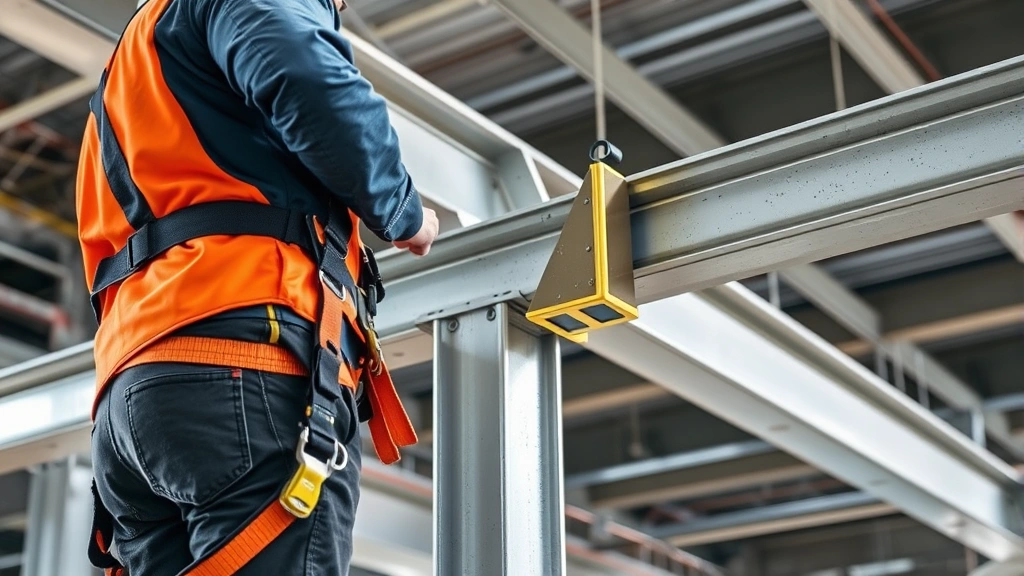
Beam Clamp Safety: Expert Fall Protection Tips
Fall protection represents one of the most critical safety concerns in construction, manufacturing, and industrial work environments. Beam clamps serve as essential anchoring devices that secure workers to structural steel during elevated tasks, yet improper selection, installation, or maintenance of these devices can lead to catastrophic injuries or fatalities. Understanding beam clamp fall protection requires comprehensive knowledge of equipment specifications, regulatory compliance, installation procedures, and ongoing safety protocols that protect workers at heights.
The consequences of inadequate beam clamp safety extend beyond individual worker injuries to encompass organizational liability, regulatory penalties, and reputational damage. According to fall protection standards and industry guidelines, beam clamps must meet rigorous engineering specifications and be deployed within carefully defined parameters. This guide provides construction professionals, safety managers, and workers with evidence-based recommendations for selecting, installing, and maintaining beam clamps that form the backbone of effective fall protection systems.
Understanding Beam Clamp Fundamentals
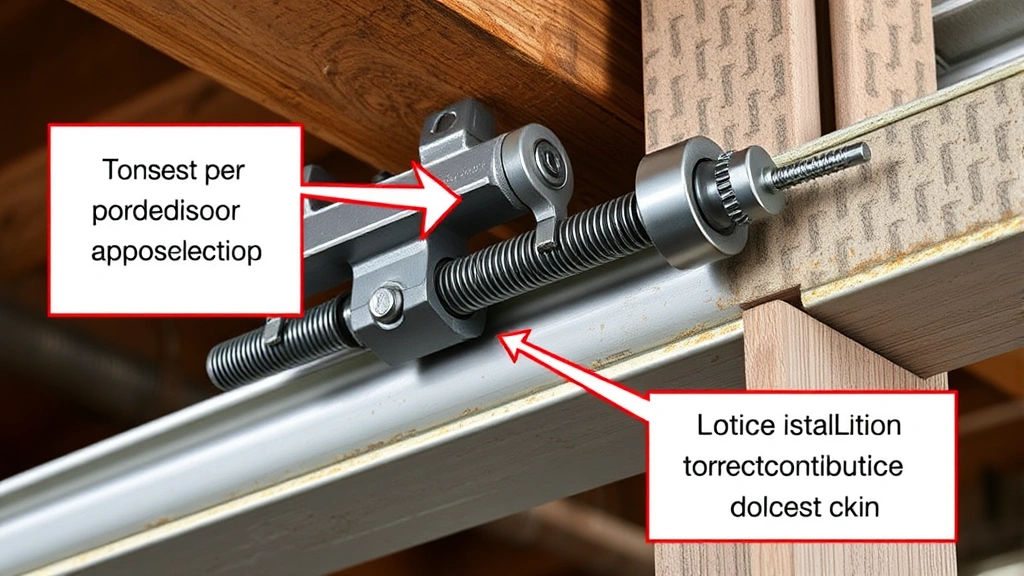
Beam clamps represent mechanical devices designed to secure anchoring points on structural steel beams, providing reliable connection points for personal protective equipment (PPE) systems including harnesses, lanyards, and lifelines. These clamps function through mechanical pressure rather than adhesives or fasteners, making them reversible and reusable across multiple applications and locations. The fundamental design principle involves distributing clamping force across the beam surface to prevent slipping while avoiding damage to the underlying structure.
Modern beam clamps accommodate various beam configurations, including I-beams, H-beams, wide-flange beams, and round pipes. The internal jaw geometry must precisely match beam dimensions to ensure proper load distribution and prevent point-loading that could compromise structural integrity or cause clamp failure. Beam clamps designed for fall protection must support dynamic loads generated during falls, including shock loads that can exceed static weight by significant multiples. Understanding these mechanical principles helps safety professionals select appropriate equipment for specific work scenarios.
The load-bearing capacity of beam clamps varies significantly based on design, materials, and beam compatibility. Standard beam clamps rated for fall protection typically support working loads ranging from 5,000 to 15,000 pounds, though capacity depends on proper installation and beam condition. Manufacturers provide detailed specification sheets that define maximum beam dimensions, material requirements, and safety factors that must be respected during equipment selection and deployment.

Selection Criteria for Fall Protection Beam Clamps
Selecting appropriate beam clamps requires systematic evaluation of multiple factors including beam dimensions, material composition, environmental conditions, and load requirements. The first critical step involves measuring beam dimensions precisely, as clamps must fit securely without excessive looseness or over-tightening that could damage equipment or structure. Many accidents occur when workers attempt to use clamps rated for different beam sizes, creating inadequate contact surfaces and unpredictable failure modes.
Material composition significantly influences beam clamp performance across different environmental conditions. Steel clamps offer superior strength and durability but require corrosion protection in humid or coastal environments. Aluminum clamps provide lighter weight and inherent corrosion resistance, making them suitable for marine applications or outdoor exposure. However, aluminum clamps typically have lower load ratings than steel equivalents and may not suit all fall protection scenarios. The selection between materials should reflect both environmental exposure and load requirements as defined by OSHA fall protection standards.
Environmental factors including temperature extremes, chemical exposure, and moisture levels influence clamp performance and longevity. Beam clamps used in high-temperature environments may require specialized materials or coatings to maintain mechanical properties and prevent slipping. Corrosive atmospheres demand stainless steel or heavily coated components to prevent degradation. Workers must evaluate environmental conditions thoroughly before selecting beam clamps, as equipment selected for general construction may fail when deployed in specialized industrial settings.
Load rating verification represents a non-negotiable selection criterion that requires careful attention to manufacturer specifications and regulatory requirements. Fall protection beam clamps must incorporate appropriate safety factors that account for dynamic loads, impact forces, and potential degradation over time. A clamp rated for static loads may prove dangerously inadequate when subjected to shock loading during fall arrest scenarios. Always verify that selected equipment meets or exceeds load requirements with appropriate safety margins as defined by industry standards and regulatory guidance.
Installation Best Practices
Proper installation of beam clamps directly determines whether these devices provide reliable fall protection or create dangerous failure points. The installation process begins with thorough beam inspection to identify surface damage, rust, or deformation that could compromise clamp contact and load transfer. Any beam surface irregularities must be addressed before clamp installation, as gaps between clamp jaws and beam surfaces create stress concentrations that lead to equipment failure.
The correct tightening sequence and torque specifications represent critical installation parameters that many workers overlook or misunderstand. Beam clamps require sequential tightening of adjustment bolts to ensure even pressure distribution across the jaw surfaces. Under-tightening creates slippage hazards, while over-tightening can damage the clamp or distort the beam. Manufacturers provide specific torque specifications that must be followed precisely using calibrated wrenches or torque tools. Workers should never estimate tightness or rely on “feel” when installing beam clamps used for fall protection.
Multiple clamps may be necessary for longer beams or when supporting multiple workers simultaneously. When installing multiple clamps, spacing requirements must be observed to prevent interaction between clamps or uneven load distribution. Each clamp must be installed and verified independently before load application. The practice of “chain tightening” multiple clamps sequentially ensures more uniform pressure distribution than tightening individual clamps completely before moving to adjacent devices.
Orientation of the clamp relative to the beam and load direction significantly influences performance and reliability. Clamps must be positioned so that applied loads pull the clamp tighter against the beam rather than encouraging separation. Incorrect orientation can cause clamps to slip or release under load conditions that would otherwise be safely managed. Manufacturers provide clear orientation guidelines that must be followed consistently, with particular attention to anchor point positioning relative to expected fall directions.
Inspection and Maintenance Protocols
Regular inspection of beam clamps represents an essential maintenance practice that identifies degradation before equipment failure occurs during actual use. Daily visual inspections should examine clamps for obvious damage, corrosion, or deformation that would compromise functionality. Workers should verify that adjustment bolts remain tight and that no gaps exist between jaw surfaces and the beam. Any clamp showing visible damage should be removed from service immediately and returned to the manufacturer for evaluation or replacement.
Periodic maintenance intervals should be established based on frequency of use, environmental exposure, and manufacturer recommendations. Monthly detailed inspections involving removal of clamps allow thorough examination of jaw surfaces, threads, and contact areas. These inspections often reveal corrosion, rust formation, or wear patterns that indicate imminent failure or need for replacement. Documentation of inspection results creates accountability and provides evidence of diligent maintenance practices that may be required during regulatory audits or incident investigations.
Cleaning protocols remove corrosive substances and debris that accelerate equipment degradation. Beam clamps exposed to salt spray, industrial chemicals, or moisture require more frequent cleaning than equipment used in dry indoor environments. Mild soap and water typically suffice for routine cleaning, though specialized degreasers may be necessary in industrial settings. Avoid harsh chemicals or abrasive cleaning methods that could damage protective coatings or introduce scratches that serve as corrosion initiation points.
Documentation systems should track maintenance activities, inspection results, and equipment history for each beam clamp. These records demonstrate compliance with safety standards and provide valuable information if equipment fails or incidents occur. Digital systems or simple logbooks both work effectively if maintained consistently. The goal involves creating an auditable record that shows equipment received appropriate care and inspection attention throughout its service life.
Regulatory Compliance Standards
Fall protection regulations establish mandatory requirements for beam clamp selection, installation, and use in workplace environments. OSHA regulations require that fall protection systems be designed and implemented to prevent falls from heights exceeding six feet in construction work or four feet in general industry. Beam clamps serve as critical components in these systems and must meet specific technical standards that ensure reliable performance under defined conditions.
The American National Standards Institute (ANSI) publishes technical standards that define beam clamp specifications, testing procedures, and performance requirements. ANSI Z359 standards specifically address fall protection equipment including anchor devices like beam clamps. Equipment manufactured to these standards undergoes rigorous testing that validates load capacity, durability, and reliability. Selecting ANSI-certified equipment provides assurance that devices meet recognized technical standards and have been independently validated.
State and local regulations may impose additional requirements beyond federal OSHA standards. Some jurisdictions mandate specific inspection intervals, training requirements, or equipment certifications that exceed minimum federal guidelines. Safety professionals must research applicable regulations in their geographic area and ensure compliance with the most stringent requirements. This proactive approach prevents violations and ensures workers receive maximum protection available under applicable law.
Industry-specific standards may also apply depending on the work sector. Construction, telecommunications, electrical utility, and manufacturing industries often have specialized fall protection requirements developed through industry associations and experience. Consulting with industry-specific organizations ensures that beam clamp selection and deployment practices align with sector-specific best practices and regulatory expectations. These specialized standards often reflect lessons learned from serious incidents and represent the collective safety knowledge of experienced professionals.
Common Mistakes and Solutions
Selecting beam clamps rated for lower loads than actual working conditions represents a frequently encountered error that directly compromises worker safety. Workers sometimes assume that equipment rated for general construction work suits specialized applications without verifying specific load requirements. Solution: Conduct thorough load calculations that account for worker weight, tools, materials, and dynamic factors, then select equipment with documented capacity exceeding calculated requirements by appropriate safety margins.
Improper beam surface preparation before clamp installation creates gaps and stress concentrations that promote failure. Many workers skip inspection and cleaning of beam surfaces, assuming minor rust or debris poses no risk. Solution: Establish mandatory beam inspection protocols that require removal of paint, rust, or contamination before any clamp installation. Provide workers with wire brushes, scrapers, and cleaning materials to make surface preparation quick and convenient.
Incorrect tightening procedures cause either insufficient clamping force that allows slipping or excessive force that damages equipment. Workers often tighten clamps by feel or estimation rather than using proper tools and torque specifications. Solution: Require use of calibrated torque wrenches with clear documentation of specifications on clamp labels. Conduct regular training that demonstrates correct tightening procedures and explains why precision matters for worker safety.
Failure to conduct pre-use inspections allows degraded equipment to be deployed in critical safety applications. Workers sometimes overlook clamps stored in equipment lockers without verifying condition or functionality. Solution: Implement mandatory pre-use inspection checklists that workers complete before any clamp is installed. Create simple visual inspection cards that clearly identify acceptable and unacceptable equipment conditions.
Using beam clamps for purposes beyond their design parameters creates unpredictable failure modes and serious injuries. Workers might attempt to use clamps as temporary anchors for equipment hoisting or other non-fall-protection applications. Solution: Clearly label beam clamps with their intended use and establish policies prohibiting alternative applications. Provide alternative equipment designed for other purposes to eliminate temptation to misuse fall protection devices.
Training and Certification Requirements
Comprehensive training programs ensure that workers understand beam clamp safety principles, proper installation procedures, and maintenance protocols. Effective training must address not only equipment operation but also the physics of fall protection, load calculations, and risk assessment. Workers who understand why procedures exist prove more likely to follow them consistently and identify unsafe conditions before incidents occur. Training should be documented and refreshed regularly as new equipment or procedures are introduced.
Hands-on practical training allows workers to practice installation procedures under supervision before performing actual work at heights. Classroom instruction alone proves insufficient for developing the muscle memory and confidence necessary for safe equipment deployment. Practical training should include multiple repetitions of clamp selection, installation, tightening, and inspection procedures using actual equipment and beam configurations. Evaluation of competency through observation and demonstration ensures workers have mastered required skills before unsupervised work.
Supervisor and safety manager training addresses broader aspects of fall protection program management including equipment selection, inspection protocols, and incident response. These professionals must understand regulatory requirements, industry standards, and technical specifications that guide equipment decisions. Training should also address common mistakes, emerging hazards, and lessons learned from serious incidents in similar work environments. Developing supervisory expertise creates the organizational culture and attention to detail necessary for sustained safety performance.
Refresher training intervals should be established based on regulatory requirements, frequency of equipment use, and organizational experience. Annual refresher training proves adequate in most circumstances, though more frequent training may be warranted if incidents occur or new equipment is introduced. Documentation of training completion creates accountability and demonstrates organizational commitment to worker safety during regulatory inspections or incident investigations.
Frequently Asked Questions
What load rating should beam clamps have for typical construction fall protection?
Fall protection beam clamps should have minimum load ratings of 5,000 pounds for single-worker applications, though 15,000 pounds or greater provides safer margins for heavier workers or multiple simultaneous users. Always verify that selected equipment exceeds actual load requirements including worker weight, tools, and dynamic shock factors by appropriate safety margins defined in manufacturer specifications and industry standards.
How often should beam clamps be inspected?
Daily visual inspections before use are mandatory, with detailed monthly inspections involving clamp removal and thorough examination of all components. Annual professional inspections by qualified personnel provide additional assurance of continued reliability. More frequent inspections are warranted in corrosive environments or after any equipment appears to have been subjected to impact or unusual stress.
Can beam clamps be used interchangeably on different beam sizes?
No, beam clamps are designed for specific beam dimensions and configurations. Using clamps on incompatible beams creates dangerous gaps that allow slipping under load. Always verify beam dimensions match clamp specifications before installation, and never attempt to adapt clamps through modification or improvisation.
What should be done if a beam clamp shows rust or corrosion?
Light surface rust can often be removed through cleaning with wire brushes and appropriate degreasers. However, corrosion that creates pitting, material loss, or structural weakening requires equipment replacement. When in doubt about equipment condition, remove the clamp from service and consult with the manufacturer regarding continued safe use.
Are certified inspectors required for beam clamp maintenance?
While formal certification requirements vary by jurisdiction, having qualified personnel conduct periodic inspections provides assurance that equipment receives appropriate evaluation. Many organizations contract with third-party inspectors who maintain current knowledge of standards and best practices. At minimum, individuals conducting inspections should receive specific training on beam clamp evaluation and maintain current knowledge of applicable standards.


