AutoNation Protection Plan: Is Your Car Really Safe?
Your vehicle is one of your most valuable assets, and protecting it should be a priority that extends far beyond standard factory warranties. AutoNation, as one of the largest automotive retailers in the United States, offers various protection plans designed to shield vehicle owners from unexpected repair costs and mechanical failures. However, the question remains: does an AutoNation vehicle protection plan truly deliver the comprehensive security your car needs, or are there hidden gaps in coverage that could leave you vulnerable to substantial financial losses?
In today’s automotive landscape, where vehicles contain increasingly complex electronic systems and sophisticated technology, understanding the real value of extended protection plans has become critical. This comprehensive guide explores the mechanics of AutoNation’s protection offerings, evaluates their effectiveness against real-world scenarios, and helps you determine whether their coverage aligns with your specific needs and budget.

Understanding AutoNation Protection Plans
AutoNation’s vehicle protection plans operate as extended service contracts that extend warranty coverage beyond the manufacturer’s original warranty period. These plans are specifically designed to provide peace of mind by covering repair costs for mechanical and electrical failures that occur after the factory warranty expires. The company offers multiple tier levels, each with varying coverage limits, deductibles, and included benefits.
The fundamental concept behind AutoNation’s protection plans is straightforward: you pay a predetermined fee upfront, and in return, the plan covers specified repairs and replacements when covered components fail. However, the devil lies in the details. The specific components covered, the conditions under which coverage applies, and the circumstances that trigger exclusions vary significantly between different plan tiers.
AutoNation’s plans typically come in several categories, including powertrain protection (focusing on engine, transmission, and drivetrain), comprehensive coverage (expanding to include more systems), and premium tiers with additional benefits like roadside assistance and rental car reimbursement. Understanding which tier you’re purchasing is essential because the difference between a basic powertrain plan and a comprehensive plan can mean thousands of dollars in uncovered repairs.
These protection plans are transferable in many cases, which adds value if you plan to sell your vehicle during the coverage period. This transferability feature can enhance your vehicle’s resale value, as potential buyers appreciate the security of remaining coverage. However, transfer policies vary, and some plans may have restrictions or require fees for transfer to a new owner.
Coverage Details and What’s Actually Protected
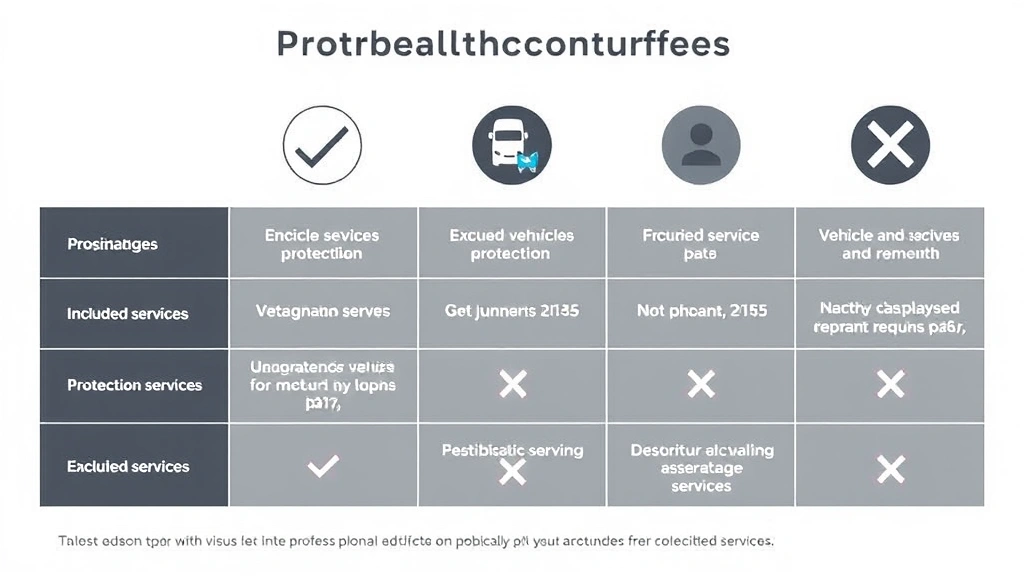
When you purchase an AutoNation vehicle protection plan, you need to understand precisely what components and systems fall under coverage. The most basic plans typically cover powertrain components, which include the engine block, cylinder head, transmission, transfer case, and drive axles. These are the most expensive components to repair, which is why powertrain coverage forms the foundation of most protection plans.
Comprehensive plans extend protection to additional systems such as electrical components, climate control systems, suspension components, steering systems, and brake systems. Some plans also include coverage for hybrid or electric vehicle-specific components, which is increasingly important as these vehicle types become more prevalent. The breadth of coverage directly impacts the likelihood that your plan will cover a failure when it occurs.
Most AutoNation plans specify coverage for parts and labor associated with covered components. When a covered component fails, AutoNation typically arranges for repairs at authorized service centers, and you pay only the deductible amount (usually between $0 and $250, depending on your plan). The plan then covers the remaining repair costs, up to the plan’s coverage limits.
One critical aspect of coverage involves understanding what constitutes a “covered failure.” Most plans require that the component failure result from a mechanical or electrical malfunction rather than wear and tear, accident damage, or misuse. This distinction is crucial because it means that routine maintenance items, even when they fail, might not be covered. For example, brake pads, wiper blades, and air filters typically aren’t covered because they’re considered maintenance items rather than mechanical failures.
Additionally, coverage typically includes towing to an authorized service center if your vehicle breaks down. Some plans also include rental car reimbursement while your vehicle is being repaired, which can be valuable if you depend on your car for daily transportation. These ancillary benefits can significantly enhance the practical value of your protection plan.
Exclusions and Coverage Gaps
Understanding what’s not covered by an AutoNation protection plan is equally important as knowing what is covered. Every protection plan contains exclusions, and these gaps in coverage can leave you exposed to substantial repair bills. Common exclusions include damage resulting from accidents, weather events, animal damage, and theft-related repairs. Additionally, damage caused by failure to perform routine maintenance, such as not changing oil regularly, typically voids coverage.
Environmental damage falls into a gray area with many plans. If your vehicle experiences damage from flooding, hail, or extreme heat, your protection plan may not cover resulting mechanical failures. This is particularly concerning in regions prone to severe weather. Similarly, damage resulting from off-road use, racing, or other high-stress driving scenarios is typically excluded.
Cosmetic issues and minor wear items are universally excluded from protection plans. Dents, scratches, interior wear, and minor surface corrosion won’t trigger coverage. This makes sense from an insurance perspective, but it’s important to recognize that cosmetic issues can sometimes indicate underlying mechanical problems that might be covered.
Coverage for electronics and computer systems varies significantly between plans. Modern vehicles rely heavily on onboard computers and electronic modules to control everything from engine performance to transmission shifting. Some plans provide comprehensive electronics coverage, while others limit it or exclude it entirely. This represents a significant coverage gap in our technology-dependent vehicles.
Pre-existing conditions represent another important exclusion category. If your vehicle already has a known issue at the time you purchase the protection plan, that issue typically won’t be covered. This is why getting a pre-purchase inspection is crucial before buying any protection plan. Undisclosed existing problems could render your coverage void for those specific issues.
Manufacturer recalls and technical service bulletins (TSBs) create additional complexity. If a component failure results from a known defect covered by a recall, the manufacturer is typically responsible for repairs, not your protection plan. However, identifying which failures qualify as recall-related versus covered failures can sometimes be contentious.
Cost Analysis: Value for Money
AutoNation protection plans range in price from several hundred dollars for basic powertrain coverage to several thousand dollars for comprehensive plans covering extended periods. The cost varies based on your vehicle’s age, mileage, make, model, and the specific plan tier you select. Understanding the cost-to-benefit ratio is essential for determining whether a plan makes financial sense for your situation.
To evaluate value, consider your vehicle’s reliability history and the cost of repairs for your specific make and model. Some vehicles are known for expensive repairs (luxury brands and certain European manufacturers), while others have lower average repair costs. If your vehicle falls into the expensive repair category, a protection plan becomes more valuable. Conversely, if your vehicle is known for reliability and inexpensive repairs, the protection plan may offer less value.
Your driving habits and expected vehicle lifespan also influence plan value. If you plan to keep your vehicle for many years and drive extensively, you’re more likely to experience component failures, making a protection plan more worthwhile. If you typically trade vehicles every few years, the likelihood of triggering covered repairs decreases significantly.
Comparing the plan cost to the average repair expenses for your vehicle type provides crucial context. If a typical major repair costs $2,000 to $4,000, and you can purchase a plan for $1,500 to $2,000 that covers several years of repairs, the math might work in the plan’s favor. However, if you’re unlikely to experience major repairs during the coverage period, you’re essentially paying for insurance you won’t use.
The deductible structure also impacts overall value. Plans with $0 deductibles provide more comprehensive protection but typically cost more upfront. Plans with higher deductibles ($100-$250) are less expensive but require you to pay out-of-pocket for each repair. Calculate whether the premium difference justifies the higher out-of-pocket costs you might incur.
Real-World Claims Experience
Understanding how AutoNation handles claims in real-world scenarios provides insight into the practical value of their protection plans. Customer reviews and claims experiences reveal patterns about approval rates, processing times, and claim denial reasons. This real-world feedback often tells a different story than marketing materials.
Many customers report positive experiences with AutoNation’s claims process, particularly when repairs fall clearly within coverage parameters. Straightforward mechanical failures of covered components typically result in quick approval and repair authorization. However, more complex situations—such as failures that might result from multiple contributing factors or failures involving systems at the boundary between covered and excluded categories—can lead to disputes and denials.
Processing times for claims vary, but many customers report that AutoNation requires pre-authorization before repairs begin. This means you typically need to provide documentation of the failure before the repair shop proceeds, which can delay repairs but protects both you and AutoNation from disputes about covered versus uncovered costs.
Claim denial reasons often center on maintenance history documentation and the determination of failure causation. If you can’t demonstrate that you’ve maintained your vehicle according to manufacturer recommendations, AutoNation may deny a claim based on lack of maintenance. Similarly, if the failure appears to result from external damage, misuse, or wear rather than mechanical failure, denials become more likely.
Documentation proves critical in claims disputes. Keeping detailed maintenance records, service receipts, and repair invoices significantly strengthens your position if a claim is questioned. Many claim denials result from insufficient documentation rather than legitimate coverage exclusions, making meticulous record-keeping an essential practice.
Comparing AutoNation to Competitors
AutoNation isn’t the only provider of vehicle protection plans. Comparing their offerings to competitors helps contextualize whether AutoNation represents the best value for your specific needs. Major competitors include manufacturer-backed extended warranties, third-party warranty providers like Endurance and CARCHEX, and dealer-specific protection plans.
Manufacturer-backed extended warranties typically offer excellent coverage but come at premium prices. These warranties maintain the manufacturer’s reputation standards and often include more generous coverage terms. However, they may be more expensive than AutoNation’s plans, and they might not be available for all vehicle types.
Third-party warranty providers often offer more flexible coverage options and competitive pricing. These companies specialize in warranty administration and sometimes provide superior customer service compared to dealership-based programs. However, you need to verify that the third-party provider has adequate financial backing to cover claims, as some smaller providers have faced solvency issues.
AutoNation’s advantage lies in their integration with their service centers and their national presence. If you purchase a plan from AutoNation and have it serviced at an AutoNation location, the process is streamlined. However, this integration also means you’re somewhat locked into using AutoNation service centers, which might not be convenient depending on your location.
Price comparison across providers typically shows AutoNation in the mid-to-premium range. They’re not the cheapest option, but they’re not the most expensive either. The value proposition depends on your proximity to AutoNation service centers and your comfort level with their claims administration.
Making Your Decision
Deciding whether to purchase an AutoNation vehicle protection plan requires honest assessment of your specific situation. Start by evaluating your vehicle’s reliability reputation, your expected ownership duration, and your risk tolerance regarding unexpected repair expenses.
If your vehicle is known for reliability and you plan to keep it for only a few years, a protection plan likely offers poor value. Conversely, if you’re purchasing a vehicle with a history of expensive repairs and plan to keep it for many years, a plan becomes more attractive.
Consider your financial situation. If an unexpected $3,000 repair would create genuine hardship, a protection plan provides valuable peace of mind and financial protection. If you have substantial emergency savings and can absorb major repair costs without difficulty, self-insuring becomes a viable option.
Review the specific plan terms carefully before purchasing. Understand exactly what’s covered, what deductibles apply, what exclusions exist, and what benefits are included. Don’t rely on salesperson explanations—read the actual contract documentation.
If you decide a protection plan makes sense, negotiate the price. AutoNation protection plans are often negotiable, particularly if you’re purchasing a vehicle from them. Bundling the plan with your vehicle purchase sometimes yields better pricing than purchasing the plan separately.
For additional information about vehicle protection and warranty considerations, consult resources from NHTSA and the Federal Trade Commission. These agencies provide guidance on understanding vehicle warranties and protecting yourself from predatory practices.
Remember that purchasing a protection plan doesn’t eliminate the need for regular maintenance. Maintaining your vehicle according to manufacturer specifications remains essential for preserving coverage and ensuring your vehicle’s reliability. Treat the protection plan as a safety net for unexpected failures, not as a substitute for proper maintenance.
FAQ
What exactly does AutoNation protection plan cover?
Coverage varies by plan tier. Basic powertrain plans cover engine, transmission, and drivetrain components. Comprehensive plans extend to electrical systems, climate control, suspension, and steering. Always review your specific plan documentation to understand exact coverage parameters.
Are AutoNation protection plans transferable if I sell my vehicle?
Many AutoNation plans are transferable to the next owner, which can enhance your vehicle’s resale value. However, transfer policies vary, and some plans may require fees or have restrictions. Confirm transferability terms when purchasing your plan.
What happens if I don’t perform recommended maintenance?
Failure to maintain your vehicle according to manufacturer recommendations can void coverage or result in claim denials. AutoNation typically requires documentation of maintenance history when processing claims. Keep detailed service records to protect your coverage.
Can I use any mechanic, or must I use AutoNation service centers?
Most AutoNation plans require using authorized service centers for repairs to remain covered. This typically includes AutoNation locations and other authorized dealers. Using independent mechanics may result in coverage denial, so verify before seeking repairs elsewhere.
How long does the claims process typically take?
Claims processing times vary, but pre-authorization is usually required before repairs begin. This process typically takes several business days. Emergency repairs may proceed before authorization in some cases, but you should contact AutoNation immediately to ensure coverage.
What’s the difference between a protection plan and a warranty?
Factory warranties are manufacturer-backed and included with your vehicle purchase. Protection plans are optional extended contracts you purchase separately to extend coverage beyond the factory warranty period. Protection plans provide similar benefits but come at additional cost.
Is it better to purchase a protection plan at purchase time or later?
Purchasing at vehicle purchase time typically offers better pricing and simpler administration, as the plan can be bundled with financing. Purchasing later is possible but often costs more and may have mileage or time restrictions that make you ineligible.


