Auto Paint Protection Film: Expert Installation Guide
Auto paint protection film, commonly known as PPF or clear bra, has revolutionized how vehicle owners safeguard their automotive investments. This transparent, self-healing polymer coating creates an invisible barrier between your car’s factory paint and the harsh elements of the road. Whether you’re driving through gravel-laden highways, coastal regions with salt spray, or urban environments filled with industrial fallout, paint protection film offers unparalleled defense against chips, scratches, and oxidation.
The automotive industry has witnessed exponential growth in PPF adoption over the past decade, with both luxury and everyday vehicles receiving professional installations. Understanding the intricacies of auto paint protection film application, maintenance, and long-term benefits empowers vehicle owners to make informed decisions about protecting their prized possessions. This comprehensive guide explores every aspect of professional PPF installation, from preparation techniques to post-application care protocols.
What Is Auto Paint Protection Film?
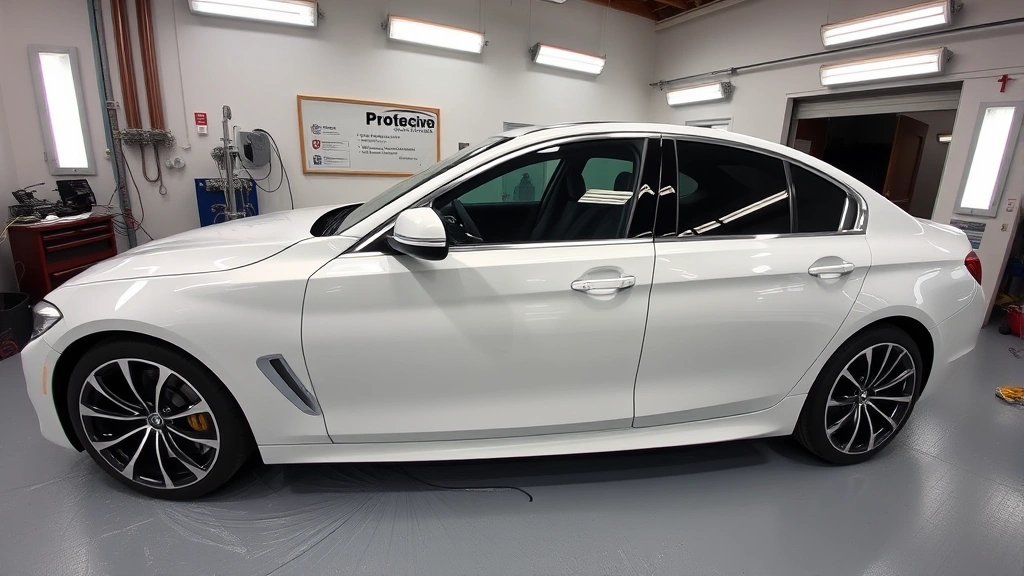
Auto paint protection film represents a sophisticated advancement in automotive protective coatings. This thermoplastic urethane (TPU) material adheres directly to your vehicle’s clear coat, creating a durable shield against environmental contaminants and physical damage. The film’s molecular structure allows it to absorb impact energy, preventing chips and scratches from reaching your vehicle’s original paint underneath.
Modern PPF formulations incorporate self-healing technology, meaning minor scratches and swirl marks disappear when exposed to heat or sunlight. This innovative feature distinguishes premium protection films from basic alternatives. The transparency of quality paint protection film ensures your vehicle’s original color and finish remain visible, maintaining aesthetic appeal while providing robust defense.
Professional installers recognize that auto paint protection film installation requires precision, expertise, and quality materials. Unlike DIY applications, professional installation guarantees proper adhesion, bubble-free coverage, and longevity that justifies the investment. The film typically protects against rock chips, tar stains, bird droppings, tree sap, UV radiation, and minor abrasions from automated car washes.
Types of Paint Protection Film Materials
The paint protection film market offers several distinct material options, each with varying durability, clarity, and self-healing capabilities. Understanding these differences helps vehicle owners select the most appropriate product for their specific needs and environmental conditions.
Standard TPU Films: Traditional thermoplastic urethane films provide solid protection against chips and scratches. These entry-level options offer excellent value but may lack advanced self-healing properties. Standard films typically last 5-7 years before requiring replacement or showing visible degradation.
Premium Self-Healing Films: High-end PPF formulations incorporate advanced polymers that actively repair minor damage when exposed to heat. These films maintain clarity longer and resist yellowing, offering protection for 7-10 years or more. Premium brands invest heavily in research and development to create superior molecular structures.
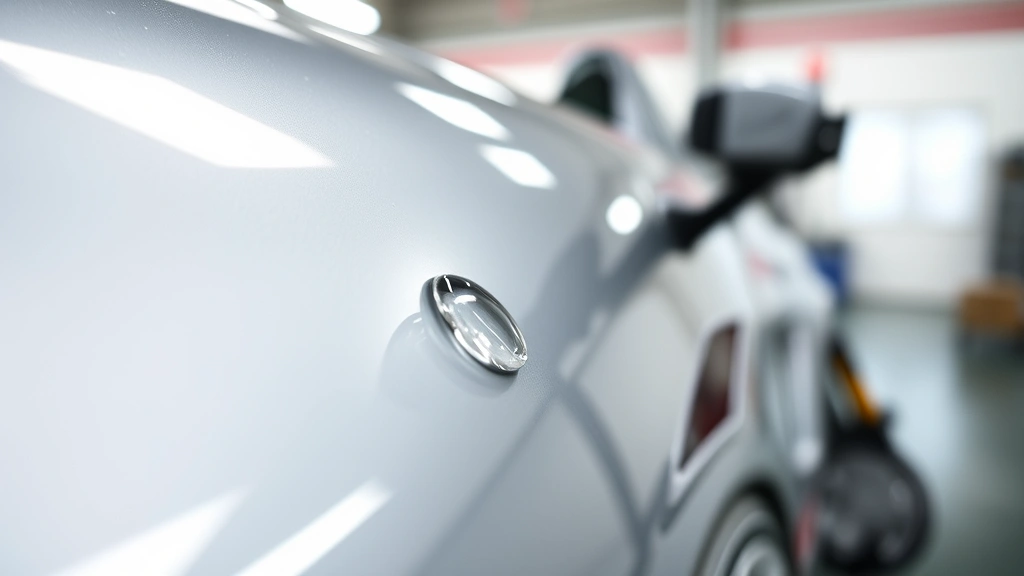
Hydrophobic-Coated Films: Some manufacturers apply additional hydrophobic layers to their PPF products, repelling water and enhancing dirt resistance. These coated films simplify maintenance and reduce water spotting, providing added convenience for vehicle owners who prioritize low-maintenance protection.
Matte Finish Films: Specialized PPF formulations create matte or satin finishes rather than glossy surfaces. These aesthetic alternatives appeal to owners seeking unique visual presentations while maintaining protective benefits. Matte films require different installation and maintenance approaches compared to standard transparent options.
Pre-Installation Preparation Steps
Successful paint protection film installation begins long before the technician applies the first section of material. Comprehensive preparation ensures optimal adhesion, eliminates potential defects, and maximizes the film’s protective lifespan. Professional installers dedicate significant time to this critical preliminary phase.
Vehicle Inspection and Assessment: Technicians thoroughly examine the vehicle’s paint condition, identifying existing damage, contamination, or surface irregularities. This assessment determines whether additional paint correction is necessary before PPF application. Swirl marks, oxidation, or previous damage may require professional polishing to ensure a flawless foundation.
Comprehensive Cleaning Protocol: The vehicle undergoes multiple cleaning stages to eliminate all contaminants. Initial washing removes loose dirt and debris, followed by clay bar treatment that extracts embedded particles from the clear coat. Final stages involve solvent-based cleaning to remove oils, waxes, and residual contamination that could compromise film adhesion.
Paint Correction and Polishing: Professional installers often recommend or perform paint correction services before PPF application. Multi-stage polishing removes minor scratches, swirl marks, and oxidation, creating a pristine surface for film adhesion. This investment ensures your vehicle’s finish appears perfect beneath the protective coating.
Surface Preparation and Masking: Technicians mask surrounding areas with precision tape and protective coverings to prevent overspray or adhesive contact with trim, rubber, or other materials. Proper masking requires meticulous attention to detail and extensive experience with various vehicle designs and body panel configurations.
Environmental Condition Control: Professional installations occur in climate-controlled environments maintaining specific temperature and humidity ranges. These conditions optimize the film’s malleability, allowing technicians to achieve seamless application without wrinkles, bubbles, or adhesion failures. Temperature fluctuations during installation can compromise long-term performance.
Professional Installation Process
The actual application of auto paint protection film demands exceptional skill, specialized tools, and extensive training. Professional technicians follow precise methodologies that ensure optimal results and maximum durability. This section details the systematic approach experienced installers employ.
Pattern Cutting and Customization: Modern PPF installations utilize pre-cut patterns designed specifically for individual vehicle makes and models. These precision templates account for body panel contours, curves, and specific protective areas. Technicians verify pattern accuracy before beginning adhesive application, ensuring perfect alignment with vehicle surfaces.
Application Fluid and Technique: Professional installers use specialized application solutions containing soap and water that allow the film to slide into perfect position before adhesive sets. This technique permits minute adjustments and positioning corrections that DIY applications cannot achieve. The application fluid’s composition affects installation quality and final adhesion strength.
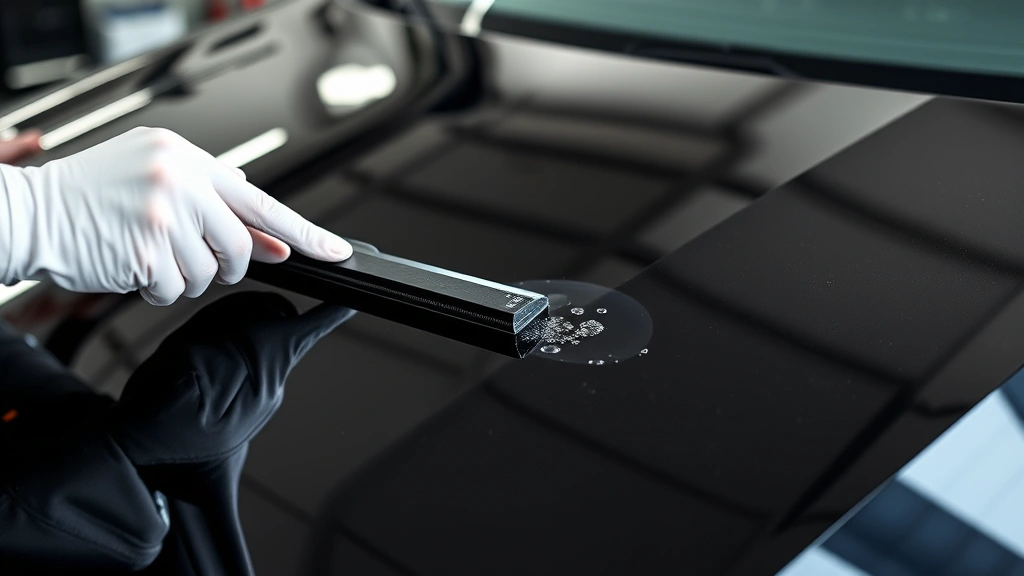
Squeegee Work and Pressure Application: Technicians employ various squeegee types and pressure techniques to eliminate air bubbles and ensure complete adhesive contact. This labor-intensive process requires consistent pressure, proper angles, and extensive experience to avoid film stretching or surface damage. Different film sections may require distinct squeegee approaches based on surface complexity.
Heat Application and Setting: Professional-grade heat guns carefully warm the film, enhancing its malleability and promoting adhesive activation. Controlled heat application allows technicians to stretch the film around complex contours and body panel edges. This step significantly impacts the film’s final appearance and adhesive longevity.
Edge Sealing and Finishing: Expert installers pay meticulous attention to film edges, ensuring they’re properly sealed and invisible. Precision trimming and edge treatment prevent peeling, contamination ingress, and water infiltration. This final detail work distinguishes professional installations from amateur attempts.
Post-Installation Care and Maintenance
Proper maintenance protocols maximize your paint protection film’s lifespan and protective capabilities. Vehicle owners must understand specific care requirements to preserve the film’s clarity, adhesion, and self-healing properties. Neglecting maintenance can compromise protection and accelerate degradation.
Initial Curing Period: Most paint protection films require 24-48 hours of curing before exposing the vehicle to water or harsh conditions. This critical period allows adhesives to fully set and achieve maximum bonding strength. Premature water exposure or pressure washing can cause edge lifting or bubble formation.
Washing and Cleaning Guidelines: Hand washing with mild soap and soft microfiber cloths represents the safest cleaning approach for protected vehicles. Automatic car washes, particularly those with aggressive brushes, can potentially damage film edges or compromise the protective barrier. High-pressure washing should be avoided or performed at safe distances from film edges.
Wax and Sealant Application: Many vehicle owners apply automotive wax or sealants over paint protection film to enhance gloss and provide additional protection. Quality products designed for PPF use won’t compromise the film’s self-healing capabilities or clarity. These additional layers simplify maintenance and improve water beading.
Self-Healing Activation: Minor scratches and swirl marks in the film heal when exposed to heat or sunlight. Owners can accelerate this process by parking in direct sunlight or using controlled heat application. Understanding this self-healing mechanism helps vehicle owners maintain the film’s pristine appearance.
Inspection and Monitoring: Regular visual inspections identify potential issues before they become problematic. Watch for edge lifting, bubble formation, or adhesive failure. Early detection allows for prompt repairs or spot treatments that prevent further damage expansion.
Common Installation Mistakes to Avoid
Understanding common pitfalls helps vehicle owners evaluate installer competence and recognize potential quality issues. Professional installations should demonstrate mastery of these critical considerations.
Inadequate Surface Preparation: Rushing through cleaning and preparation stages represents the most common installation mistake. Contaminants trapped beneath the film compromise adhesion and create visible defects. Quality installations invest substantial time in comprehensive surface preparation.
Improper Temperature Control: Installing PPF in cold or excessively hot environments compromises adhesive activation and film malleability. Professional installers maintain climate-controlled environments within specific temperature ranges to optimize results.
Excessive Squeegee Pressure: Aggressive pressure application can stretch or damage the film, creating permanent defects. Experienced technicians apply appropriate pressure using proper technique rather than brute force.
Poor Edge Finishing: Improperly sealed edges allow water infiltration and contamination, leading to adhesive failure. Professional edge treatment requires precision and expertise that distinguishes quality installations.
Incorrect Film Selection: Choosing low-quality or inappropriate PPF formulations compromises protection and longevity. Reputable installers recommend premium materials suited to specific vehicles and environmental conditions.
Cost Considerations and ROI
Paint protection film installation costs vary significantly based on coverage area, vehicle size, film quality, and regional pricing. Understanding cost factors helps vehicle owners evaluate the investment’s value proposition and long-term financial benefits.
Full-Vehicle Coverage: Complete PPF protection for an average sedan typically ranges from $2,500 to $5,000 for premium materials and professional installation. Luxury vehicles or extensive coverage areas can exceed $8,000 or more. This investment protects against repair costs that often exceed PPF expenses.
Partial Coverage Options: Strategic PPF application to high-impact areas (front bumper, hood, fenders, door handles) costs considerably less, typically $800-$1,500. This economical approach provides substantial protection for the most vulnerable surfaces.
Long-Term Financial Benefits: Paint protection film typically prevents repair costs ranging from $500 to $2,000+ for chip and scratch repairs. When considering multi-year vehicle ownership, PPF installation often represents a financially sound investment protecting resale value.
Insurance and Warranty Considerations: Some insurance policies offer discounts for vehicles with protective coatings. Additionally, quality PPF typically includes warranties covering adhesion failure or material defects, providing financial security.
Resale Value Impact: Vehicles with professional PPF installations often command premium resale values, particularly in luxury segments. Buyers appreciate preserved paint conditions and existing protective investments, justifying PPF costs through improved market value.
FAQ
How long does auto paint protection film typically last?
Premium paint protection films maintain protective capabilities for 7-10 years with proper maintenance. Standard TPU films may require replacement after 5-7 years. Longevity depends on environmental exposure, maintenance consistency, and film quality. Regular inspections help determine when replacement becomes necessary.
Can paint protection film be removed without damaging paint?
Professional removal of properly installed PPF should not damage factory paint. Experienced technicians use specialized techniques and heat application to safely separate the film from clear coat. DIY removal attempts risk paint damage, making professional removal advisable.
Does paint protection film affect vehicle appearance?
Quality PPF remains virtually invisible once properly installed, maintaining your vehicle’s original appearance. Premium films resist yellowing and maintain clarity throughout their lifespan. Matte finish options provide intentional aesthetic changes while preserving protection.
Is DIY paint protection film installation recommended?
Professional installation is strongly recommended over DIY approaches. PPF application requires specialized tools, extensive training, and climate-controlled environments. Professional installations guarantee optimal results, proper adhesion, and longevity that DIY methods cannot reliably achieve.
What environmental conditions require paint protection film?
Auto paint protection film benefits vehicles in virtually all environments. High-impact conditions including gravel roads, coastal regions with salt spray, and areas with industrial fallout particularly benefit from PPF protection. Even urban vehicles exposed to tree sap and bird droppings gain substantial advantages.
When evaluating professional PPF installation services, prioritize technicians with extensive experience, quality material selections, and comprehensive warranty coverage. Investing in superior installation protects your vehicle’s finish and maintains its aesthetic appeal and resale value for years to come. Consider exploring additional automotive resources for complementary vehicle care information.


