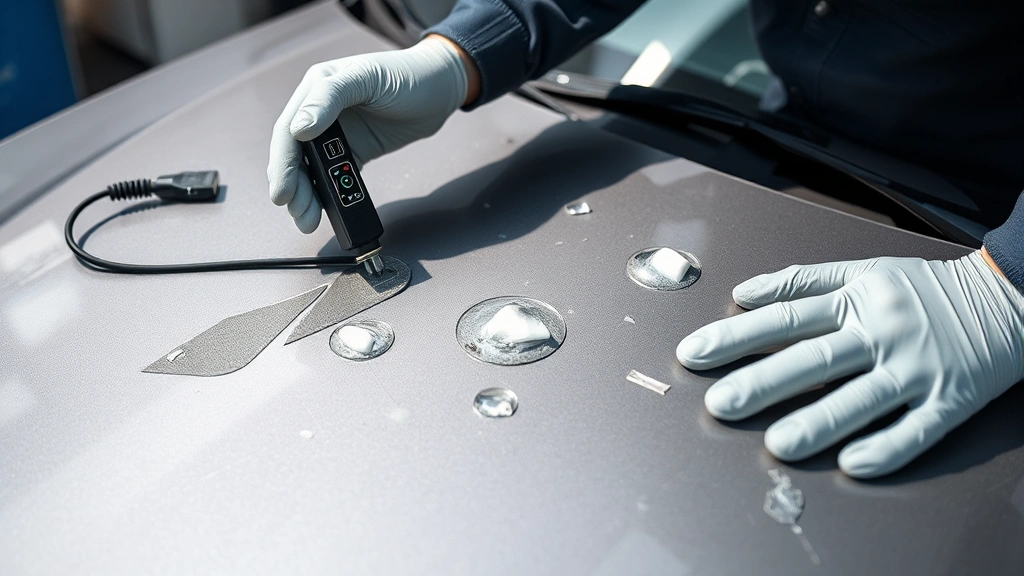
Is Your Car Safe from Hail? Expert Auto Tips for Maximum Protection
Hailstorms pose a significant threat to vehicle safety and integrity, causing thousands of dollars in damage annually. Whether you’re facing spring severe weather or unexpected climate events, understanding how to protect your automobile from hail damage is essential for every car owner. This comprehensive guide explores proven strategies, protective measures, and expert recommendations to keep your vehicle safe during hail events.
Vehicle damage from hail isn’t just a cosmetic concern—it can compromise structural integrity, affect resale value, and lead to costly repairs. By implementing the right protection strategies before severe weather strikes, you can minimize risk and maintain your car’s condition. Let’s explore the most effective approaches to hail protection and what experts recommend.
Understanding Hail Damage: The Real Threat
Hail damage represents one of the most unpredictable and costly weather-related threats to vehicles. Unlike other weather events, hail can strike suddenly with little warning, and the severity of damage depends on multiple factors including stone size, velocity, and your vehicle’s exposure time. Understanding the mechanics of hail damage helps you appreciate why comprehensive protection matters.
Hailstones can range from pea-sized particles to golf ball-sized chunks, with larger stones capable of causing severe dents, broken windows, and paint damage. The National Weather Service reports that hail events occur frequently across the United States, with certain regions experiencing multiple events annually. When hailstones impact your vehicle at high speeds, they can penetrate the protective clear coat and paint layers, leading to rust development and structural compromise over time.
The financial impact extends beyond immediate visible damage. Even small dents can affect aerodynamics and fuel efficiency, while compromised paint protection allows moisture infiltration and corrosion. Insurance claims related to hail damage have increased significantly, with the Insurance Information Institute documenting billions in annual losses. Recognizing these threats underscores why auto hail protection deserves serious consideration from every vehicle owner.
Different vehicle types face varying levels of vulnerability. Luxury vehicles with advanced materials may sustain different damage patterns than standard sedans. Your car’s age, paint condition, and existing protective coatings all influence susceptibility to hail damage. Understanding your specific vehicle’s vulnerabilities helps you tailor protection strategies effectively.
Protective Parking Solutions
The most straightforward approach to hail protection involves strategic parking that minimizes exposure. Your parking location during severe weather events dramatically influences damage risk. Covered parking facilities provide the primary defense against hailstorms, and prioritizing these locations during weather warnings is essential.
Garage Storage: A fully enclosed garage offers complete protection from hail, wind, and other weather threats. If you have garage access, moving your vehicle inside at the first severe weather warning is the gold standard for protection. Home garages, workplace covered parking, and commercial storage facilities all provide similar benefits. Even if garage access requires a small fee during storm season, the investment typically costs far less than hail damage repairs.
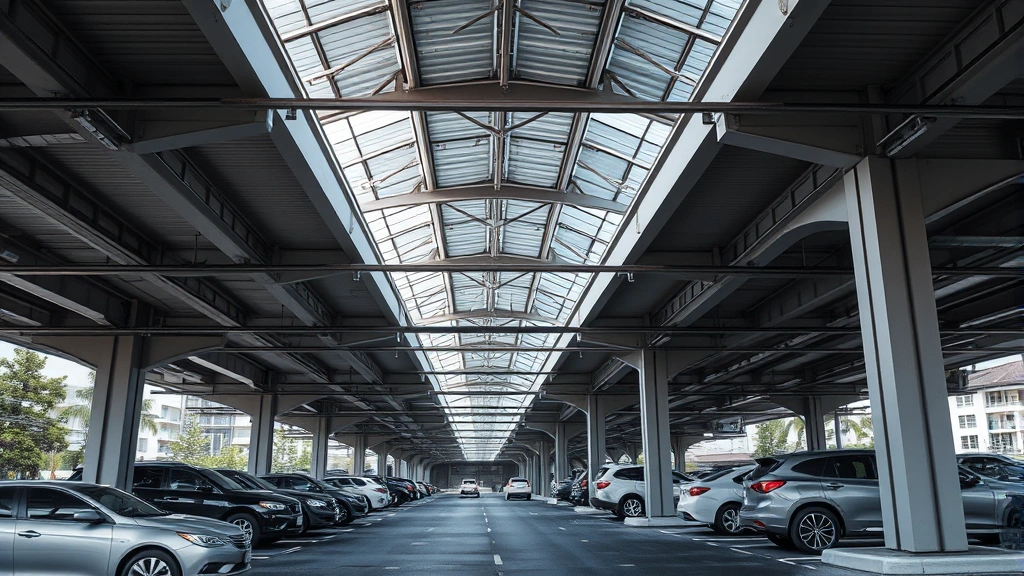
Covered Parking Structures: Multi-level parking garages and covered carport facilities significantly reduce hail exposure compared to open-air parking. These structures, commonly found at office buildings, shopping centers, and apartment complexes, offer substantial protection. When severe weather threatens, relocating your vehicle to covered parking can prevent thousands in damage.
Strategic Parking Placement: When covered parking isn’t available, positioning your vehicle strategically offers modest protection benefits. Parking under large trees can deflect some hail, though falling branches present alternate risks during severe storms. Parking near buildings or structures that provide wind breaks reduces hail velocity impact. However, these measures should never replace covered parking when available.
The key to effective parking-based protection involves staying weather-aware. Download weather alert applications, monitor local news during spring and summer months, and respond quickly to severe weather warnings. Many communities issue hail storm warnings with sufficient advance notice to move vehicles to protected locations. Developing this habit of rapid response can prevent most hail damage incidents.
Physical Barriers and Coverings
When covered parking isn’t accessible, physical barriers and specialized coverings provide intermediate protection levels. Vehicle covers designed specifically for hail protection have evolved significantly, offering varying degrees of effectiveness based on material quality and construction.
Hail-Resistant Car Covers: Specialized hail protection covers utilize thick, multilayered materials engineered to absorb impact energy and distribute force across larger surface areas. Premium covers feature reinforced stitching, secure fastening systems, and cushioned inner linings that protect paint. These covers typically weigh more than standard car covers and provide measurably better protection, though they don’t prevent all damage from severe hail events.
Quality hail covers cost between $200-$600 depending on vehicle size and material specifications. While this represents a significant investment, it’s substantially less than typical hail damage repair costs ranging from $1,000-$10,000. Covers work best when properly installed and secured, as loose covers can allow hail to reach vehicle surfaces.
Inflatable Protection Systems: Some manufacturers offer inflatable air cushion systems that deploy around vehicles during hail events. These systems create an air barrier that absorbs impact energy. However, deployment requires manual activation and advance preparation, limiting practical utility during unexpected storms. These systems cost $1,500-$3,000 and require professional installation.
Temporary Protective Structures: Portable carports and temporary canopy structures offer affordable alternatives for regular hail protection. These structures, costing $500-$2,000, can be erected in driveways or parking areas to provide overhead protection. Pop-up canopies with reinforced frames offer reasonable protection while remaining relatively affordable and portable.
The effectiveness of physical barriers depends on installation quality and maintenance. Regularly inspect covers for tears or damage, ensure fastening systems remain secure, and replace covers showing significant wear. Proper storage and handling extend cover lifespan and maintain protection effectiveness.
Insurance and Documentation Strategies
While physical protection prevents damage, comprehensive insurance coverage protects your financial interests when hail damage occurs. Understanding your insurance options and maintaining detailed vehicle documentation ensures you can recover losses effectively.
Comprehensive Coverage: Standard liability insurance doesn’t cover hail damage. Comprehensive coverage, which protects against weather events, theft, and vandalism, specifically includes hail damage protection. While comprehensive coverage requires additional premium payments, the protection typically costs $200-$600 annually depending on your vehicle’s value and location. For vehicles in hail-prone regions, comprehensive coverage represents essential financial protection.
Deductible Selection: Comprehensive coverage policies include deductibles ranging from $250-$1,000. Higher deductibles reduce premium costs but increase out-of-pocket expenses when damage occurs. Consider your financial capacity to absorb deductible costs when selecting coverage levels. Many insurers offer $0 deductible options for hail damage specifically, though these may require premium adjustments.
Documentation and Photography: Before hail season arrives, photograph your vehicle from multiple angles, documenting paint condition, existing damage, and overall appearance. This baseline documentation establishes your vehicle’s pre-damage condition, facilitating insurance claims. After hail events, photograph all damage immediately, capturing both wide shots and close-ups of affected areas. This documentation accelerates claim processing and supports damage assessment accuracy.
Claim Filing Process: When hail damage occurs, contact your insurance company promptly. Most insurers offer rapid response teams that assess damage within 24-48 hours. Provide your baseline photos and post-damage documentation to expedite the process. Insurance adjusters use this documentation to determine coverage and authorize repairs. Maintaining organized records and responding quickly improves claim outcomes.
Review your insurance policy annually, especially before severe weather season. Ensure coverage limits match your vehicle’s current value and that comprehensive coverage includes hail protection. Some insurers offer additional coverage options specifically designed for hail-prone regions, providing enhanced protection at reasonable costs.
Pre-Storm Preparation Checklist
Effective hail protection requires advance preparation. Developing and maintaining a pre-storm checklist ensures you respond appropriately when severe weather threatens. This systematic approach minimizes damage risk and protects your investment.
Weather Monitoring Systems: Subscribe to weather alert services that provide hail storm warnings specific to your location. National Weather Service alerts, weather application notifications, and local news warnings offer advance notice of approaching severe weather. Enable push notifications on your smartphone so you receive warnings immediately. During spring and summer months, check weather forecasts daily and monitor storm development patterns.
Vehicle Preparation: Keep your vehicle in optimal condition to minimize damage severity. Maintain paint protection through regular washing and waxing, which helps deflect hail impact energy. Ensure all windows are in good condition and free from existing cracks that hail could expand. Check weatherstripping around doors and windows to prevent water infiltration during storms. These maintenance tasks support damage prevention and minimize repair complexity.
Protective Equipment Storage: If using hail covers or portable carports, store these items in easily accessible locations. Keep covers clean and dry, stored in protective bags to prevent damage. Inspect equipment before hail season to identify any necessary repairs or replacements. Having equipment readily available enables rapid deployment when storms approach.
Route Planning: Identify covered parking locations near your home, workplace, and frequently visited destinations. Know which parking structures offer hail protection and understand access procedures. During weather warnings, you can quickly navigate to protected locations rather than searching for suitable parking. This planning ensures you can respond effectively when storms threaten.
Communication Protocols: If you have family members or employees who operate your vehicle, ensure everyone understands hail protection procedures. Communicate parking location alternatives and establish protocols for responding to weather warnings. This shared understanding ensures consistent protective actions regardless of who’s operating the vehicle.
Advanced Protection Technologies
Emerging technologies offer innovative approaches to hail protection that complement traditional methods. These advanced solutions represent the evolution of automotive protection strategies and may become increasingly common in future vehicle designs.
Protective Film Applications: Clear protective films, originally developed for architectural applications, can be applied to vehicle windows and vulnerable surfaces. These films absorb impact energy and hold glass intact if breakage occurs, preventing complete window failure. Professional installation costs $500-$1,500 but provides lasting protection. The films remain transparent and don’t affect visibility or vehicle appearance.
Paint Protection Coatings: Advanced ceramic coatings and hydrophobic paint treatments create hardened surface layers that resist impact damage and deflect hail more effectively than standard paint. These professional-grade coatings cost $800-$2,000 but provide multi-year protection. The enhanced hardness and flexibility of these coatings measurably reduce dent severity when hail impacts occur.
Smart Parking Integration: Connected vehicle systems increasingly include weather integration features that alert drivers to approaching severe weather and identify nearby covered parking. Some vehicles can automatically close windows, retract antennas, and adjust settings when weather alerts activate. As these systems develop, they’ll provide increasingly sophisticated hail protection through automation.
Materials Innovation: Automotive manufacturers continue developing lighter, stronger materials that resist hail damage while improving fuel efficiency. Advanced composite materials and reinforced polymers offer improved impact resistance compared to traditional steel and aluminum. Future vehicle designs will incorporate these innovations to provide inherent hail protection.
These advanced technologies complement rather than replace traditional protection methods. The most comprehensive approach combines strategic parking, quality insurance coverage, and emerging protective technologies to maximize your vehicle’s safety during hail events.
FAQ
What size hail causes vehicle damage?
Hailstones larger than ½ inch diameter typically cause visible paint damage, while stones exceeding 1 inch commonly create significant dents. Golf ball-sized hail (1.75 inches) causes severe damage including broken windows and structural dents. Even smaller hail can accumulate damage when stones strike repeatedly across vehicle surfaces.
Does homeowners insurance cover hail damage to vehicles?
Homeowners insurance typically doesn’t cover vehicle damage. You need comprehensive auto insurance coverage to protect against hail damage. Contact your insurance agent to add or verify comprehensive coverage on your policy before severe weather season.
How much does hail damage repair typically cost?
Repair costs vary significantly based on damage severity. Minor dent repairs cost $300-$1,000, while extensive damage affecting multiple panels and windows can exceed $10,000. Paintless dent removal techniques offer cost-effective options for some damage types, typically ranging from $500-$3,000.
Can hail damage affect vehicle safety?
Yes, severe hail damage can compromise vehicle safety by damaging windows, affecting structural integrity, and creating corrosion risks. Broken windows reduce visibility and structural protection, while dents can affect aerodynamics and body panel alignment. Any significant damage should be professionally assessed for safety implications.
What’s the best hail protection method?
Covered parking in garages or protective structures provides the most effective hail protection. When covered parking isn’t available, high-quality hail-specific car covers offer substantial protection. Comprehensive insurance coverage protects your financial interests when damage occurs. The most effective approach combines multiple protection strategies based on your circumstances.
How long do hail-resistant car covers last?
Quality hail covers typically last 3-5 years with proper maintenance and storage. Regular inspection, cleaning, and protection from UV exposure extend cover lifespan. Replace covers showing significant wear, tears, or degradation to maintain protection effectiveness.


