Auto Door Sill Protection: Expert Guide & Tips
Your vehicle’s door sills endure constant punishment from daily use, weather exposure, and foot traffic. These vulnerable areas at the base of your car doors are susceptible to scratches, dents, rust, and cosmetic damage that can significantly diminish your vehicle’s appearance and resale value. Understanding auto door sill protection is essential for any vehicle owner who wants to maintain their car’s integrity and aesthetic appeal for years to come.
Door sills serve as the transition point between your vehicle’s interior and exterior, bearing the brunt of passenger entry and exit. Without proper protection, these areas become hotspots for wear and tear. Whether you drive a luxury sedan, practical SUV, or reliable truck, implementing effective door sill protection strategies can prevent costly repairs and preserve your vehicle’s condition. This comprehensive guide explores proven methods, materials, and professional tips to safeguard your auto door sills effectively.
Understanding Door Sill Damage
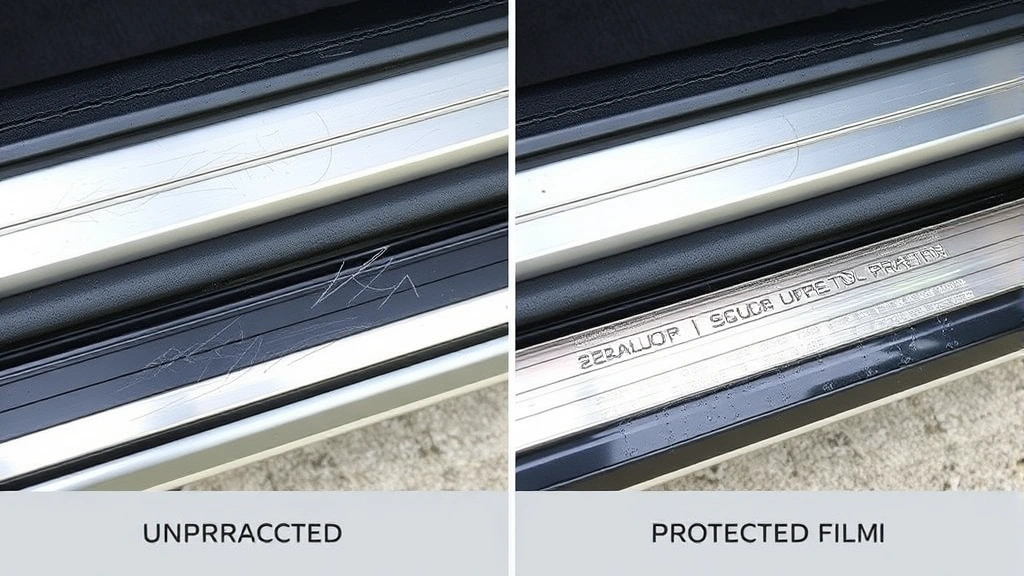
Door sills experience multiple types of damage that compromise both aesthetics and structural integrity. Abrasion damage occurs when shoes, boots, and clothing continuously rub against the painted surface, gradually wearing away clear coats and paint layers. This type of damage is particularly severe in high-traffic vehicles where multiple passengers enter and exit daily.
Corrosion and rust represent another critical concern, especially in regions with harsh winters where road salt and moisture accelerate oxidation. Metal door sills without adequate protection can develop surface rust within months of exposure. Impact damage from dropped objects, shopping bags, or careless entry can create dents and dings that prove difficult and expensive to repair through traditional body shop services.
Environmental factors including UV radiation, acid rain, bird droppings, and tree sap gradually deteriorate unprotected door sills. Over time, these cumulative effects create visible wear patterns that make vehicles appear neglected and reduce their market value. Understanding these damage mechanisms helps you appreciate why proactive protection measures are worthwhile investments.
Types of Protection Materials
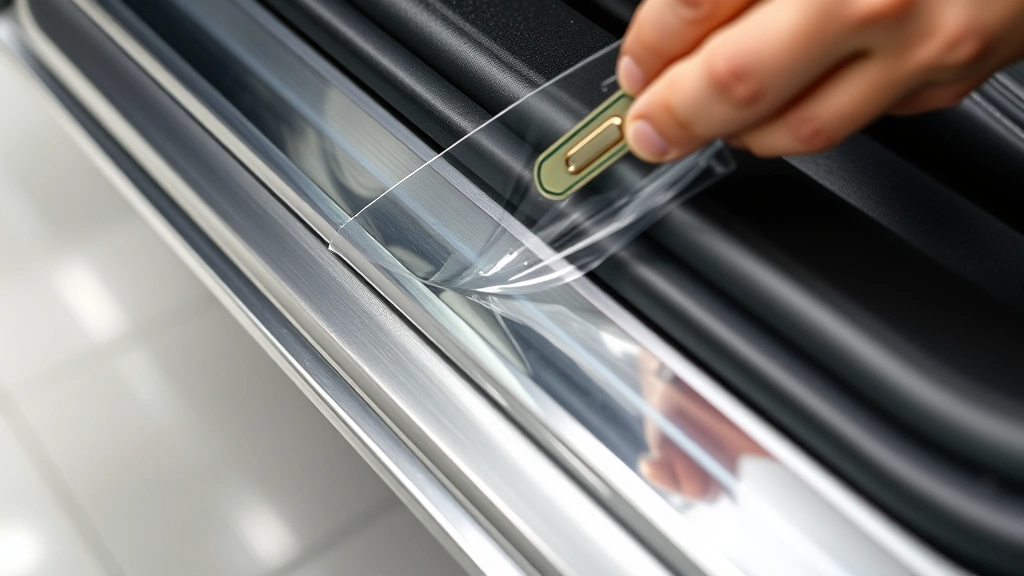
Clear protective films represent the most popular modern solution for door sill protection. These transparent, self-adhesive films create an invisible barrier that shields against scratches, UV damage, and minor impacts. Premium films feature self-healing properties that allow minor scratches to disappear as the material naturally recovers its smooth surface. These films are optically clear, maintaining your vehicle’s original appearance while providing robust protection.
Paint protection film (PPF) specifically designed for door sills offers superior durability compared to generic protective films. Professional-grade PPF includes advanced adhesive systems that resist yellowing and maintain clarity for extended periods. These films typically last 5-10 years depending on environmental exposure and maintenance practices, making them cost-effective long-term investments.
Rubber or silicone edge guards provide physical protection while maintaining visibility of the underlying paint. These flexible guards absorb impact energy and prevent direct contact between shoes and painted surfaces. Available in various colors and finishes, edge guards can complement your vehicle’s aesthetic while delivering practical protection. Installation is straightforward, requiring only careful alignment and secure adhesion.
Metal protective trim pieces offer aesthetic enhancement alongside functional protection. Stainless steel or chrome-plated sill covers create a premium appearance while shielding vulnerable areas from damage. These covers require precise installation to ensure proper fitment and weather sealing, preventing water infiltration beneath the trim pieces.
Ceramic coatings provide chemical and environmental protection by creating a hardened surface layer. When applied to door sills, ceramic coatings resist dirt accumulation, water spotting, and UV damage. However, ceramic coatings alone cannot prevent physical impact damage, so they work best in combination with mechanical protection methods.
Installation Methods
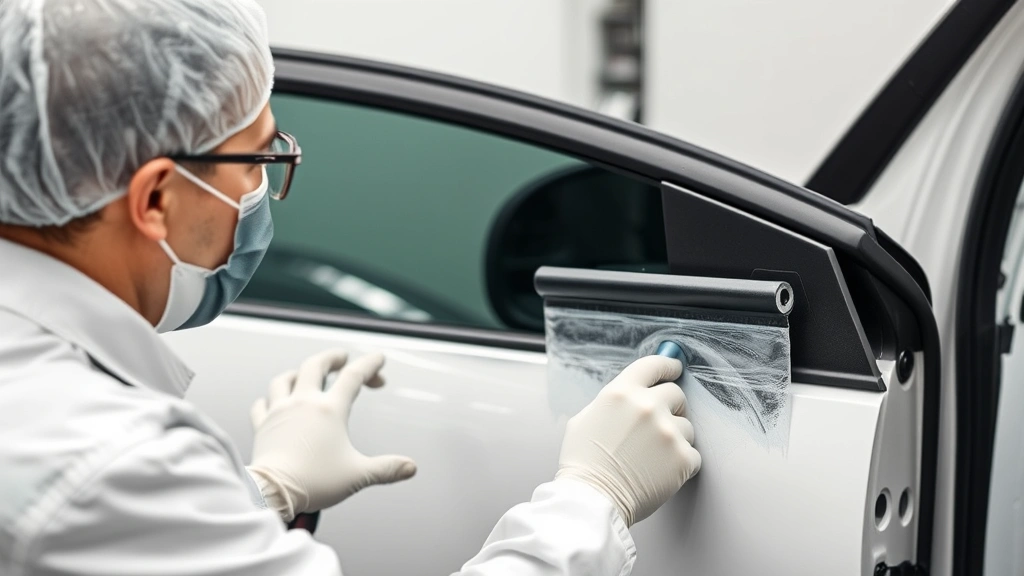
Professional installation ensures optimal results for door sill protection systems. Certified technicians possess specialized equipment, training, and experience to prepare surfaces properly and apply protective materials with precision. Professional installers begin by thoroughly cleaning door sill areas with specialized solvents that remove all contaminants, oils, and residues that could compromise adhesion.
Surface preparation is critical for film-based protection systems. Professionals use heat guns and squeegees to carefully apply protective films, eliminating air bubbles and ensuring complete contact between the film and painted surface. This meticulous process prevents moisture infiltration and extends the protection system’s lifespan significantly.
DIY installation is possible for simpler protection methods like rubber edge guards or basic protective films. However, achieving professional-quality results requires patience, proper tools, and careful technique. Many vehicle owners find that the minimal cost savings of DIY installation don’t justify the risk of improper application that could result in peeling, bubbling, or inadequate protection.
For those choosing DIY approaches, following manufacturer instructions precisely is essential. Ensure your vehicle is parked in a temperature-controlled environment during installation, as extreme temperatures affect adhesive performance. Use squeegees with soft edges to avoid scratching surfaces, and allow adequate curing time before exposing treated areas to moisture or contact.
Maintenance Strategies
Regular cleaning prevents dirt and debris accumulation that can scratch protective films or degrade underlying paint. Gentle washing with pH-neutral soaps and microfiber cloths maintains the clarity of protective films while removing environmental contaminants. Avoid abrasive scrubbing or harsh chemicals that could damage protective coatings or films.
Periodic inspection helps identify damage early before it compromises protection effectiveness. Check for film edges lifting, discoloration, or physical damage that requires professional repair or replacement. Early intervention prevents minor issues from developing into major problems requiring complete system replacement.
Protection film longevity depends partly on environmental conditions and maintenance practices. In harsh climates with intense UV exposure, consider applying UV-protective topcoats that extend film clarity and durability. These additional coatings create an extra barrier against environmental degradation while maintaining optical clarity.
Avoid parking under trees or in locations prone to debris accumulation. Bird droppings, tree sap, and leaves can compromise protective systems if left unaddressed. Regular washing removes these materials before they cause permanent damage or staining to protective films.
Professional vs DIY Solutions
Professional door sill protection services offer comprehensive solutions with warranty protection and guaranteed results. Certified installers use industrial-grade materials and equipment that exceed consumer-level products available for retail purchase. Professional work typically includes surface preparation, protective film application, and quality assurance inspections.
Professional installations typically cost between $200-$500 per vehicle, depending on the protection system selected and your vehicle’s door sill configuration. While this represents a significant investment, the protection value and peace of mind often justify the expense, particularly for luxury vehicles or new cars.
DIY solutions appeal to budget-conscious vehicle owners willing to invest time and effort. Basic protective films and rubber edge guards cost $50-$150 for complete door sill coverage. However, DIY installers must accept responsibility for application quality and any damage resulting from improper installation techniques.
Consider your vehicle’s value, local climate conditions, and personal mechanical aptitude when deciding between professional and DIY approaches. High-value vehicles benefit significantly from professional installation, while older vehicles might justify DIY approaches as cost-saving measures.
Cost Considerations
Door sill protection costs vary based on material selection, vehicle type, and installation method. Budget-friendly options using basic adhesive-backed films range from $50-$100 for materials. Premium paint protection films with self-healing properties cost $150-$300, while professional installation adds $200-$400 to total project costs.
Comparing protection costs against potential repair expenses provides valuable perspective on this investment. Professional paint correction and touch-up work for damaged door sills typically costs $300-$800 per vehicle, depending on damage severity. Rust repair and corrosion treatment can exceed $1,000 when structural damage requires metal replacement or welding.
Insurance and resale value considerations strengthen the case for proactive protection. Vehicles with well-maintained appearance and minimal cosmetic damage command higher resale prices, often recovering protection investment costs many times over. Additionally, some insurance policies offer discounts for vehicles with protective treatments, offsetting initial expenses.
Long-term cost analysis reveals that protection investment typically costs less than half the repair expenses required to address accumulated damage. Considering protection systems last 5-10 years, annual protection costs average only $30-$60, making this one of the most cost-effective vehicle maintenance investments available.
FAQ
How long does auto door sill protection last?
Quality protective films typically last 5-10 years depending on environmental exposure, climate conditions, and maintenance practices. UV-intensive regions and harsh climates may reduce lifespan to 5-7 years, while protected environments might extend protection to 10+ years. Rubber edge guards generally last longer, often exceeding 10 years before requiring replacement.
Can I apply protective film myself?
Yes, DIY application is possible using retail protective film kits and following manufacturer instructions carefully. However, achieving professional-quality results requires patience, proper tools, and careful technique. Many vehicle owners find professional installation worthwhile for superior results and warranty coverage, despite higher costs.
Will protective film affect my door sill appearance?
Premium protective films are optically clear and maintain your vehicle’s original appearance while providing protection. Self-healing films maintain clarity better than basic protective films over extended periods. Edge guards add subtle aesthetic elements while protecting vulnerable areas, and metal trim pieces can enhance appearance while providing protection.
What’s the best protection for rusty door sills?
For existing rust, professional treatment and rust conversion should precede protective film application. Rust must be completely addressed before applying protective systems, as films cannot stop existing corrosion. After rust treatment and repainting, protective films prevent future rust development effectively.
How do I maintain protected door sills?
Regular gentle washing with pH-neutral soaps and microfiber cloths maintains protective systems effectively. Avoid abrasive scrubbing or harsh chemicals that could damage films. Periodic inspection helps identify damage early, and prompt repair prevents minor issues from compromising protection effectiveness.
Are professional installations worth the cost?
Professional installations typically cost $200-$400 but provide superior results, warranty coverage, and guaranteed protection. For vehicles worth over $20,000 or in harsh climates, professional installation represents excellent value. DIY approaches cost less but require accepting responsibility for application quality and results.
Protecting your vehicle’s door sills represents a smart investment in appearance preservation and long-term value maintenance. Whether choosing professional services or DIY approaches, implementing protection measures now prevents costly damage later. By understanding available options and selecting solutions matching your vehicle’s needs and budget, you can keep your auto door sills looking pristine for years to come.
For comprehensive vehicle maintenance guidance, explore ScreenVibeDaily Blog resources and related automotive content. Consider researching detailed review resources when selecting protection products and services. Check current product recommendations for top-rated protection systems. Learn from experts through detailed analysis techniques when evaluating protection options. Discover comprehensive guides for vehicle care solutions applicable to all vehicle types and family situations.


