
Auto Coating Protection: Expert Tips to Shield Your Vehicle’s Paint
Your vehicle’s paint is constantly under attack from environmental hazards, UV rays, road salt, bird droppings, tree sap, and industrial fallout. Without proper protection, your car’s finish can deteriorate rapidly, leading to oxidation, fading, and costly repainting. Auto coating protection has become essential for vehicle owners who want to maintain their car’s appearance and resale value. Modern protective coatings offer advanced technology that creates a durable barrier between your paint and harmful elements, ensuring your vehicle looks pristine for years to come.
Whether you’re driving a brand-new luxury vehicle or maintaining a cherished classic, understanding the fundamentals of auto coating protection is crucial. This comprehensive guide explores the latest expert tips, technologies, and strategies for shielding your paint from damage. From ceramic coatings to paint protection films, we’ll cover everything you need to know to make informed decisions about protecting your automotive investment.
Understanding Auto Coating Protection Basics
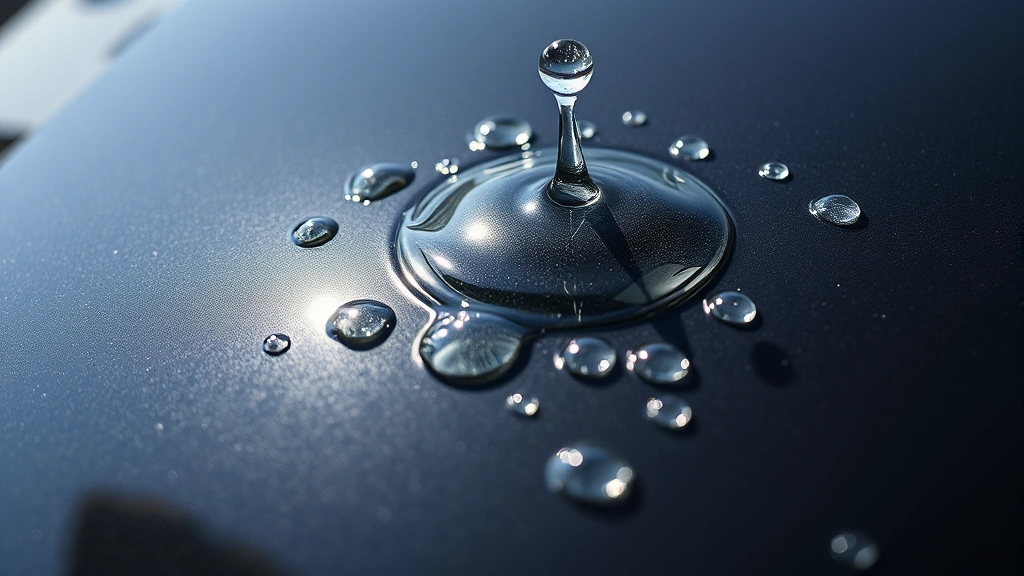
Auto coating protection refers to specialized products applied to your vehicle’s exterior paint to create a protective layer against environmental contaminants and physical damage. These coatings work by bonding with the clear coat of your paint, forming a hydrophobic surface that repels water, dirt, and harmful substances. The primary purpose is to preserve the original paint finish while reducing the need for frequent washing and waxing.
The science behind automotive coatings involves nanotechnology and advanced polymer chemistry. When applied correctly, these coatings create microscopic layers that are incredibly durable and resistant to harsh conditions. Unlike traditional wax that requires frequent reapplication, modern coatings can last several years with proper maintenance. Understanding how these products work helps you appreciate their value and make better choices for your vehicle’s protection strategy.
Environmental threats to your vehicle’s paint include ultraviolet radiation, which causes fading and oxidation, as well as acid rain that etches the clear coat. Road salt accelerates corrosion, while tree sap and bird droppings contain acidic compounds that damage paint if left untreated. Industrial fallout from factories and brake dust from heavy traffic create additional hazards. Quality auto coating protection addresses all these threats simultaneously, providing comprehensive defense for your automotive investment.
Types of Protective Coatings for Vehicle Paint
Several categories of protective coatings are available to vehicle owners, each with distinct advantages and characteristics. Traditional carnauba wax offers an affordable option but requires reapplication every three to six months. Synthetic polymer sealants provide longer-lasting protection, typically lasting six to twelve months. These represent the foundational protective options that have been used for decades.
Ceramic coatings represent a significant advancement in auto coating protection technology. These products use silicon dioxide or similar ceramic compounds to create a semi-permanent bond with your paint. Ceramic coatings offer superior durability compared to wax or sealants, often lasting two to five years depending on the product quality and maintenance. They provide exceptional hydrophobic properties, meaning water beads off the surface rather than spreading across the paint.
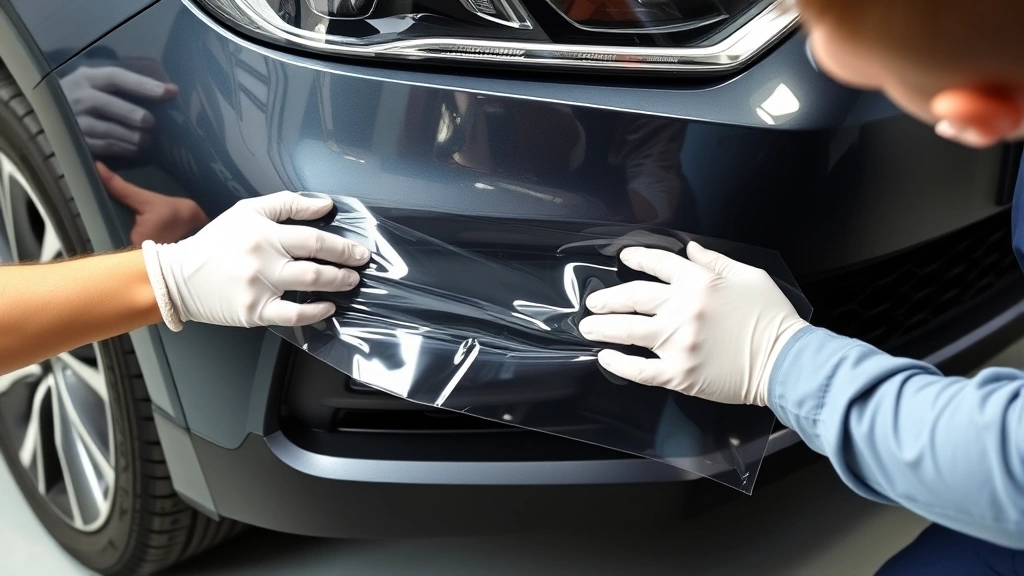
Paint protection film, also known as clear bra, is a thermoplastic urethane film applied to vulnerable areas of your vehicle. This physical barrier protects against rock chips, scratches, and minor impacts. Many vehicle owners combine paint protection film with ceramic coatings for maximum defense. Graphene-enhanced coatings represent the newest frontier, offering even greater hardness and thermal resistance than traditional ceramic products.
Nano-ceramic coatings incorporate nanoparticles that fill microscopic imperfections in your clear coat, creating an incredibly smooth and durable surface. These advanced formulations provide superior gloss enhancement while offering excellent chemical resistance. Professional-grade coatings typically contain higher concentrations of active ingredients compared to consumer products, resulting in superior longevity and performance.
Ceramic Coating Benefits and Application
Ceramic coatings have revolutionized the auto coating protection industry by offering unprecedented durability and ease of maintenance. The hydrophobic properties of ceramic coatings create a self-cleaning effect, where water and dirt slide off the surface rather than adhering to the paint. This characteristic dramatically reduces the frequency and intensity of washing required to maintain your vehicle’s appearance.
The benefits of ceramic coating extend beyond water repellency. These coatings provide excellent protection against ultraviolet radiation, which is crucial for preventing fading and oxidation. Chemical resistance is another significant advantage, as ceramic coatings protect against acid rain, bird droppings, tree sap, and industrial contaminants. The improved gloss and depth perception create a showroom-quality finish that enhances your vehicle’s aesthetic appeal.
Professional ceramic coating application requires meticulous preparation, including paint correction to remove swirl marks and scratches. Technicians use specialized equipment to ensure even application and proper curing. The process typically takes one to three days, depending on the vehicle size and coating complexity. Consumer-grade ceramic coatings are available for DIY application, though professional results generally exceed what home application can achieve.
Ceramic coatings create a hardened surface that resists minor scratches and swirl marks better than untreated paint. This durability translates to long-term savings on paint correction and detailing services. The typical lifespan ranges from two to five years for professional coatings, with some premium products claiming even longer durability. Regular maintenance washing and occasional ceramic coating toppers can extend the protection period.
Paint Protection Film: The Ultimate Shield
Paint protection film represents the most comprehensive physical defense against paint damage, rock chips, and minor impacts. This clear, self-healing thermoplastic urethane film adheres to your vehicle’s paint, creating an invisible barrier. Self-healing technology allows minor scratches to disappear as the film naturally returns to its original state when exposed to heat.
Strategic application of paint protection film focuses on high-impact areas including the front bumper, hood, fenders, and side mirrors. Many vehicle owners opt for full-body coverage, which provides complete protection but requires significant investment. Partial coverage targeting vulnerable areas offers a cost-effective compromise between protection and expense. When combined with ceramic coatings, paint protection film provides layered defense against multiple threats.
The installation process requires professional expertise to ensure proper alignment and bubble-free application. Experienced technicians use specialized tools and techniques to achieve seamless results. The film’s edge sealing is critical to prevent water infiltration and peeling. Quality installation can take several days, depending on the coverage area and vehicle complexity. Proper installation ensures the film remains invisible while providing years of reliable protection.
Paint protection film offers advantages that ceramic coatings cannot match, specifically physical impact resistance. While ceramic coatings protect against chemical and environmental damage, paint protection film guards against mechanical damage from road debris. The self-healing properties mean minor scratches from automatic car washes disappear without leaving permanent marks. Combining both technologies creates comprehensive auto coating protection that addresses all potential threats.
Professional Application vs. DIY Methods
Professional auto coating protection application delivers superior results compared to DIY methods, primarily due to specialized equipment and expertise. Professionals perform thorough paint correction before applying protective coatings, ensuring the paint surface is perfectly smooth and free of defects. This preparation step significantly impacts the final results and coating longevity.
Professional detailers use controlled environments to apply coatings, protecting against dust, humidity, and temperature fluctuations that can compromise application quality. They possess knowledge of specific product requirements, including optimal application temperatures, curing times, and environmental conditions. Professional-grade products often contain higher concentrations of active ingredients, requiring proper technique for optimal performance.
DIY ceramic coating application is possible for budget-conscious vehicle owners willing to invest time and effort. Consumer-grade products are formulated for easier application compared to professional versions. However, proper surface preparation remains critical even for DIY applications. Many DIY failures result from inadequate cleaning and preparation rather than poor application technique. Following manufacturer instructions precisely is essential for achieving acceptable results.
The cost difference between professional and DIY application is substantial, with professional services ranging from several hundred to several thousand dollars depending on vehicle size and coating type. DIY kits cost significantly less but may not deliver equivalent durability or aesthetic results. For vehicles representing significant financial investment, professional application typically offers superior value despite higher upfront costs. For older vehicles or those with less critical protection needs, DIY options may provide adequate protection at minimal expense.
Paint protection film installation absolutely requires professional expertise, as improper application can result in visible defects, peeling edges, and water infiltration. The precision required for seamless coverage and proper edge sealing exceeds typical DIY capabilities. Professional installers invest in specialized tools, training, and quality products that ensure lasting results and warranty coverage.
Maintenance Strategies for Coated Vehicles
Maintaining properly coated vehicles requires a different approach compared to unprotected paint. While ceramic coatings reduce maintenance needs significantly, they still require regular care to maximize longevity. Proper washing technique is essential, using pH-neutral soap specifically formulated for coated vehicles. Harsh detergents can degrade coatings prematurely, so selecting appropriate cleaning products is crucial.
Regular washing removes contaminants that accumulate on the coating surface. Experts recommend washing coated vehicles every two to four weeks, depending on environmental conditions and driving frequency. Vehicles exposed to harsh conditions, salt spray, or industrial fallout may require more frequent washing. Using a two-bucket washing method with microfiber wash mitts prevents swirl marks and scratches.
Ceramic coating toppers provide maintenance applications that refresh and enhance coating protection. These products are applied every six to twelve months, extending the overall protection period and restoring hydrophobic properties. Professional detailers offer ceramic coating maintenance packages that include specialized washing and topper application. Regular maintenance applications can extend ceramic coating lifespan from three years to five years or longer.
Paint protection film requires minimal maintenance beyond regular washing with appropriate techniques. Avoid abrasive scrubbing or aggressive pressure washing on film edges, as these can cause lifting or peeling. If the film becomes scratched or damaged, professional repair or replacement may be necessary. Inspecting the film regularly for edge lifting or damage allows early intervention before problems worsen.
Avoid automatic car washes with abrasive brushes, which can damage both ceramic coatings and paint protection film. Touchless car washes or hand washing provide safer cleaning alternatives. Avoid parking under trees where bird droppings and tree sap can accumulate, as these require prompt removal to prevent coating damage. Covered parking or garage storage significantly extends coating longevity by reducing environmental exposure.
Common Mistakes to Avoid
Many vehicle owners compromise their auto coating protection through preventable mistakes. One critical error is inadequate surface preparation before coating application. Contaminated or improperly cleaned surfaces prevent proper coating adhesion, resulting in premature failure. Professional detailers emphasize that preparation quality directly determines coating longevity and performance.
Applying coatings in unsuitable environmental conditions represents another common mistake. Temperature, humidity, and air quality significantly impact application success. Applying ceramic coatings in cold, humid conditions or direct sunlight can cause improper curing and visible defects. Following manufacturer specifications for environmental conditions is essential for optimal results.
Using incompatible cleaning products after coating application damages the protective layer. Acidic cleaners, harsh detergents, and abrasive polishing compounds can degrade ceramic coatings. Selecting pH-neutral products specifically formulated for coated vehicles ensures protection longevity. Many vehicle owners unknowingly use damaging products that compromise their coating investment.
Neglecting regular maintenance accelerates coating degradation. Even durable ceramic coatings require periodic washing and occasional maintenance applications. Allowing contaminants to accumulate on the coating surface can cause permanent bonding, requiring professional correction. Establishing a consistent maintenance schedule protects your coating investment and ensures lasting protection.
Mixing different coating brands or products can create compatibility issues and reduce overall effectiveness. Applying new coatings over existing coatings without proper preparation leads to peeling and failure. If recoating is necessary, professional surface preparation and removal of previous coating layers is essential. Consulting with detailing professionals before applying multiple coatings prevents costly mistakes.
Overestimating coating durability and neglecting regular maintenance routines is another significant error. Even five-year ceramic coatings require proper care to achieve their full lifespan. Some vehicle owners believe coatings eliminate all maintenance needs, which is incorrect. Regular washing and periodic maintenance applications maximize coating longevity and performance.
Frequently Asked Questions
How long does ceramic coating protection last?
Professional ceramic coatings typically last two to five years, with premium products potentially lasting longer. Durability depends on product quality, application expertise, environmental conditions, and maintenance consistency. Consumer-grade coatings generally last one to two years. Regular maintenance applications can extend overall protection periods by a year or more.
Can I apply ceramic coating myself?
Consumer-grade ceramic coatings are available for DIY application, though professional results typically exceed home application. Success requires meticulous surface preparation, proper application technique, and suitable environmental conditions. Professional application delivers superior durability and aesthetic results, making it worthwhile for valuable vehicles.
Is paint protection film worth the investment?
Paint protection film provides exceptional value for vehicles frequently exposed to road debris, gravel roads, or harsh driving conditions. The self-healing properties and impact resistance protect against damage that ceramic coatings cannot prevent. For daily drivers in urban environments, full coverage may not be necessary, but high-impact areas benefit significantly from protection.
Can I combine ceramic coating with paint protection film?
Yes, combining ceramic coating with paint protection film provides comprehensive protection addressing both chemical and physical threats. Apply paint protection film first, then apply ceramic coating over the film and remaining painted surfaces. This layered approach offers maximum defense against all potential damage sources.
What is the best way to wash a ceramic coated vehicle?
Use pH-neutral soap formulated specifically for coated vehicles, along with microfiber wash mitts and the two-bucket washing method. Avoid harsh detergents, abrasive scrubbing, and automatic brush car washes. Touchless car washes or professional hand washing provide safer alternatives that preserve coating integrity.
Do ceramic coatings prevent all scratches?
Ceramic coatings improve scratch resistance but do not prevent all scratches. They protect against minor swirl marks from improper washing and light scratches from environmental contact. Deeper scratches from road debris or impacts may penetrate the coating. Paint protection film provides superior protection against mechanical damage.
How much does professional ceramic coating cost?
Professional ceramic coating costs vary based on vehicle size, paint condition, and product quality, typically ranging from $500 to $2,500 or more. Paint correction prior to coating application increases costs. Consumer-grade kits cost $50 to $300, offering budget alternatives with lower durability and performance.


