How to Beat Atlanta Hartsfield Wait Times: Frequent Flyer Tips & Security Strategies
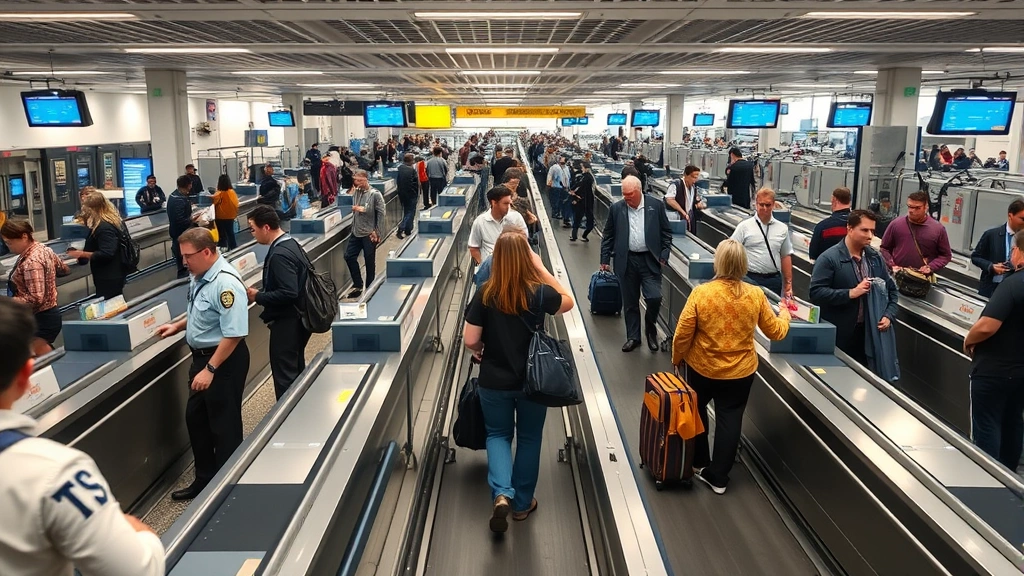
Atlanta’s Hartsfield-Jackson International Airport is one of the world’s busiest aviation hubs, consistently ranking as the top airport globally for passenger traffic. With millions of travelers passing through annually, security wait times can stretch significantly during peak hours, turning a simple airport visit into a frustrating experience. Whether you’re a frequent flyer or an occasional traveler, understanding how to navigate security efficiently at ATL can save you valuable time and reduce travel-related stress.
The key to beating Atlanta Hartsfield wait times lies in strategic planning, understanding the airport’s layout, leveraging technology, and utilizing TSA PreCheck or CLEAR programs. This comprehensive guide explores proven strategies that frequent flyers use to minimize delays and get through security checkpoints with maximum efficiency.
Understanding Atlanta Hartsfield Security Checkpoint Layout
Atlanta Hartsfield-Jackson operates multiple security checkpoints across its domestic and international terminals. The airport features checkpoints in the North, South, and International terminals, with the domestic terminals having the highest traffic volume. Frequent travelers understand that not all checkpoints are created equal—some experience significantly shorter wait times than others depending on the time of day and terminal location.
The Domestic Terminal’s South checkpoint tends to serve primarily connecting passengers and regional flights, which can sometimes result in shorter queues compared to the main North checkpoint. However, this varies throughout the day. The International Terminal checkpoint is typically less crowded during domestic peak hours, making it a strategic alternative if you’re flying internationally or willing to navigate the slightly longer walk.
Understanding the physical layout of checkpoints helps you position yourself strategically. Each checkpoint contains multiple security lanes, and during peak hours, the airport activates additional lanes to accommodate demand. Familiarizing yourself with which lanes typically have the fastest throughput can provide a competitive advantage when navigating the queues.
TSA PreCheck and CLEAR Program Benefits
The most effective tool for beating Atlanta Hartsfield wait times is enrolling in TSA PreCheck, which costs approximately $85 for five years. PreCheck members enjoy dedicated security lanes at ATL, allowing them to keep shoes, belts, and light jackets on while proceeding through security. You can also leave laptops and compliant liquids in your carry-on bag, dramatically reducing the time spent unpacking and repacking at the checkpoint.
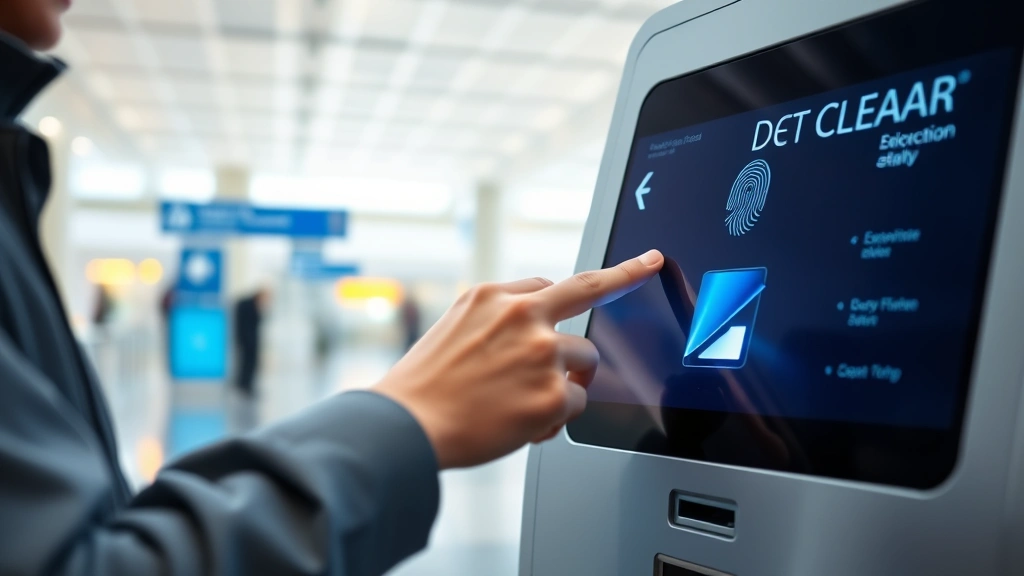
For travelers seeking even faster processing, CLEAR membership provides biometric-based identity verification, allowing you to bypass traditional security lines entirely. CLEAR members scan their fingerprint or iris at a dedicated kiosk and proceed directly to TSA screening, effectively eliminating wait times entirely. At approximately $179 annually, CLEAR combined with TSA PreCheck creates the ultimate security checkpoint experience.
Many frequent flyers leverage elite airline status programs that include complimentary TSA PreCheck or CLEAR benefits. If you fly regularly with a single airline carrier, achieving elite status often provides these valuable security benefits as a perk, effectively giving you PreCheck or CLEAR access without additional out-of-pocket costs.
The official TSA PreCheck program provides comprehensive details about enrollment locations and benefits, while CLEAR’s website offers membership options and airport coverage information.
Optimal Timing Strategies for Minimal Wait Times
Timing is everything when it comes to minimizing security wait times at Atlanta Hartsfield. The airport experiences predictable rush periods that frequent flyers have learned to avoid or strategically navigate. Early morning hours between 5:00 AM and 6:30 AM typically offer the shortest wait times, as the airport is still ramping up operations and fewer passengers are traveling.
Mid-day periods between 10:00 AM and 2:00 PM generally experience moderate wait times, making them a reasonable window for travel if early morning isn’t feasible. The most challenging periods occur between 3:00 PM and 8:00 PM, when connecting passengers from earlier flights combine with new outbound departures, creating compound demand on security checkpoints.
Weekend travel patterns differ significantly from weekday patterns. Sundays typically experience heavier traffic as leisure travelers return home, while Saturdays are somewhat lighter. Monday through Thursday mornings tend to be manageable for business travelers, but Friday afternoons become congested as weekend travelers head out.
Seasonal variations also impact wait times substantially. Holiday travel periods, spring breaks, and summer vacation seasons create significantly longer queues. If you have flexibility in your travel dates, avoiding these peak periods entirely eliminates security wait time concerns altogether. Checking historical wait time data through airport apps helps you identify the optimal departure window for your specific travel date.
Mobile Apps and Real-Time Wait Time Monitoring
The Atlanta Hartsfield-Jackson Airport mobile app provides real-time security wait time data for all checkpoints across the airport. Downloading this app before your travel date allows you to monitor wait times as you approach the airport, enabling last-minute decisions about which checkpoint to utilize. The app displays wait times updated every few minutes, providing accurate information for strategic decision-making.
Beyond the airport’s official app, TSA’s MyTSA mobile application offers wait time estimates for major airports nationwide, including Atlanta Hartsfield. This app helps you decide whether to head to the airport immediately or grab a coffee while waiting for queue times to decrease. The data-driven approach transforms security checkpoint navigation from guesswork into informed strategy.
Airlines also provide wait time information through their mobile apps, often including checkpoint-specific data and recommendations. Frequent flyer programs sometimes send push notifications alerting members to unusually long wait times or recommending alternative checkpoints based on your specific flight details and airline status level.
Setting up mobile alerts for your specific checkpoint preferences ensures you receive notifications when wait times exceed certain thresholds. This proactive approach allows you to adjust your airport arrival timing dynamically rather than adhering to rigid schedules that don’t account for real-time conditions.
Packing Smart to Speed Through Security
Efficient packing directly impacts your security checkpoint speed. Frequent flyers understand that organization at the checkpoint saves precious minutes. Place all TSA-compliant liquids in a clear, quart-sized bag and position this bag at the top of your carry-on for immediate access. Remove laptops and large electronics before reaching the scanning conveyor to avoid delays when the TSA officer needs to inspect them separately.
Wear easily removable shoes and minimal jewelry to accelerate the personal security screening process. Avoid clothing with excessive metal components, zippers, or belt buckles that trigger additional screening. This seemingly minor consideration compounds across multiple security checkpoints throughout your year, adding up to significant time savings for frequent travelers.
Keep your boarding pass and identification readily accessible in an outer pocket rather than buried in your bag. TSA officers at Atlanta Hartsfield process thousands of passengers daily, and quickly presenting these documents without fumbling keeps lines moving efficiently. Digital boarding passes on your phone work equally well and eliminate paper shuffling entirely.
Consider investing in a TSA-approved carry-on luggage with built-in organization compartments designed specifically for security checkpoint navigation. Many frequent flyers swear by luggage featuring expandable packing cubes and dedicated laptop compartments that align perfectly with security screening requirements, reducing the time spent unpacking and repacking at the checkpoint.
Frequent Flyer Lounge Access Advantages
Elite frequent flyer status at major airlines provides lounge access, which offers security checkpoint benefits beyond the lounge itself. Many airline lounges feature dedicated security lanes exclusively for lounge members, creating a dramatically faster checkpoint experience. At Atlanta Hartsfield, where Delta operates a major hub, Delta Sky Club members enjoy premium security lanes that consistently maintain shorter wait times than standard checkpoints.
Achieving elite status through accumulated mileage or credit card spending unlocks these lounge benefits as a standard perk. For travelers who fly frequently with a single airline, the math often works out favorably—the time savings from lounge access and priority security lanes justify the effort required to achieve and maintain elite status.
Credit card benefits associated with premium airline cards often include lounge access even without elite status. Many travelers overlook this benefit, but strategic credit card selection can provide security checkpoint advantages without requiring extensive travel history. Annual fees typically range from $250-$700, but the value proposition extends far beyond security benefits to include seat upgrades, baggage allowances, and travel credits.
Some lounges offer shower facilities, work areas, and premium dining, making them valuable destinations regardless of security benefits. However, the security advantage remains one of the most practically beneficial perks for frequent travelers navigating Atlanta Hartsfield’s busy checkpoints.
Alternative Security Lanes and Hidden Routes
Atlanta Hartsfield contains security checkpoints that many travelers overlook. The International Terminal checkpoint, while designed for international flights, sometimes processes domestic passengers with international tickets, creating a less-congested alternative to primary domestic checkpoints. If your domestic flight allows, purchasing a ticket with an international connection or positioning through an international gateway can provide access to less-crowded security lanes.
Certain airline-specific checkpoints operate exclusively for particular carriers during peak hours. Delta, as the dominant airline at ATL, operates dedicated checkpoints that can sometimes be less congested than general checkpoints. Frequent Delta flyers should specifically target these airline-branded lanes, which often feature shorter queues than shared security checkpoints.
The airport periodically opens additional security lanes during peak periods, and the specific locations of these temporary lanes vary. Observing the airport layout on multiple visits helps you identify where supplementary lanes typically activate, allowing you to position yourself strategically during peak travel times. Airport staff can also direct you to the current shortest-wait checkpoint if you ask directly.
Walking a slightly longer distance to access a less-congested checkpoint often saves more time than waiting in a nearby crowded line. Frequent flyers mentally map the airport layout and consider walking distances as part of their checkpoint strategy, sometimes traveling to distant checkpoints when wait times justify the extra steps.
Airline-Specific Early Boarding Benefits
Premium airline status includes early boarding privileges that indirectly benefit your security checkpoint experience. Early boarding allows you to reach the airport security checkpoint during less-congested periods, even if you’re not traveling during traditional peak hours. By boarding early and clearing security before standard boarding begins, you avoid the surge of passengers that typically precedes departure times.
Some airlines offer priority security screening as a status benefit, allowing elite members to access dedicated security lanes regardless of checkpoint location. Delta Diamond and Platinum members at Atlanta Hartsfield receive priority screening notification and guidance to the fastest-moving lanes, providing a significant advantage during peak periods.
Airline credit cards sometimes provide early boarding benefits even without elite status, effectively creating a security advantage for cardholders. Combining credit card benefits with TSA PreCheck or CLEAR creates a layered advantage that compounds across multiple airport visits throughout the year.
Understanding your specific airline’s elite benefits and actively utilizing them requires reviewing your account status and familiarizing yourself with available perks. Many frequent flyers fail to leverage benefits they’ve already earned simply because they haven’t taken time to understand their specific status level’s advantages.
FAQ
What is the fastest time to go through security at Atlanta Hartsfield?
Early morning hours between 5:00 AM and 6:30 AM typically offer the shortest wait times at Atlanta Hartsfield. Mid-morning periods between 10:00 AM and 12:00 PM also experience relatively lighter traffic compared to afternoon and evening peaks.
Does TSA PreCheck work at Atlanta Hartsfield?
Yes, TSA PreCheck is fully operational at all Atlanta Hartsfield security checkpoints. PreCheck members enjoy dedicated security lanes and expedited screening processes, significantly reducing wait times compared to standard checkpoint procedures.
Is CLEAR available at ATL airport?
CLEAR operates at Atlanta Hartsfield with dedicated kiosks at multiple security checkpoints. CLEAR members can bypass traditional security lines entirely through biometric identity verification, providing the fastest possible checkpoint experience.
How can I check real-time wait times at Atlanta Hartsfield?
The Atlanta Hartsfield-Jackson Airport mobile app provides real-time security wait time data updated every few minutes. The TSA’s MyTSA app also offers wait time estimates for all major airports including ATL.
Should I arrive earlier for afternoon flights?
Yes, afternoon and evening flights experience significantly longer security wait times at Atlanta Hartsfield. Arriving 2-3 hours early for afternoon departures provides a safety buffer against unexpected checkpoint congestion, whereas early morning flights typically require only 90 minutes pre-departure arrival.
What checkpoint should I use at Atlanta Hartsfield?
The specific fastest checkpoint varies by time of day and current conditions. Use the airport’s mobile app to check real-time wait times for each checkpoint, then select the one with the shortest queue. The International Terminal checkpoint sometimes offers shorter waits for domestic passengers during peak periods.
Does Delta elite status provide security benefits at ATL?
Delta elite status members receive priority security screening at Atlanta Hartsfield, including access to dedicated security lanes and staff guidance to the fastest-moving checkpoints. Delta Diamond and Platinum members benefit most significantly from these perks.


