Navigate ATL Security: Expert Insights & Tips for Hartsfield-Jackson Airport Protection
Atlanta’s Hartsfield-Jackson International Airport stands as one of the world’s busiest aviation hubs, processing millions of passengers annually. With this massive volume comes significant security challenges that demand constant vigilance, sophisticated threat detection systems, and expert coordination between federal, state, and local agencies. Understanding the security landscape at this critical infrastructure point is essential for travelers, security professionals, and anyone concerned with aviation safety in the modern threat environment.
The security operations at ATL represent a complex orchestration of technology, personnel training, and strategic planning designed to detect and prevent threats before they materialize. From TSA checkpoints to advanced screening technologies, cybersecurity measures protecting passenger data, and physical security protocols, every layer serves a critical purpose. This comprehensive guide explores the multifaceted security ecosystem that keeps one of America’s most critical transportation hubs protected against evolving threats.
TSA Screening Evolution at Hartsfield-Jackson
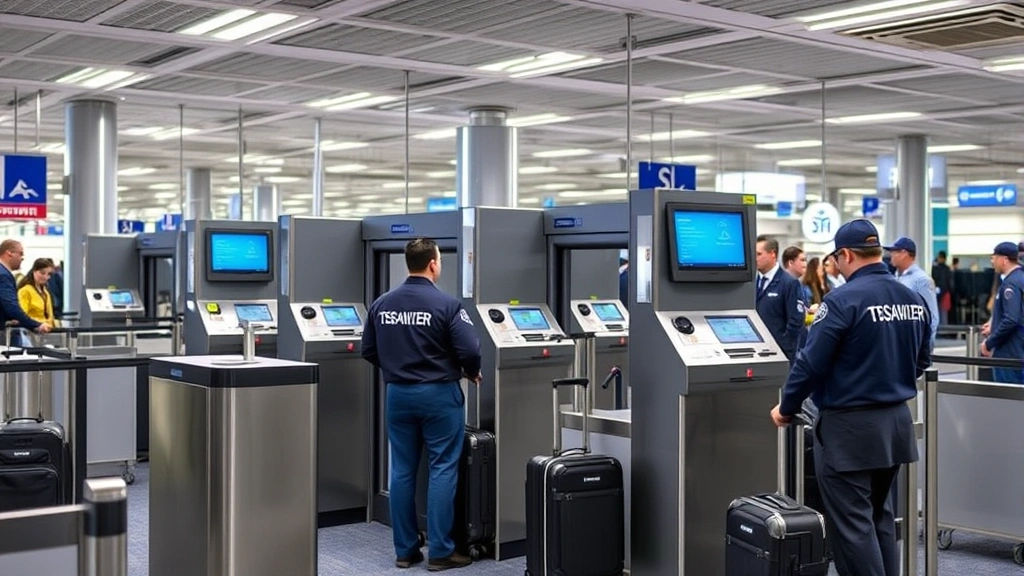
The Transportation Security Administration has continuously refined screening procedures at Atlanta’s airport to balance security effectiveness with passenger flow efficiency. Modern checkpoint design incorporates lessons learned from decades of aviation security research and real-world threat responses. TSA PreCheck and Clear programs streamline legitimate traveler processing, allowing security personnel to focus enhanced scrutiny on higher-risk passengers.
Behavioral detection officers work alongside traditional screeners, identifying suspicious patterns that might indicate criminal intent or security threats. These trained professionals receive ongoing education about emerging threat methodologies and psychological indicators of potential danger. The integration of human judgment with technological screening creates a layered defense that catches threats traditional systems might miss.
Explosive trace detection remains a cornerstone of ATL security operations. Officers conduct random swabs of passenger belongings, testing for chemical residues associated with explosive materials. This low-tech but highly effective method complements sophisticated imaging systems, creating redundancy that prevents single-point failures in threat detection.
Advanced Baggage Scanning Technologies
Hartsfield-Jackson invested heavily in computed tomography (CT) scanning technology that provides three-dimensional imaging of baggage contents. Unlike traditional X-ray machines producing flat, two-dimensional images, CT scanners create detailed volumetric reconstructions that reveal concealed items with unprecedented clarity. This technology significantly reduces false positives that plague older systems, improving both security and passenger experience.
The integration of artificial intelligence into baggage screening represents the frontier of modern airport security. Machine learning algorithms trained on thousands of threat images can identify suspicious items faster than human operators, flagging potential weapons, explosives, or prohibited materials for human review. These systems continuously improve as they process more baggage, adapting to new threat methodologies and evolving contraband concealment techniques.
Explosive detection systems (EDS) operate on multiple principles including X-ray imaging, trace detection, and chemical analysis. When suspicious items are identified, baggage enters automated resolution systems that apply additional scrutiny before cleared items rejoin the normal baggage stream. This multi-modal approach ensures comprehensive threat detection while maintaining passenger flow.
Cybersecurity Infrastructure Protection
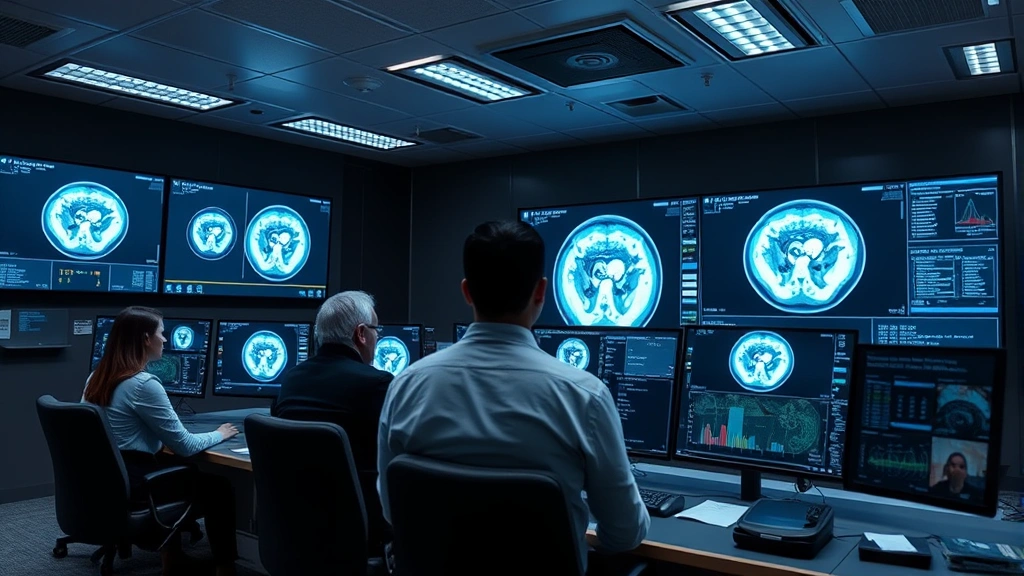
While physical security receives significant attention, the digital infrastructure supporting airport operations faces equally serious threats. Hartsfield-Jackson operates complex networks controlling everything from baggage handling systems to passenger information databases, making cybersecurity paramount. According to CISA guidance on critical infrastructure protection, airports represent essential systems requiring robust cyber defenses.
The airport’s IT infrastructure faces constant probing from threat actors seeking to disrupt operations, steal passenger data, or compromise safety systems. Advanced persistent threats specifically target transportation infrastructure, with nation-state actors and criminal organizations investing significant resources in airport network reconnaissance. ATL security teams implement network segmentation, isolating critical operational systems from general IT infrastructure to prevent lateral movement by attackers who penetrate perimeter defenses.
Intrusion detection systems monitor network traffic for anomalous patterns indicating active compromise or reconnaissance activity. Security operations centers staffed 24/7 analyze alerts, correlating data from multiple sources to identify coordinated attacks. When threats are detected, incident response teams follow established protocols to contain compromises and restore system integrity.
Employee cybersecurity training addresses the human element of cyber defense. Phishing attacks targeting airport personnel represent a primary attack vector, with threat actors impersonating vendors, regulatory agencies, or executives to trick employees into revealing credentials or installing malware. Regular security awareness training reduces successful social engineering attacks that might otherwise establish initial network footholds.
Physical Security Perimeter Management
The airport’s perimeter encompasses 4,700 acres requiring comprehensive physical security controls. Fencing, barriers, surveillance systems, and access controls create overlapping layers of defense preventing unauthorized entry to restricted areas. Security personnel patrol sensitive zones including aircraft parking areas, fuel facilities, and maintenance hangars where access to critical infrastructure could enable catastrophic attacks.
Biometric access control systems verify employee identities before granting entry to secure areas. These systems maintain audit trails documenting who accessed which areas at specific times, enabling rapid investigation if security breaches occur. The integration of badge readers, fingerprint scanners, and facial recognition creates multi-factor authentication preventing credential theft from enabling unauthorized access.
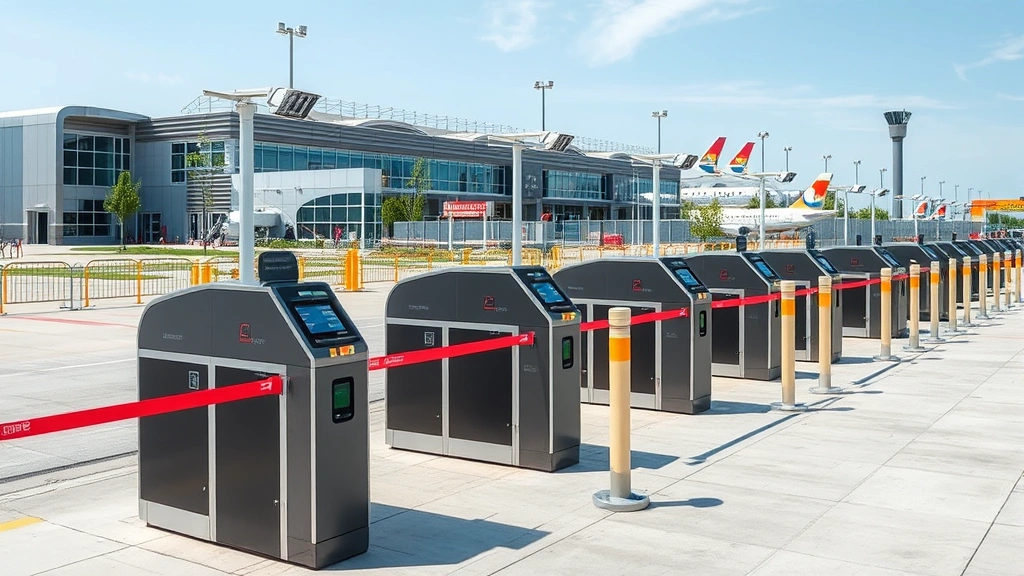
Vehicle screening operations at perimeter checkpoints inspect all vehicles entering secure areas. Security officers examine undercarriage and cargo areas for concealed weapons, explosives, or contraband. These checkpoints function as the first line of defense against vehicle-based attacks that could target aircraft, fuel depots, or personnel gathering areas.
Surveillance camera networks provide continuous monitoring of critical areas, with recordings maintained for forensic analysis following security incidents. High-definition cameras with night vision capabilities ensure detection regardless of lighting conditions. Advanced video analytics identify suspicious behaviors like loitering near restricted areas or unauthorized access attempts, alerting security personnel for immediate response.
Threat Intelligence and Risk Assessment
Security effectiveness depends on accurate threat intelligence informing resource allocation and operational focus. Hartsfield-Jackson receives intelligence briefings from the FBI and Department of Homeland Security, providing real-time information about emerging threats. Intelligence analysts assess threat likelihood and potential impact, helping security leadership prioritize countermeasures and personnel deployment.
The airport participates in information sharing initiatives with other critical infrastructure operators, learning from security incidents at similar facilities. These networks provide early warning of new attack methodologies, allowing ATL to implement countermeasures before threats materialize locally. Threat intelligence fusion centers combine data from multiple sources, creating comprehensive pictures of the threat landscape.
Risk assessment frameworks evaluate vulnerability of specific assets and operations to identified threats. Security teams conduct regular assessments of physical security controls, access procedures, and technological systems, identifying gaps requiring remediation. These assessments inform capital investment decisions and operational procedure refinements that strengthen overall security posture.
Adversary capability analysis examines what threat actors could potentially accomplish given their known resources and past operations. Understanding adversary methodology helps security teams anticipate likely attack approaches and implement targeted countermeasures. This intelligence-driven approach proves more effective than generic security measures that attempt to protect against all possible threats simultaneously.
Passenger Data Protection Protocols
Hartsfield-Jackson collects and maintains sensitive passenger information including names, travel dates, passport numbers, and payment details. This data attracts criminal interest, with theft enabling identity fraud or financial crimes. Comprehensive data protection programs implement encryption, access controls, and monitoring to prevent unauthorized disclosure.
Passenger data at the airport travels through multiple systems including reservation networks, check-in systems, baggage tracking, and security screening databases. Each system requires robust security controls preventing interception or unauthorized access. NIST cybersecurity framework guidelines inform data protection architecture, ensuring alignment with federal standards.
Data minimization principles guide collection and retention policies, ensuring only necessary information is maintained. Older passenger records are securely destroyed rather than retained indefinitely, reducing the volume of sensitive data vulnerable to theft. When data breaches do occur, rapid detection and notification procedures inform affected individuals and regulatory authorities.
Third-party vendor security represents a critical consideration, as external companies handling passenger data introduce supply chain risks. Vendor security assessments verify adequate controls before granting access to sensitive systems. Contractual obligations require vendors to maintain security standards and promptly report any security incidents involving passenger data.
Emergency Response Coordination
Despite preventive security measures, emergency preparedness remains essential. Hartsfield-Jackson maintains detailed emergency response plans addressing potential incidents including active threats, aircraft accidents, natural disasters, and infrastructure failures. Regular training exercises ensure personnel can execute response procedures under high-stress conditions.
Coordination between airport security, local law enforcement, federal agencies, and emergency services requires established protocols and regular joint training. Command structures clarify decision-making authority and communication channels during crises. These relationships, developed during peacetime through exercises and coordination meetings, enable effective response when actual emergencies occur.
Crisis communication protocols ensure accurate information reaches employees, passengers, and the public during emergencies. Designated spokespersons receive media training and access to verified information, preventing misinformation from spreading. Social media monitoring identifies false reports requiring rapid correction, preventing panic or dangerous responses to false threat information.
After-action reviews following security incidents or exercises identify improvement opportunities. Security teams analyze response effectiveness, identifying gaps or inefficiencies requiring correction. These continuous improvement processes ensure emergency response capabilities strengthen over time rather than remaining static.
FAQ
What security screening technologies does Hartsfield-Jackson use?
ATL employs advanced computed tomography baggage scanners, explosive detection systems, trace chemical analysis, and behavioral detection officer programs. These technologies work together to identify threats while maintaining passenger flow efficiency. The airport continuously upgrades systems as new technology becomes available.
How does the airport protect passenger data?
Passenger information receives protection through encryption, access controls, monitoring systems, and vendor security requirements. Data minimization practices ensure only necessary information is retained, reducing vulnerability exposure. Compliance with federal data protection standards guides all data handling procedures.
What cybersecurity threats target airport operations?
Airports face threats from criminal organizations seeking financial gain, hacktivists pursuing ideological objectives, and nation-state actors targeting critical infrastructure. Threats include ransomware attacks disrupting operations, data theft compromising passenger information, and system manipulation potentially affecting safety systems. Comprehensive cyber defense programs address these diverse threats.
How often are security procedures updated?
Security procedures undergo continuous review and refinement based on emerging threats, technology advances, and lessons learned from incidents. Major updates occur when credible new threats emerge, but smaller improvements happen regularly. The security landscape constantly evolves, requiring dynamic response rather than static procedures.
Can passengers learn more about airport security?
The TSA website provides information about screening procedures and prohibited items. Most specific operational security details remain confidential for obvious reasons, but airports generally welcome passenger questions about publicly available security information. Understanding basic security procedures helps travelers prepare for screening and recognize suspicious activities.


