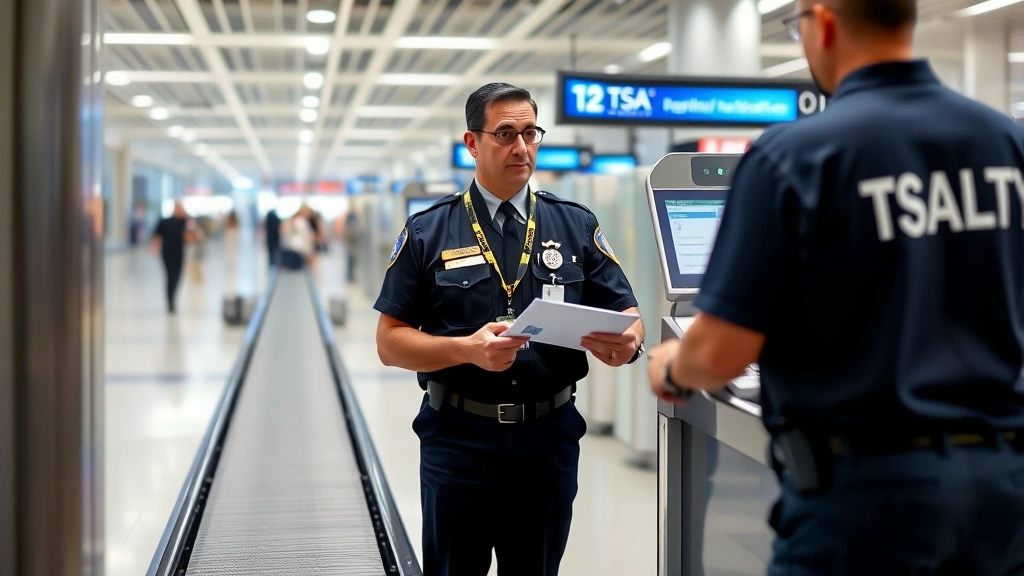
Atlanta Airport Security: Expert Time-Saving Tips for Hartsfield-Jackson International
Hartsfield-Jackson Atlanta International Airport (ATL) ranks as one of the world’s busiest aviation hubs, processing over 100 million passengers annually. Navigating security checkpoints efficiently is crucial for making your flight on time while maintaining the safety protocols that protect all travelers. Whether you’re a frequent flyer or occasional traveler, understanding the security landscape at Atlanta’s airport can dramatically reduce stress and waiting times.
Security procedures at Atlanta Airport have evolved significantly over recent years, incorporating advanced screening technologies and streamlined processes designed to balance thorough threat detection with passenger convenience. The Transportation Security Administration (TSA) continues to implement innovations that allow travelers to move through checkpoints faster without compromising safety standards. This comprehensive guide shares expert strategies to optimize your Atlanta airport security experience, drawing on insider knowledge and current best practices.
Understanding Atlanta Airport Security Infrastructure
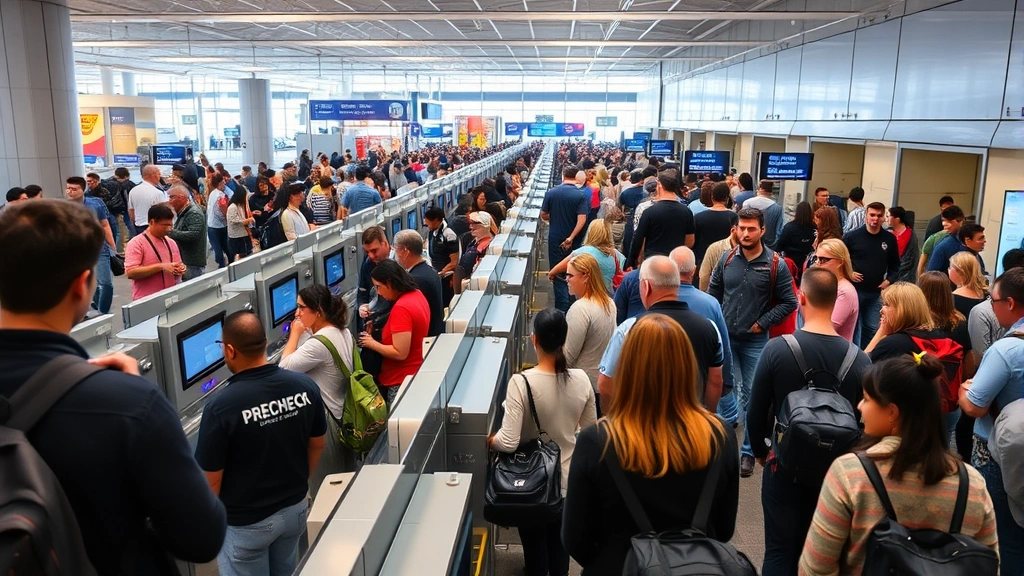
Hartsfield-Jackson operates multiple security checkpoints strategically positioned throughout its terminal complex to distribute passenger flow efficiently. The airport features checkpoints at Domestic Terminal North, Domestic Terminal South, and the International Terminal, each equipped with modern screening equipment including advanced imaging technology and explosive detection systems. Understanding which checkpoint serves your gate can save valuable minutes during peak travel periods.
The airport’s security operations are managed by TSA, with support from local law enforcement and airport security personnel. Atlanta Airport Security personnel work continuously to optimize checkpoint efficiency during peak hours, typically occurring early morning (5-9 AM), midday (11 AM-2 PM), and evening (4-7 PM). Real-time wait time information is available through the official Atlanta Airport website and mobile application, allowing travelers to plan arrival times strategically.
ATL has invested significantly in checkpoint modernization, including upgraded X-ray machines capable of screening laptops and liquids without removal, reducing processing time per passenger. The airport also maintains dedicated lanes for families, senior citizens, and passengers with mobility challenges, ensuring equitable access while maintaining security protocols. Knowledge of these resources helps you select the most appropriate screening lane for your situation.
TSA PreCheck and CLEAR Programs: Your Fast-Track Options
TSA PreCheck represents one of the most valuable investments for frequent Atlanta airport travelers. This trusted traveler program costs $85-95 for five years and grants access to expedited security lanes at over 200 U.S. airports, including all Atlanta checkpoints. PreCheck members proceed through dedicated screening lines where shoes, belts, and light jackets remain on, laptops and liquids stay in carry-on bags, and overall processing time typically decreases by 50-70%.
The application process involves completing an online form, paying the fee, and attending an in-person appointment at an enrollment center. Atlanta offers multiple enrollment locations, including one at Hartsfield-Jackson itself, making the process convenient for local residents and frequent visitors. Approved applicants receive a Known Traveler Number (KTN) that must be added to airline reservations to activate PreCheck benefits.
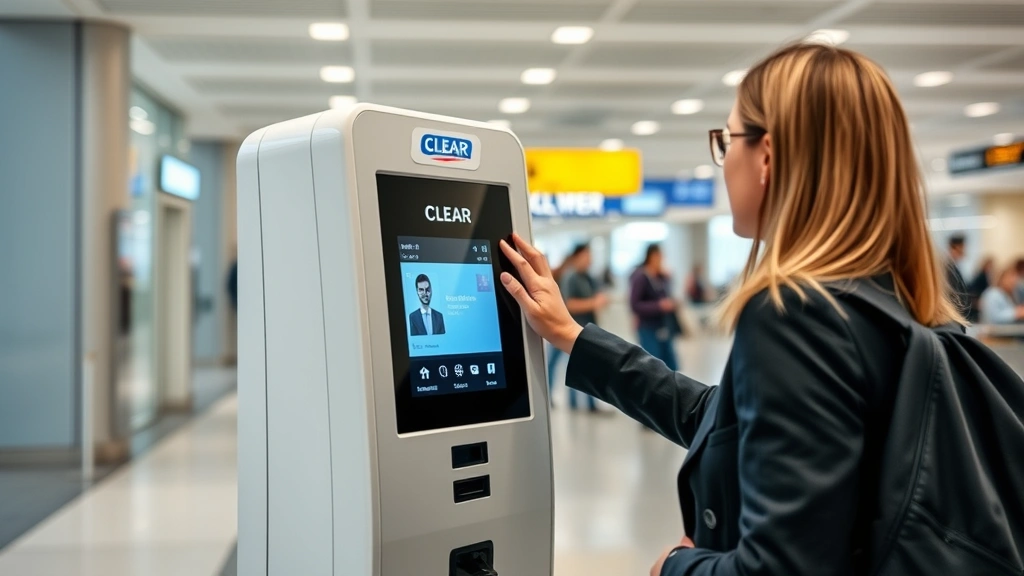
CLEAR (Credential Expedited Authentication Lanes) complements PreCheck by eliminating document verification steps entirely. CLEAR members use biometric scanning—fingerprints and iris recognition—to verify identity, bypassing the ID check line altogether. At approximately $179 annually, CLEAR membership significantly accelerates checkpoint passage, particularly during congested periods. Many travelers use CLEAR and PreCheck together for maximum efficiency, with CLEAR handling identity verification and PreCheck streamlining the actual security screening.
Atlanta Airport hosts CLEAR kiosks at multiple checkpoint locations. The combination of both programs can reduce total security processing time to under five minutes, even during peak hours. Corporate travel programs often subsidize these memberships, so business travelers should verify employer benefits before purchasing individual memberships.
Pre-Arrival Preparation Strategies
Successful airport security navigation begins long before reaching the checkpoint. Thorough preparation eliminates delays and reduces stress. Start by reviewing TSA guidelines regarding prohibited items, liquids, and current security requirements. The official TSA website provides comprehensive, frequently updated information about what you can and cannot bring through security.
Organize your carry-on luggage strategically. Place items you’ll need to remove during screening—shoes, jacket, belt, laptop, liquids bag—in easily accessible locations. Wear slip-on shoes and minimal jewelry to expedite the physical screening process. Consider your flight departure time carefully; TSA recommends arriving 2 hours before domestic flights and 3 hours before international flights, though these timeframes assume standard security lines without PreCheck or CLEAR benefits.
Check Atlanta Airport’s real-time wait time information before departing for the terminal. The airport’s mobile app and website display current checkpoint wait times, updated every 15 minutes. Arriving during lower-traffic periods significantly reduces security processing time. If your flight departs during peak hours, plan accordingly by arriving earlier or considering alternative transportation options if scheduling flexibility exists.
Download your airline’s mobile app and check in 24 hours before departure. Digital boarding passes reduce paperwork and expedite gate processing. Ensure your identification document remains valid—expired IDs require additional verification steps that slow checkpoint processing. For international travel, verify passport validity extends at least six months beyond your return date, as this affects processing speed at immigration checkpoints.
Checkpoint Navigation Tactics
Upon arriving at your checkpoint, observe the available lanes and select strategically. PreCheck and CLEAR members should follow designated signage to expedited lanes. Standard lane selection depends on your situation—families with young children should use family lanes, senior citizens can access designated senior lanes, and travelers with disabilities should inform TSA officers of accommodation needs immediately.
Present your boarding pass and identification in your hand before reaching the agent. Have your KTN visible on your boarding pass if using PreCheck benefits. TSA officers need clear visibility of your document credentials, so ensure your ID is easily readable and your boarding pass displays PreCheck eligibility. This simple preparation prevents delays caused by agents needing to request documentation.
Approach the security conveyor with your prepared carry-on. If not using PreCheck, remove shoes, belt, and jacket, placing them directly on the conveyor belt. Remove your laptop and place it in a separate bin. Place your liquids bag (3.4 ounces or smaller per item, 1 quart bag total) in the bin with your laptop. PreCheck members can keep most items in place, but remain attentive to specific TSA officer instructions, as procedures may vary by checkpoint or date.
Walk through the security scanner when instructed, following all officer directions precisely. If selected for additional screening, remain calm and cooperative. Secondary screening is random and routine; officers are trained professionals conducting necessary security protocols. Excessive questioning or resistance only delays your progression further. Understanding that security procedures protect all travelers helps maintain perspective during additional screening.
Collect your belongings immediately after clearing the scanner. Many delays occur because travelers pause to reorganize items, creating bottlenecks for subsequent passengers. Move to a designated reorganization area away from the conveyor belt. Repack your carry-on, replace shoes and accessories, and verify all items are accounted for before proceeding to your gate.
Technology and Documentation Tips
Digital solutions significantly enhance checkpoint efficiency. The TSA has implemented mobile passport control at many U.S. airports, allowing international travelers to process customs and immigration more rapidly using smartphone applications. Download the official U.S. CBP Border Security app if traveling internationally through Atlanta.
Biometric screening technology at Atlanta Airport now includes facial recognition capabilities at select checkpoints. This technology verifies traveler identity against government databases, potentially accelerating processing for eligible passengers. While optional, opting into biometric screening can reduce document verification time. Understand your privacy preferences regarding facial recognition technology before your trip, as some travelers prefer traditional document verification methods.
Maintain digital copies of essential documents. Store your boarding pass, ID images, and travel itineraries in cloud-based applications accessible from your phone. Should you misplace physical documents, digital backups provide TSA officers with verification information. Password-protect these digital files and consider using encrypted storage applications for sensitive information.
Enable mobile boarding passes through your airline app. Physical boarding passes are acceptable, but digital versions scan faster and reduce paper handling. Some airlines offer mobile passes specifically designed for TSA PreCheck and CLEAR processing, streamlining the checkpoint experience further. Ensure your smartphone battery remains adequately charged; TSA officers cannot access your digital documents if your device powers down.
Security Best Practices for Atlanta Travelers
Beyond checkpoint efficiency, maintaining broader security awareness protects your travel experience. Report suspicious activity to TSA officers or airport security personnel immediately. The security apparatus protecting Atlanta Airport relies on vigilant travelers who notice unusual behavior or concerning circumstances.
Secure your personal information during travel. Avoid discussing sensitive details in public areas, particularly regarding your travel plans, accommodation information, or valuable possessions. Cybersecurity threats extend beyond airport checkpoints; unsecured airport WiFi networks can expose sensitive data. Use virtual private networks (VPNs) if accessing personal accounts or sensitive information on airport WiFi.
Monitor your belongings constantly throughout your airport experience. Theft occurs in terminals, gates, and holding areas. Never leave carry-on bags unattended, even briefly. Assign responsibility for bags when traveling in groups. TSA and airport security cannot monitor individual passenger belongings, making personal vigilance essential for preventing theft and security breaches.
Understand current cybersecurity threat landscapes affecting travel. Airport terminals increasingly feature digital kiosks, payment systems, and information displays. Be cautious with public charging stations—malicious actors sometimes compromise USB ports to inject malware into connected devices. Carry portable battery packs instead of using public charging infrastructure. Verify that payment terminals display official branding before entering credit card information.
Travel insurance provides additional security for your journey. Comprehensive policies cover flight cancellations, lost luggage, medical emergencies, and other travel disruptions. While not directly related to security checkpoint navigation, travel insurance protects your financial investment in your trip, providing peace of mind during your Atlanta airport experience.
Frequently Asked Questions
How early should I arrive at Atlanta Airport for a domestic flight?
TSA recommends arriving two hours before domestic flight departures. However, with TSA PreCheck, one hour is typically sufficient. If using CLEAR, arriving 45 minutes early often suffices. Check real-time wait times on the airport app and adjust arrival times accordingly. During peak travel periods, consider arriving earlier despite PreCheck benefits, as gate processing may experience delays.
Can I bring my laptop through Atlanta Airport security?
Yes, laptops are permitted through security checkpoints. Non-PreCheck passengers must remove laptops and place them in separate bins. PreCheck members can leave laptops in carry-on bags in most cases, though remain attentive to TSA officer instructions. The airport’s modern X-ray equipment scans laptops effectively without removal, but TSA maintains removal procedures for standard screening lanes.
What liquids are prohibited at Atlanta Airport security?
The TSA 3-1-1 rule applies: containers of 3.4 ounces or smaller, all contained in a single 1-quart clear plastic bag. Prohibited liquids include beverages, peanut butter, yogurt, creams, gels, and pastes. Exceptions exist for essential medications and baby formula—declare these items separately to TSA officers. Purchase beverages after clearing security at Atlanta’s numerous retail locations.
Does Atlanta Airport offer family security lanes?
Yes, designated family lanes operate at all Atlanta Airport checkpoints. These lanes accommodate parents with young children, providing additional space and patience from TSA officers familiar with family travel complexities. Family lanes typically experience shorter wait times during peak periods compared to standard lanes. Ask checkpoint agents to direct you to family lanes when arriving with children under five.
What should I do if I’m selected for additional screening?
Remain calm and cooperative. Additional screening is random and routine—TSA officers conduct thorough but professional screening procedures. Follow all officer instructions precisely. The process typically takes 5-15 minutes. Excessive questioning or resistance only delays resolution. Understanding that additional screening protects all airport users helps maintain perspective during the process.
Are TSA PreCheck and CLEAR worth the cost?
For frequent travelers, both programs provide exceptional value. PreCheck costs $85-95 for five years (approximately $17-19 annually) and typically saves 30-50 minutes per checkpoint visit. CLEAR costs $179 annually and saves additional time by eliminating ID verification steps. Business travelers should verify employer subsidy availability. Occasional travelers might find the investment less worthwhile, though convenience benefits extend beyond time savings to reduced stress and improved travel experience.


