Reduce Airport Wait: Expert Cybersecurity Insights for ATL Airport Security
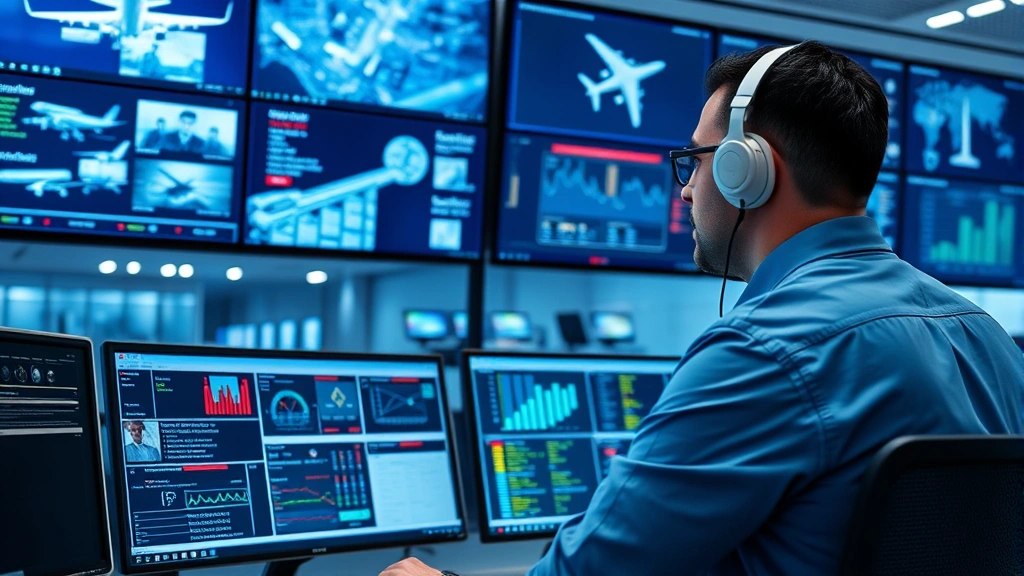
Airport security screening remains one of the most time-consuming aspects of air travel, particularly at major hubs like Hartsfield-Jackson Atlanta International Airport (ATL). While most travelers focus on arriving early and following TSA guidelines, few realize that cybersecurity plays a critical role in streamlining security operations and reducing wait times. Modern airport security systems rely heavily on digital infrastructure, biometric scanning, and networked databases that must operate seamlessly to process thousands of passengers efficiently. Understanding how cybersecurity impacts these systems can help travelers navigate airport security more effectively while appreciating the complex technological ecosystem protecting aviation safety.
The intersection of cybersecurity and airport operations extends far beyond protecting passenger data. When airport security systems experience cyber threats or vulnerabilities, the consequences cascade through screening checkpoints, creating bottlenecks that frustrate travelers and compromise operational efficiency. From credential verification systems to baggage handling automation, every component depends on secure, reliable digital infrastructure. This comprehensive guide explores how cybersecurity directly influences ATL airport security wait times and provides actionable insights for reducing delays through awareness of these critical systems.
How Cybersecurity Impacts Airport Security Operations
Airport security screening depends entirely on interconnected digital systems that verify passenger identities, check watch lists, scan baggage, and coordinate with law enforcement databases. These systems must maintain absolute integrity while processing hundreds of passengers per hour. When cybersecurity vulnerabilities exist, airports face several operational risks: system downtime forces manual screening procedures that dramatically slow processing, compromised data integrity can trigger false alarms requiring additional screening, and security breaches may necessitate system shutdowns for forensic investigation and remediation.
The TSA relies on real-time access to multiple databases including the Secure Flight system, No-Fly List, and international passenger information networks. Cyberattacks targeting these systems or the network infrastructure connecting them can create cascading failures. For instance, if the credential verification system experiences a distributed denial-of-service (DDoS) attack, security officers cannot quickly confirm passenger identities, forcing them to implement additional manual verification steps. This single point of failure can increase per-passenger screening time from three minutes to fifteen minutes or longer, multiplying wait times across the entire checkpoint.
Understanding the cybersecurity architecture behind airport operations helps travelers appreciate why security protocols exist and how system reliability directly correlates with wait times. When airport authorities invest in robust cybersecurity infrastructure, implement regular security audits, and maintain redundant systems, the result is faster, more reliable passenger screening. Conversely, airports that neglect cybersecurity modernization experience more frequent system failures and extended wait times.
ATL Airport Infrastructure and Digital Systems
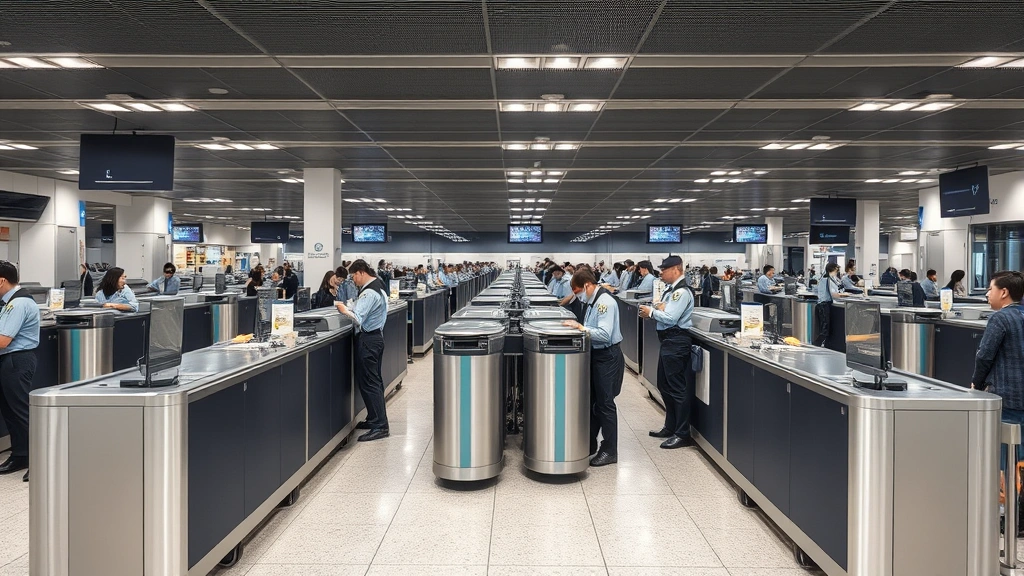
Hartsfield-Jackson Atlanta International Airport operates as one of the world’s busiest aviation hubs, consistently ranking as the airport with the highest passenger volume globally. This massive operational scale demands extraordinarily sophisticated digital infrastructure. ATL processes approximately 110 million passengers annually, requiring security screening systems that maintain near-perfect uptime while handling peak loads of 50,000+ daily passengers during busy travel periods.
The airport’s security infrastructure includes multiple interconnected systems: passenger screening management platforms, baggage handling automation networks, credentialing systems for employee access, surveillance and monitoring networks, and integration points with federal law enforcement databases. Each system represents a potential cybersecurity vulnerability if not properly protected. ATL has invested significantly in modernizing its digital infrastructure, implementing advanced screening technologies and upgrading network security to prevent cyberattacks that could disrupt operations.
The airport’s IT security team continuously monitors these systems for intrusions, implements patches and updates, and conducts penetration testing to identify vulnerabilities before attackers can exploit them. When you experience shorter wait times at ATL, you’re benefiting from the security team’s successful defense against cyber threats and their effective system maintenance. Conversely, occasional delays may reflect security teams responding to detected threats or implementing urgent security patches to protect critical systems.
ATL’s connection to the broader aviation security ecosystem means the airport must maintain compliance with federal cybersecurity standards, share threat intelligence with other airports and the TSA, and coordinate security measures across multiple agencies. This complexity creates both opportunities for improved security and potential vulnerabilities if coordination breaks down or information sharing systems experience cyber incidents.
Biometric Technology and Secure Identity Verification
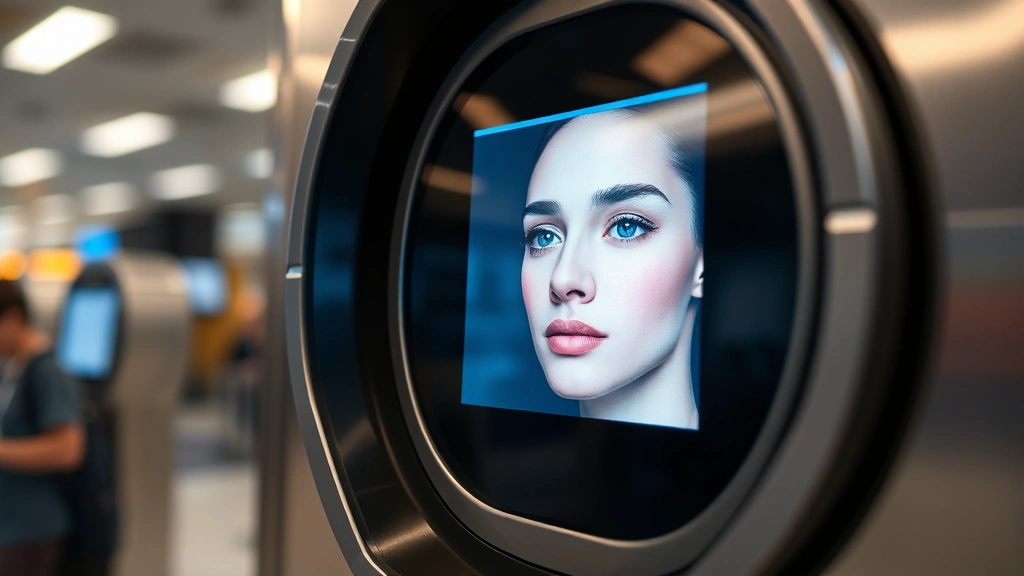
Modern airport security increasingly relies on biometric technologies—facial recognition, fingerprint scanning, and iris recognition—to verify passenger identities more efficiently than traditional document inspection. These systems process passengers faster because they eliminate manual document review and reduce fraud risk. However, biometric systems introduce significant cybersecurity considerations that directly impact wait times.
Facial recognition systems used at ATL and other major airports must securely store and process sensitive biometric data. If these systems experience security breaches, airports may temporarily disable biometric screening and revert to manual document verification, significantly increasing wait times. Additionally, biometric systems require real-time connection to identity verification databases. Any cyberattack disrupting this connectivity forces security personnel to use backup procedures, slowing screening.
The security of biometric data presents unique challenges because unlike passwords or credit card numbers, biometric information cannot be changed if compromised. Airport cybersecurity teams implement multiple protective layers: encryption of biometric data in transit and at rest, secure authentication protocols, regular security audits of biometric systems, and isolation of biometric databases from general airport networks to prevent lateral movement by attackers.
When biometric systems function reliably, passengers experience substantially faster screening. A passenger using facial recognition can proceed through security in seconds, compared to minutes required for manual document inspection. This efficiency improvement depends entirely on the cybersecurity infrastructure protecting the biometric system. Travelers who want to stay informed about airport technology can better understand how these systems work and plan accordingly.
TSA PreCheck and Enhanced Security Protocols
TSA PreCheck represents a security program that leverages background checks and trusted traveler verification to expedite screening for enrolled passengers. The program depends entirely on secure credential verification systems that must reliably confirm passenger PreCheck eligibility while preventing fraudulent access. Cybersecurity directly impacts PreCheck effectiveness because any compromise of the credential database could allow unauthorized passengers to bypass standard screening procedures, forcing the TSA to temporarily disable PreCheck processing until system integrity is restored.
Enrolling in TSA PreCheck involves submitting biometric data and personal information to a secure federal database. The security of this enrollment system is paramount—if the database experiences a breach, millions of enrolled travelers’ sensitive information could be exposed. The TSA implements stringent cybersecurity controls around PreCheck systems, including encryption, multi-factor authentication, regular security assessments, and compliance with federal information security standards outlined in NIST SP 800-53 security controls.
The efficiency gains from PreCheck depend on system reliability. Enrolled passengers proceed through dedicated security lanes with streamlined procedures—they can keep shoes on, leave laptops in bags, and retain belts and light jackets. This reduces per-passenger screening time significantly. When PreCheck systems operate reliably, these passengers experience dramatically shorter wait times. However, if PreCheck systems experience cyberattacks or require maintenance, these efficiency benefits disappear, and PreCheck passengers may be merged into standard screening lanes, increasing wait times for everyone.
For travelers seeking to reduce ATL security wait times, enrolling in TSA PreCheck provides substantial benefits—but only if the underlying cybersecurity infrastructure remains robust and uncompromised. The program’s success demonstrates how cybersecurity investments directly translate to improved traveler experience.
Vulnerabilities That Cause Security Screening Delays
Several cybersecurity vulnerabilities can trigger significant screening delays at airport security checkpoints. Understanding these vulnerabilities helps explain why security lines sometimes move slowly and illustrates why cybersecurity is essential to airport operations.
Credential Verification System Failures: When systems that verify passenger identity documents, boarding passes, or PreCheck status experience cyberattacks or technical failures, security officers cannot quickly confirm passenger eligibility. This forces manual verification procedures that dramatically slow screening. A credential system outage lasting just thirty minutes can create hour-long backup delays throughout the day as the checkpoint struggles to process the backlog.
Watch List Database Disruptions: The TSA maintains multiple watch lists including the No-Fly List and Selectee List. These databases must be queried for every passenger in real-time. If cyberattacks target these databases or the network connections providing access to them, security officers cannot confirm whether passengers should be allowed through standard screening or require enhanced procedures. This uncertainty forces enhanced screening for all passengers until systems are restored, dramatically increasing wait times.
Baggage Handling System Compromises: Modern airports use sophisticated automation for baggage screening and routing. Cyberattacks targeting these systems can force manual baggage screening, which dramatically increases processing time. Additionally, if baggage system databases are compromised, bags may be misrouted or lost, creating confusion and delays at security checkpoints.
Network Connectivity Issues: Airport security systems must maintain real-time connectivity to federal databases and other network resources. Cyberattacks such as DDoS attacks can disrupt this connectivity, forcing security checkpoints to operate in degraded mode with reduced functionality. Additionally, cybersecurity incidents may trigger network isolation procedures that temporarily disconnect systems to prevent attack spread, reducing screening capacity.
Employee Credential System Breaches: Security personnel require secure access credentials to operate screening equipment and access restricted areas. If employee credential systems are compromised, airports may temporarily disable automated access controls and implement manual verification procedures, slowing all operations including security screening.
Best Practices for Faster Security Screening
While cybersecurity vulnerabilities sometimes cause delays beyond individual traveler control, several practices can help you navigate ATL airport security more efficiently while supporting the systems cybersecurity teams are protecting.
Enroll in TSA PreCheck: This program provides the most significant wait time reduction available to individual travelers. PreCheck enrollment requires background verification and biometric data submission, but the investment pays dividends through faster screening in dedicated lanes. The program’s security depends on robust cybersecurity infrastructure, so enrollment helps justify airport investments in these protective systems.
Prepare Documents in Advance: Have your ID and boarding pass ready before reaching the security counter. This reduces the time security personnel spend on document verification, allowing them to process more passengers per hour. Efficient document handling also reduces the likelihood that system slowdowns will create major backups.
Use Mobile Boarding Passes: Digital boarding passes reduce reliance on paper documents and integrate with airport security systems more efficiently. Mobile passes are less susceptible to fraud and can be verified faster than physical documents. The infrastructure supporting mobile passes includes cybersecurity protections ensuring the authenticity of digital credentials.
Allow Extra Time During Peak Hours: Even with robust cybersecurity infrastructure and efficient procedures, ATL experiences peak congestion during early morning and evening travel periods. Planning to arrive earlier provides buffer time for unexpected delays, whether caused by cyber incidents or standard operational congestion.
Monitor Airport Notifications: ATL publishes real-time security wait time information and notifications about system issues. Following the airport’s official communication channels helps you understand when delays result from cyber incidents or other technical issues, allowing you to plan accordingly.
Maintain Strong Personal Cybersecurity: Protect your personal devices and accounts from compromise. If your digital identity is compromised, you may face additional screening or credential verification delays. Using strong passwords, enabling multi-factor authentication, and avoiding public WiFi for sensitive transactions helps protect your personal security and reduces delays at airport security.
Future Technologies Reducing Wait Times
Airport security is evolving rapidly as new technologies promise to further reduce wait times while maintaining or improving security effectiveness. These emerging systems all depend on advanced cybersecurity infrastructure to function reliably.
Advanced Biometric Integration: Future airports will implement seamless biometric verification throughout the terminal, allowing passengers to proceed through multiple security checkpoints without stopping. This requires sophisticated cybersecurity architecture to protect biometric data across multiple systems while enabling real-time verification. The TSA and aviation industry are investing in standards for secure biometric data sharing, referenced in guidance from CISA (Cybersecurity and Infrastructure Security Agency).
Automated Threat Detection: Artificial intelligence and machine learning technologies are improving baggage and passenger screening accuracy while reducing false positives. These systems require enormous computational resources and access to threat intelligence databases, all protected by cybersecurity infrastructure. As these systems mature and become more reliable, they will reduce the need for secondary screening and enhance overall checkpoint efficiency.
Decentralized Security Screening: Some airports are experimenting with security checkpoints throughout terminals rather than centralized screening areas. This distributes passenger load and reduces congestion. Implementing decentralized screening requires extensive network infrastructure and cybersecurity architecture to maintain coordination across multiple screening points.
Touchless Processing: Post-pandemic trends favor touchless technologies that reduce physical contact during security screening. These systems depend on sophisticated sensor networks and biometric verification, all requiring robust cybersecurity. Touchless processing also reduces transmission of viruses and pathogens, improving public health outcomes.
Trusted Traveler Integration: Future systems will integrate multiple trusted traveler programs (TSA PreCheck, Global Entry, NEXUS) into a unified verification system. This requires secure data sharing between federal agencies and private vendors, representing a significant cybersecurity undertaking. When implemented successfully, unified systems will streamline screening for millions of enrolled travelers.
All these emerging technologies share a common requirement: robust cybersecurity infrastructure protecting the systems themselves and the sensitive data they process. Airports investing in cybersecurity modernization now are positioning themselves to deploy these technologies effectively when they become available. For travelers, this means that airport cybersecurity investments today translate to faster screening tomorrow.
FAQ
How does cybersecurity directly affect ATL airport security wait times?
Cybersecurity impacts wait times through multiple mechanisms: system outages caused by cyberattacks force manual screening procedures that slow processing, credential verification system failures prevent quick identity confirmation, watch list database disruptions require enhanced screening for all passengers, and baggage system compromises necessitate manual screening. When cybersecurity is robust, systems operate reliably and efficiently. When vulnerabilities are exploited, wait times increase dramatically.
What is TSA PreCheck and how does cybersecurity affect its reliability?
TSA PreCheck is a trusted traveler program allowing enrolled passengers expedited screening through dedicated lanes. The program depends entirely on secure credential verification systems. Cybersecurity protects the PreCheck database containing enrollment information and credential verification systems that confirm passenger eligibility. If these systems experience breaches or attacks, the TSA may temporarily disable PreCheck processing, eliminating the wait time benefits for enrolled travelers.
Can biometric systems at ATL airport be hacked?
Like all digital systems, biometric systems can potentially be targeted by cyberattacks. However, airports implement multiple protective layers including encryption, secure authentication, network isolation, and regular security audits. The cybersecurity teams protecting biometric systems are highly specialized and employ state-of-the-art defensive measures. While no system is completely immune to attack, well-designed biometric systems with robust cybersecurity are extremely difficult to compromise.
How can I reduce my wait time at ATL airport security?
Enroll in TSA PreCheck for the most significant benefit, prepare documents in advance, use mobile boarding passes, allow extra time during peak hours, and monitor airport notifications about system issues. These practices work with airport cybersecurity infrastructure to enable efficient screening. Additionally, maintain strong personal cybersecurity to protect your identity from compromise, which could trigger additional screening delays.
What happens if airport security systems are attacked?
If security systems experience cyberattacks, airports implement incident response procedures that may include temporary system shutdowns for forensic investigation, reverting to manual screening procedures, merging PreCheck passengers into standard lanes, and enhanced screening for all passengers until system integrity is confirmed. These responses significantly increase wait times but are necessary to maintain security and prevent unauthorized access.
How is passenger data protected at ATL airport?
Passenger data is protected through multiple cybersecurity controls including encryption of data in transit and at rest, multi-factor authentication for system access, regular security audits and penetration testing, network segmentation isolating sensitive systems, intrusion detection systems monitoring for unauthorized access, and employee security training. Additionally, airports comply with federal cybersecurity standards and coordinate with federal agencies including the TSA and CISA.
Are mobile boarding passes secure?
Mobile boarding passes are highly secure when issued by airlines through legitimate channels. They incorporate encryption, digital signatures, and real-time validation mechanisms that prevent fraud. Mobile passes are actually more secure than physical boarding passes because they cannot be easily forged and can be instantly verified against airline systems. The cybersecurity infrastructure protecting mobile passes is sophisticated and regularly updated.
What should I do if I suspect a cybersecurity incident at the airport?
Report any suspected security incidents to airport security personnel or TSA officers immediately. Do not attempt to investigate or publicize the incident without confirming with authorities. If you experience unusual system behavior or suspect a breach affecting your personal information, contact the airport’s cybersecurity team or the TSA. For significant incidents, you can report to CISA’s incident reporting portal.
How often are airport security systems updated for cybersecurity?
Airport security systems require continuous cybersecurity updates including regular patch management (often monthly or more frequently for critical vulnerabilities), quarterly security assessments, annual penetration testing, and ongoing threat monitoring. Additionally, airports implement major infrastructure upgrades every 3-5 years to adopt new security technologies. These frequent updates are necessary because cyber threats evolve constantly and new vulnerabilities are discovered regularly.
Can I check current wait times at ATL airport?
Yes, ATL publishes real-time security wait time information on its official website and mobile app. You can also call the airport directly or check the TSA’s official wait time portal. These systems rely on secure data collection and reporting infrastructure to provide accurate, current information. Using official channels ensures you receive accurate information rather than relying on outdated estimates.


