Navigating ATL Security? Tips from Frequent Flyers
Hartsfield-Jackson Atlanta International Airport (ATL) ranks as one of the world’s busiest aviation hubs, processing millions of passengers annually through its security checkpoints. For frequent flyers, navigating the ATL airport security line efficiently isn’t just about convenience—it’s about understanding the systems, protocols, and insider strategies that separate smooth travels from frustrating delays. Whether you’re a business commuter or occasional traveler, the security screening process at ATL demands preparation, awareness, and knowledge of both physical and cybersecurity considerations that extend beyond the terminal.
The Transportation Security Administration (TSA) implements rigorous screening procedures at ATL to protect all passengers and aircraft. However, the effectiveness of these measures depends significantly on traveler cooperation, proper documentation, and understanding of evolving security protocols. This comprehensive guide draws from experienced travelers’ insights, security best practices, and official TSA guidelines to help you navigate ATL’s security infrastructure with confidence and efficiency.
Understanding ATL’s Security Infrastructure
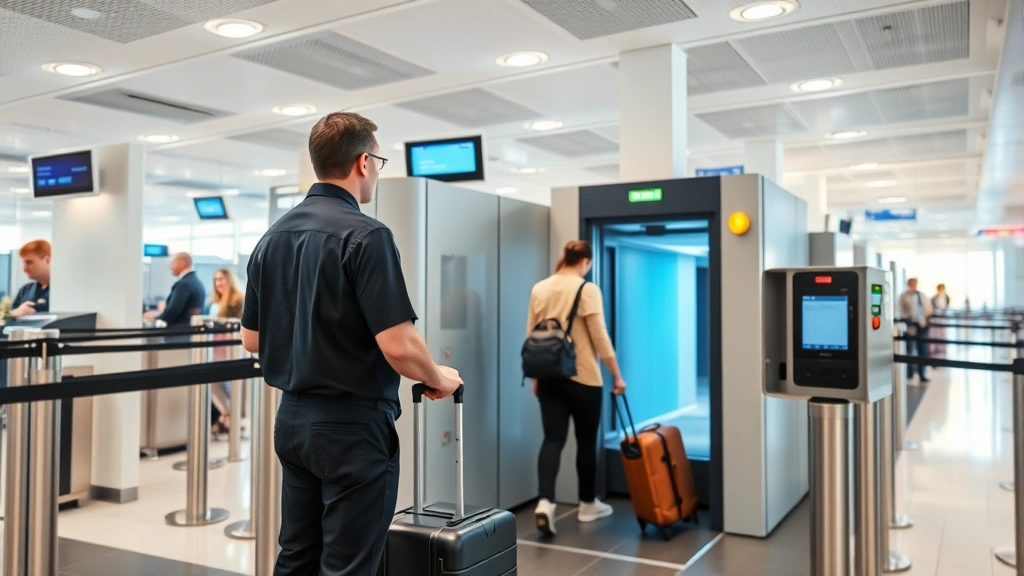
Hartsfield-Jackson Atlanta International Airport operates multiple security checkpoints across its terminals, each equipped with advanced screening technology and trained personnel. The airport’s security framework combines physical screening measures with intelligence-driven protocols designed to identify potential threats while maintaining passenger flow efficiency. ATL’s security operations follow TSA standards and guidelines, which establish the baseline for all commercial aviation security in the United States.
The airport maintains separate security lanes for different passenger categories: standard screening, TSA PreCheck eligible travelers, and elite frequent flyer members. Understanding which lane applies to your status significantly impacts your wait time and screening experience. ATL’s checkpoint design reflects years of operational experience, with infrastructure optimized for high-volume passenger processing during peak travel periods.
Security personnel at ATL undergo continuous training in threat detection, behavioral analysis, and customer service. These officers work alongside advanced screening equipment including X-ray machines, metal detectors, and explosive detection systems. The combination of human expertise and technological capability creates a multi-layered security approach that addresses both conventional and emerging threats.
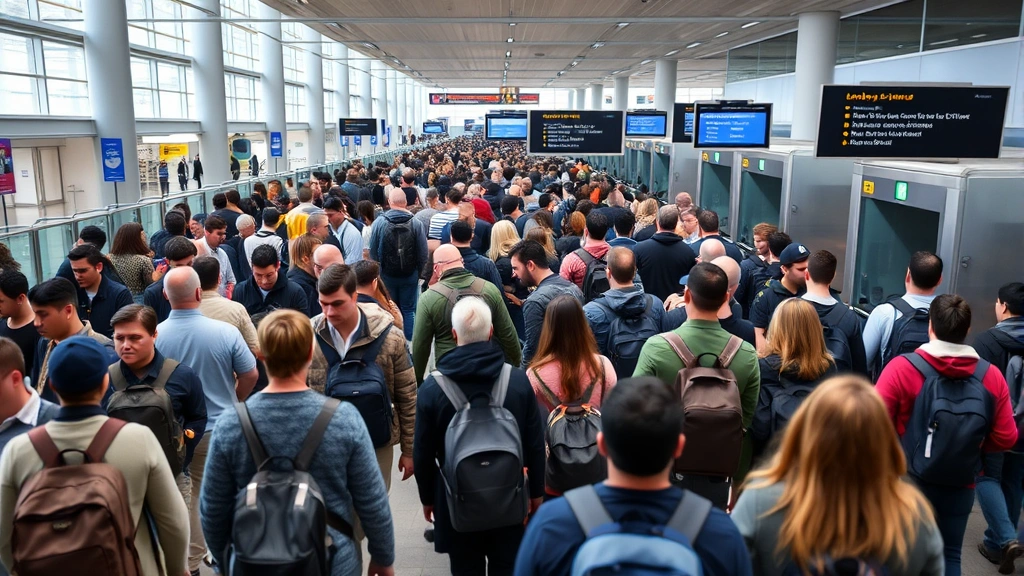
Frequent flyers understand that ATL airport security line efficiency depends on infrastructure familiarity. The airport provides real-time security wait time information through digital displays and mobile applications, allowing travelers to select optimal checkpoint locations and timing.
Pre-Arrival Preparation Strategies
Successful navigation of ATL security begins long before you reach the checkpoint. Experienced travelers implement comprehensive preparation protocols that reduce friction at screening stations and minimize delays. Your preparation strategy should address documentation, baggage organization, clothing choices, and digital security measures.
Documentation and Identification
Ensure your identification document is current and matches your airline ticket name exactly. TSA requires valid government-issued photo ID for all adult passengers. Acceptable documents include driver’s licenses, passports, military IDs, and state-issued identification cards. Check expiration dates before travel—expired documents create unnecessary complications at security checkpoints.
If you’re traveling internationally, verify passport validity extends at least six months beyond your return date. For domestic travel, ensure your ID matches your booking precisely, including middle initials and name variations. Any discrepancies between ID and ticket information trigger additional screening procedures.
Baggage Organization and Packing Strategy
Organize carry-on luggage to expedite X-ray screening. Place laptops, tablets, and large electronics in easily accessible locations for removal during screening. Consolidate liquids into a clear quart-sized bag positioned at the top of your carry-on for quick inspection. Frequent flyers maintain consistent packing strategies that reduce handling time and screening complexity.
Pack prohibited items in checked luggage rather than carry-on bags. Common restricted items include sharp objects, tools, lighters, and certain sporting equipment. Reviewing TSA’s comprehensive prohibited items list before packing prevents confiscation and delays.
Clothing Selection for Efficient Screening
Choose clothing that facilitates rapid security screening. Wear slip-on shoes to avoid lacing delays. Avoid excessive metal accessories, underwire bras with excessive metal, or clothing with embedded metal elements. Minimize jewelry and remove belts before reaching the scanner. These small decisions accumulate into significant time savings during peak periods.
Navigating the Security Checkpoint Efficiently
Arriving at the security checkpoint prepared and aware of procedures ensures smooth processing. Experienced travelers follow a systematic approach that respects security requirements while maintaining efficient movement through screening stations.
Checkpoint Selection and Queue Management
ATL provides multiple security checkpoints across its terminals. Observe real-time wait time displays to select the shortest queue. During peak periods, different checkpoints experience varying congestion levels. Experienced travelers move between checkpoint options to minimize waiting time. Some frequent flyers strategically position themselves in queues where families with young children are less prevalent, reducing unpredictable delays.
Maintain awareness of checkpoint configuration. Standard lanes process all passengers, while PreCheck lanes accommodate eligible travelers with expedited procedures. Elite frequent flyer status may qualify you for priority lanes offering additional benefits and shorter waits.
Security Lane Procedures
When approaching the checkpoint, have your ID and boarding pass ready for inspection. Place these documents where officers can easily view them. Follow signage directing you toward appropriate lane types matching your status and eligibility.
As you advance in the queue, begin removing shoes, belts, and outer jackets. Place these items, along with your carry-on bag, on the conveyor belt in a single motion when directed. Remove your liquids bag and electronics. This preparation prevents bottlenecks and allows smooth progression through screening equipment.
Walk through metal detectors with arms slightly raised as instructed. Remain calm and cooperative during any additional screening procedures. TSA officers may conduct pat-downs or baggage searches based on screening results—these are standard security measures, not indicators of suspicion.
TSA PreCheck and Expedited Screening Options
TSA PreCheck represents the most significant efficiency upgrade for frequent flyers navigating ATL airport security line processes. This trusted traveler program streamlines screening procedures for eligible passengers, reducing wait times and eliminating certain inconveniences associated with standard screening.
PreCheck Benefits and Enrollment
TSA PreCheck members enjoy dedicated security lanes with expedited screening. Benefits include keeping shoes, belts, and light jackets on during screening. Laptops and liquids remain in carry-on bags, eliminating the need to remove and repack these items. The program costs $78-$85 for five years, offering exceptional value for frequent travelers.
Enrollment requires in-person application at designated enrollment centers. The process includes background checks and biometric data collection. Most travelers complete enrollment within weeks, though processing timelines vary. Once approved, your Known Traveler Number (KTN) enables PreCheck benefits when you add it to airline reservations.
Other Expedited Programs
Beyond PreCheck, several programs offer security benefits. Global Entry includes PreCheck benefits plus expedited international arrival processing. CLEAR uses biometric technology to verify identity, allowing members to bypass document verification lines entirely. These premium programs cost more but provide maximum efficiency for elite frequent travelers.
Military personnel, federal employees, and certain frequent flyer elite members qualify for PreCheck benefits without enrollment. Verify your eligibility status before your ATL trip.
Digital Security Considerations for Air Travel
Modern air travel security extends beyond physical screening to encompass digital protection. Frequent flyers must safeguard personal information and devices throughout the airport experience, particularly at security checkpoints and during air travel.
Device Security at Checkpoints
TSA officers may request to inspect electronic devices during security screening. Ensure your devices power on before checkpoint entry—officers may ask you to unlock and activate phones, tablets, and laptops. Keep your devices with you through screening rather than placing them on conveyor belts with other luggage, minimizing loss or damage risks.
Password-protect all devices and consider enabling biometric authentication. This prevents unauthorized access if devices are temporarily separated from you during screening. Back up critical data before travel to mitigate loss from device damage or confiscation.
Network Security During Air Travel
Airport WiFi networks present significant cybersecurity risks. Avoid conducting sensitive transactions on public WiFi, including banking, email access, or credential verification. Use a reputable virtual private network (VPN) from CISA-trusted providers if you must access sensitive information at airports.
Disable automatic WiFi connection features that allow devices to join networks without explicit consent. Cybercriminals create spoofed networks mimicking legitimate airport WiFi, intercepting unencrypted communications and harvesting credentials. Maintain heightened digital vigilance throughout your airport experience.
Biometric Data Protection
TSA collects biometric data including fingerprints and facial recognition images during screening and PreCheck enrollment. Understand your rights regarding this data collection. The TSA maintains strict protocols for biometric data handling, but familiarize yourself with TSA’s biometric data policies to make informed decisions about participation in advanced screening programs.
Common Mistakes Frequent Flyers Avoid
Experienced travelers have learned through experience which behaviors create security checkpoint complications. Understanding these common mistakes helps you avoid unnecessary delays and screening complications.
Documentation Errors
Mismatched names between ID and airline tickets create immediate problems. Verify exact name matches before booking flights. Middle initials, name variations, and recent legal name changes require special attention. Arrive at the airport with sufficient time to resolve documentation discrepancies before security screening.
Prohibited Item Oversights
Many travelers unknowingly pack prohibited items in carry-on luggage. Common oversights include pocket knives carried unconsciously, lighter fluid residue on clothing, or sporting equipment with restricted components. Review the TSA prohibited items guide before packing to prevent confiscation and screening delays.
Inadequate Time Planning
Arriving too close to departure times creates stress and increases error likelihood. TSA recommends arriving two hours before domestic flights and three hours before international departures. Build additional buffer time during peak travel periods, holidays, and when traveling with children or elderly passengers.
Uncooperative Behavior
Arguing with security officers, refusing standard screening procedures, or displaying frustration creates complications and potential legal consequences. TSA officers maintain authority over security checkpoints and can deny boarding to uncooperative passengers. Maintain professional demeanor and cooperate fully with all screening procedures, even when inconvenient.
Peak Times and Strategic Timing
ATL experiences predictable congestion patterns throughout the week and year. Strategic timing of travel significantly impacts security line wait times and overall airport experience.
Daily Peak Periods
Security lines at ATL peak during early morning hours (5-8 AM) and early evening (4-7 PM) as business travelers and connecting passengers move through checkpoints. Mid-morning (10 AM-1 PM) and mid-afternoon (1-3 PM) periods typically experience lighter congestion. Scheduling flights during off-peak hours reduces security line stress when flexibility permits.
Weekly Patterns
Monday and Friday experience significantly higher congestion than mid-week days. Tuesday, Wednesday, and Thursday typically offer shorter security lines and more relaxed airport environments. If possible, schedule travel on these days to minimize checkpoint delays.
Seasonal Considerations
Holiday periods, summer vacation months, and spring break create sustained congestion across all airport operations. Plan accordingly with extended arrival times and realistic expectations about wait durations. Major holidays require arriving even earlier than standard recommendations.
Real-Time Wait Time Monitoring
ATL provides real-time security wait time information through airport displays and the TSA’s official app. Check wait times before arriving at the airport to select optimal checkpoint timing. Some frequent flyers monitor trends over weeks to identify patterns and plan travel accordingly.
Post-Security Area Navigation
Successfully navigating ATL airport security line represents just one component of efficient airport travel. Post-security navigation requires familiarity with terminal layout, gate locations, and concourse services.
Terminal Orientation
ATL’s terminals feature distinct layouts and services. Familiarize yourself with terminal configuration relevant to your departure gate. Check your boarding pass for gate information, though gates may change close to departure. Identify concourse locations and restroom facilities after clearing security.
Concourse Services and Amenities
Each concourse offers dining, retail, and charging facilities. Experienced travelers locate these services immediately after security screening, allowing time for meals or device charging before boarding. Some concourses feature premium lounges accessible to elite frequent flyers—verify your access status and lounge locations before travel.
Gate Arrival Timing
Arrive at your departure gate at least 15-20 minutes before scheduled boarding time. This allows time to locate the gate, use restrooms, and monitor any gate changes or delays. During peak periods, boarding areas become congested; early arrival ensures comfortable positioning for boarding.
FAQ
What should I have ready when approaching the security checkpoint at ATL?
Have your government-issued photo ID and boarding pass easily accessible. Remove shoes, belts, and outer jackets as you approach the conveyor belt. Place your carry-on bag, liquids bag, and electronics on the belt in a single motion. These preparations ensure smooth, efficient processing through the checkpoint.
Can I bring a water bottle through ATL security?
Empty water bottles pass through security without issue. Fill them at water fountains or refill stations located beyond the security checkpoint. Pre-filled bottles exceed liquid restrictions and will be confiscated. This strategy allows you to stay hydrated without carrying prohibited liquids.
How early should I arrive at ATL for my flight?
TSA recommends arriving two hours before domestic flights and three hours before international departures. During peak travel periods, holidays, or when traveling with children, add 30-60 minutes to these recommendations. Check real-time wait times to adjust arrival timing if necessary.
What are the benefits of TSA PreCheck for frequent ATL travelers?
PreCheck members use dedicated security lanes with expedited screening procedures. You keep shoes, belts, and light jackets on and leave laptops and liquids in carry-on bags. The five-year membership costs approximately $78-$85, providing exceptional value for frequent travelers navigating ATL security regularly.
What digital security precautions should I take at ATL airport?
Avoid conducting sensitive transactions on airport WiFi networks. Use a reputable VPN if you must access sensitive information. Keep devices with you during security screening. Password-protect all devices and disable automatic WiFi connections. Back up critical data before travel to protect against loss or theft.
Are there security wait time resources available for ATL travelers?
Yes, ATL provides real-time security wait time information through airport displays and the TSA’s official mobile application. Check these resources before arriving at the airport to select optimal checkpoint timing and reduce overall wait time.
What items are commonly prohibited in carry-on luggage?
Prohibited items include pocket knives, box cutters, sporting equipment with restricted components, tools, lighters, and certain liquids exceeding 3.4 ounces. Review the comprehensive TSA prohibited items list before packing to prevent confiscation. Place restricted items in checked luggage when possible.
How do I handle name discrepancies between my ID and airline ticket?
Ensure your airline ticket matches your government-issued ID exactly, including middle initials and name variations. If discrepancies exist, contact your airline immediately to update your reservation. Arrive at the airport with extra time to resolve any documentation issues before security screening.


