
Aspen 2024 Insights: Cybersecurity Trends Reshaping Digital Defense
The Aspen Security Forum 2024 brought together leading cybersecurity experts, government officials, and industry innovators to discuss the most pressing threats facing organizations worldwide. This annual gathering serves as a crucial intersection where policy makers, threat researchers, and security professionals converge to share intelligence on emerging vulnerabilities, nation-state tactics, and defensive strategies. The discussions revealed a landscape increasingly dominated by artificial intelligence-powered attacks, supply chain vulnerabilities, and the critical need for zero-trust architecture implementations.
As cyber threats evolve at an unprecedented pace, the insights from Aspen 2024 provide a roadmap for organizations seeking to strengthen their security posture. The forum highlighted that traditional perimeter-based defense models are obsolete, and enterprises must adopt comprehensive, multi-layered approaches to protect sensitive data and critical infrastructure. This article explores the major cybersecurity trends, emerging threats, and strategic recommendations that emerged from industry leaders at this pivotal conference.
AI-Powered Threats and Machine Learning Defense
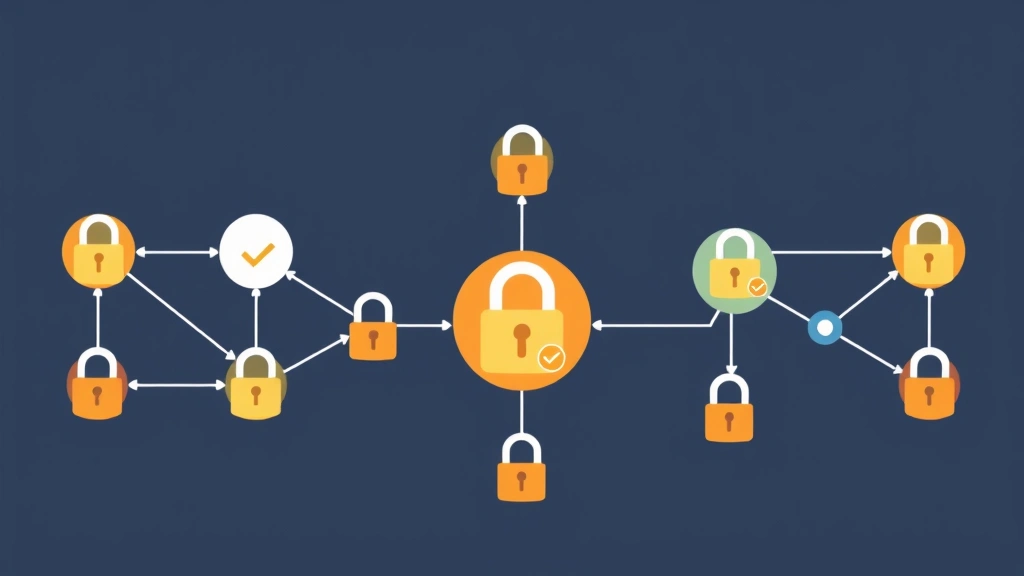
One of the most significant takeaways from the Aspen Security Forum 2024 was the dual nature of artificial intelligence in cybersecurity. While AI presents unprecedented opportunities for threat detection and rapid response, threat actors are simultaneously leveraging machine learning to craft more sophisticated attacks. Panelists emphasized that adversaries are using AI to automate reconnaissance, identify vulnerabilities at scale, and generate convincing phishing campaigns that bypass traditional security controls.
The consensus among security experts was that organizations must invest in AI-driven security solutions to keep pace with attacker capabilities. Machine learning algorithms can now analyze millions of network events in real-time, identifying anomalous behavior that human analysts might miss. However, this technological advancement comes with challenges—AI models require massive datasets for training, and adversarial attacks specifically designed to fool these systems are becoming increasingly common.
Aspen 2024 presenters highlighted the importance of understanding how threat actors manipulate AI systems. Techniques such as adversarial examples and poisoning attacks can degrade the effectiveness of machine learning-based defenses. Organizations should implement robust validation processes, maintain human oversight of AI-driven decisions, and ensure their security teams understand both the capabilities and limitations of artificial intelligence in threat detection.
Leading security researchers from organizations like CISA (Cybersecurity and Infrastructure Security Agency) discussed how government agencies are collaborating with the private sector to develop AI safety standards that prevent both adversarial misuse and unintended consequences of autonomous security systems.
Supply Chain Security and Third-Party Risk Management
Supply chain attacks dominated conversations at Aspen 2024, with security leaders pointing to the SolarWinds breach and subsequent incidents as wake-up calls for the entire industry. The forum revealed that organizations often have limited visibility into the security practices of their vendors, contractors, and software dependencies. This blind spot creates exploitable gaps that sophisticated threat actors actively target.
The key insight from industry panels was that supply chain security requires a fundamental shift in how organizations evaluate and monitor third-party risk. Rather than conducting annual security assessments, companies must implement continuous monitoring and establish clear security requirements in vendor contracts. The Aspen forum emphasized that software bill of materials (SBOM) transparency is becoming non-negotiable, and organizations should demand detailed documentation of all components within purchased software.
Participants discussed the role of NIST guidelines in establishing baseline security standards for supply chain management. The NIST Cybersecurity Framework provides a structured approach to identifying, protecting, detecting, responding to, and recovering from supply chain threats. Organizations attending Aspen 2024 learned that implementing these frameworks isn’t just a best practice—it’s becoming a regulatory expectation and a prerequisite for government contracts.
The forum also highlighted the importance of incident response planning specifically for supply chain compromises. When a vendor is breached, organizations need rapid detection and response capabilities. This requires pre-established communication channels, clear escalation procedures, and the ability to quickly assess whether your systems were affected by third-party vulnerabilities.
Real-world case studies presented at Aspen 2024 demonstrated how organizations that invested in vendor security assessments and continuous monitoring detected breaches faster than those with passive approaches. The cost of prevention is substantially lower than the cost of remediation after a supply chain attack.
Zero-Trust Architecture Implementation
Zero-trust security emerged as the dominant architectural philosophy discussed throughout the Aspen Security Forum 2024. This paradigm represents a fundamental departure from traditional network security models that assumed internal networks were inherently trustworthy. Zero-trust operates on the principle that every access request—whether from internal or external sources—must be verified, authenticated, and authorized before granting access to resources.
The practical implementation of zero-trust architecture involves several critical components: identity and access management (IAM), microsegmentation, continuous verification, and least-privilege access principles. Aspen panelists emphasized that zero-trust isn’t a product you purchase; it’s a strategic approach requiring organizational commitment, technological investment, and cultural change.
Organizations implementing zero-trust must prioritize identity verification through multi-factor authentication (MFA), device compliance checking, and behavioral analytics. The forum highlighted that compromised credentials remain the leading attack vector, and zero-trust frameworks specifically address this vulnerability by requiring continuous re-authentication rather than granting persistent access based on initial login.
Aspen 2024 speakers noted that the transition to zero-trust is complex and requires phased implementation. Organizations should start by identifying critical assets and implementing microsegmentation around those resources. This approach allows companies to realize security benefits incrementally while managing operational disruption and resource constraints.
The discussion also addressed the relationship between zero-trust and cloud security. As organizations migrate workloads to cloud platforms, traditional network perimeters disappear, making zero-trust principles essential for maintaining security in distributed environments. The forum revealed that organizations with mature cloud security implementations are finding zero-trust adoption more straightforward than those still managing primarily on-premise infrastructure.
Nation-State Tactics and Geopolitical Cyber Warfare
Intelligence officials at the Aspen Security Forum 2024 provided sobering assessments of nation-state cyber capabilities and intentions. The geopolitical landscape has shifted dramatically, with state-sponsored groups conducting increasingly aggressive reconnaissance and exploitation of critical infrastructure. The forum highlighted that cyber operations are no longer limited to espionage; they’re now integral components of military strategy and political pressure campaigns.
Aspen 2024 presentations detailed how advanced persistent threat (APT) groups associated with major powers are targeting critical infrastructure sectors including energy, water treatment, transportation, and healthcare. These sophisticated actors demonstrate capabilities that exceed those of typical cybercriminals: advanced persistence techniques, custom malware, zero-day exploitation, and patience to conduct multi-year campaigns before achieving objectives.
The forum emphasized that organizations in critical infrastructure sectors must assume they are actively being targeted by nation-state actors. This assumption should drive security investments in threat hunting, advanced detection capabilities, and incident response planning specifically designed for sophisticated, determined adversaries. The difference between defending against cybercriminals and nation-state actors is significant—state-sponsored groups have virtually unlimited resources and can maintain persistence even after initial compromises are detected.
Panelists discussed the importance of threat intelligence sharing and information coordination. CISA emphasized that government agencies and private organizations must work collaboratively to share indicators of compromise and tactical intelligence about active threats. The Aspen forum served as a venue for establishing these critical partnerships and discussing how to operationalize threat intelligence across organizational boundaries.
The geopolitical dimension of cyber warfare received particular attention, with experts noting that nation-state cyber operations are increasingly linked to conventional military operations, economic coercion, and diplomatic pressure. Organizations must understand that cyber threats are not purely technical problems; they’re strategic weapons deployed by adversaries pursuing political and military objectives.
Critical Infrastructure Protection Strategies
The Aspen Security Forum 2024 dedicated significant time to discussing how critical infrastructure sectors can strengthen defenses against sophisticated threats. Critical infrastructure—including power grids, water systems, transportation networks, and healthcare facilities—represents the foundation of modern society, making their protection a matter of national security.
Key recommendations from Aspen 2024 included implementing operational technology (OT) security measures specifically designed for industrial control systems. Unlike information technology (IT) security, which focuses on data protection and network security, OT security must account for the unique requirements of systems that control physical processes. Many critical infrastructure organizations operate legacy systems that weren’t designed with cybersecurity in mind, creating significant vulnerabilities.
The forum highlighted the importance of air-gapping critical systems, implementing segmentation between operational networks and business networks, and establishing rigorous access controls for anyone interacting with critical infrastructure. Organizations should conduct regular security assessments and penetration testing specifically targeting their operational technology environments.
Aspen 2024 presenters emphasized that critical infrastructure protection requires coordination across government and private sectors. The framework for this collaboration includes information sharing, joint exercises and simulations, and aligned security standards. The NIST Cybersecurity Framework provides a foundational structure for managing critical infrastructure security risks, and many sectors are developing industry-specific adaptations.
The forum also discussed the human element of critical infrastructure protection. Insiders—whether through malice or negligence—represent a significant threat. Organizations should implement insider threat programs that balance security monitoring with employee privacy, establish clear security policies, and create reporting mechanisms for suspicious activity.
Workforce Training and Human-Centric Security
Despite technological advances, the human element remains critical to cybersecurity success. The Aspen Security Forum 2024 emphasized that security awareness training must evolve beyond annual compliance checkboxes to become embedded in organizational culture. Threat actors continue to target employees through sophisticated social engineering, phishing, and pretexting because these methods remain highly effective.
Organizations should implement continuous security awareness programs that provide regular training on emerging threats, updated security policies, and practical guidance for identifying suspicious communications. The forum highlighted that employees who understand security risks and feel empowered to report suspicious activity become force multipliers for security teams. Creating psychological safety around security reporting—where employees aren’t punished for falling for phishing simulations or reporting potential threats—is essential for maintaining organizational security.
Aspen 2024 panels discussed the importance of security training tailored to specific roles. Developers need different security knowledge than finance professionals or human resources staff. Role-based training ensures that employees receive relevant, practical security guidance applicable to their daily work. The forum also emphasized that security training should emphasize the business value of security rather than presenting it as an obstacle to productivity.
The cybersecurity workforce shortage was a recurring theme at Aspen 2024. The industry faces a significant talent gap, with demand for skilled security professionals far exceeding supply. Organizations should invest in developing internal talent, partnering with educational institutions, and creating apprenticeship programs. The forum highlighted that cybersecurity careers are increasingly attractive to younger workers, and organizations that invest in training and mentorship can build sustainable security programs.
Another critical point from Aspen 2024 was the importance of incident response team training. Organizations should conduct regular tabletop exercises simulating major breach scenarios. These exercises help teams understand their roles, identify gaps in incident response procedures, and practice communication protocols before a real incident occurs. The forum revealed that organizations with well-trained incident response teams contain breaches faster and minimize damage more effectively than those without established response procedures.
FAQ
What was the primary focus of the Aspen Security Forum 2024?
The Aspen Security Forum 2024 focused on emerging cybersecurity threats, including AI-powered attacks, supply chain vulnerabilities, and nation-state cyber operations. The forum brought together government officials, security researchers, and industry leaders to discuss defensive strategies and policy recommendations.
How should organizations implement zero-trust architecture?
Organizations should implement zero-trust through phased approaches: start by identifying critical assets, implement identity and access management (IAM) solutions, deploy multi-factor authentication (MFA), establish microsegmentation around sensitive resources, and continuously verify all access requests. The transition requires organizational commitment and should be implemented gradually to minimize operational disruption.
What are the most effective defenses against supply chain attacks?
Effective supply chain defense includes conducting thorough vendor security assessments, requiring software bill of materials (SBOM) transparency, implementing continuous monitoring of third-party systems, establishing clear security requirements in vendor contracts, and developing rapid incident response procedures specifically for supply chain compromises. Organizations should also implement software composition analysis tools to identify vulnerable components in their applications.
How can organizations identify nation-state cyber attacks?
Nation-state attacks typically demonstrate characteristics including advanced persistence techniques, custom malware, zero-day exploitation, sophisticated command-and-control infrastructure, and patience to conduct multi-year campaigns. Organizations should implement advanced threat detection capabilities, threat hunting programs, and participate in threat intelligence sharing initiatives coordinated by agencies like CISA.
What role does AI play in modern cybersecurity?
AI enables rapid threat detection by analyzing millions of network events in real-time and identifying anomalous behavior. However, threat actors are also leveraging AI to automate attacks and craft sophisticated phishing campaigns. Organizations must implement AI-driven security solutions while understanding that these systems can be manipulated through adversarial attacks, requiring human oversight and continuous validation.
Why is critical infrastructure security particularly challenging?
Critical infrastructure often operates legacy systems not designed with cybersecurity in mind. Operational technology (OT) environments have different security requirements than traditional IT systems, and many critical infrastructure organizations lack the expertise to secure these specialized systems. Additionally, nation-state actors actively target critical infrastructure, making defense against sophisticated, well-resourced adversaries a significant challenge.


