
Is Ashley Furniture Protection Worth It? Expert Review
Ashley Furniture is one of the largest furniture retailers in North America, offering everything from sofas and sectionals to bedroom sets and dining tables. With such significant investments in home furnishings, many customers wonder whether purchasing their protection plans makes financial sense. This comprehensive review examines Ashley Furniture protection plans from multiple angles, analyzing coverage details, costs, and real-world value to help you make an informed decision.
Protection plans for furniture have become increasingly popular as consumers seek to safeguard their purchases against unexpected damage, wear, and accidents. However, not all protection plans offer equal value, and understanding the specifics of what Ashley’s plans cover—and what they don’t—is crucial before committing your money. This guide breaks down everything you need to know about Ashley Furniture protection plans, including what experts say about their worth and whether they align with your needs.

Understanding Ashley Furniture Protection Plans
Ashley Furniture offers several protection plan options designed to cover various furniture categories and price points. These plans typically function as extended warranties combined with accidental damage coverage, distinguishing them from standard manufacturer warranties that only cover defects in materials and workmanship. The basic premise is straightforward: you pay an upfront fee, and in return, the company agrees to repair or replace covered items if they suffer damage during the coverage period.
The company structures its plans into different tiers, with pricing generally correlating to furniture value and coverage comprehensiveness. When you purchase furniture from Ashley, sales representatives will present protection plan options at checkout, often emphasizing the peace of mind these plans provide. Understanding the distinction between what manufacturers cover and what protection plans add is essential for evaluating their true worth.
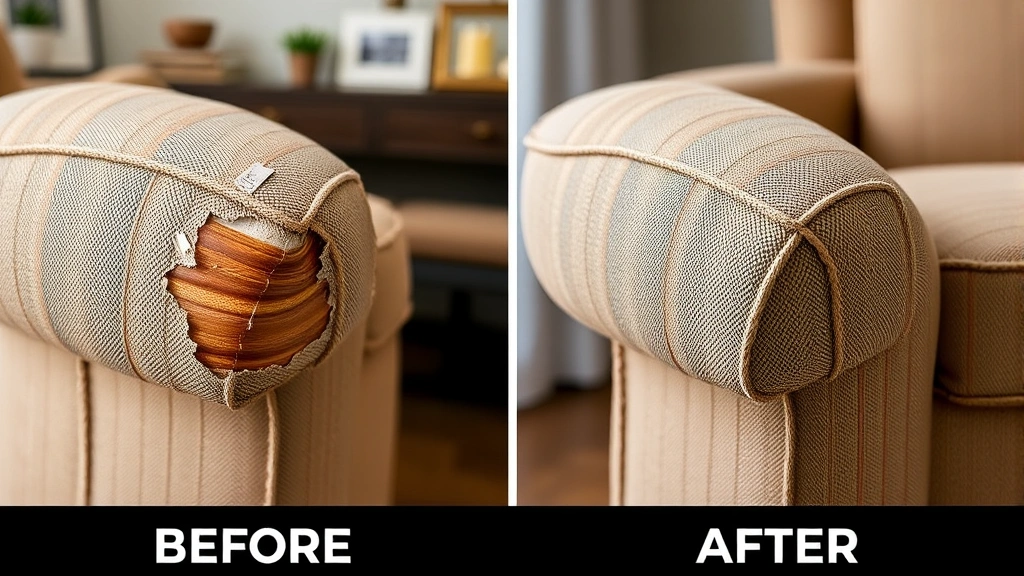
Ashley’s protection plans typically include coverage for stains, tears, punctures, and other damage that would normally be the customer’s responsibility. This is where they differ fundamentally from standard warranties. However, the devil is in the details, and many customers discover limitations only when filing claims.
Coverage Details and What’s Included
Ashley Furniture protection plans generally cover accidental damage including spills and stains, tears and punctures, broken frames and springs, and cushion deterioration. For leather furniture specifically, plans often include coverage for cracks and fading. The coverage typically extends for a specified period, commonly ranging from three to five years, though some premium plans may offer longer protection.
However, coverage comes with significant exclusions. Most plans explicitly exclude damage from normal wear and tear, pet damage (in many cases), intentional damage, and damage resulting from improper care or maintenance. Some plans also exclude coverage for color fading from sunlight exposure, which is a common issue with upholstered furniture. Additionally, damage from water damage or flooding may be excluded or subject to specific limitations.
When evaluating coverage, it’s crucial to examine the deductible structure. Many Ashley protection plans include per-claim deductibles, meaning you’ll pay out of pocket for each claim before coverage kicks in. Some plans feature no deductible options, but these command significantly higher premiums. Understanding your financial responsibility in the event of a claim directly impacts the plan’s value proposition.
The claim process itself varies depending on the plan type. Some plans allow you to contact Ashley directly for claims, while others may require contacting a third-party administrator. Response times, approval processes, and the ease of documentation can significantly affect customer satisfaction. Reading reviews from customers who have actually filed claims provides invaluable insight into whether the promised coverage translates into actual support when needed.
Cost Analysis and Pricing Structure
Ashley Furniture protection plan costs vary dramatically based on furniture type, price, and coverage level. For a mid-range sofa costing around $800-$1,200, protection plans typically range from $150 to $400 for five-year coverage. This represents roughly 15-30% of the furniture’s purchase price, which is substantial. For more expensive pieces, the percentage may be lower, but absolute costs increase significantly.
To determine whether the cost is justified, consider the replacement cost of the furniture and the likelihood of needing repairs. If you have young children or pets, or if your furniture will receive heavy use, the risk profile changes considerably. Similarly, if you’re purchasing light-colored upholstery prone to staining, protection plans become more attractive from a financial perspective.
Many consumers fail to account for the time value of money when evaluating protection plans. If you pay $300 upfront for a five-year plan, you’re essentially betting that damage costing more than $300 to repair will occur within that timeframe. For most furniture, especially when properly maintained, this threshold may never be reached. Industry data suggests that a significant percentage of protection plan holders never file a claim, effectively losing their entire investment.
Comparing the protection plan cost to potential repair expenses provides clarity. A professional furniture repair for a torn seam might cost $100-$300, while replacing a cushion could run $200-$500. Reupholstering a sofa section might cost $800-$2,000. If the likelihood of needing repairs exceeds the plan cost divided by potential repair expenses, the math favors purchasing protection.
Comparing to Competitor Plans
Other major furniture retailers offer comparable protection plans with varying terms and coverage levels. Understanding consumer behavior around product protection helps contextualize Ashley’s offerings. Competitors like Rooms to Go, Bob’s Discount Furniture, and premium retailers like Room & Board all provide protection options with different structures.
Some retailers offer built-in protection as part of their warranty programs, while others charge separately. A few premium furniture companies include basic protection in their warranty coverage, effectively bundling it into the purchase price. This makes direct price comparisons challenging but highlights the importance of evaluating total cost of ownership rather than just the furniture price.
Third-party warranty providers like Allstate Protection Plans and SquareTrade (now owned by Assurant) also offer furniture protection that may be purchased independently. These plans sometimes provide more transparent terms and potentially better claim processing, though they may not cover furniture-specific issues as comprehensively. Evaluating these alternatives gives you leverage in negotiating with Ashley or choosing between retailers.
Real Customer Experiences
Customer reviews and testimonials reveal a mixed picture regarding Ashley Furniture protection plans. Some customers report positive experiences, with claims processed smoothly and repairs completed satisfactorily. These customers often cite peace of mind as a significant benefit, valuing the security of knowing they’re covered if accidents occur.
However, numerous complaints appear in online reviews and consumer forums. Common issues include difficulty getting claims approved, disputes over whether damage is covered, slow claim processing, and dissatisfaction with repair quality. Some customers report that Ashley representatives downplayed coverage limitations during the sales process, leading to disappointment when filing claims.
Several customers have documented their experiences on social media and consumer review sites, detailing specific claim denials and the frustration of trying to resolve disputes. These accounts suggest that coverage terms, while seemingly comprehensive in marketing materials, may be interpreted more narrowly in practice. The gap between promised coverage and actual claims handling represents a significant concern.
Positive reviews typically come from customers who experienced minor damage, submitted straightforward claims, and received prompt resolutions. Negative reviews often involve customers with more complex situations, such as combination damage, disputes about causation, or situations involving multiple claim issues. This pattern suggests that plan value may depend significantly on the specific circumstances of your claim.
When Protection Plans Make Sense
Ashley Furniture protection plans may represent good value in specific scenarios. If you have young children prone to spills and accidents, a protection plan on upholstered furniture becomes more justifiable. The statistical likelihood of stains and damage increases substantially with children in the household, making the insurance-like protection more relevant.
Pet owners face similar considerations. Cats can scratch upholstery, and dogs may have accidents or shed heavily. If you have pets, especially multiple pets, and you’re purchasing light-colored furniture, protection plans deserve serious consideration. The cost of replacing a heavily damaged piece often exceeds the protection plan cost.
Renters should also evaluate protection plans more favorably. When you don’t own your living space, protecting your furniture investment becomes more critical since you cannot simply repaint or refinish walls to match furniture condition at move-out. Additionally, if you plan to keep furniture long-term and use it heavily, the extended coverage period becomes more valuable.
High-traffic areas like family rooms and media rooms present elevated damage risk compared to formal living rooms used occasionally. If your new furniture will be in a high-traffic area, the increased likelihood of accidents or wear-related damage strengthens the case for protection.
Red Flags and Limitations
Several red flags should prompt caution when considering Ashley Furniture protection plans. First, be skeptical of high-pressure sales tactics. When sales representatives aggressively push protection plans or create artificial urgency (“This offer expires today!”), it often indicates the plan benefits the retailer more than the customer.
Second, carefully review the exclusion list. Plans that exclude common damage types like pet damage, sunlight fading, or water damage may provide less protection than initially apparent. Read the fine print thoroughly, and don’t rely on verbal explanations from sales staff—get everything in writing.
Third, investigate the claims process before purchasing. Contact customer service and ask specific questions about claim procedures, average processing times, and documentation requirements. If representatives are vague or evasive, that’s a red flag. Reputable protection plans have clear, transparent processes and can explain them confidently.
Fourth, be aware of deductible structures that might make claims financially impractical. If your plan includes a $200 deductible and minor repairs cost $300, you’re paying $200 to get a $300 repair covered—a poor value proposition. Calculate the break-even point for your specific plan and furniture.
Finally, recognize that marketing and endorsements don’t guarantee quality. Just because Ashley Furniture advertises their protection plans heavily doesn’t mean they represent good value for your situation.
FAQ
What exactly does Ashley Furniture protection cover?
Ashley Furniture protection plans typically cover accidental damage including stains, tears, punctures, broken frames, and cushion deterioration. However, coverage excludes normal wear and tear, pet damage (usually), intentional damage, and improper care. Coverage periods typically range from 3-5 years depending on the plan selected.
How much does Ashley Furniture protection cost?
Protection plan costs vary significantly based on furniture type and price. For a mid-range sofa ($800-$1,200), plans typically cost $150-$400 for five-year coverage. The cost represents roughly 15-30% of the furniture’s purchase price, making it a substantial additional expense to consider.
Can I purchase protection after buying furniture?
Most retailers, including Ashley Furniture, require protection plan purchase at the time of furniture purchase. Some may allow purchases within a limited window after purchase, but this varies. It’s important to decide on protection at the point of sale rather than attempting to add it later.
What should I do if my claim is denied?
If your claim is denied, request a written explanation of the denial reason. Review your plan documents to determine if you can appeal the decision. Many plans include an appeal process. If you believe the denial is unjustified, you can file a complaint with your state’s insurance commissioner or consumer protection agency.
Is furniture protection worth it compared to self-insuring?
Whether protection is worth it depends on your financial situation and risk tolerance. Self-insuring (setting aside the protection plan cost as a repair fund) works well if you have emergency savings and low damage risk. Protection plans make sense if you have high damage risk due to children, pets, or planned heavy use.
Do Ashley Furniture protection plans cover normal wear and tear?
No. Protection plans explicitly exclude normal wear and tear. They cover accidental damage and sudden events, not gradual deterioration from regular use. This is an important distinction that many customers misunderstand when purchasing plans.
Can I transfer my protection plan if I move?
Transfer policies vary depending on your specific plan. Most Ashley Furniture protection plans are tied to the original purchaser and location, though some may be transferable. Check your plan documents or contact Ashley Furniture customer service for specific transfer policies.
What’s the difference between protection plans and extended warranties?
Extended warranties typically cover manufacturing defects and mechanical failures, while protection plans cover accidental damage and wear issues. Ashley’s protection plans combine elements of both, providing broader coverage than standard warranties but with more limitations than comprehensive insurance.


