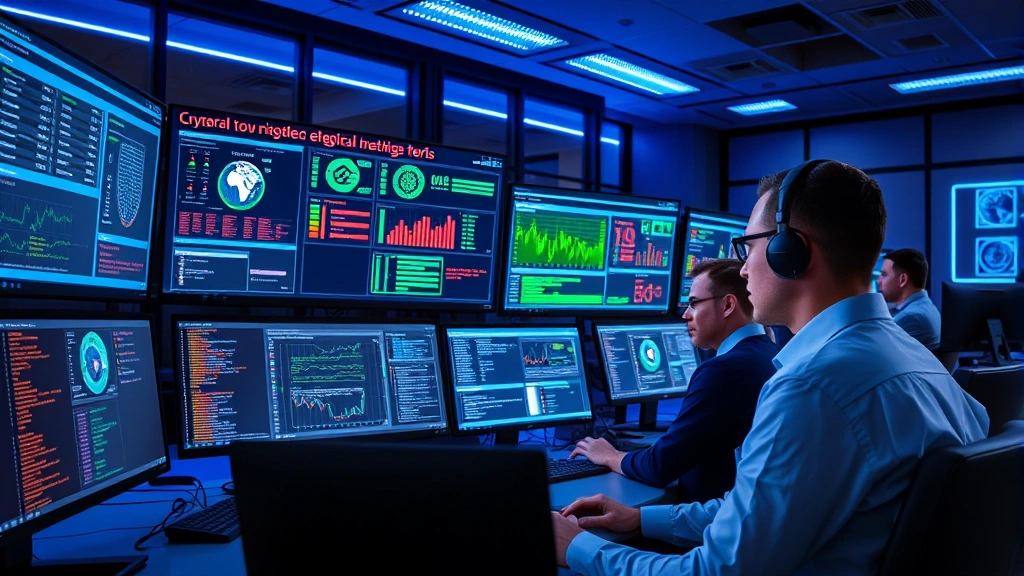
Boost Your Cyber Defense: Expert Guard Training Tips
In today’s digital landscape, cybersecurity threats evolve faster than most organizations can respond. While physical security guards protect buildings and assets, cybersecurity professionals serve as digital sentries—defending networks, data, and critical infrastructure from increasingly sophisticated attacks. The principles of effective security guard training translate remarkably well into cybersecurity defense strategies, combining vigilance, rapid response protocols, and continuous education to create robust protection layers.
Whether you’re developing comprehensive security programs or enhancing your organization’s cyber defenses, understanding guard training methodologies can significantly strengthen your overall security posture. This guide explores how traditional security guard principles align with modern cybersecurity practices, providing actionable insights for protecting your digital assets.
Understanding the Guard Training Foundation
Armed security guard classes emphasize foundational principles that directly apply to cybersecurity operations. The most critical element is understanding your environment—knowing what belongs, what doesn’t, and recognizing anomalies that signal potential threats. In physical security, guards learn to observe behavioral patterns and identify suspicious activity. Cybersecurity professionals must develop similar observational skills for network behavior, user activities, and system anomalies.
Effective guard training programs establish clear jurisdiction and responsibility boundaries. Similarly, cybersecurity frameworks must define clear roles, responsibilities, and escalation procedures. Every team member should understand their position within the larger security architecture and how their actions impact overall defense effectiveness.
The foundation of any security program rests on comprehensive risk assessment. Security guards learn to identify vulnerabilities in physical spaces—unlocked doors, blind spots, inadequate lighting. Cybersecurity professionals must conduct parallel assessments of their digital environment, identifying vulnerable systems, unpatched software, weak authentication mechanisms, and exposed data repositories. CISA (Cybersecurity and Infrastructure Security Agency) provides detailed guidance on conducting vulnerability assessments and developing risk mitigation strategies aligned with government standards.
Documentation and record-keeping form essential components of guard training. Security professionals learn to maintain detailed logs of incidents, access points, and security breaches. This same discipline applies to cybersecurity, where comprehensive audit logs enable threat detection, forensic analysis, and regulatory compliance. Proper documentation creates accountability and provides crucial evidence during incident investigations.
Threat Detection and Response Protocols
Guard training emphasizes rapid threat detection through heightened awareness and systematic observation. Cybersecurity teams must develop equivalent detection capabilities using security information and event management (SIEM) systems, intrusion detection systems (IDS), and continuous monitoring solutions. These technologies function as digital guards, scanning networks 24/7 for suspicious activity patterns.
The most effective security guards understand threat indicators—behavioral cues that suggest malicious intent. Cybersecurity professionals must learn to recognize similar indicators in the digital realm: unusual login patterns, abnormal data access requests, suspicious email attachments, and unexpected network traffic. NIST Cybersecurity Framework provides comprehensive guidelines for identifying and responding to threat indicators within organizational networks.
Response time dramatically impacts security effectiveness. Armed security guard classes emphasize quick decision-making and immediate action when threats materialize. Cybersecurity incident response requires similar speed—detecting breaches within minutes rather than weeks significantly reduces damage. Establish clear escalation procedures, maintain documented response playbooks, and ensure all team members understand their responsibilities during security incidents.
Threat intelligence sharing enhances collective defense capabilities. Security guards communicate with colleagues about suspicious individuals or activities. Organizations must implement similar information-sharing practices, consulting threat intelligence feeds from reputable sources. Mandiant and other cybersecurity firms publish regular threat intelligence reports detailing emerging attack patterns and defensive strategies.
Building a Security-First Culture
No amount of technology or training creates effective security without organizational commitment. Guard training programs emphasize that every team member contributes to overall security. Building a security-first culture requires similar organizational-wide engagement where employees understand their role in defending digital assets.
Employee education represents the most cost-effective security investment. Regular security awareness training teaches staff to recognize phishing attempts, social engineering tactics, and other common attack vectors. When employees understand how cybercriminals operate, they become active participants in your defense strategy rather than vulnerable entry points.
Accountability mechanisms encourage security-conscious behavior. Guards understand that their actions are monitored and evaluated. Similarly, organizations should implement security policies with clear consequences for violations. However, the goal isn’t punishment—it’s creating environments where security practices become habitual and normalized.
Psychological safety enables honest reporting. Security guards must feel comfortable reporting potential threats without fear of retaliation. Organizations should establish anonymous reporting channels for security concerns, encouraging employees to flag suspicious activities or policy violations without career consequences. This transparency accelerates threat detection and prevents small issues from escalating into major breaches.
Advanced Monitoring and Surveillance Techniques
Modern guard training incorporates sophisticated surveillance technologies—cameras, access control systems, motion detectors. Cybersecurity defense relies on parallel technologies: firewalls, proxy servers, endpoint detection and response (EDR) solutions, and network segmentation. These tools provide visibility into digital activities, enabling rapid threat identification.
Layered defense strategies maximize protection effectiveness. Security guards don’t rely on single deterrents; they implement multiple security layers. Similarly, cybersecurity professionals should implement defense-in-depth approaches combining firewalls, intrusion prevention systems, application whitelisting, and behavior-based threat detection. When attackers breach one layer, additional defenses remain active.
User behavior analytics (UBA) represents an advanced monitoring technique revealing insider threats and compromised accounts. By establishing baselines of normal user behavior, security teams identify deviations suggesting account compromise or malicious intent. This approach parallels how experienced guards recognize when individuals deviate from expected behavior patterns.
Continuous monitoring differs fundamentally from periodic audits. Rather than assessing security posture quarterly or annually, continuous monitoring provides real-time visibility into network health and threat status. Implement automated monitoring solutions that scan systems 24/7, alerting security teams to suspicious activities requiring investigation.
Incident Response and Recovery Planning
Armed security guard classes extensively cover incident response procedures. Despite best prevention efforts, security breaches occasionally occur. Organizations must prepare comprehensive incident response plans detailing communication procedures, containment strategies, evidence preservation, and recovery processes. ESET provides detailed incident response frameworks aligned with industry best practices.
Incident severity classification helps prioritize response resources. Guards learn to distinguish between minor disturbances and serious threats requiring emergency response. Cybersecurity teams should implement similar classification systems, categorizing incidents by severity level and assigning appropriate response resources. A phishing email affecting single users requires different response than ransomware spreading across the network.
Containment procedures prevent incident escalation. When security guards identify threats, they immediately contain situations to prevent spread or additional damage. Similarly, cybersecurity teams must isolate compromised systems, disconnect infected devices from networks, and prevent lateral movement by attackers. Rapid containment dramatically reduces breach impact.
Forensic investigation capabilities enable understanding how breaches occurred and what data was accessed. Preserve evidence through proper chain-of-custody procedures, document all findings, and work with law enforcement when necessary. This investigation data informs security improvements preventing similar incidents.
Recovery planning ensures business continuity after security incidents. Backup and disaster recovery procedures enable restoring systems and data following attacks. Test recovery procedures regularly to verify they function effectively when needed. Incident recovery speed determines overall damage—organizations with robust recovery capabilities experience minimal disruption.
Continuous Training and Skill Development
Effective guard training never ends. Security environments constantly evolve, requiring ongoing professional development. Armed security guard classes emphasize continuing education, regular drills, and skill refreshment. Cybersecurity professionals must adopt similar commitment to continuous learning.
Threat landscapes shift constantly as attackers develop new techniques. Security teams must maintain current knowledge through certifications (CISSP, CEH, Security+), conference attendance, and regular training updates. Subscribe to Security Affairs and similar threat intelligence sources providing regular updates on emerging attack patterns.
Regular security drills and simulations test team readiness. Guards conduct regular exercises simulating various security scenarios. Cybersecurity teams should conduct similar tabletop exercises, simulating breach scenarios and testing incident response procedures. These simulations reveal gaps in planning, communication breakdowns, and training needs before real incidents occur.
Peer learning and knowledge sharing accelerate skill development. Security guards learn from colleagues’ experiences and observations. Establish similar knowledge-sharing practices within cybersecurity teams—regular meetings discussing recent threats, lessons learned from incidents, and emerging defensive techniques. Create documentation capturing institutional knowledge preventing information loss when team members transition.
Specialization development strengthens overall team capabilities. While all guards require baseline security knowledge, some specialize in particular areas. Similarly, cybersecurity teams benefit from members developing specialized expertise in network security, application security, threat intelligence, or forensic analysis. This specialization enables deeper expertise and more sophisticated threat response.
FAQ
How do armed security guard training principles apply to cybersecurity?
Guard training emphasizes awareness, rapid response, layered defense, and continuous vigilance—principles directly applicable to cybersecurity. Both fields require identifying threats, communicating risks, implementing protective measures, and responding quickly to incidents. The core principles of effective security transcend physical and digital domains.
What is the most critical element of cyber defense training?
Threat awareness and recognition skills represent the foundation of effective cyber defense. Employees must understand common attack vectors, recognize suspicious activities, and report potential threats. Regular security awareness training creates organizational cultures where security practices become habitual, significantly reducing breach risk.
How frequently should cybersecurity training occur?
Security training should occur at least annually, with specialized teams receiving quarterly or monthly updates. Given rapidly evolving threat landscapes, organizations should provide continuous learning opportunities through newsletters, webinars, and conference attendance. New employees require comprehensive onboarding covering organizational security policies and practices.
What incident response capabilities should every organization maintain?
Every organization should maintain documented incident response plans detailing detection procedures, escalation paths, containment strategies, forensic investigation processes, and recovery procedures. Designate an incident response team with clear roles and responsibilities. Conduct regular training and simulations ensuring team readiness when incidents occur.
How can organizations measure cyber defense effectiveness?
Track metrics including mean time to detection (MTTD), mean time to response (MTTR), incident severity distribution, and training completion rates. Monitor security control effectiveness through vulnerability scanning results, penetration testing outcomes, and audit findings. Regular security assessments reveal program strengths and improvement opportunities.
What role does employee education play in cybersecurity?
Employee education represents the most cost-effective security investment. Well-trained employees recognize and report phishing attempts, avoid malware downloads, maintain security policy compliance, and serve as additional security layers. Security awareness directly correlates with reduced breach risk and incident severity.


