
Are Security Deposits Refundable? Know Your Rights as a Tenant
Security deposits represent one of the most misunderstood aspects of the rental process. Whether you’re signing a lease for an apartment, house, or commercial space, understanding your rights regarding security deposit refunds is essential to protecting your financial interests. Many tenants and landlords alike operate under misconceptions about when deposits can be withheld, what deductions are legitimate, and what timelines apply to refunds. This comprehensive guide will clarify the legal landscape surrounding security deposits and empower you with the knowledge needed to navigate rental agreements confidently.
The question “are security deposits refundable” might seem straightforward, but the answer varies significantly depending on your location, the type of rental, and the specific circumstances of your tenancy. In most jurisdictions, security deposits are indeed refundable—they are not fees or rent payments, but rather funds held in trust to protect landlords against property damage or unpaid rent. However, landlords are permitted to make deductions for certain legitimate expenses before returning your deposit. Knowing the difference between permissible deductions and illegal withholding is crucial for protecting your money.
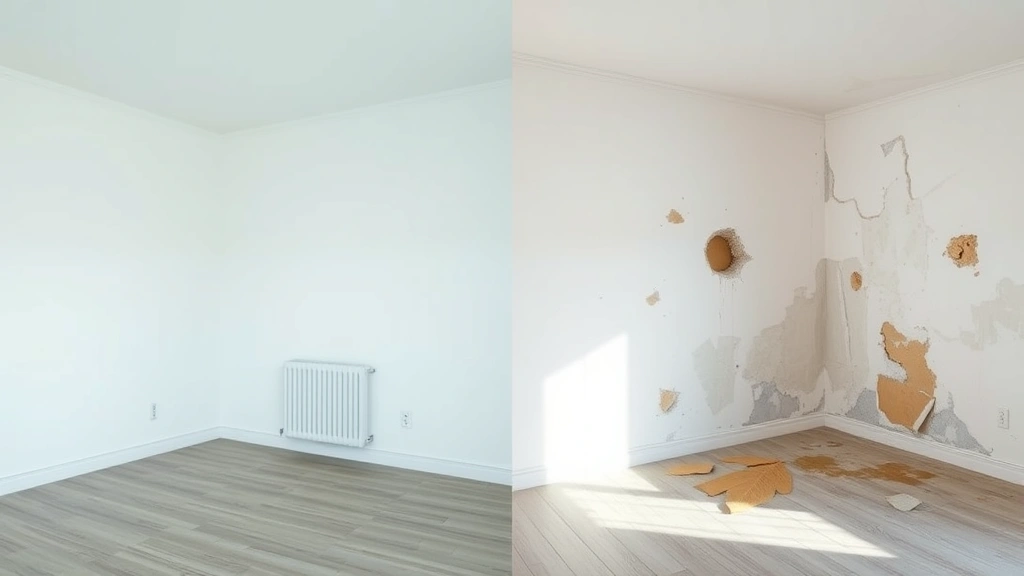
Understanding Security Deposits: The Basics
A security deposit is a sum of money paid by a tenant to a landlord at the beginning of a lease term. The primary purpose of this deposit is to serve as financial protection for landlords in case tenants damage the rental property beyond normal wear and tear, fail to pay rent, or breach other lease terms. The key legal principle governing security deposits in most jurisdictions is that they must be held in trust—meaning they technically belong to the tenant and should be returned unless legitimate deductions apply.
The distinction between a security deposit and a non-refundable fee is critical. Some landlords attempt to collect non-refundable fees for pet ownership, cleaning, or administrative purposes. These are separate from security deposits and have different legal protections. A true security deposit, by definition, is refundable. When you sign a lease at a rental property, the deposit you provide creates a contractual relationship where the landlord becomes a custodian of your funds rather than the owner.
Understanding this fundamental concept helps explain why simply asking “are security deposits refundable” requires a nuanced answer. In most cases, yes—they are refundable. However, the refund may be reduced by legitimate deductions for damage beyond normal wear and tear, unpaid rent, or other lease violations. The challenge for tenants lies in distinguishing between what constitutes legitimate wear and tear versus damage that warrants a deduction.

State and Local Laws Governing Refunds
Security deposit laws vary dramatically across the United States and internationally. Each state has enacted its own statutes governing how landlords must handle deposits, what deductions are permissible, how long deposits must be held, and what happens if landlords fail to comply with these requirements. Some states provide extensive tenant protections, while others offer minimal oversight of landlord conduct regarding deposits.
States like California, New York, and Massachusetts have comprehensive security deposit laws that require landlords to return deposits within specific timeframes, typically between 30 and 45 days after a tenant moves out. These states often mandate that landlords provide itemized lists of any deductions claimed, with supporting documentation. Conversely, some states impose fewer requirements, giving landlords greater discretion in handling deposits.
Many localities have enacted additional protections beyond state law. Cities like San Francisco, Los Angeles, and New York City have implemented stricter regulations, including requirements that deposits be held in interest-bearing accounts and that interest be returned to tenants. Some jurisdictions limit the amount landlords can charge for security deposits—for example, requiring that deposits not exceed one month’s rent.
To understand your specific rights regarding deposit refunds, you must research the laws in your state and municipality. Resources like Nolo’s security deposit guide and your state’s attorney general website provide comprehensive information about local requirements. Additionally, the Consumer Finance Protection Bureau offers resources on deposit protection standards.
Legitimate Deductions vs. Illegal Withholding
The most contentious aspect of security deposit disputes involves determining which deductions are legitimate. Landlords are generally permitted to deduct from deposits for specific, documented damages that exceed normal wear and tear. Understanding this distinction protects you from wrongful withholding of your funds.
Legitimate deductions typically include:
- Damage beyond normal wear and tear: Holes in walls from pictures, carpet stains, broken appliances, or damaged fixtures caused by tenant negligence
- Unpaid rent: Any outstanding rent balances owed by the tenant
- Lease violations: Costs associated with breach of lease terms, such as unauthorized occupants or property damage from rule violations
- Cleaning costs: Professional cleaning necessary to return the unit to move-in condition, though this is contentious in many jurisdictions
- Maintenance: Repairs needed due to tenant-caused damage, though landlords must use reasonable, market-rate costs
Illegal or improper deductions commonly attempted by landlords include:
- Normal wear and tear: Faded paint, worn carpet, small nail holes, or minor scuffs are expected after a tenancy and should not be deducted
- Pre-existing damage: Damage present before you moved in, which should have been documented in a move-in inspection
- Maintenance and repairs: Regular maintenance like painting, replacing carpet, or fixing broken fixtures due to age rather than tenant damage
- Utilities and rent: These should never be deducted from security deposits; they are separate financial obligations
- Administrative fees: Processing fees, lease renewal fees, or other administrative costs unrelated to property damage or lease violations
The concept of “normal wear and tear” is crucial to understanding security deposit law. This legal standard recognizes that rental properties naturally deteriorate with use. A landlord cannot charge for this inevitable depreciation. However, proving what constitutes normal wear and tear versus tenant-caused damage often requires detailed documentation and sometimes expert testimony.
Timeline Requirements for Deposit Returns
One of the most important tenant protections involves mandatory timelines for returning security deposits. These deadlines vary by jurisdiction but are strictly enforced in many states. Missing these deadlines can result in landlords being required to return the full deposit plus penalties, even if deductions would have been legitimate.
Common timelines include:
- 30 days: Many states require deposit returns within 30 days of move-out
- 45 days: Some jurisdictions allow up to 45 days, particularly if detailed inspections are needed
- 60 days: A few states provide longer periods, though these are less common
When a landlord provides an itemized list of deductions with supporting documentation, the timeline typically begins after this accounting is provided. However, some states calculate the deadline from the tenant’s move-out date regardless of when documentation is sent. This distinction is critical—if your state uses the move-out date and your landlord waits three weeks to send an accounting, they may already be in violation.
If a landlord fails to return your deposit within the required timeframe without valid reason, you may be entitled to the full deposit amount plus penalties. Some states impose double or triple damages for wrongful withholding, which can result in receiving significantly more than your original deposit. These penalties exist to deter landlords from illegally retaining tenant funds.
How to Document Your Rental Condition
Protecting your security deposit begins before you even move in and continues throughout your tenancy. Comprehensive documentation is your strongest defense against improper deductions. The move-in inspection is your first opportunity to establish a baseline for the property’s condition.
At move-in, you should:
- Request a walk-through inspection: Conduct this with your landlord or property manager present if possible
- Take photographs and videos: Document every room, including closets, appliances, walls, carpet, and fixtures. Capture both overall room views and close-ups of any existing damage
- Record timestamps and dates: Ensure all photos and videos are date-stamped
- Complete a move-in checklist: Note the condition of all appliances, fixtures, and surfaces. Most leases include a condition checklist form
- Request written confirmation: Have your landlord sign off on the move-in condition documentation
- Keep copies: Maintain copies of all documentation for your records
Throughout your tenancy, maintain the property reasonably and document any pre-existing damage or maintenance issues. If something breaks due to normal use or defect, report it immediately in writing and keep records of all communications.
At move-out, repeat the documentation process:
- Clean thoroughly: Leave the property in clean, undamaged condition. “Clean” means free of dirt and debris, not necessarily professionally cleaned unless required by lease
- Take exit photos and videos: Document the condition of every room, just as you did at move-in
- Request a move-out inspection: Have your landlord or property manager walk through and sign off on the condition
- Get written confirmation: Obtain written acknowledgment that the property is in acceptable condition at move-out
- Document any damage: If damage exists, photograph it and note whether it occurred before or during your tenancy
This documentation creates a clear record that protects you if disputes arise. If your landlord claims damage you didn’t cause, your move-in photos prove the damage was pre-existing. If they claim excessive cleaning is needed, your move-out photos demonstrate the property was clean.
Disputing Wrongful Deposit Withholding
Despite your best efforts, disputes over security deposits sometimes occur. If you receive a deposit accounting that includes deductions you believe are improper or if you don’t receive your deposit within the required timeframe, you have options for recourse.
First, respond to the landlord in writing. Send a letter or email challenging the deductions, referencing specific lease terms and state law. Provide copies of your documentation—move-in and move-out photos, the move-in inspection report, and any communications about property condition. Request that the landlord provide documentation supporting their deductions, such as repair invoices with dates and itemized costs.
Many landlords will reconsider improper deductions when faced with clear documentation and legal citations. If the landlord refuses to respond or disputes your documentation, you can escalate the matter:
- Small claims court: File a claim in small claims court, which handles disputes under a certain dollar amount (typically $5,000-$10,000 depending on state). This process is relatively simple and doesn’t require an attorney
- Demand letters: Send a formal demand letter from an attorney, which sometimes prompts settlement without litigation
- State attorney general: File a complaint with your state’s attorney general or consumer protection agency
- Local tenant organizations: Contact local tenant rights organizations that may offer assistance or mediation services
- Civil court: For larger disputes, file a civil lawsuit seeking the deposit return plus penalties and damages
When pursuing a dispute, gather all documentation and organize it chronologically. Create a clear narrative explaining why each deduction is improper, citing specific state law provisions. Many states’ security deposit laws are available online through your state legislature’s website or the Landlord.com state laws database.
Interest and Escrow Requirements
In some jurisdictions, landlords must hold security deposits in interest-bearing accounts and return accrued interest to tenants. These requirements exist to prevent landlords from profiting by holding tenant funds while earning interest themselves. Understanding these obligations in your state is important for calculating what you should receive.
States with interest requirements typically mandate:
- Account type: Deposits must be held in separate, interest-bearing accounts, not commingled with landlord’s personal funds
- Interest rates: Interest is calculated at rates specified by state law, often tied to current market rates or a statutory percentage
- Interest payment: Interest accrued during the tenancy must be paid to the tenant, either annually or at lease termination
- Exceptions: Some states exempt small landlords (those owning fewer than a certain number of units) from interest requirements
Other states require deposits to be held in escrow accounts controlled by third parties, ensuring landlords cannot access tenant funds. These escrow requirements provide additional tenant protection by removing the landlord’s temptation to spend or borrow against deposits.
If your state requires interest or escrow accounts and your landlord failed to comply, you may be entitled to recover the interest that should have been paid or to have funds returned from improper accounts. This can significantly increase the amount you recover beyond your original deposit.
Researching your state’s specific requirements regarding deposit accounts is essential. Contact your state’s housing authority or attorney general’s office for clarification on whether interest or escrow requirements apply to your rental situation.
FAQ
Are security deposits refundable in all states?
Security deposits are legally refundable in all states, though the extent of protections varies. Landlords can make legitimate deductions for damage beyond normal wear and tear, unpaid rent, and lease violations. The key is that deposits are not fees—they must be returned unless specific, documented deductions apply. States differ in how strictly they enforce these rules and what penalties apply for violations.
How long does a landlord have to return my security deposit?
Timeline requirements vary by state, typically ranging from 30 to 60 days after move-out. Many states require 30 days, while others allow 45 days. Some states begin counting from the move-out date, while others count from when the landlord provides an itemized accounting. Check your state’s specific requirements, as missing these deadlines can result in the landlord owing you the full deposit plus penalties.
What counts as normal wear and tear?
Normal wear and tear includes faded paint, worn carpet, small nail holes from pictures, minor scuffs on walls, and deterioration from regular use. Landlords cannot charge for these expected effects of occupancy. Damage beyond normal wear and tear includes large holes in walls, broken appliances caused by neglect, significant stains, broken fixtures, or damage from accidents or misuse.
Can a landlord charge for cleaning from my security deposit?
This is one of the most disputed aspects of security deposits. Many states require that tenants leave the property in “clean” condition, but “clean” typically means free of dirt and debris, not necessarily professionally cleaned. Landlords can charge for cleaning only if the property is unusually dirty beyond normal occupancy. Reasonable cleaning after move-out is often considered a landlord’s responsibility and cannot be deducted from deposits.
What should I do if my landlord won’t return my deposit?
First, send a written request for the deposit return, referencing your state’s timeline requirements. If the landlord doesn’t respond, send a formal demand letter citing applicable state law. If still unsuccessful, file a complaint with your state’s attorney general, contact a local tenant rights organization, or file a claim in small claims court. Many states impose double or triple damages for wrongful withholding, so pursuing the matter can result in recovering significantly more than your original deposit.
Can a landlord charge for normal maintenance from my security deposit?
No. Landlords cannot charge for routine maintenance such as painting, carpet replacement due to age, or fixing broken fixtures due to normal wear. These are the landlord’s responsibility as property owner. Deductions are only permissible for damage caused by tenant negligence or misconduct, not for maintenance and repairs that would be needed regardless of who lived in the property.
Should I take photos when I move out?
Absolutely. Move-out photos are crucial documentation for protecting your deposit. Photograph every room, closets, appliances, and fixtures. Take photos from multiple angles and ensure they’re date-stamped. These images provide evidence of the property’s condition and protect you if your landlord claims damage you didn’t cause. Combined with move-in photos, they create a clear record of what changed during your tenancy.


