
Cyber Angels: Myth or Real Digital Protectors?
The term “cyber angels” has emerged in digital security discourse as both a metaphorical concept and a practical reality. These digital protectors—whether human security professionals, advanced AI systems, or automated threat detection mechanisms—serve as guardians against the relentless tide of cyber threats. But are they truly the saviors of our digital infrastructure, or merely a comforting myth we tell ourselves in an increasingly connected world?
In today’s threat landscape, where ransomware attacks cost organizations millions annually and data breaches expose millions of personal records, the need for protective mechanisms has never been more critical. Cyber angels represent the convergence of human expertise, technological innovation, and proactive defense strategies that work together to shield organizations and individuals from digital harm.
This comprehensive exploration examines whether cyber angels are mythological figures or tangible defenders of our digital realm. We’ll investigate the real people and technologies earning this designation, understand the mechanisms through which they protect us, and evaluate their effectiveness in combating modern threats.
Understanding the Cyber Angel Concept
Cyber angels exist at the intersection of mythology and reality. The concept draws inspiration from the archetypal “guardian angel”—an unseen protector guiding us through danger. In cybersecurity, this translates to individuals and systems working tirelessly to identify, prevent, and remediate threats before they cause significant harm.
The digital protection ecosystem comprises multiple layers of defenders. Security researchers discover vulnerabilities. Threat intelligence analysts track emerging attack patterns. Incident response teams contain breaches. Developers implement security patches. Network administrators configure firewalls and access controls. Each plays a crucial role in the collective defense strategy that protects our digital lives.
What makes someone or something a “cyber angel” isn’t supernatural intervention but rather consistent dedication to protecting digital infrastructure and data. These protectors operate within the bounds of law and ethics, working preventatively rather than reactively whenever possible. They understand that the best defense is one that stops threats before they materialize into costly incidents.
The mythology surrounding cyber angels often portrays them as lone heroes—brilliant hackers discovering zero-day vulnerabilities or security experts thwarting major attacks single-handedly. While individual contributions matter, the reality is far more collaborative. Modern cybersecurity requires orchestrated teams, sophisticated tools, and continuous adaptation to emerging threats.
Human Cyber Angels: Security Professionals at the Frontlines
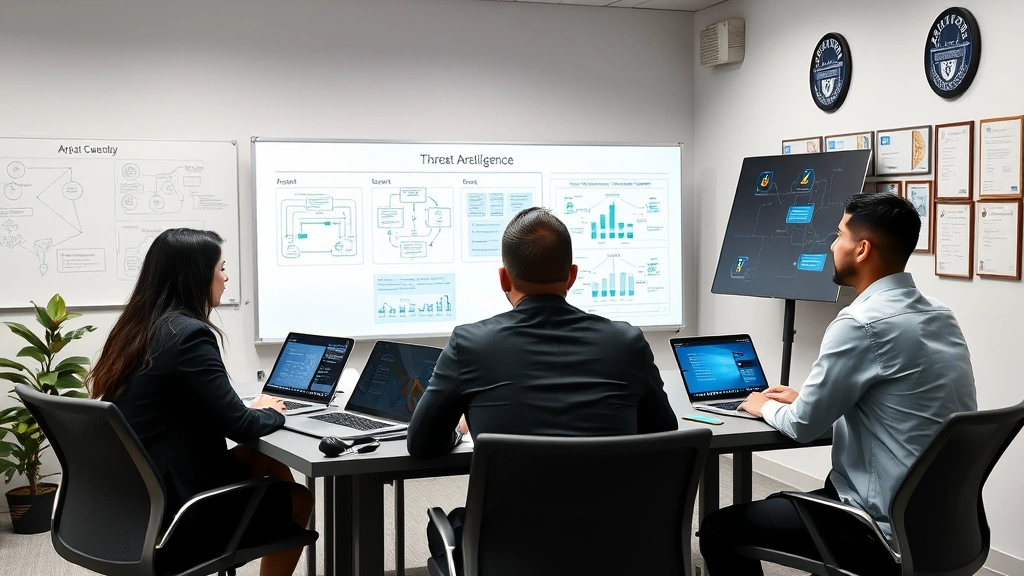
The human element remains irreplaceable in cybersecurity. Security operations center (SOC) analysts monitor networks 24/7, analyzing millions of events to identify genuine threats. These professionals develop the pattern recognition necessary to detect sophisticated attacks that automated systems might miss. Their vigilance serves as a critical line of defense for organizations worldwide.
Chief Information Security Officers (CISOs) and security architects shape organizational strategy, determining how resources are allocated and which risks receive priority attention. They balance business needs with security requirements, making difficult decisions that protect organizations while enabling innovation. This strategic perspective transforms individual efforts into comprehensive protection frameworks.
Penetration testers and red team operators intentionally attempt to compromise systems—but with authorization and the goal of strengthening defenses. By thinking like attackers, these professionals identify weaknesses before malicious actors exploit them. Their work represents proactive protection rather than reactive firefighting.
Incident response specialists possess the technical skills and composure necessary to contain and remediate breaches when prevention fails. They work under intense pressure, making split-second decisions that determine whether incidents result in minor disruptions or catastrophic data loss. Their expertise transforms crises into learning opportunities.
Consider visiting our ScreenVibe Daily Blog for insights into how digital security concepts intersect with broader technology trends, offering context for understanding why protection matters across all digital domains.
Technological Angels: AI and Automated Defense Systems
Artificial intelligence and machine learning have become increasingly central to modern cybersecurity. These technologies process vast datasets, identifying patterns humans couldn’t detect manually. Advanced threat detection systems analyze network traffic, endpoint behavior, and user activities in real-time, flagging anomalies that suggest compromise.
Machine learning models trained on historical attack data can predict which systems are most likely targets and which attack patterns are emerging. This predictive capability enables proactive hardening before vulnerabilities are exploited. Automated response systems can quarantine infected devices, block malicious traffic, and isolate compromised accounts within milliseconds—far faster than human reaction times allow.
Security Information and Event Management (SIEM) platforms aggregate logs from hundreds of sources, creating unified visibility across entire IT infrastructures. They correlate events across systems, revealing attack chains that would be invisible in isolated data streams. This comprehensive view enables defenders to understand not just that an attack occurred, but how it progressed and what damage resulted.
Endpoint Detection and Response (EDR) tools monitor individual devices, identifying malware, unauthorized privilege escalation, and suspicious process execution. Unlike traditional antivirus software that relies on signature databases, EDR systems use behavioral analysis to catch unknown threats. They serve as digital immune systems, protecting individual devices within larger networks.
Deception technology represents another innovative defensive approach. Honeypots—fake systems designed to look valuable—attract attackers while revealing their techniques and intentions. When attackers interact with honeypots, defenders gain intelligence about attack patterns without risk to actual systems. This inverted approach transforms attackers into unwitting security researchers.
The Role of Threat Intelligence and Vulnerability Research
Threat intelligence professionals and vulnerability researchers form a critical component of the cyber angel ecosystem. These specialists work to understand adversary capabilities, intentions, and infrastructure. They track threat actors across the internet, documenting their tools, techniques, and procedures (TTPs). This intelligence informs defensive strategies, allowing organizations to prioritize protection against threats most likely to target them.
Security researchers who discover vulnerabilities face a critical decision: responsible disclosure or exploitation. True cyber angels choose the former, working with vendors to develop patches before public disclosure. Organizations like CISA (Cybersecurity and Infrastructure Security Agency) coordinate vulnerability disclosures, ensuring patches reach organizations before attackers weaponize vulnerabilities.
Vulnerability databases maintained by organizations like NIST National Vulnerability Database provide comprehensive information about known weaknesses. Security teams use this data to prioritize patching efforts, focusing on vulnerabilities most likely to be exploited. The transparency enabled by responsible vulnerability research strengthens collective defense.
Bug bounty programs represent a modern manifestation of cyber angel principles. Companies invite security researchers to discover vulnerabilities, offering financial rewards for responsible disclosure. This approach leverages the creativity and motivation of the global security community, often discovering vulnerabilities that internal teams missed. Programs run by organizations like HackerOne and Bugcrowd have resulted in hundreds of thousands of vulnerabilities being fixed before public exploitation.
Ethical Hacking and Responsible Disclosure
Ethical hackers occupy a unique position in the cyber angel narrative. These skilled professionals possess the same technical abilities as malicious attackers but direct their talents toward defense. They operate within legal boundaries, obtaining explicit authorization before testing security controls. Their work represents the redemption arc within hacker culture—using technical prowess for constructive purposes.
Certified Ethical Hacker (CEH) and Offensive Security Certified Professional (OSCP) certifications formalize this role, establishing standards for ethical hacking practice. These credentials require not just technical skill but demonstrated commitment to ethical principles. Holders agree to work only on authorized systems and maintain confidentiality of discovered vulnerabilities.
Responsible disclosure frameworks provide structure for ethical researchers. Vulnerability discoverers typically follow a timeline: private notification to the affected vendor, a grace period for patch development, and public disclosure only after patches are available. This approach balances transparency—which enables the security community to learn—with protection for users who haven’t yet patched vulnerable systems.
The most effective cyber angels understand that collaboration with organizations they’re helping strengthens mutual defense. Rather than viewing vendors as adversaries, ethical hackers and researchers work as partners in the continuous process of improving security. This partnership model has proven far more effective than adversarial approaches at actually reducing breaches and protecting users.
Organizational Defense Strategies
Beyond individual heroes, cyber angels operate within organizational frameworks that systematize protection. Defense-in-depth strategies layer multiple security controls, ensuring that compromise of one system doesn’t result in complete breach. This approach reflects the understanding that perfect security is impossible, so defenses must be resilient to partial failure.
Security awareness training transforms employees into defenders rather than vulnerabilities. When users understand social engineering tactics, phishing techniques, and password security principles, they become the first line of defense. Organizations that invest in regular, engaging security training report significantly lower breach rates than those treating training as compliance checkbox.
Incident response plans document procedures for detecting, containing, and recovering from breaches. Organizations that have practiced these procedures through tabletop exercises respond far more effectively when actual incidents occur. The planning process itself—bringing together technical teams, executives, and legal counsel—strengthens organizational resilience.
Zero Trust architecture represents a modern evolution in defensive thinking. Rather than assuming everything inside the network perimeter is trustworthy, Zero Trust requires authentication and authorization for every access attempt, regardless of location. This approach acknowledges that perimeter-based security is insufficient in modern environments where users work remotely and data resides across multiple cloud services.
Configuration management ensures systems are deployed securely and maintained in hardened states. When organizations understand exactly what software runs on each system, what ports are open, and what permissions users possess, they can identify anomalies suggesting compromise. This visibility transforms security from reactive incident response to proactive threat hunting.
Limitations and Challenges
Despite their efforts, cyber angels face significant limitations. The asymmetry of cybersecurity—defenders must succeed everywhere while attackers need only find one weakness—creates an inherent disadvantage. Attackers choose when and where to strike, while defenders must maintain vigilance everywhere simultaneously.
Resource constraints plague many organizations. Security budgets remain insufficient relative to actual needs, forcing difficult prioritization decisions. Many organizations lack skilled security personnel, with the market unable to produce enough professionals to fill demand. This talent shortage means many organizations operate with inadequate defensive capabilities despite genuine commitment to security.
The speed of technological change outpaces the security community’s ability to adapt. New attack vectors emerge regularly. Cloud computing, containerization, artificial intelligence, and quantum computing all introduce security challenges that defenders are still learning to address. Cyber angels must continuously reskill and adapt, working in an environment of perpetual uncertainty.
Threat actors include nation-states with virtually unlimited budgets and access to top technical talent. When defending against adversaries with such resources, even well-resourced organizations struggle. The imbalance between state-sponsored attackers and organizational defenders creates scenarios where perfect defense becomes impossible.
Additionally, some individuals claiming the “cyber angel” label engage in vigilante activities that, while well-intentioned, operate outside legal boundaries. Unauthorized access to systems—even when discovering vulnerabilities—can result in criminal prosecution. The line between ethical hacking and unauthorized access remains contested in some jurisdictions, creating legal ambiguity that constrains well-meaning researchers.
The human element introduces additional vulnerabilities. Social engineering, insider threats, and supply chain compromises exploit organizational trust. No technological defense perfectly protects against determined humans willing to bypass controls. Cyber angels must address not just technical vulnerabilities but the social engineering and psychological manipulation that make technical defenses irrelevant.
The Verdict: Angels or Myth?
Cyber angels are neither pure myth nor complete reality—they exist in the space between. Real people with genuine expertise work tirelessly protecting digital infrastructure. Advanced technologies provide capabilities that seem almost magical in their effectiveness. Yet these protectors remain fundamentally constrained by the laws of mathematics, economics, and human nature.
The most honest answer is that cyber angels are real protectors with real limitations. They prevent millions of attacks daily, discovering vulnerabilities before exploitation, containing breaches before they spread, and strengthening defenses against emerging threats. Their work saves organizations billions in avoided losses and protects individuals’ privacy and identity.
However, they cannot eliminate security risks entirely. Breaches will continue occurring. Vulnerabilities will be exploited. The goal isn’t perfect security—an impossible standard—but rather continuous improvement in defensive capabilities and rapid response when prevention fails.
For organizations seeking to strengthen their digital protection, understanding how cyber angels operate enables better security investment decisions. Hire skilled security professionals. Invest in advanced detection tools. Establish incident response procedures. Partner with ethical security researchers. Support vulnerability disclosure frameworks. These actions collectively create the conditions where cyber angels—human and technological—can most effectively protect digital assets.
The cyber security community continues evolving, with new roles and specializations emerging regularly. Visit Secureworks threat intelligence resources to stay current on emerging threats and defense strategies. Understanding the threat landscape helps appreciate the work of those protecting it.
FAQ
Are cyber angels real people or just a metaphor?
Cyber angels are real people—security professionals, researchers, and incident responders who work to protect digital infrastructure. The term is also used metaphorically for advanced security technologies. Both interpretations are valid; the concept encompasses human expertise and technological capability working in concert.
What qualifications do cyber angels need?
Formal qualifications include certifications like CISSP, CEH, OSCP, and GIAC credentials. However, many cyber angels developed expertise through self-study and practical experience. The field values demonstrated skill and ethical commitment alongside formal credentials. Continuous learning is essential, as the threat landscape evolves constantly.
Can individuals become cyber angels?
Yes. Pursuing security certifications, developing programming and networking skills, participating in bug bounty programs, and contributing to open-source security projects all represent pathways to becoming a cyber angel. The field needs more skilled defenders; organizations actively recruit talented individuals willing to develop expertise.
Do cyber angels work for specific organizations or independently?
Cyber angels work in both contexts. Many are employees of organizations, government agencies, or security firms. Others operate independently as researchers, consultants, or bug bounty hunters. Some participate in volunteer security communities. The most effective defense ecosystems include defenders working across all these contexts.
How can organizations access cyber angel expertise?
Organizations can hire security professionals, contract with security firms, participate in bug bounty programs, and engage with threat intelligence services. Additionally, many security experts share knowledge through conferences, publications, and open-source projects. Building relationships with the broader security community strengthens organizational defenses.
What’s the difference between cyber angels and hackers?
The primary difference is intent and authorization. Cyber angels work with permission to strengthen security. Hackers typically work without authorization for personal gain or malicious purposes. Some individuals have worked as both—reformed hackers who redirected their talents toward defense. The distinction ultimately rests on ethical choices and legal compliance.
Are cyber angels effective at preventing breaches?
Cyber angels prevent countless breaches daily, but cannot eliminate all risk. Their effectiveness depends on organizational commitment to security, adequate resourcing, and implementation of their recommendations. Even the most skilled defenders cannot protect organizations that ignore security advice or fail to invest in necessary defenses.
How do cyber angels stay current with emerging threats?
Continuous education through conferences, training programs, and professional communities keeps cyber angels current. Many maintain certifications requiring ongoing education credits. Threat intelligence sharing, security research, and practical experience with new attack patterns all contribute to maintaining expertise in a rapidly evolving field.


