Is American Secure? Comprehensive Cybersecurity Expert Analysis
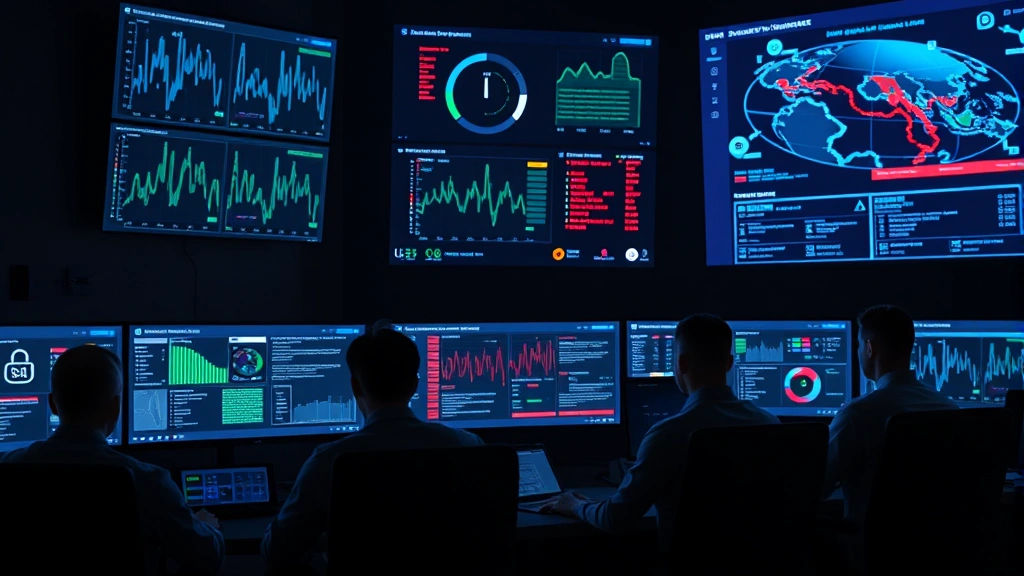
The question of whether America is secure in the digital age has become increasingly urgent as cyber threats evolve at unprecedented speeds. From critical infrastructure attacks to massive data breaches affecting millions of citizens, the cybersecurity landscape facing the United States presents both significant vulnerabilities and ongoing defensive efforts. This comprehensive analysis examines the current state of American cybersecurity, the threats we face, and what experts recommend to strengthen our digital defenses.
As an industry, cybersecurity professionals grapple with a paradox: while American companies and government agencies invest billions in security infrastructure, sophisticated threat actors continue to breach even well-defended systems. Understanding whether America is truly secure requires examining multiple dimensions—from federal government protections to private sector vulnerabilities, from individual user awareness to organizational readiness. The answer is complex and demands nuanced analysis rather than simple yes or no conclusions.

Current State of American Cybersecurity Infrastructure
The current cybersecurity posture of the United States reflects decades of investment, regulatory frameworks, and organizational learning from past breaches. The Cybersecurity and Infrastructure Security Agency (CISA), established within the Department of Homeland Security, serves as the primary federal civilian agency responsible for cybersecurity and infrastructure protection. CISA coordinates threat intelligence sharing, manages incident response, and develops national cybersecurity standards.
However, the infrastructure remains fragmented across multiple agencies, private companies, and state governments. This fragmentation creates both redundancy—which can improve resilience—and coordination challenges. The National Institute of Standards and Technology (NIST) provides comprehensive cybersecurity frameworks and guidelines that organizations use to structure their security programs. Many American companies have adopted or adapted these frameworks, though compliance levels vary significantly across industries and organization sizes.
The financial investment in cybersecurity continues to grow, with American organizations spending over $150 billion annually on security measures. Despite this substantial investment, security breaches remain frequent, suggesting that funding alone does not guarantee protection. The challenge lies not merely in the amount of money spent but in how effectively it addresses evolving threats and implementation gaps across diverse systems.
Major Threats Facing American Systems
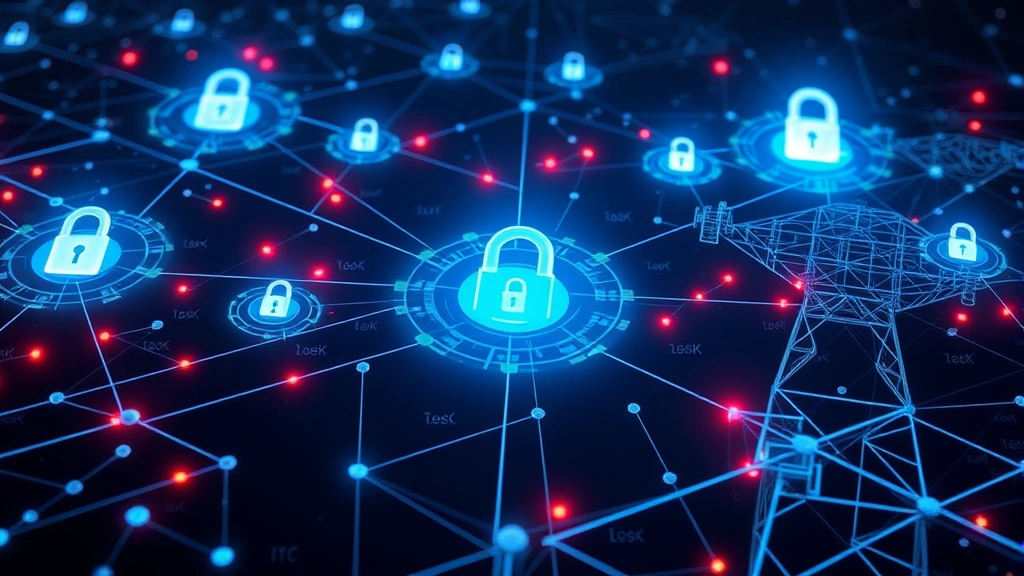
Understanding whether America is secure requires examining the specific threats that security professionals must defend against daily. These threats range from financially motivated cybercriminals to state-sponsored actors with geopolitical objectives. The threat landscape has become increasingly sophisticated, with attackers employing artificial intelligence, zero-day exploits, and supply chain compromises.
Ransomware attacks represent one of the most significant and growing threats to American organizations. These attacks have targeted hospitals, school districts, municipal governments, and major corporations, sometimes resulting in operational shutdowns that endanger lives. The FBI and CISA maintain detailed guidance on ransomware threats, warning that attacks have become more aggressive and damaging. Attackers increasingly combine encryption with data theft, threatening to release stolen information if ransom demands are not met.
State-sponsored cyber operations pose another critical threat layer. Foreign adversaries—particularly China, Russia, Iran, and North Korea—conduct espionage operations targeting American government agencies, defense contractors, and technology companies. These operations aim to steal intellectual property, gain intelligence advantages, and potentially establish access for future offensive operations. The sophistication of these campaigns often exceeds that of criminal groups, with state actors willing to invest significant resources in long-term infiltration.
Supply chain attacks have emerged as a particularly insidious threat vector. By compromising software providers, hardware manufacturers, or service providers, attackers can distribute malicious code to thousands of organizations simultaneously. The SolarWinds incident, where Russian-linked actors compromised a widely-used software update, demonstrated the cascading consequences possible through supply chain vulnerabilities affecting American government agencies and private companies alike.
Critical Infrastructure Vulnerabilities
Critical infrastructure—including power grids, water systems, transportation networks, and financial systems—represents the backbone of American economic and social functioning. Vulnerabilities in these systems pose existential risks to national security and public safety. Many critical infrastructure systems were designed decades ago without cybersecurity as a primary consideration, creating inherent vulnerabilities that are difficult and expensive to remediate.
The electric grid, for instance, operates increasingly through networked digital systems that offer efficiency gains but also attack surfaces. Attacks on power distribution systems could theoretically impact millions of Americans, disrupting hospitals, emergency services, and supply chains. CISA has documented increasing reconnaissance activities against American power infrastructure by foreign actors, suggesting potential preparation for future attacks.
Water treatment facilities present similarly concerning vulnerabilities. Many operate with aging infrastructure, limited cybersecurity budgets, and small IT staffs. An attack on water treatment could compromise public health on a massive scale. Financial systems, while generally well-protected due to regulatory requirements and high-value targets, remain under constant attack pressure from sophisticated threat actors seeking to steal funds or disrupt markets.
Transportation systems, including aviation and rail networks, contain critical vulnerabilities that could endanger thousands of lives if compromised. The aviation industry has invested heavily in cybersecurity, but emerging technologies like connected vehicles and autonomous systems introduce new attack vectors that security professionals are still learning to defend against.
Private Sector Security Posture
The private sector bears responsibility for protecting a significant portion of American critical infrastructure and sensitive data. Private companies operate the networks that manage financial transactions, store personal information, deliver energy, and provide communications. The security posture across American private companies varies dramatically based on industry, company size, and leadership commitment to cybersecurity.
Large technology companies and financial institutions generally maintain sophisticated security programs with dedicated security teams, advanced threat detection, and regular security testing. These organizations can afford to hire experienced security professionals and invest in cutting-edge defensive technologies. However, smaller organizations often lack these resources, making them attractive targets for attackers seeking easier entry points.
The healthcare industry presents particular challenges, as hospitals and medical device manufacturers must balance security with patient care operations. Ransomware attacks on hospitals have forced patient diversions, delayed surgeries, and in some cases, contributed to patient deaths. The healthcare sector faces unique pressures: legacy systems that cannot be easily updated, life-critical operations that cannot tolerate downtime, and financial constraints that limit security investments.
Retail and e-commerce companies have suffered massive breaches affecting hundreds of millions of customers. These breaches exposed credit card data, personal information, and passwords. While companies have improved security measures in response to regulatory pressure and reputational damage, the fundamental challenge remains: balancing security with customer convenience and business operations.
Government and Military Cyber Defense
The federal government operates sophisticated cyber defense capabilities, including the National Security Agency (NSA), U.S. Cyber Command, and agency-specific security teams. These organizations employ some of the nation’s most skilled cybersecurity professionals and operate with budgets that dwarf private sector security spending. The government maintains classified threat intelligence and conducts offensive cyber operations against adversaries.
However, government agencies themselves have experienced significant breaches. The Office of Personnel Management breach in 2015 compromised security clearance information for millions of federal employees and contractors. More recently, foreign actors have successfully infiltrated government systems, as evidenced by the discovery of Chinese espionage operations targeting sensitive government networks.
The military has established U.S. Cyber Command as a unified combatant command focused on military cyber operations. This organization coordinates cyber defense across military networks and conducts offensive operations against adversaries. The military’s security posture benefits from classified technologies and capabilities unavailable to the private sector, but also faces unique challenges related to operational security and the need to maintain communications during potential conflicts.
State and local governments represent a significant vulnerability in the overall American cybersecurity posture. Many state agencies and municipal governments operate with limited cybersecurity resources and outdated infrastructure. Attackers have increasingly targeted these organizations, knowing they often lack sophisticated defenses and may be willing to pay ransoms to restore critical services.
Consumer and Individual Security Challenges
Individual Americans face unprecedented security challenges in protecting their personal information and digital assets. The average person manages dozens of online accounts, each requiring passwords and security practices. Many individuals reuse passwords across multiple services, use weak passwords, and fail to enable multi-factor authentication—all practices that significantly increase compromise risk.
Social engineering attacks exploit human psychology rather than technical vulnerabilities, making them highly effective despite technical security measures. Phishing emails, pretexting, and other manipulation tactics convince individuals to reveal credentials or download malicious software. These attacks succeed at remarkable rates, with security awareness training helping but never completely eliminating the problem.
Mobile device security presents another critical gap in American cybersecurity. Smartphones store vast amounts of personal information, financial data, and authentication credentials. Many users fail to keep their devices updated with security patches, use public WiFi networks without VPN protection, and install apps from untrusted sources. These practices create vulnerabilities that attackers actively exploit.
Data breaches continue to expose Americans’ personal information at scale. Social security numbers, financial account information, health records, and personal details have been compromised in breaches affecting major retailers, healthcare providers, and government agencies. Once compromised, this information enables identity theft, fraud, and social engineering attacks against the affected individuals.
Emerging Technologies and Future Security
Artificial intelligence and machine learning are transforming both defensive and offensive cybersecurity capabilities. AI-powered security tools can detect anomalous behavior, identify potential threats, and respond to incidents faster than human analysts. However, attackers are also leveraging AI to generate more convincing phishing emails, automate reconnaissance, and adapt their attacks in real-time based on defensive responses.
Quantum computing represents a long-term threat to current encryption standards. Once quantum computers achieve sufficient capability, they will be able to break the RSA encryption that currently protects sensitive government and financial communications. The cybersecurity community is working to develop and implement quantum-resistant encryption, but the transition will require substantial effort and coordination across government and industry.
Internet of Things (IoT) devices proliferate throughout American homes, businesses, and infrastructure, often with minimal security. Smart home devices, industrial control systems, and connected medical devices create new attack vectors. Many IoT devices receive infrequent security updates or no updates at all, leaving known vulnerabilities unpatched indefinitely.
5G networks will enable faster communications and new applications, but also introduce new security challenges. The expanded attack surface, increased complexity, and reliance on software-defined networking create opportunities for attackers. Ensuring secure 5G deployment requires coordination between government, telecommunications companies, and equipment manufacturers.
Expert Recommendations for Improvement
Cybersecurity experts broadly agree on several recommendations for strengthening American security posture. First, increasing investment in cybersecurity education and workforce development is essential. The nation faces a significant shortage of qualified security professionals, limiting the ability of organizations to implement and maintain effective security programs. Universities, community colleges, and vocational programs should expand cybersecurity training to develop the workforce needed for the future.
Second, establishing and enforcing minimum security standards across critical infrastructure and regulated industries is necessary. While NIST frameworks provide guidance, many organizations lack the incentive or resources to implement comprehensive security measures. Regulatory requirements should establish baseline security expectations that all organizations must meet, with penalties for non-compliance and breaches resulting from negligence.
Third, improving information sharing between government and private sector enables faster threat detection and response. The Automated Indicator Sharing (AIS) program facilitates real-time threat information exchange, but participation remains inconsistent. Expanding and incentivizing participation in threat intelligence sharing programs would improve collective defense capabilities.
Fourth, modernizing legacy systems and infrastructure must become a priority for government and critical infrastructure operators. Many vulnerabilities exist in aging systems that are difficult to patch or secure. Systematic replacement of legacy systems with modern, secure alternatives would significantly improve overall security posture, though the cost and operational challenges are substantial.
Fifth, implementing mandatory breach notification requirements with strict timelines encourages organizations to detect breaches quickly and notify affected parties. Sunlight serves as a disinfectant, and transparency about security failures creates market pressure for organizations to improve security practices.
Finally, promoting security awareness and training across all organizational levels is essential. Technical security controls are necessary but insufficient without complementary human awareness. Regular training, simulated phishing campaigns, and security culture development help organizations reduce human-exploitable vulnerabilities.
FAQ
Is the United States government vulnerable to cyberattacks?
Yes, the U.S. government faces constant cyber threats from foreign adversaries and criminal actors. While government agencies operate sophisticated defenses, successful breaches have compromised sensitive information. Continued investment in cyber defense capabilities and improved coordination across agencies are necessary to strengthen government security posture.
What are the most common cyberattacks affecting Americans?
The most common attacks include phishing emails, ransomware, credential theft, and malware distribution. These attacks often target individuals and small organizations, which lack sophisticated defenses. Ransomware attacks on critical infrastructure have increased significantly, targeting hospitals, schools, and municipal governments.
How can individuals protect themselves from cyber threats?
Individuals should enable multi-factor authentication on important accounts, use strong and unique passwords, keep devices updated with security patches, avoid clicking suspicious links or downloading attachments from unknown sources, and use reputable antivirus software. Additionally, regularly monitoring financial accounts for unauthorized activity helps detect compromise quickly.
What role does cybersecurity play in national security?
Cybersecurity is now integral to national security. Attacks on critical infrastructure could disrupt essential services, compromise military capabilities, or enable espionage. As adversaries develop sophisticated cyber capabilities, maintaining strong cybersecurity defenses becomes essential for protecting American interests and defending against hostile actions.
Are American companies adequately securing customer data?
Security practices vary significantly across American companies. Large technology and financial companies generally maintain strong security programs, while smaller organizations often lack adequate resources and expertise. High-profile breaches continue to expose millions of customers to identity theft and fraud, suggesting that many organizations need to improve their security practices and transparency.


