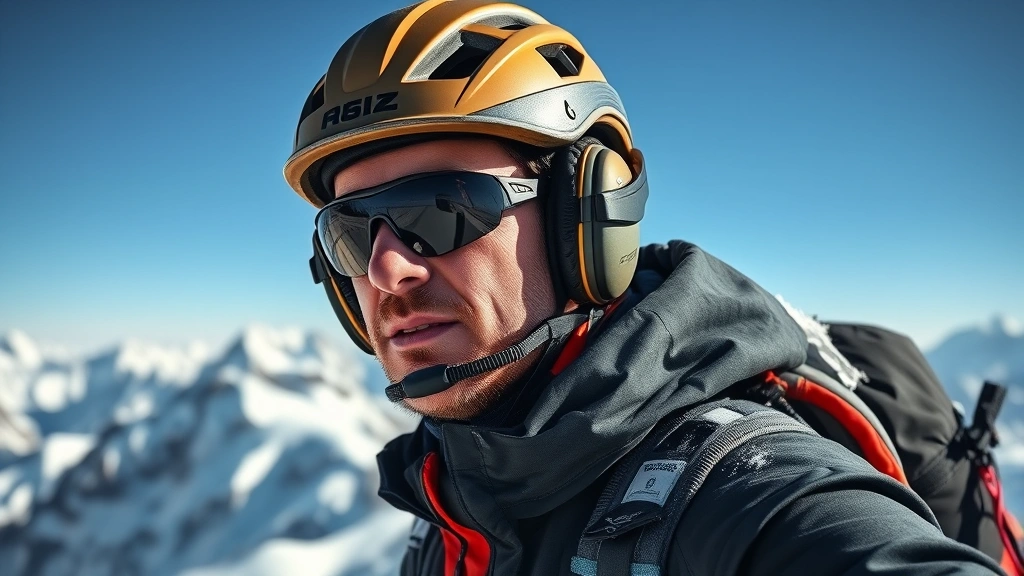
Is Your Hearing Safe? Expert Alpine Tips for Hearing Protection
Hearing protection in alpine environments represents a critical yet often overlooked aspect of outdoor safety. Whether you’re hiking at high elevations, working in mountain industries, or enjoying alpine recreation, your auditory health faces unique challenges from wind noise, altitude effects, and environmental factors. The combination of thin air, temperature fluctuations, and constant acoustic exposure creates conditions that demand specialized hearing protection strategies.
Alpine hearing protection goes beyond standard earplugs. The unique acoustic environment of mountainous terrain, coupled with physiological changes at altitude, requires a comprehensive understanding of both the threats and the solutions. This guide explores expert-recommended approaches to safeguarding your hearing while maintaining situational awareness and comfort during alpine activities.
Understanding how to protect your hearing in alpine settings ensures you can enjoy mountain experiences safely while preventing long-term auditory damage. From selecting appropriate protective equipment to understanding altitude-related hearing risks, this comprehensive resource provides actionable strategies backed by audiology principles.
Understanding Alpine Hearing Risks
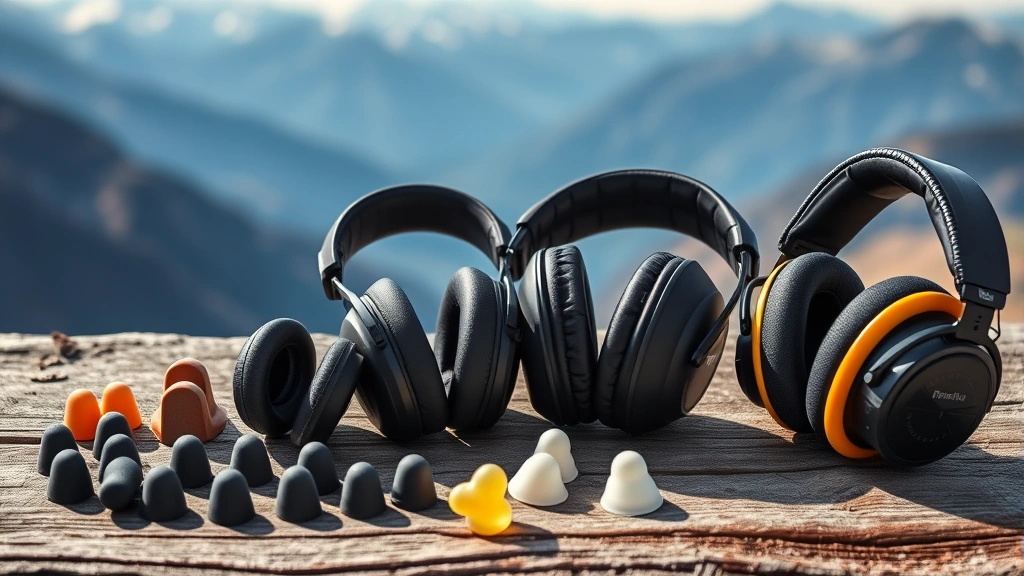
Alpine environments present distinct auditory hazards that differ significantly from lowland settings. Wind speeds increase dramatically with elevation, and the thin atmosphere creates acoustic conditions that amplify certain frequencies while distorting others. Sustained wind noise exposure at high altitudes can reach dangerous decibel levels, potentially causing noise-induced hearing loss with prolonged exposure.
The primary hearing risks in alpine settings include:
- Wind noise exposure: Mountain winds can generate sustained noise levels of 70-90 decibels, comparable to heavy traffic
- Altitude-related pressure changes: Fluctuating atmospheric pressure affects middle ear function and hearing clarity
- Temperature extremes: Cold temperatures can affect earwax consistency and compromise protective mechanisms
- Low humidity: Dry alpine air can cause ear canal irritation and increase susceptibility to infections
- Equipment noise: Climbing gear, crampons, and technical equipment generate additional acoustic stress
Research from audiology institutions demonstrates that prolonged alpine exposure without protection increases cumulative hearing damage risk. Unlike sudden loud events, alpine hearing damage develops gradually through continuous exposure to moderately elevated noise levels.
Types of Alpine Hearing Protection Equipment
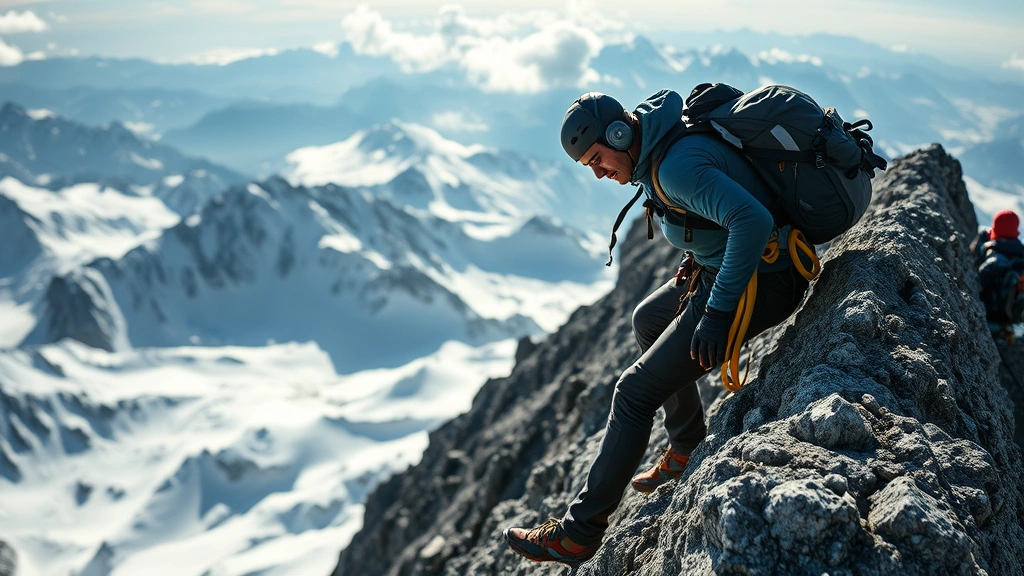
Selecting appropriate hearing protection for alpine environments requires understanding different equipment categories and their specific applications. The best choice depends on your activity level, duration of exposure, and need for situational awareness.
Foam Earplugs: Traditional foam earplugs offer excellent noise reduction coefficients (NRC) of 25-33 decibels. However, they completely block ambient sound, which can compromise safety awareness during alpine activities. They work best for static situations like sleeping at base camps or high-altitude resting periods.
Custom-Molded Earplugs: Professionally fitted earplugs provide superior comfort and seal consistency compared to generic options. Custom options allow for selective frequency filtering, enabling protection against wind noise while maintaining ability to hear important audio cues like avalanche rumble or equipment warnings.
Earmuffs and Over-Ear Protectors: Padded earmuffs provide adjustable protection and are easier to remove temporarily. However, they can be uncomfortable under climbing helmets and may cause pressure-related ear discomfort during extended wear at altitude. Some modern designs integrate with helmets for streamlined protection.
Headband-Style Protectors: These hybrid designs combine the adjustability of earmuffs with reduced pressure points. They’re particularly useful for alpine mountaineering where helmet compatibility matters. Many feature removable padding for temperature regulation.
Noise-Canceling Solutions: Active noise cancellation technology can selectively reduce wind noise while amplifying important low-level sounds. These require power sources and represent premium options but offer sophisticated hearing management for serious alpine enthusiasts.
Visit the ScreenVibeDaily Blog for information about protecting your senses during various activities, including audio-related content.
Altitude and Hearing: The Connection
The relationship between altitude and hearing function involves complex physiological mechanisms. As elevation increases, atmospheric pressure decreases, affecting how sound waves propagate through air and how your middle ear maintains pressure equilibrium.
The Eustachian tube, which regulates middle ear pressure, becomes less efficient at high altitudes. This creates conditions where even moderate noise exposure can cause greater perceptual stress on the auditory system. Additionally, reduced oxygen availability at altitude affects metabolic processes in the inner ear, potentially increasing susceptibility to noise damage.
Studies on high-altitude mountaineers reveal that individuals exposed to sustained alpine noise experience more pronounced temporary threshold shifts compared to sea-level controls. This suggests that altitude amplifies hearing stress from environmental noise exposure.
Pressure changes during ascent and descent also affect hearing comfort. Many alpine travelers experience temporary hearing reduction and ear fullness during altitude changes. Proper equalization techniques and hearing protection can minimize these effects and prevent barotrauma-related hearing complications.
The thin alpine air creates additional acoustic challenges. Wind noise contains more high-frequency energy at altitude due to atmospheric composition changes. This frequency concentration makes standard hearing protection less effective unless specifically designed for alpine conditions.
Proper Fitting and Maintenance
Correct hearing protection fitting determines effectiveness. Poorly fitted protection provides minimal benefit and may cause discomfort that discourages consistent use. Alpine-specific fitting considerations include helmet compatibility, cold-weather adjustments, and altitude-related changes in ear canal dimensions.
Fitting Guidelines:
- Measure ear canal dimensions at your base altitude and expected summit elevation, as pressure changes can affect canal size
- Test protection fit while wearing your climbing helmet to ensure compatibility and seal integrity
- Verify that protection doesn’t interfere with helmet straps or communication equipment
- Ensure adequate insertion depth for foam plugs—improper insertion reduces effectiveness by up to 50 percent
- Check seal integrity by performing the “sound occlusion test” at multiple altitudes
Maintenance in Alpine Conditions:
Alpine environments present unique maintenance challenges. Cold temperatures make foam earplugs brittle and less effective at creating proper seals. Store protection in insulated cases and allow them to reach ambient temperature before insertion. Moisture accumulation from sweat or condensation can compromise seal quality—carry moisture-absorbing packets or switch plugs periodically during extended use.
Regular cleaning prevents earwax and debris accumulation that reduces protection effectiveness. Use gentle alcohol-based wipes for removable components and replace foam inserts every 2-3 weeks during regular use. Custom earplugs require professional cleaning every few months to maintain optimal function.
Inspect protection equipment for damage before alpine trips. Cracks, compression damage, or degraded foam significantly reduce protection effectiveness. Replace damaged equipment immediately rather than attempting field repairs.
Balancing Protection with Situational Awareness
Complete hearing isolation during alpine activities creates dangerous situations. You need to hear avalanche warnings, partner communications, equipment failures, and environmental hazards. Effective alpine hearing protection requires balancing noise reduction with safety awareness.
Selective Protection Strategies:
- Directional protection: Use asymmetrical protection, protecting only one ear from wind noise while maintaining open communication capability on the other side
- Removable solutions: Employ quickly removable protection that you can adjust based on activity intensity and hazard assessment
- Frequency-selective filtering: Choose protection that specifically targets wind noise frequencies while preserving speech and warning sounds
- Communication-integrated systems: Use headsets with integrated hearing protection that maintain two-way communication while reducing ambient noise
- Situational adjustment: Increase protection during high-noise activities like climbing near waterfalls or during strong wind periods, and reduce it during navigation or technical sections requiring full awareness
Experienced alpine professionals recommend maintaining 50-70 percent hearing capability during most activities. This level provides meaningful noise reduction while preserving critical auditory situational awareness. Increase to full protection only during clearly identified high-noise, low-hazard periods.
Communication protocols become especially important when wearing hearing protection. Establish clear hand signals and visual cues with partners before ascending. Use higher-visibility markers and frequent position checks to compensate for reduced audio communication. For extended trips, establish checkpoint systems independent of verbal communication.
Best Practices for Extended Alpine Activities
Extended alpine exposure demands comprehensive hearing protection strategies that adapt to changing conditions and activity levels. Multi-day mountaineering expeditions require different approaches than single-day alpine hiking.
Pre-Trip Preparation:
Establish baseline hearing levels before extended alpine exposure. Audiology baseline testing provides reference points for assessing any hearing changes post-expedition. This documentation becomes valuable for tracking long-term hearing health and identifying problematic exposure patterns.
Select multiple protection options for different activity phases. Bring compact foam plugs for sleeping and rest periods, custom earplugs for climbing, and earmuffs for static camp activities. This variety ensures you can optimize protection for each situation without compromising comfort or safety.
Test all equipment at altitude before committing to critical sections. What works at sea level may function differently at 12,000 feet. Schedule test periods during acclimatization days when you can assess comfort, seal integrity, and effectiveness without critical safety implications.
During Alpine Activities:
Rotate protection types every 2-3 hours to prevent pressure-related discomfort and ear canal irritation. Continuous earplug use can cause temporary ear canal edema; alternating with brief protection-free periods allows recovery. This approach maintains protection while preventing cumulative discomfort issues.
Monitor for signs of hearing stress: tinnitus, ear fullness, or reduced hearing clarity may indicate excessive noise exposure or inadequate protection. Respond by increasing protection level or reducing exposure duration. Persistent symptoms warrant descent and medical evaluation.
Maintain consistent ear hygiene during extended trips. Use alcohol-based wipes to clean ear canal entrances (never insert anything deep into the canal). This prevents infection risk from moisture and debris accumulation that increases during alpine activities.
Document exposure conditions and protection effectiveness in your expedition log. Note wind speeds, protection choices, comfort levels, and any hearing-related symptoms. This information helps refine your approach for future alpine ventures and identifies problematic exposure patterns.
Learn more about protecting your senses by reviewing family-appropriate content that discusses safety topics, or explore expert review resources for comprehensive safety guidance.
Post-Trip Recovery:
Allow 12-24 hours of quiet recovery after extended alpine exposure. Continued noise exposure immediately after high-altitude trips prevents hearing system recovery. Spend time in quiet environments and avoid additional noise sources during this recovery period.
Schedule post-expedition audiology assessment if you engaged in extended alpine activities. Temporary threshold shifts should resolve within hours, but persistent hearing changes warrant professional evaluation to identify any permanent damage and adjust future protection strategies.
Clean and properly store all hearing protection equipment. Dry foam inserts completely before storage to prevent mold growth. Store custom earplugs in protective cases with desiccant packets. Proper storage extends equipment lifespan and maintains seal integrity for future use.
FAQ
What decibel level constitutes dangerous noise exposure at altitude?
Sustained exposure to noise levels above 85 decibels increases hearing damage risk, with greater risk at higher exposures. Alpine wind noise typically ranges 70-90 decibels depending on conditions. At altitude, physiological factors make even 70-75 decibel exposure more stressful than sea-level equivalents, warranting protection earlier and at lower thresholds.
Can altitude affect hearing protection effectiveness?
Yes, altitude significantly impacts protection effectiveness. Reduced atmospheric pressure changes how sound waves propagate, potentially reducing some protection benefits while increasing others. Custom protection designed for specific altitude ranges performs better than generic solutions. Test your protection at your intended altitude during acclimatization periods.
Should I wear hearing protection during sleep at alpine camps?
Protection during sleep depends on ambient noise levels. If wind noise or nearby equipment generates sustained noise above 70 decibels, protection improves sleep quality and hearing recovery. Use comfortable foam plugs or earmuffs designed for sleeping to avoid pressure-related discomfort during extended wear.
How do I know if my hearing protection fits correctly?
Properly fitted foam plugs should create an audible “pop” when inserted and removed, indicating complete ear canal seal. Perform the sound occlusion test: speak normally with protection inserted—your voice should sound noticeably louder inside your head if the seal is adequate. Custom earplugs should fit comfortably without gaps or pressure points.
What’s the difference between NRR and actual noise reduction?
Noise Reduction Rating (NRR) represents laboratory-tested protection under ideal conditions. Real-world protection is typically 50 percent lower due to improper fitting, seal gaps, and individual ear canal variations. A 30 NRR earplug might provide only 15 decibels actual reduction if not perfectly fitted.
Can I use hearing protection with a climbing helmet?
Yes, but compatibility requires planning. Choose protection that doesn’t interfere with helmet straps or create pressure points under the helmet. Earmuffs integrated into helmet designs or thin custom earplugs work best. Test the combination before alpine use to ensure comfort and seal integrity.
How often should I replace hearing protection equipment?
Replace foam earplugs every 2-3 weeks during regular use; they lose elasticity and seal effectiveness over time. Custom earplugs last 1-2 years with proper care. Earmuff padding should be replaced annually if used regularly. Inspect all equipment before each alpine trip and replace any showing damage or degradation.


