
Allied Universal: Protecting Your Data Securely
Allied Universal stands as one of North America’s largest security services providers, protecting millions of people and assets daily. With operations spanning thousands of facilities, the organization handles sensitive information across physical security, access control systems, and digital infrastructure. Understanding how Allied Universal security officer protocols protect your data is essential in today’s threat landscape, where breaches compromise personal information at alarming rates.
Data security isn’t just about firewalls and passwords—it’s a comprehensive approach involving trained personnel, technological safeguards, and stringent compliance frameworks. Allied Universal integrates these elements to create layered defenses protecting client information from unauthorized access, theft, and exploitation.
This comprehensive guide explores how Allied Universal maintains data security standards, the role of security officers in protection protocols, and best practices for safeguarding your information in their care.
Understanding Allied Universal’s Security Infrastructure
Allied Universal operates one of the most sophisticated security ecosystems in the private sector. Their infrastructure combines physical security personnel with advanced technological systems, creating multiple defensive layers. The organization manages access to sensitive locations, monitors surveillance systems, and maintains databases containing personal information of employees, contractors, and clients.
The company’s security infrastructure relies on integrated platforms that coordinate information across multiple systems. This integration creates both advantages and vulnerabilities. While centralized systems enable faster response times and comprehensive threat detection, they also represent significant targets for cybercriminals. Allied Universal addresses this through CISA-recommended security frameworks and industry-standard encryption protocols.
Their data centers employ redundant systems, backup power supplies, and climate-controlled environments protecting critical infrastructure. Physical security measures include biometric access controls, surveillance monitoring, and restricted entry protocols. These measures work alongside digital safeguards to create comprehensive protection against both external threats and insider risks.
Allied Universal invests significantly in security operations centers (SOCs) staffed by trained analysts monitoring threats 24/7. These facilities track suspicious activities, investigate anomalies, and coordinate responses to security incidents. The organization’s commitment to continuous monitoring demonstrates understanding that data protection requires constant vigilance.
The Role of Allied Universal Security Officers
An Allied Universal security officer serves as the frontline defense protecting facilities and data assets. These professionals undergo extensive training covering physical security, threat assessment, emergency response, and increasingly, cybersecurity awareness. While many perceive security officers as purely physical protectors, modern professionals understand that data security intersects directly with facility protection.
Security officers monitor access points, verify credentials, and prevent unauthorized entry to facilities housing sensitive information. Their vigilance prevents social engineering attacks where malicious actors attempt gaining physical access to servers, networking equipment, or documents containing valuable data. A trained security officer recognizes suspicious behavior, questions unfamiliar individuals, and follows chain-of-custody procedures protecting sensitive materials.
Allied Universal security officers receive training on NIST cybersecurity frameworks adapted for physical security contexts. They understand data classification systems, recognize phishing attempts, and report security incidents through proper channels. This cybersecurity awareness transforms security officers from passive observers into active participants in organizational defense strategies.
The role has evolved significantly. Modern security officers utilize mobile applications, access control systems, and incident reporting software. They manage visitor logs, maintain equipment inventories, and coordinate with IT security teams during investigations. This technological integration means security officers increasingly handle digital information requiring the same protection standards as physical assets.
Allied Universal implements rigorous background checks, ongoing training, and performance evaluations ensuring security officers maintain high standards. Certifications like the Professional Certified Investigator (PCI) credential demonstrate commitment to excellence and professional development within the security industry.
Data Protection Standards and Compliance
Allied Universal operates under multiple regulatory frameworks governing data protection. Depending on client industries and data types handled, the organization must comply with HIPAA (healthcare), PCI-DSS (payment card information), SOC 2 (service organization controls), and various state-level privacy laws. This complex compliance landscape requires sophisticated management systems and continuous monitoring.
The organization maintains detailed documentation of data handling procedures, access logs, and security incidents. Regular audits by independent third parties verify compliance with stated standards. These audits examine everything from password management policies to incident response procedures, ensuring no gaps exist in protective frameworks.
Allied Universal implements encryption standards protecting data both in transit and at rest. Data traveling across networks uses TLS 1.2 or higher encryption protocols, while stored information employs AES-256 encryption or equivalent standards. These technical controls prevent unauthorized parties from reading sensitive information even if they obtain access to systems.
The organization maintains information security policies addressing data classification, access controls, incident response, and employee training. These policies establish clear expectations for how employees handle information, what constitutes appropriate access, and procedures for reporting security concerns. Regular policy reviews ensure standards remain current with evolving threats.
Allied Universal’s commitment to compliance extends beyond minimum requirements. The organization participates in industry working groups, contributes to standard development, and shares threat intelligence with peer organizations. This collaborative approach strengthens the entire security industry while improving protection for Allied Universal clients.
” alt=”Cybersecurity professional monitoring security operations center with multiple displays showing real-time threat data and network activity dashboards in a darkened control room environment”>
Access Control and Authentication Systems
Modern data protection depends on sophisticated access control systems determining who can access what information. Allied Universal implements multi-factor authentication requiring users to provide multiple forms of identification before accessing sensitive systems. This approach—combining something you know (passwords), something you have (security tokens), and something you are (biometric data)—significantly reduces unauthorized access risks.
The organization utilizes role-based access control (RBAC) systems granting employees only the permissions necessary for their job functions. A security officer monitoring building entrances doesn’t need access to human resources databases, just as accounting personnel don’t require access to security camera footage. This principle of least privilege minimizes damage if individual credentials become compromised.
Allied Universal implements privileged access management (PAM) solutions controlling access to high-value systems and data. Administrative accounts receive enhanced scrutiny, requiring additional authentication steps and creating detailed audit trails of all actions. This specialized protection recognizes that compromised administrative accounts pose existential threats to organizational security.
The organization maintains comprehensive audit logs recording all access attempts, successful authentications, and data retrieval activities. These logs serve dual purposes: enabling investigation of security incidents and demonstrating compliance with regulatory requirements. Log management systems automatically alert security teams to suspicious patterns, such as failed authentication attempts or unusual access times.
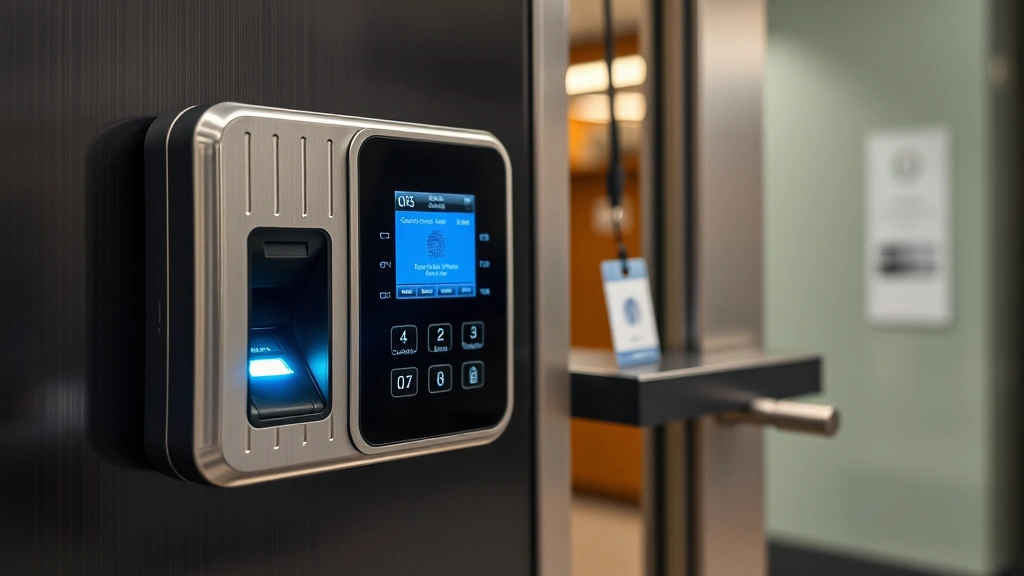
Physical access control systems complement digital authentication. Badge readers, biometric scanners, and security checkpoints prevent unauthorized individuals from reaching facilities housing servers and sensitive equipment. Integration between physical and digital access systems creates unified security ecosystems where attempts to breach one trigger alerts across multiple systems.
Incident Response and Breach Management
Despite robust preventive measures, security incidents occasionally occur. Allied Universal maintains detailed incident response procedures enabling rapid identification, containment, investigation, and recovery. These procedures minimize damage and reduce the window of vulnerability during which attackers might access additional information.
When security incidents occur, trained response teams activate predetermined protocols. Initial responders isolate affected systems, preventing spread of malware or unauthorized access. Forensic specialists examine systems to understand attack methods, determine what information was accessed, and identify the responsible parties. This investigation informs both immediate containment efforts and long-term preventive improvements.
Allied Universal maintains communication plans for notifying affected individuals when breaches compromise personal information. These notifications comply with applicable laws, provide clear information about what occurred, and offer resources like credit monitoring services. Transparent communication maintains trust even during security incidents.
The organization conducts post-incident reviews examining what security controls failed, why they failed, and how similar incidents can be prevented. These reviews drive continuous improvement, transforming incidents into learning opportunities. Security teams update policies, enhance technical controls, and provide additional training addressing vulnerabilities exposed by incidents.
Allied Universal participates in information sharing initiatives, reporting threat intelligence to CISA and other agencies investigating cybercrimes. This collaborative approach helps law enforcement pursue attackers while warning other organizations about emerging threats. Contributing to collective defense strengthens security across the entire industry.
Best Practices for Data Security
Organizations relying on Allied Universal services can implement complementary security practices strengthening overall protection. Understanding security fundamentals helps clients make informed decisions about data sharing and security requirements.
First, implement strong password policies within your organization. Passwords should be complex, unique, and changed regularly. Password managers help employees maintain numerous strong passwords without writing them down or reusing credentials across systems. This practice prevents cascading breaches where a compromised password grants access to multiple systems.
Second, provide regular security awareness training for all employees. Most data breaches result from human error—clicking malicious links, falling for phishing scams, or mishandling sensitive information. Training reduces these risks by educating employees about threats and proper security practices. Allied Universal security officers can facilitate such training, sharing real-world examples from their experience.
Third, maintain detailed inventories of what data you collect and where it’s stored. Understanding your data landscape enables you to implement appropriate protection levels and ensure compliance with applicable regulations. Many organizations discover they’re collecting more information than necessary; minimizing data collection reduces exposure if breaches occur.
Fourth, establish clear data retention policies specifying how long information must be kept and when it should be securely destroyed. Holding unnecessary data indefinitely increases breach exposure and complicates compliance efforts. Regular data purging reduces the value of potential breaches and demonstrates responsible information stewardship.
Fifth, conduct regular security assessments and penetration testing. These exercises simulate attacks, identifying vulnerabilities before malicious actors exploit them. Allied Universal can coordinate such assessments with external security firms specializing in vulnerability identification.
Emerging Threats and Adaptive Defenses
The security landscape constantly evolves as attackers develop new techniques and exploit emerging technologies. Allied Universal maintains active threat intelligence programs monitoring trends, analyzing attack patterns, and anticipating future threats. This proactive approach enables the organization to stay ahead of adversaries rather than merely responding to incidents.
Ransomware represents a significant emerging threat where attackers encrypt organizational data, demanding payment for decryption keys. Allied Universal implements defenses including backup systems, network segmentation, and endpoint detection preventing ransomware execution. The organization educates employees about suspicious emails and attachments that commonly deliver ransomware payloads.
Supply chain attacks targeting vendors to compromise downstream clients pose another emerging threat. Allied Universal assesses the security practices of service providers and software vendors, ensuring third-party relationships don’t introduce vulnerabilities. This vendor risk management approach recognizes that security extends beyond organizational boundaries.
Cloud security presents ongoing challenges as organizations migrate infrastructure to cloud providers. Allied Universal implements cloud security controls, monitoring access and data movement through cloud environments. Integration between on-premise and cloud systems requires careful management to prevent misconfigurations creating unauthorized access pathways.
Artificial intelligence and machine learning enable more sophisticated attacks, but also improve detection capabilities. Allied Universal invests in AI-powered security tools that identify anomalous behavior, detect intrusions earlier, and automate response procedures. These advanced technologies enhance human expertise rather than replacing human judgment.
Zero-trust security architectures represent a paradigm shift where organizations assume all network access attempts are potentially malicious, regardless of source. Allied Universal increasingly implements zero-trust principles, requiring verification for every access request rather than trusting internal networks. This approach significantly reduces damage from compromised credentials or insider threats.

” alt=”Cybersecurity team members collaborating around a conference table with network security diagrams and threat assessment documents, representing data protection strategy planning and incident response coordination”>
FAQ
What information does Allied Universal collect and store?
Allied Universal collects various data depending on services provided, including employee information, access logs, surveillance footage, visitor records, and incident reports. The organization maintains strict policies limiting access to this information and implementing encryption protecting stored data. Clients can request information about what data is collected and how it’s protected.
How does Allied Universal protect against insider threats?
The organization implements multiple controls addressing insider risk. Background checks and security clearances screen employees before hire. Ongoing monitoring detects unusual access patterns or data exfiltration attempts. Principle of least privilege ensures employees access only necessary information. Regular audits and surprise inspections verify compliance with security policies.
What should I do if I suspect a security breach?
Report concerns immediately to your security contact or Allied Universal’s incident response team. Provide specific details about what you observed, when it occurred, and what systems were affected. Avoid attempting to investigate independently, as improper handling might compromise forensic evidence. Let trained professionals investigate while you cooperate fully with their requests.
How often does Allied Universal update security systems?
The organization implements continuous security updates addressing newly discovered vulnerabilities. Critical patches are deployed immediately, while routine updates follow established schedules. Security assessments evaluate whether current systems remain effective against evolving threats. Regular technology refreshes ensure outdated systems don’t create security risks.
Can I audit Allied Universal’s security practices?
Many clients have contractual rights to audit security practices or review audit reports conducted by independent third parties. SOC 2 Type II reports provide detailed information about controls and their effectiveness. Discuss audit rights during contract negotiations, particularly if you handle sensitive information requiring regulatory compliance.
What training do Allied Universal security officers receive regarding data protection?
Security officers receive comprehensive training covering physical security, threat assessment, and increasingly, cybersecurity awareness. Training addresses recognizing social engineering attempts, properly handling sensitive information, and reporting security incidents. Ongoing professional development ensures officers remain current with emerging threats and best practices.


