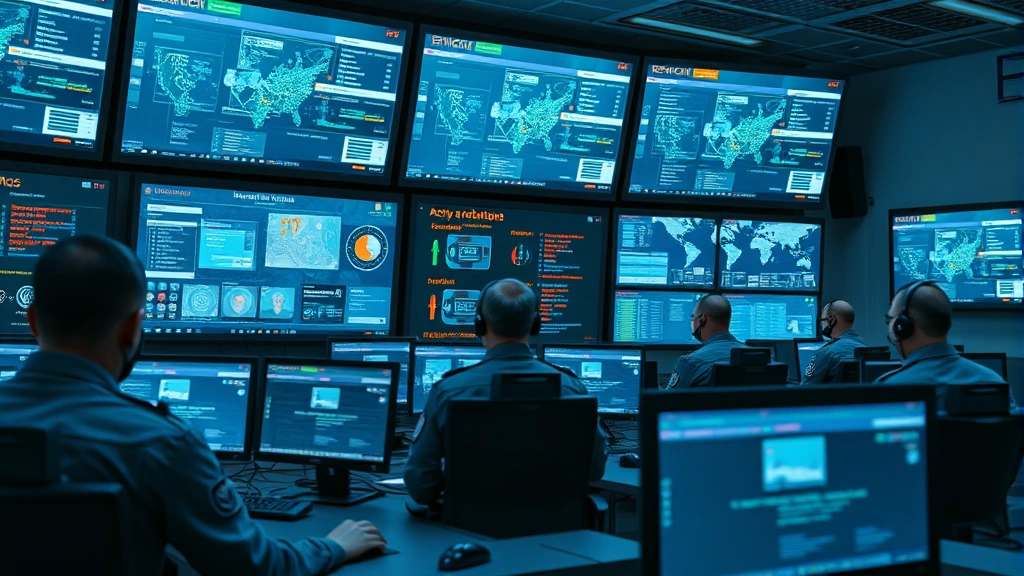
Air Force Cybersecurity: Protect Your Data Now!
The United States Air Force operates some of the most critical infrastructure and sensitive information systems in the world. From classified military communications to personnel records and operational data, the Air Force manages vast amounts of information that requires robust cybersecurity protection. Cyberattacks targeting military networks have increased exponentially over the past decade, with adversaries ranging from nation-states to sophisticated criminal organizations. Understanding Air Force cybersecurity practices and implementing similar protective measures for your own data is essential in today’s threat landscape.
Air Force Security Police, now known as Security Forces, play a vital role in protecting both physical installations and digital assets. These highly trained personnel understand the importance of comprehensive security protocols that extend beyond traditional perimeter defense. Whether you’re a military personnel, government contractor, or private citizen, the cybersecurity principles employed by the Air Force can significantly enhance your data protection strategy. This guide explores Air Force cybersecurity frameworks, best practices, and actionable steps you can take to safeguard your sensitive information against modern threats.

Understanding Air Force Cybersecurity Infrastructure
The Air Force operates an interconnected ecosystem of networks, servers, and communication systems that handle everything from strategic operations to routine administrative functions. The Air Force Cyber Command serves as the primary organization responsible for defending these critical systems against cyber threats. This command coordinates with other military branches and government agencies to maintain a unified defense posture against increasingly sophisticated attacks.
The Air Force’s cybersecurity infrastructure is built on multiple layers of protection, including network segmentation, intrusion detection systems, and continuous monitoring capabilities. These systems work together to identify suspicious activities and respond to threats in real-time. The architecture reflects decades of experience defending against adversaries with advanced capabilities and unlimited resources. Military networks operate under the assumption that sophisticated attackers will eventually penetrate outer defenses, which is why defense in depth remains a cornerstone principle.
Understanding this infrastructure helps explain why the Air Force invests heavily in cybersecurity training and awareness programs. Every personnel member, from senior officers to support staff, receives education on recognizing and reporting suspicious activities. This human-centered approach complements technical defenses by creating multiple layers of human awareness and vigilance.
The Air Force also maintains partnerships with civilian cybersecurity organizations and academic institutions to stay ahead of emerging threats. These collaborations ensure that military cyber defense strategies incorporate the latest research and threat intelligence. Organizations like CISA (Cybersecurity and Infrastructure Security Agency) work closely with military branches to share threat information and coordinate responses to significant incidents.

Key Threats to Military Networks
Military networks face a unique threat landscape characterized by nation-state actors, advanced persistent threats (APTs), and sophisticated cybercriminal organizations. Nation-state threats represent the most serious concern, as countries like Russia, China, Iran, and North Korea have demonstrated advanced cyber capabilities and willingness to target U.S. military systems. These actors seek to steal classified information, disrupt operations, or gather intelligence on military capabilities.
Advanced Persistent Threats (APTs) are particularly dangerous because they maintain long-term presence within networks while remaining undetected. APT groups often use spear-phishing campaigns to gain initial access, targeting military personnel with carefully crafted emails that appear legitimate. Once inside a network, these attackers establish multiple backdoors and lateral movement paths to maintain access even if one entry point is discovered.
Supply chain attacks represent another critical threat vector. Adversaries increasingly target contractors and vendors who provide software, hardware, or services to the Air Force. By compromising these supply chain partners, attackers can inject malicious code or hardware into systems destined for military use. This approach allows attackers to bypass many traditional security measures because the compromised software or hardware appears to come from trusted sources.
Ransomware attacks have become more prevalent and sophisticated, with criminal groups targeting military contractors and infrastructure. These attacks encrypt critical data and systems, demanding payment for decryption keys. Even unsuccessful ransomware attacks can cause significant disruption and compromise sensitive information. The Air Force and its partners face constant pressure from these evolving threats, requiring continuous adaptation of defense strategies.
Insider threats pose a unique challenge for military cybersecurity. Disgruntled employees, contractors with access to sensitive systems, or individuals compromised by foreign intelligence services can cause significant damage. User activity monitoring and strict access controls help mitigate this risk, but complete elimination remains impossible. The Air Force implements rigorous background investigations and periodic security clearance reviews to minimize insider threat risks.
Air Force Security Police Role in Cyber Defense
The Air Force Security Forces (formerly Security Police) have evolved to address modern cybersecurity challenges alongside traditional physical security responsibilities. These personnel receive specialized training in cyber incident response, threat identification, and forensic investigation. Security Forces personnel stationed at Air Force bases work to protect both physical perimeters and digital assets from unauthorized access.
Air Force Security Police badge holders represent a commitment to comprehensive security that integrates physical and cyber domains. These professionals understand that cybersecurity breaches often begin with physical security lapses, such as unauthorized access to server rooms or unattended workstations. They implement and enforce security protocols that prevent both physical theft and cyber intrusion.
The Security Forces Cyber Operator career field has expanded significantly, reflecting the Air Force’s recognition of cyber threats as equal to traditional security challenges. These specialists conduct network monitoring, analyze suspicious activities, and coordinate responses to cyber incidents. They work closely with IT security personnel and command leadership to implement protective measures and investigate security violations.
Training programs for Air Force Security Forces include modules on NIST cybersecurity frameworks, incident response procedures, and threat intelligence analysis. Personnel learn to recognize indicators of compromise, such as unusual network traffic patterns or unauthorized system access attempts. This education ensures that Security Forces can effectively contribute to the overall cybersecurity posture of their installations.
Security Forces also play a crucial role in security awareness training for all Air Force personnel. They conduct briefings on phishing recognition, password security, and proper handling of classified information. By educating the broader military population about cyber threats, Security Forces help create a security-conscious culture that supports overall defense objectives.
Essential Data Protection Strategies
Protecting sensitive data requires implementing multiple security controls that work together to create a comprehensive defense system. Encryption serves as a fundamental protective measure, ensuring that even if data is intercepted or stolen, it remains unreadable without proper decryption keys. The Air Force mandates encryption for all classified information at rest and in transit, and similar practices should apply to any sensitive personal or business data.
Access control represents another critical component of data protection. The principle of least privilege dictates that individuals should have access only to the minimum information and systems necessary to perform their job functions. This approach limits the damage potential if an account is compromised or if an individual attempts unauthorized access. Regular access reviews ensure that permissions remain appropriate as job responsibilities change.
Multi-factor authentication (MFA) adds an essential layer of protection by requiring multiple forms of verification before granting access to systems or accounts. Even if an attacker obtains a password through phishing or data breach, they cannot access the account without the second factor, such as a code from an authenticator app or a security key. The Air Force requires MFA for all critical systems, and similar protection should extend to personal accounts containing sensitive information.
Regular data backups provide recovery capability in the event of ransomware attacks or system failures. Backups should be stored separately from production systems and tested regularly to ensure they can be restored quickly. The Air Force maintains redundant backup systems with multiple copies stored in geographically distributed locations to ensure data availability even if one facility is compromised.
Network segmentation isolates critical systems from general-purpose networks, preventing attackers from moving laterally across the entire infrastructure if they breach one segment. This approach is particularly important for protecting classified information systems, which should be physically and logically separated from unclassified networks. Zero Trust architecture takes this concept further by requiring verification for every access attempt, regardless of whether it originates from inside or outside the network.
Implementing Military-Grade Security
Adopting military-grade security practices doesn’t require the resources of a nation-state. Many principles can be adapted and implemented by organizations of any size and individuals managing personal data. The foundation begins with comprehensive security assessment that identifies existing vulnerabilities and gaps in current protective measures. This assessment should examine technical systems, physical security, and personnel practices.
Security patch management represents one of the most effective yet often neglected protective measures. Software vulnerabilities are regularly discovered and patched by vendors, but systems remain vulnerable until patches are applied. The Air Force maintains rigorous patch management schedules, applying critical updates as quickly as possible after release. For personal devices and systems, enabling automatic updates ensures that security patches are deployed without requiring manual intervention.
Endpoint protection software, including antivirus and anti-malware tools, provides essential defense against malicious code. Modern endpoint detection and response (EDR) solutions go beyond traditional antivirus by monitoring system behavior and detecting suspicious activities that indicate compromise. These tools should be kept current with the latest threat signatures and behavioral detection capabilities.
Password security requires careful attention despite the growing adoption of MFA. Strong passwords should be unique, lengthy (at least 16 characters), and include a mix of uppercase and lowercase letters, numbers, and special characters. Password managers help generate and securely store complex passwords without requiring memorization. The Air Force prohibits password sharing and requires regular password changes for sensitive accounts.
Network monitoring and logging provide visibility into system activities and help detect unauthorized access attempts or data exfiltration. Security information and event management (SIEM) systems collect logs from multiple sources and correlate events to identify suspicious patterns. Organizations implementing military-grade security should establish similar monitoring capabilities appropriate to their scale and threat profile.
Incident response planning ensures that organizations can react quickly and effectively to security incidents. A well-developed incident response plan outlines roles and responsibilities, communication procedures, and technical response steps. Regular tabletop exercises and simulations test the plan’s effectiveness and identify areas for improvement. The Air Force conducts frequent incident response drills to maintain readiness for various threat scenarios.
Compliance and Regulatory Frameworks
The Air Force operates under multiple cybersecurity compliance frameworks that establish minimum security requirements. NIST SP 800-53 provides comprehensive security controls for federal information systems, and the Air Force implements this framework across all operations. These controls cover technical, operational, and management aspects of cybersecurity.
The Defense Information Systems Agency (DISA) establishes security requirements through Security Technical Implementation Guides (STIGs) that provide detailed hardening standards for specific systems and technologies. Military personnel must configure their systems according to applicable STIGs, which specify everything from password policies to encryption algorithms. These standards ensure consistent security posture across the entire military enterprise.
Personnel with access to classified information must maintain security clearances and comply with additional requirements under the National Industrial Security Program Operating Manual (NISPOM). These requirements include background investigations, periodic reinvestigations, and adherence to strict information handling procedures. Contractors working on classified projects must implement equivalent security measures within their organizations.
The Federal Information Security Modernization Act (FISMA) requires federal agencies to implement comprehensive information security programs and conduct annual assessments. The Air Force complies with FISMA through its cybersecurity program, which includes risk assessments, security planning, and continuous monitoring. Organizations working with federal data should understand and comply with applicable FISMA requirements.
Data privacy regulations like the General Data Protection Regulation (GDPR) and various state privacy laws impose additional requirements on organizations handling personal information. While military operations have some exemptions, contractors and organizations processing personal data must comply with these regulations. Privacy impact assessments and data protection policies should be implemented to ensure compliance and protect individual privacy rights.
Creating a Security Culture
Technical controls alone cannot guarantee cybersecurity success; organizations must cultivate a security-conscious culture where all personnel understand their role in protecting information. The Air Force invests heavily in security awareness training, recognizing that human factors often determine the success or failure of security programs. Regular training helps personnel recognize threats and understand proper security practices.
Leadership commitment to cybersecurity sets the tone for the entire organization. When senior leaders prioritize security and allocate resources accordingly, other personnel recognize its importance and comply with security policies. The Air Force’s Cyber Command reports directly to senior military leadership, reflecting the priority placed on cyber defense. Organizations should ensure that cybersecurity receives appropriate visibility and resources at the highest levels.
Reporting mechanisms for security concerns should be easily accessible and protected from retaliation. Personnel who discover vulnerabilities, suspicious activities, or security violations should feel empowered to report them without fear of negative consequences. The Air Force maintains multiple reporting channels, including anonymous hotlines, to encourage reporting of security issues. Creating a safe reporting environment increases the likelihood that threats will be detected and addressed promptly.
Recognition and rewards for security-conscious behavior reinforce desired practices and motivate continued compliance. When personnel understand that security is valued and rewarded, they are more likely to maintain vigilance and follow security procedures consistently. The Air Force includes security performance in personnel evaluations, ensuring that security contributions are recognized and rewarded.
Continuous improvement processes should regularly review and update security policies, procedures, and training based on emerging threats and lessons learned from incidents. Security programs that remain static become increasingly vulnerable as threats evolve. The Air Force conducts regular reviews of its cybersecurity posture and adjusts strategies to address new and emerging threats. Organizations should implement similar review cycles to maintain effective security programs.
Collaboration with external partners, including government agencies, private sector organizations, and academic institutions, provides access to threat intelligence and best practices. The Air Force participates in information sharing forums and threat intelligence exchanges to stay informed about emerging threats. Organizations should seek similar partnerships within their industry or sector to improve their security posture through shared knowledge.
FAQ
What is the primary role of Air Force Security Police in cybersecurity?
Air Force Security Forces (formerly Security Police) protect both physical and digital assets through integrated security measures. They conduct network monitoring, respond to cyber incidents, and educate personnel about cyber threats. Security Forces personnel receive specialized training in cyber defense and work alongside IT security specialists to maintain comprehensive security.
How can individuals protect their personal data using Air Force security principles?
Individuals can implement military-grade security by using strong, unique passwords with multi-factor authentication, enabling encryption for sensitive files, keeping software updated with security patches, and maintaining regular backups. Additionally, practicing security awareness by recognizing phishing attempts and protecting devices from physical theft applies military principles to personal data protection.
What are the most common threats targeting military networks?
Military networks face threats from nation-state actors conducting espionage, advanced persistent threat groups seeking classified information, ransomware attacks targeting infrastructure, and insider threats from compromised personnel. Supply chain attacks have also become increasingly prevalent, with adversaries targeting contractors and vendors who provide services to military organizations.
Why is encryption important for data protection?
Encryption converts readable data into unreadable ciphertext that can only be decrypted with proper keys. Even if attackers steal encrypted data, they cannot access its contents without the encryption keys. The Air Force mandates encryption for all classified information, and encryption should protect any sensitive personal or business data.
How often should security awareness training occur?
Security awareness training should occur at least annually, with additional training for new personnel and those handling sensitive information. The Air Force conducts regular refresher training and provides updated information about emerging threats. Organizations should implement similar schedules, with more frequent training during periods of elevated threat activity.
What is the Zero Trust security model?
Zero Trust assumes that all users and devices, whether inside or outside the network perimeter, are untrusted until verified. This model requires authentication and authorization for every access attempt, regardless of source. The Air Force is transitioning to Zero Trust architecture to better defend against sophisticated attackers who may have already penetrated initial defenses.
How do incident response plans improve security?
Incident response plans establish procedures for quickly detecting, containing, and recovering from security incidents. A well-developed plan clarifies roles and responsibilities, specifies communication procedures, and outlines technical response steps. Regular drills and exercises test the plan’s effectiveness and identify areas for improvement, enabling faster and more effective responses when incidents occur.
What compliance frameworks apply to military cybersecurity?
The Air Force implements NIST cybersecurity standards, DISA STIGs, NISPOM requirements for classified information handling, and FISMA compliance requirements. Organizations working with military data or as federal contractors must understand and comply with applicable frameworks. Regular compliance assessments ensure that security controls remain effective and meet regulatory requirements.


