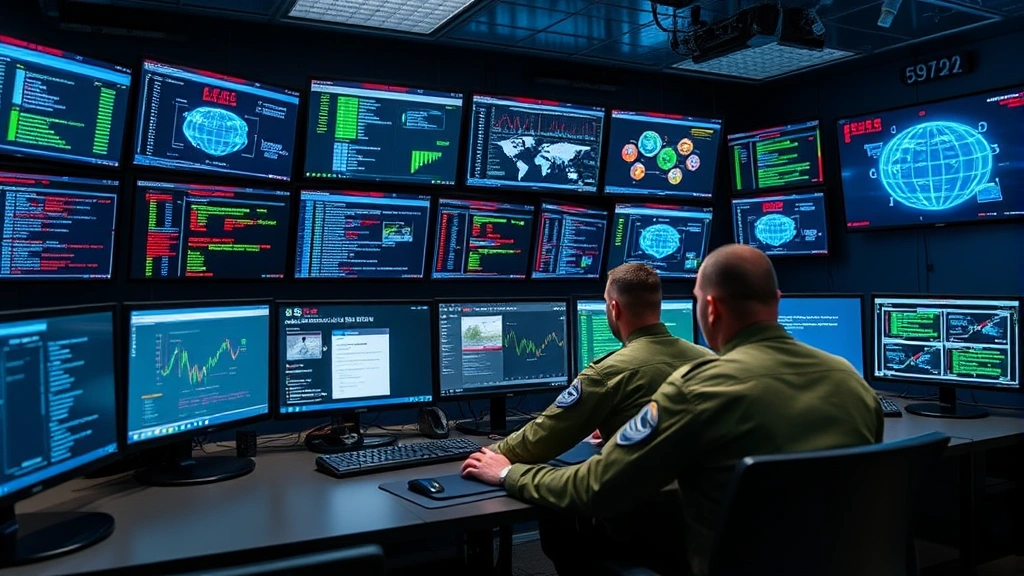
Air Force Cyber Threats: Insights from Experts
The United States Air Force faces an unprecedented landscape of cyber threats that extend far beyond traditional network attacks. As adversaries grow more sophisticated and nation-states invest heavily in cyber capabilities, understanding these threats has become critical to national security. The Air Force Security Forces Center plays a vital role in coordinating defense strategies and threat intelligence sharing across military installations worldwide. Recent expert analyses reveal that cyber threats targeting Air Force infrastructure span from advanced persistent threats (APTs) to supply chain compromises and insider threats that could compromise operational readiness.
Military cyber operations have evolved dramatically over the past decade, shifting from isolated incidents to coordinated campaigns designed to disrupt critical infrastructure, steal classified intelligence, and undermine command and control systems. Expert security researchers emphasize that the Air Force’s cyber defense posture must adapt continuously to counter emerging threats including artificial intelligence-driven attacks, zero-day exploitations, and sophisticated social engineering campaigns. Understanding these threats requires insight from cybersecurity professionals, military analysts, and threat intelligence specialists who track adversarial capabilities and intentions.
This comprehensive guide explores the most significant cyber threats facing the Air Force, examines expert recommendations for strengthening defenses, and details how security professionals can better protect critical military assets and personnel from cyber attacks.
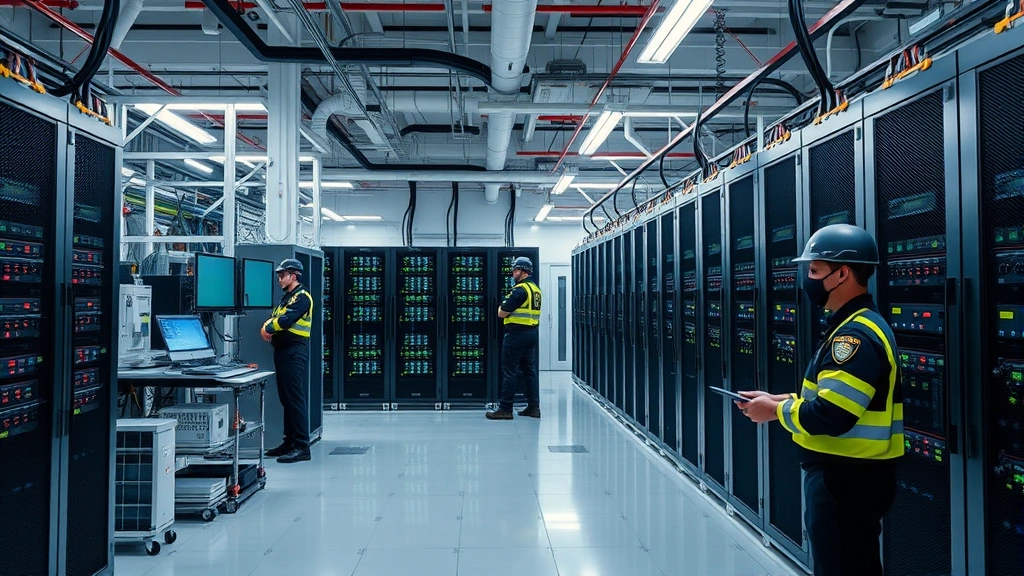
Advanced Persistent Threats Targeting Military Networks
Advanced Persistent Threats (APTs) represent one of the most serious cyber challenges facing the Air Force today. These sophisticated attack campaigns, often attributed to state-sponsored actors, maintain long-term access to military networks to steal classified information, establish backdoors, and conduct reconnaissance on critical systems. Unlike typical cybercriminals who seek quick financial gains, APT operators demonstrate patience and advanced technical capabilities, often remaining undetected for months or years while exfiltrating sensitive data.
Expert analysis from the Cybersecurity and Infrastructure Security Agency (CISA) identifies multiple APT groups actively targeting Department of Defense networks. These groups employ spear-phishing campaigns, watering hole attacks, and zero-day exploits to gain initial access. Once inside Air Force networks, attackers establish persistence mechanisms, move laterally across systems, and harvest credentials that grant them deeper access to classified networks. The sophistication of these attacks demands continuous monitoring, rapid incident response capabilities, and advanced threat hunting operations.
Nation-state adversaries including China, Russia, Iran, and North Korea have demonstrated sustained interest in Air Force capabilities, weapons systems, and operational planning. These actors employ multiple attack vectors simultaneously, ensuring that even if one avenue of compromise is discovered, others remain active. Expert cybersecurity professionals emphasize that defending against APTs requires layered security architectures, comprehensive logging and monitoring, and rapid threat intelligence sharing among military branches and allied nations.
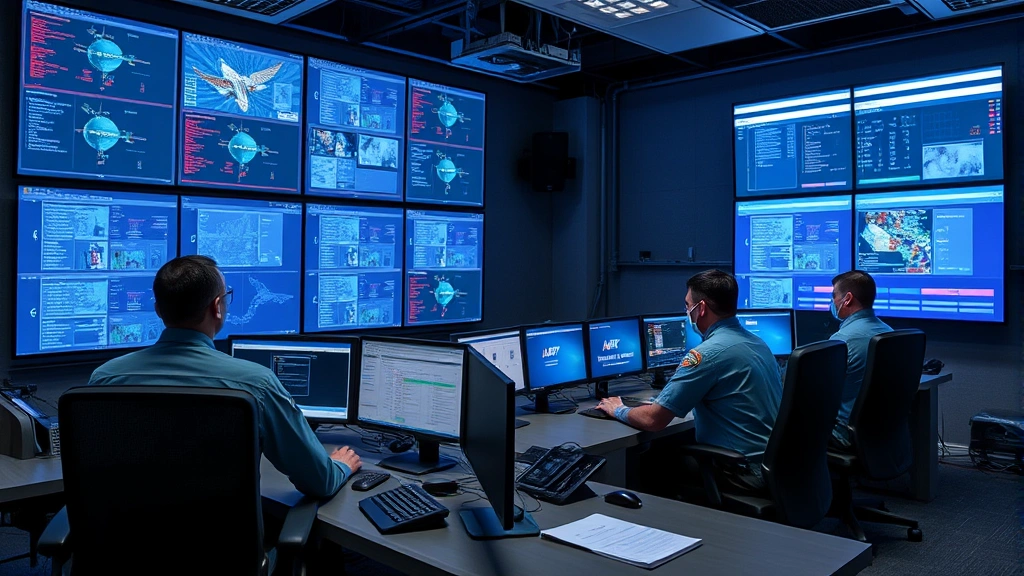
Supply Chain Vulnerabilities in Defense Contractors
The Air Force’s reliance on thousands of defense contractors and suppliers creates significant cyber vulnerabilities throughout the supply chain. Adversaries have discovered that compromising lower-tier suppliers often provides easier access to classified Air Force networks than direct attacks. Recent high-profile supply chain breaches demonstrated how attackers can inject malicious code into legitimate software updates, compromise hardware components, and manipulate manufacturing processes to insert backdoors into military equipment.
Experts from leading cybersecurity firms emphasize that supply chain security requires unprecedented collaboration between the Air Force and contractor networks. The National Institute of Standards and Technology (NIST) has published comprehensive guidelines for securing supply chains, recommending that organizations implement vendor risk assessments, require security certifications, and maintain continuous monitoring of supplier systems. The Air Force Security Forces Center coordinates with contractors to ensure compliance with these standards and conducts regular audits to identify vulnerabilities.
Critical weaknesses in supplier networks often stem from inadequate cybersecurity investments, insufficient personnel training, and poor access controls. Adversaries specifically target contractors developing advanced weapons systems, aircraft components, and communications technologies. When a supplier is compromised, the attacker gains visibility into Air Force operational requirements, technical specifications, and deployment schedules. This intelligence proves invaluable for adversaries developing countermeasures or planning military operations against U.S. forces.
Insider Threats and Personnel Security Concerns
While external threats receive significant attention, insider threats pose equally serious risks to Air Force security. Disgruntled employees, individuals with financial difficulties, and personnel susceptible to blackmail have compromised classified information and provided adversaries with direct access to secure systems. The complexity of identifying insider threats increases when considering the scale of Air Force operations, which employ hundreds of thousands of military and civilian personnel with varying levels of security clearances.
Expert threat analysts highlight that insider threats follow predictable patterns: financial distress, foreign contact, unauthorized access attempts, and unusual data exfiltration activities. The Air Force Security Forces Center implements personnel security programs, conducts periodic reinvestigations of cleared personnel, and monitors for behavioral indicators that suggest compromise. However, detecting sophisticated insiders who carefully cover their tracks remains extremely challenging, particularly when insiders have legitimate reasons to access sensitive systems.
Adversaries actively recruit Air Force personnel through multiple channels: social media contact, romantic relationships, financial inducements, and ideological appeals. Intelligence agencies estimate that foreign governments maintain active recruitment programs specifically targeting Air Force officers, enlisted personnel, and civilian contractors with access to classified information. Strengthening personnel security requires comprehensive training, clear reporting mechanisms for suspicious activity, and psychological evaluations that identify individuals at elevated risk.
Critical Infrastructure and Operational Technology Risks
The Air Force operates critical infrastructure systems that control weapons platforms, communications networks, power distribution systems, and logistics operations. Many of these systems were designed decades ago with minimal cybersecurity considerations, creating significant vulnerabilities. Operational Technology (OT) networks that control physical systems often lack the security monitoring and incident response capabilities present in Information Technology (IT) networks, making them attractive targets for adversaries seeking to disrupt military operations.
Expert cybersecurity researchers emphasize that Air Force installations operate aging infrastructure alongside modern systems, creating security mismatches. Legacy systems cannot be easily updated with security patches, forcing defenders to implement network segmentation, air-gapping critical systems, and deploying intrusion detection systems specifically designed for OT environments. The Air Force Security Forces Center works with installation commanders to identify critical infrastructure vulnerabilities and prioritize remediation efforts.
Attacks against operational technology could have catastrophic consequences: disabling weapons systems during conflicts, corrupting logistics networks that support deployed forces, or compromising communications systems that coordinate military operations. Adversaries understand this strategic value and have invested in understanding Air Force infrastructure to develop targeted attack capabilities. Defensive measures must address both cyber and physical security, as attackers might combine cyber intrusions with physical sabotage to maximize impact.
Artificial Intelligence and Autonomous Cyber Attacks
The emergence of artificial intelligence and machine learning technologies introduces new dimensions to Air Force cyber threats. Adversaries are developing AI-powered tools that automate vulnerability discovery, accelerate social engineering campaigns, and enable large-scale attacks that adapt in real-time to defensive measures. These autonomous attack systems can operate at machine speed, overwhelming traditional security teams that rely on manual detection and response processes.
Experts from DARPA and military research institutions warn that AI-driven cyber attacks will fundamentally change the threat landscape. Adversaries can use machine learning to analyze large datasets of Air Force communications, identifying patterns that reveal operational plans or reveal personnel with access to classified systems. Deepfake technology enables convincing impersonation attacks, potentially compromising personnel through sophisticated social engineering that exploits trusted relationships.
The Air Force is investing in AI-powered defensive capabilities to counter these emerging threats. Machine learning algorithms can detect anomalous network behavior faster than human analysts, identify zero-day exploits by recognizing attack patterns, and predict future adversary actions based on historical threat data. However, the rapid pace of AI advancement means that defensive capabilities must continuously evolve to maintain effectiveness against increasingly sophisticated attacks.
Expert Recommendations for Air Force Cyber Defense
Leading cybersecurity experts and military analysts have developed comprehensive recommendations for strengthening Air Force cyber defenses. These recommendations emphasize a holistic approach that combines technology, personnel, processes, and organizational structures to create resilient security postures resistant to advanced threats.
First, implement zero-trust architecture across all Air Force networks. Zero-trust principles assume that all users, devices, and systems are potentially compromised and require continuous verification before granting access. This approach significantly increases the difficulty for attackers to move laterally across networks, even after gaining initial access. The Air Force should prioritize zero-trust implementation for networks handling classified information and controlling critical infrastructure.
Second, establish comprehensive threat intelligence sharing between military branches, allied nations, and civilian cybersecurity organizations. The CISA alerts and advisories platform provides real-time threat information that Air Force security teams should actively monitor and incorporate into defensive strategies. Rapid information sharing enables faster detection of compromises and prevents repeated attacks across multiple organizations.
Third, invest heavily in security personnel and training. Cybersecurity expertise remains in critical shortage across the military, forcing the Air Force to compete with private sector employers for talented security professionals. Comprehensive training programs should cover threat detection, incident response, secure coding practices, and emerging technologies. The Air Force Security Forces Center should expand training capacity to develop the next generation of military cybersecurity experts.
Fourth, implement continuous monitoring and threat hunting capabilities. Traditional security monitoring that simply alerts on known signatures misses sophisticated attacks that use novel techniques or stolen legitimate credentials. Advanced threat hunting teams should proactively search for indicators of compromise, unusual network behavior, and unauthorized access attempts. This hunting should occur continuously across all Air Force networks, not just in response to suspected breaches.
Fifth, strengthen supply chain security through rigorous vendor management and continuous monitoring. The Air Force should require all contractors to implement security standards consistent with NIST guidelines, conduct regular security assessments, and participate in threat intelligence sharing. Contracts should include clauses requiring immediate notification of security incidents and allowing the Air Force to audit contractor systems.
Role of Air Force Security Forces Center
The Air Force Security Forces Center serves as the primary organization coordinating cyber defense strategy, training, and operational support across the Air Force. This center brings together security professionals, military officers, and civilian experts to develop policies, standards, and procedures that protect Air Force networks and installations from cyber threats. The center’s responsibilities span policy development, training and education, incident response coordination, and threat intelligence analysis.
The Security Forces Center works closely with Air Force Cyber Command, which operates offensive and defensive cyber capabilities. While Cyber Command focuses on active defense and counter-offensive operations, the Security Forces Center emphasizes preventive measures, personnel security, and installation-level protection. This division of responsibilities ensures that the Air Force addresses cyber threats comprehensively, from prevention through response and recovery.
Training programs administered by the Air Force Security Forces Center develop security professionals who understand military operations, classified information handling, and cyber defense requirements. These programs range from basic security awareness training for all personnel to advanced technical training for specialized cybersecurity roles. The center continuously updates curricula to address emerging threats and incorporate lessons learned from security incidents across the military.
Installation commanders rely on guidance from the Air Force Security Forces Center when implementing local security programs. This guidance addresses physical security, personnel security, information security, and cyber defense. By centralizing policy development while allowing local implementation flexibility, the center ensures consistent security standards while accounting for unique requirements at individual installations.
FAQ
What types of cyber threats pose the greatest risk to Air Force operations?
Advanced persistent threats from nation-state adversaries, supply chain compromises affecting defense contractors, and insider threats represent the most significant risks. These threats target classified information, weapons system designs, and operational planning data. Experts emphasize that the most dangerous threats combine multiple attack vectors simultaneously, making them difficult to detect and respond to effectively.
How does the Air Force Security Forces Center coordinate cyber defense?
The center develops policies and standards, provides training and education, coordinates incident response, and shares threat intelligence across the Air Force. The center works with installation commanders, Cyber Command, and intelligence agencies to ensure comprehensive protection of Air Force networks and personnel. Regular audits and assessments verify compliance with security standards.
What role do defense contractors play in Air Force cyber security?
Defense contractors develop weapons systems, software, and hardware components that the Air Force relies on for operations. Compromises of contractor networks can provide adversaries with access to classified information and designs. The Air Force requires contractors to implement rigorous security measures and participate in threat intelligence sharing to protect the supply chain.
How can Air Force personnel identify and report potential cyber threats?
Personnel should report suspicious network activity, unusual access requests, social engineering attempts, and suspected compromises to their security officers or through established reporting channels. The Air Force encourages a security-conscious culture where all personnel understand their role in protecting classified information and critical systems. Regular training helps personnel recognize threats and respond appropriately.
What emerging technologies should the Air Force prioritize for cyber defense?
Artificial intelligence and machine learning tools can accelerate threat detection and automate defensive responses. Zero-trust architecture frameworks provide improved protection against lateral movement after initial compromise. Advanced monitoring and threat hunting capabilities help identify sophisticated attacks that evade traditional signature-based detection. The Air Force should invest in these technologies while maintaining strong foundational security practices.


