California’s AI Laws: Protecting Digital Actors
California has emerged as a regulatory leader in artificial intelligence governance, particularly regarding the protection of digital actors and synthetic media. As AI technology advances rapidly, the state has recognized the urgent need to safeguard performers’ likenesses, voices, and identities from unauthorized digital replication. These groundbreaking laws represent a critical intersection of entertainment, technology, and digital rights—establishing precedents that will likely influence federal legislation and international standards.
The rise of deepfakes, synthetic performances, and AI-generated digital doubles has created unprecedented challenges for actors, performers, and the entertainment industry. California’s legislative response demonstrates a sophisticated understanding of both the creative potential and existential threats posed by artificial intelligence in digital performance spaces. Understanding these protections is essential for anyone involved in film, television, streaming, or digital content creation.
Overview of California’s AI Actor Protection Laws
California’s approach to AI actor protection emerged from legitimate industry concerns about unauthorized digital replication of performances. The state recognized that traditional intellectual property and publicity rights frameworks were inadequate to address the unique challenges posed by generative AI. Unlike conventional copyright or trademark infringement, AI-generated performances create entirely new content that mimics but does not directly copy original work.
The legislative efforts focus on several critical areas: consent requirements for digital likeness usage, protections against non-consensual deepfakes, fair compensation mechanisms for performers whose likenesses are used, and clear definitions of what constitutes unauthorized digital performance. These protections extend beyond A-list celebrities to include background actors, stunt performers, and emerging talent who are particularly vulnerable to exploitation.
California’s framework distinguishes between consensual use of digital likenesses for legitimate creative purposes and exploitative unauthorized replication. This nuanced approach acknowledges that AI technology offers genuine creative benefits while establishing guardrails against abuse. The laws recognize performers as stakeholders with fundamental rights over their digital representations and creative identities.
Key Legislative Frameworks and Requirements
Senate Bill 1001 and Assembly Bill 1880 represent California’s primary legislative responses to AI actor protection concerns. These bills establish clear requirements for obtaining informed consent before using any person’s likeness, voice, or performance characteristics in AI-generated content. The legislation requires explicit, documented consent that specifically addresses AI usage—general performance agreements are insufficient.
The laws mandate that consent agreements include specific details about how digital likenesses will be used, the duration of usage rights, compensation structures, and the ability to revoke consent under certain circumstances. This requirement prevents situations where performers unknowingly grant broad rights to their digital representations through boilerplate contract language.
Key provisions include:
- Explicit Consent Mandates: Any use of a performer’s likeness, voice, or performance data in AI-generated content requires clear, written consent that specifically addresses AI usage applications and anticipated uses.
- Compensation Requirements: When performers’ likenesses are used in AI-generated content for commercial purposes, they must receive appropriate compensation comparable to traditional performance rates.
- Duration Limitations: Consent agreements must specify time limits for digital likeness usage, preventing perpetual exploitation without ongoing performer approval.
- Revocation Rights: Performers retain the ability to revoke consent for future usage, with reasonable notice periods specified in agreements.
- Transparency Obligations: Productions using AI-generated performances must disclose this fact to audiences and clearly identify synthetic performances.
These frameworks align with broader digital rights protection principles while acknowledging the entertainment industry’s legitimate need to leverage AI for creative innovation. The legislation balances performer protection with industry flexibility, allowing consensual AI usage while preventing exploitation.
Digital Likeness Rights and Consent Requirements
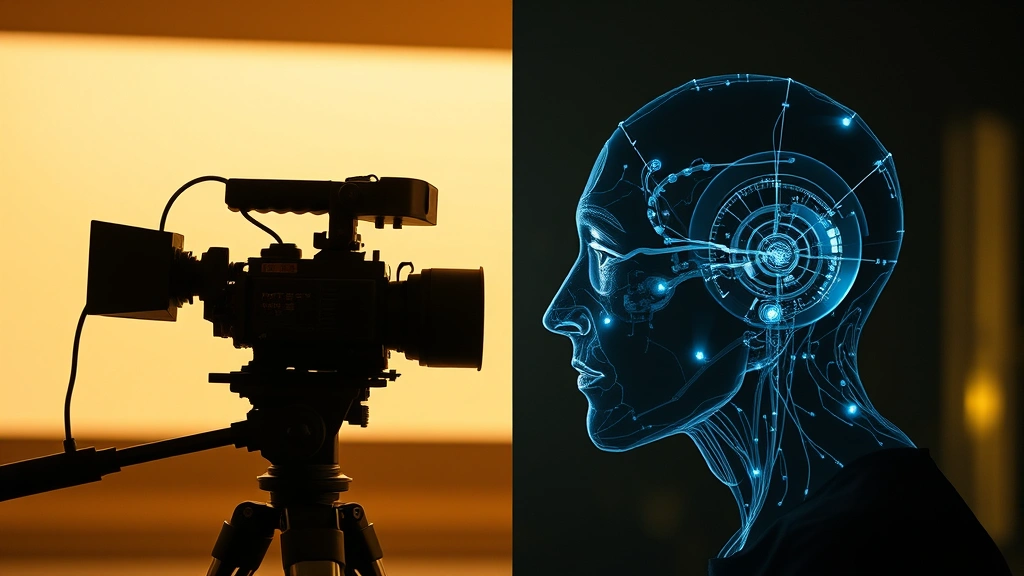
California’s laws establish that performers possess inherent rights over their digital likenesses, voices, and performance characteristics. This recognition represents a significant shift in intellectual property law, treating digital representations as extensions of personal identity rather than purely as creative content.
The consent framework requires several critical elements:
- Informed Understanding: Performers must fully understand how their likeness will be used, the scope of AI applications, and potential future modifications or derivative uses of their digital representation.
- Specificity: Generic consent language is insufficient. Agreements must specify particular AI applications, content types, and distribution channels where digital likenesses will appear.
- Separate Consent: Consent for traditional performance cannot automatically extend to AI usage. These must be negotiated as distinct rights with separate compensation structures.
- Documentation: All consent must be documented in writing with clear signatures from both performers and production entities, creating verifiable records of agreement.
- Periodic Renewal: Long-term contracts may require periodic renewal of AI usage consent, ensuring ongoing performer awareness and ability to renegotiate terms.
These requirements protect performers from situations where AI usage rights are buried in complex contracts or where performers lack understanding of technological implications. The legislation recognizes power imbalances between individual performers and major production companies, establishing minimum protections to level negotiating dynamics.
Compensation structures must reflect the commercial value of digital likenesses. When a performer’s likeness generates substantial revenue through AI-generated performances, compensation should reflect this value. The laws prevent situations where performers receive minimal compensation while studios generate significant profits from their digital representations.
Deepfake Regulation and Synthetic Media
California’s approach to non-consensual deepfakes establishes civil and criminal liability for creating synthetic media that depicts individuals without consent, particularly in intimate or defamatory contexts. These protections address the most harmful applications of AI technology while preserving space for legitimate creative uses.
The legislation specifically targets malicious deepfakes—synthetic media created to deceive audiences, damage reputations, or exploit individuals. This distinction is crucial: not all synthetic media is harmful, but non-consensual intimate imagery or defamatory deepfakes cause genuine harm requiring legal remedies.
Key protections include:
- Non-Consensual Intimate Imagery: Creating or distributing synthetic sexual imagery of real individuals without consent is prohibited and subject to civil liability and potential criminal charges.
- Election Interference: Deepfakes designed to mislead voters about political candidates or election information face specific prohibitions and enhanced penalties.
- Defamatory Synthetic Media: Creating deepfakes that falsely depict individuals committing crimes or engaging in harmful behavior can result in defamation liability.
- Disclosure Requirements: When synthetic media is created for legitimate purposes, clear disclosure to audiences is mandatory, preventing deceptive presentation of AI-generated content as authentic.
- Removal Mechanisms: Platforms must implement procedures to rapidly remove non-consensual deepfakes upon notification, with liability for failure to act.
These regulations work in concert with existing California laws addressing non-consensual pornography and harassment, extending protections to the digital age. The legislation recognizes that deepfake technology dramatically amplifies traditional harms, making targeted harassment and defamation more damaging and difficult to address through conventional legal mechanisms.
Enforcement focuses on the most egregious violations while allowing for legitimate creative expression. Documentary filmmakers, artists, and entertainment producers can still use AI technology for consensual purposes or clearly disclosed artistic projects. The regulations target deceptive or exploitative uses rather than restricting AI innovation broadly.

Industry Implications and Compliance Standards
California’s AI actor protection laws create significant compliance obligations for production companies, streaming platforms, and digital content creators. Organizations must establish robust procedures for obtaining and documenting performer consent, managing digital likeness rights, and disclosing synthetic media usage.
For producers considering best movies on Netflix and other streaming platforms, understanding these requirements is essential. Streaming services must implement policies ensuring that all AI-generated performances include appropriate consent documentation and performer compensation. This applies whether content is produced internally or acquired from external producers.
Compliance frameworks should include:
- Consent Management Systems: Dedicated systems for tracking performer consent, documenting specific AI usage rights, and managing consent expiration dates and revocation requests.
- Performer Agreements: Comprehensive contracts addressing AI usage separately from traditional performance rights, with clear compensation structures and duration limitations.
- Disclosure Protocols: Standardized procedures for identifying and disclosing synthetic performances to audiences, including credits and technical documentation.
- Training Programs: Regular training for production staff, casting directors, and contract negotiators on AI actor protection requirements and compliance obligations.
- Audit Procedures: Regular audits of existing content and contracts to identify potential compliance gaps, particularly regarding legacy content created before comprehensive AI regulations.
The entertainment industry is adapting to these requirements through updated guild agreements and industry standards. Organizations like the Screen Actors Guild (SAG-AFTRA) have negotiated specific provisions addressing AI usage, synthetic performances, and digital likeness protection. These union agreements often exceed legal minimums, establishing industry best practices for performer protection.
For those interested in understanding how these changes affect entertainment careers, resources like how to become a film critic and best movie review sites guide provide context on how the industry is evolving. Critics and reviewers must now address whether films use synthetic performances, adding new dimensions to entertainment analysis.
Enforcement and Legal Remedies
California’s enforcement mechanisms provide performers with multiple pathways to address violations of AI actor protection laws. These remedies include civil lawsuits, criminal prosecution for egregious violations, and administrative actions by state agencies.
Civil remedies allow performers to sue for damages resulting from unauthorized digital likeness usage or non-consensual deepfakes. Damages can include actual economic losses from lost employment opportunities, emotional distress, and statutory damages that provide meaningful deterrents even when quantifying actual harm is difficult. Courts can also issue injunctions preventing continued violation and ordering removal of infringing content.
Criminal liability applies to the most serious violations, particularly non-consensual intimate imagery and election interference deepfakes. Criminal prosecution provides enhanced deterrence for malicious actors and acknowledges that some violations cause harm extending beyond individual performers to broader societal interests.
Administrative enforcement by state agencies like the California Attorney General’s office allows for rapid intervention in egregious cases, particularly when platforms fail to remove non-consensual deepfakes or when systematic violations occur. Agency actions can result in civil penalties, mandatory compliance programs, and public accountability.
The enforcement framework also addresses platform liability. Social media platforms and content distribution services face liability for hosting and distributing non-consensual deepfakes when they fail to implement reasonable removal procedures. This creates incentives for platforms to develop robust detection and removal systems for harmful synthetic media.
Practical enforcement challenges include identifying AI-generated content among vast quantities of digital media, distinguishing between consensual creative uses and exploitative applications, and pursuing enforcement across jurisdictional boundaries. As AI detection technology improves, these enforcement challenges will become more manageable, though they will likely remain complex.
Future Developments and Emerging Challenges
California’s AI actor protection laws represent an important foundation, but the rapidly evolving technological landscape will require ongoing legislative adaptation and refinement. Several emerging challenges will likely shape future developments in this area.
Generative AI technology continues advancing at an accelerating pace, creating new applications and risks that current legislation may not adequately address. As AI systems become more sophisticated, distinguishing between consensual creative uses and exploitative applications may become increasingly difficult. Future legislation may need to address emerging technologies like voice cloning, motion capture synthesis, and real-time performance generation.
Interstate and international coordination presents significant challenges. As entertainment production becomes increasingly global, performers may need protections extending beyond California’s jurisdiction. Federal legislation addressing AI actor protection could establish consistent national standards, while international agreements might protect performers across borders.
Compensation mechanisms require ongoing refinement as AI-generated performances create new economic models. When AI systems generate performances based on multiple performers’ characteristics or when AI performances replace human performers entirely, determining appropriate compensation becomes complex. Future legislation may need to address these scenarios more explicitly.
The intersection of AI actor protection with broader artificial intelligence regulation presents opportunities for alignment. Federal AI regulatory efforts should incorporate performer protection provisions, ensuring consistency across different regulatory frameworks. NIST AI Risk Management Framework and similar initiatives provide valuable context for developing comprehensive AI governance that addresses entertainment industry concerns.
Industry self-regulation through guild agreements and professional standards may evolve faster than legislation, creating practical protections exceeding legal minimums. As SAG-AFTRA and other unions negotiate updated agreements, they establish precedents that may inform future legislative developments.
Technological solutions including blockchain-based consent verification, AI detection systems, and digital watermarking may enhance enforcement and compliance. These tools could make consent documentation more transparent and enable platforms to identify synthetic performances automatically, reducing reliance on reactive legal enforcement.
Looking at content discovery through resources like Screen Vibe Daily Blog, the entertainment industry is increasingly transparent about content characteristics, including whether performances are synthetic or AI-generated. This transparency trend will likely accelerate as audiences demand clear information about content origins.
FAQ
What exactly is covered by California’s AI actor protection laws?
California’s laws protect performers’ rights to their likenesses, voices, and performance characteristics when used in AI-generated content. Coverage includes digital doubles, synthetic performances, voice cloning, and any AI-generated media depicting or imitating specific individuals. The laws require explicit consent for commercial AI usage and establish liability for non-consensual deepfakes, particularly intimate or defamatory synthetic media.
Do these laws apply to all AI usage or only certain applications?
The laws distinguish between consensual and non-consensual usage. Legitimate creative uses with proper consent and compensation are permitted. The primary restrictions target non-consensual intimate imagery, malicious deepfakes, and unauthorized commercial exploitation. Consensual AI usage for entertainment purposes is allowed when performers provide informed consent with appropriate compensation.
How do performers enforce these protections if violations occur?
Performers can pursue civil lawsuits for damages resulting from unauthorized usage, including actual economic losses and statutory damages. Criminal prosecution is available for serious violations like non-consensual intimate imagery. Performers can also report violations to the California Attorney General’s office or relevant platforms, which face liability for hosting non-consensual deepfakes when they fail to remove them promptly.
Are existing contracts grandfathered in under these new laws?
Laws generally apply prospectively to new agreements, though some provisions may apply to existing contracts. Performers with existing contracts may need to renegotiate terms to align with AI protection requirements. Production companies should audit existing contracts to identify compliance gaps and proactively address potential issues.
How do these California laws affect content distributed internationally?
While California’s laws apply directly to content produced in California, they influence industry standards globally. Streaming platforms operating in California must comply with these laws for all content regardless of production location. International producers seeking California distribution must comply with these requirements, creating practical incentives for broader adoption of performer protection standards.
What compensation should performers receive for AI usage of their likeness?
Compensation should reflect the commercial value of the digital likeness usage. Factors include the scope of usage, distribution channels, revenue generated, and comparable compensation for traditional performances. Specific compensation structures should be negotiated in consent agreements, with industry standards emerging through guild negotiations and case law development.
How can production companies ensure compliance with these laws?
Implement comprehensive consent management systems, develop clear performer agreements addressing AI usage separately, establish disclosure protocols for synthetic performances, provide staff training on requirements, and conduct regular audits of existing content. Working with legal counsel experienced in entertainment and AI law ensures robust compliance frameworks.


