Do ADT Signs Deter Burglars? Security Insights and Evidence
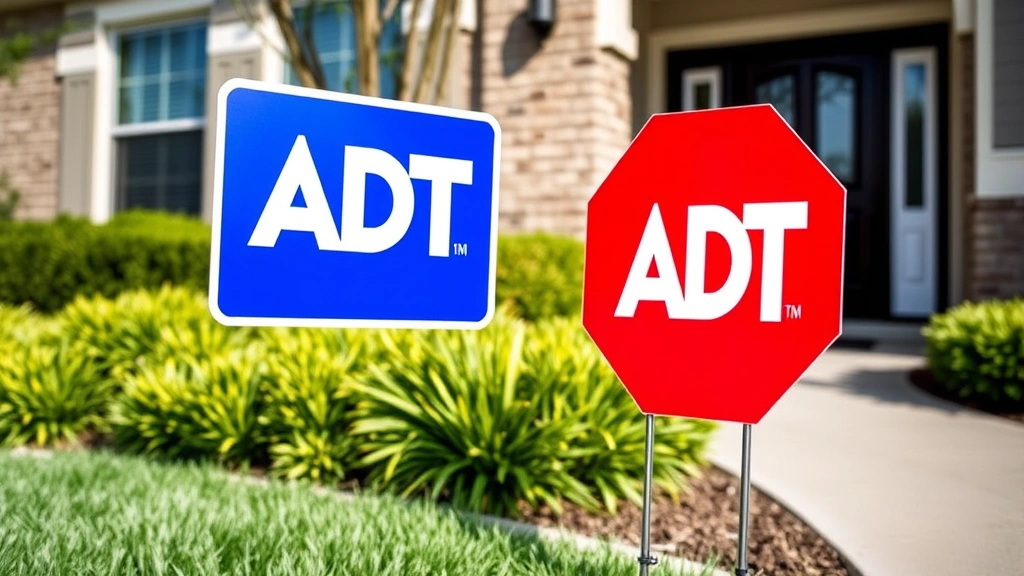
When it comes to home security, few visible deterrents are as recognizable as the blue and red ADT security yard sign. Homeowners often wonder whether these signs actually prevent break-ins or if they’re merely aesthetic placeholders. The answer is more nuanced than a simple yes or no. Research, criminal behavior analysis, and real-world security data reveal that ADT signs do provide measurable deterrent value, but their effectiveness depends on multiple factors including neighborhood crime rates, sign placement, and whether the security system is genuinely active.
The psychology of burglary prevention has evolved significantly over the past two decades. Professional criminals conduct reconnaissance before targeting homes, and visible security indicators—particularly branded signs from established companies like ADT—can influence their decision-making process. However, opportunistic thieves may be less deterred by signage alone. Understanding how ADT security yard signs function within a comprehensive home security strategy is essential for homeowners seeking to maximize protection while minimizing risk.
This guide examines the science behind security signage, explores empirical evidence regarding its effectiveness, and provides actionable insights for optimizing your home’s defense mechanisms. We’ll also address common misconceptions about visible security indicators and explain how they integrate with modern cybersecurity threats affecting smart home systems.
How Burglars Evaluate Targets
Understanding criminal decision-making is fundamental to evaluating security measures. Research from criminology experts and law enforcement agencies reveals that burglars typically employ rational choice theory when selecting targets. They assess risk factors, potential rewards, and the likelihood of detection before committing to a break-in. This reconnaissance process can take anywhere from minutes to weeks, depending on the sophistication level of the criminal.
Professional burglars, who account for approximately 30-40% of residential break-ins, conduct extensive surveillance. They look for specific indicators: empty homes during business hours, lack of visible security measures, poor lighting, overgrown landscaping that provides cover, and absence of neighborhood watch programs. They evaluate police response times, neighborhood foot traffic, and the presence of security cameras or alarm systems. A visible ADT sign communicates that a home has a monitored security system, which increases the perceived risk of apprehension.
Opportunistic thieves, conversely, make snap decisions based on immediate circumstances. They may notice an open window, unlocked door, or valuable items visible through glass. While less influenced by security signage, even casual criminals often avoid homes displaying obvious security indicators, as the effort-to-reward ratio becomes unfavorable. The presence of an ADT security yard sign signals that the homeowner has invested in protection, which suggests either valuable items worth protecting or a vigilant resident—both factors that deter quick crimes.
Law enforcement agencies, including the FBI’s Violent Crime Division, have documented that visible security measures reduce burglary attempts. However, criminals have become increasingly sophisticated. Some target homes specifically because security signs indicate valuable electronics inside. Others view security systems as challenges to overcome rather than deterrents. This arms race between security measures and criminal adaptation underscores why a multi-layered approach is necessary.

The Science Behind Visible Deterrents
Deterrence theory in criminology is built on three foundational principles: certainty, severity, and celerity. Certainty refers to the likelihood of being caught; severity involves the consequences of apprehension; celerity means the swiftness of punishment. Security signage primarily affects the certainty variable. When a burglar sees an ADT sign, they perceive an increased likelihood of detection through monitored alerts and police response.
The human brain processes visual information rapidly, and branded security signage triggers immediate recognition. ADT’s distinctive design has been visible in neighborhoods for over 70 years, creating strong brand association with professional monitoring. This psychological anchoring effect is powerful—the sign alone can activate threat perception in potential criminals, causing them to reassess their risk calculus. Research published in the Journal of Research in Crime and Delinquency indicates that visible security measures reduce burglary attempts by 6-26%, depending on neighborhood context and crime rates.
Environmental criminology, a subdiscipline studying how location and environmental design influence crime, demonstrates that neighborhoods with visible security indicators experience lower burglary rates. This isn’t merely correlation; it reflects actual behavioral modification. Criminals avoid areas where they perceive heightened detection risk. However, the effectiveness diminishes if security signs are weathered, partially hidden, or installed without corresponding actual security measures. A homeowner must ensure that the visible sign corresponds to genuine protection.
Psychological research on deterrence also reveals that signage effectiveness varies by criminal sophistication. Professional criminals conduct background research on security companies and systems. Some may even verify whether a system is actually active by observing patterns or researching property records. Opportunistic criminals, however, rely on surface-level observations. For this latter group, visible signage alone provides substantial deterrent value.
ADT Signs: Real Deterrent or Marketing Tactic
ADT, founded in 1874, has built its reputation as the nation’s leading home security provider through both genuine service delivery and strategic marketing. The company’s yard signs serve dual purposes: they communicate security status to potential criminals and reinforce brand recognition among neighbors. This raises a legitimate question: is the sign primarily a deterrent or a marketing tool?
The answer is both, but the deterrent function is the more significant aspect for homeowners. ADT has invested heavily in making their signage distinctive and recognizable specifically because visibility creates deterrent value. The company’s research indicates that monitored alarm systems with visible signage reduce burglary attempts more effectively than systems without visible indicators. This isn’t merely marketing rhetoric; it’s supported by insurance industry data showing that homes with visible security systems receive lower premiums.
However, the sign alone provides incomplete protection. Criminals have learned that some homes display security signage without maintaining active monitoring. Additionally, signs can indicate the presence of valuable electronics worth stealing. A sophisticated burglar might interpret an ADT sign as confirmation that the home has items worth protecting. This paradox—where security indicators simultaneously deter and attract—highlights why comprehensive protection matters more than visual deterrents alone.
The actual effectiveness of an ADT sign depends critically on whether the underlying system is functional and actively monitored. An old, faded sign on a home without active service provides minimal deterrent value and may even suggest that the security system is outdated or non-functional. Conversely, a well-maintained sign on a home with active 24/7 monitoring communicates genuine risk to potential burglars. The sign’s credibility matters as much as its visibility.
When evaluating security systems, homeowners should prioritize actual protection mechanisms over visible signage alone. The sign functions best as a component of a layered security strategy that includes window and door sensors, motion-activated lighting, security cameras, and robust locks. Organizations like the Cybersecurity and Infrastructure Security Agency (CISA) recommend comprehensive approaches to residential security that integrate multiple protective measures.
Research Evidence on Security Signage
Empirical research provides quantifiable evidence regarding security signage effectiveness. A comprehensive meta-analysis of burglary prevention studies found that visible security measures, including signs and cameras, reduced burglary victimization by approximately 16% across studied neighborhoods. The variation in effectiveness (ranging from 6% to 26%) correlates with neighborhood crime rates—areas with higher baseline burglary rates see more significant deterrent effects from visible security measures.
The National Institute of Standards and Technology (NIST) has published guidelines on residential cybersecurity that increasingly address smart home systems connected to security platforms. Their research indicates that visible security indicators create psychological barriers that discourage crime attempts before they occur. This preventive effect is more cost-effective than responding to break-ins after they happen.
Insurance industry data provides additional validation. Homeowners with monitored security systems—particularly those with visible signage—receive average premium reductions of 10-15% from insurers. This reflects insurers’ empirical assessment that these homes experience fewer losses. The insurance industry’s reliance on security signage as a risk assessment factor indicates genuine protective value.
However, research also documents limitations. A study published in Criminology & Public Policy found that security signage effectiveness diminishes in neighborhoods with very high crime rates. In such areas, criminals may discount the deterrent value or operate under time pressure that overrides rational deliberation. Additionally, research shows that security signs are less effective in preventing crimes of opportunity—quick break-ins targeting easily accessible valuables. They primarily prevent planned burglaries where criminals conduct reconnaissance.
Geographic variation in effectiveness is significant. Suburban neighborhoods with lower baseline crime rates see 20-26% reductions in burglary attempts when visible security measures are present. Urban areas with high crime rates see 6-12% reductions. This geographic disparity suggests that community-level factors, including police presence and neighborhood cohesion, interact with individual security measures to create overall protection.
Optimizing Your Home Security Strategy
Maximizing protection requires integrating ADT signs into a comprehensive security framework rather than relying on signage alone. Begin by conducting a vulnerability assessment of your home. Walk the perimeter at night and identify dark areas where burglars could approach undetected. Assess window and door accessibility, checking for secure locks and proper lighting. This foundational evaluation informs decisions about where to position security signage and which additional measures are necessary.
Position ADT signs prominently at street-facing locations where they’re immediately visible to anyone evaluating your property. Signs should be clean, well-maintained, and positioned at eye level for maximum impact. Multiple signs increase deterrent value—place them at front and rear entrances and along visible fence lines. Weathered or obscured signs lose effectiveness, so regularly inspect and replace as needed.
Complement visible signage with functional security systems that include window and door sensors, motion-activated exterior lighting, and security cameras. Modern systems integrate with smartphones, allowing homeowners to monitor their property remotely. The combination of visible deterrents and actual security infrastructure creates maximum protection. Research into smart device security emphasizes the importance of ensuring these systems have strong password protection and regular updates.
Behavioral security measures are equally important. Vary your routine to avoid predictable patterns that criminals might observe. Use timers on interior lights when away from home. Don’t advertise vacations on social media. Maintain relationships with neighbors who can monitor your property during absences. Ask trusted neighbors to collect mail and packages, as accumulated deliveries signal an empty home. These behavioral modifications work synergistically with physical security measures and visible signage.
Ensure your actual security system is actively monitored by professional services. An unmonitored system provides no response capability if a break-in occurs. Professional monitoring means that when sensors trigger alarms, trained operators immediately contact homeowners and dispatch police. This response capability is what gives ADT signs their credibility—they represent not just sensors and cameras, but active intervention capabilities.
Integration with smart home technology adds another layer. Smart locks allow you to grant temporary access to trusted individuals without providing physical keys. Motion sensors can trigger alarms when combined with monitored systems. Video doorbells provide real-time alerts and recording of anyone approaching your entrance. These technologies work best when combined with visible security signage that discourages criminals from testing your defenses.
Modern Threats to Smart Home Systems
As security systems become increasingly connected, new vulnerabilities emerge. Smart home devices integrated with alarm systems can be compromised through cyberattacks, potentially disabling protection or allowing unauthorized access. The same connectivity that enables convenient remote monitoring creates potential entry points for cybercriminals. Homeowners must understand these digital threats alongside traditional physical security concerns.
Common vulnerabilities in smart home security systems include weak default passwords, unencrypted communication between devices, and outdated firmware. Hackers can intercept signals, disable sensors, or lock users out of their own systems. The FBI’s Cyber Division has issued warnings about smart home device compromises being used to facilitate physical burglaries. Criminals may hack systems to disable alarms before physically breaking in, or to gather information about home occupancy patterns.
Protecting smart home systems requires the same diligence as traditional cybersecurity. Use strong, unique passwords for all security system accounts. Enable two-factor authentication where available. Regularly update firmware on all connected devices—manufacturers release security patches to address discovered vulnerabilities. Disable unnecessary features and remote access capabilities if you don’t regularly use them. Segment your smart home network from devices used for sensitive financial activities.
Consider the security implications of any device you connect to your home network. Cameras, locks, sensors, and lighting all create potential entry points if not properly secured. Review privacy policies of security companies to understand how they handle data collected from your home. Some services may store video footage on cloud servers, creating data security risks separate from physical security concerns. Choose providers with strong encryption and privacy commitments.
The intersection of physical security signage and digital security is increasingly important. An ADT sign on your home signals that you have a monitored system, but it doesn’t communicate whether that system is cybersecure. Homeowners must independently verify that their security provider implements strong cybersecurity practices. Request information about encryption protocols, data storage practices, and security certifications. Reputable providers like ADT invest significantly in cybersecurity infrastructure to protect customer data and system integrity.
Professional threat intelligence reports from cybersecurity firms document increasing sophistication in attacks targeting smart home systems. These attacks often combine digital exploitation with physical burglary, creating compounded risks. Homeowners should stay informed about emerging threats through resources provided by security researchers and official agencies. Regular security audits of your entire system—both physical and digital components—help identify vulnerabilities before criminals can exploit them.
FAQ
Do ADT signs actually deter burglars if I don’t have an active system?
No—a sign without a functioning, monitored system provides minimal deterrent value and may even be counterproductive. Sophisticated criminals can often determine whether a system is active through observation or research. A sign on an inactive system signals either neglect or deception, and criminals may interpret this as an opportunity. Always ensure that visible security signage corresponds to genuine, active protection.
How visible should my ADT sign be for maximum deterrent effect?
Position signs at street level where they’re immediately visible to anyone evaluating your property from the sidewalk or street. Signs should be unobstructed by vegetation or other objects. Place multiple signs at different entry points for maximum impact. Research indicates that visibility to potential burglars during their reconnaissance phase is critical for deterrent effectiveness.
Are newer security systems more effective than visible signage?
Modern security systems with cameras, sensors, and smart integration provide superior actual protection compared to signage alone. However, the combination of visible signage plus functional systems is most effective. The sign creates psychological deterrence, while the actual system provides real protection if someone attempts to breach your home.
Can burglars disable ADT systems?
Sophisticated criminals can sometimes disable older systems through various methods, which is why modern systems include backup power and cellular connectivity. Professional monitoring services are designed to detect tampering or signal loss immediately. Additionally, cybersecurity measures protect digital components from remote compromise. Choosing systems with multiple redundancies and professional monitoring maximizes protection against sophisticated attacks.
Do neighborhood crime rates affect how much ADT signs deter burglars?
Yes significantly. Research shows that visible security measures deter 20-26% of burglary attempts in low-crime suburban areas but only 6-12% in high-crime urban neighborhoods. In high-crime areas, additional measures beyond signage—including community engagement, neighborhood watch programs, and police presence—become necessary for meaningful protection.
Should I remove my ADT sign if I cancel service?
Yes, absolutely. Keeping a sign after canceling service is deceptive and potentially illegal in some jurisdictions. More importantly, it provides false security to you while potentially being recognized by criminals as a non-functional system. Remove all security signage when terminating service unless you’re switching to another monitored system.


