
Are ADT Window Sensors Reliable? Expert Review
ADT window sensors represent a critical component of modern home security systems, designed to detect unauthorized entry points and alert homeowners to potential threats. As one of the largest security providers in North America, ADT has built a reputation for residential and commercial protection solutions. However, the reliability of their window sensors deserves thorough examination, particularly for consumers evaluating whether ADT security window sensors meet their specific home protection needs.
Window sensors work by detecting the opening or closing of windows through magnetic reed switches. When a window opens, the magnet separates from the sensor, triggering an alert. Understanding how these devices function, their strengths, limitations, and real-world performance helps homeowners make informed decisions about their security infrastructure. This comprehensive review examines ADT window sensors from multiple angles, including technical specifications, user experiences, compatibility concerns, and how they compare to competing solutions in the market.
How ADT Window Sensors Work
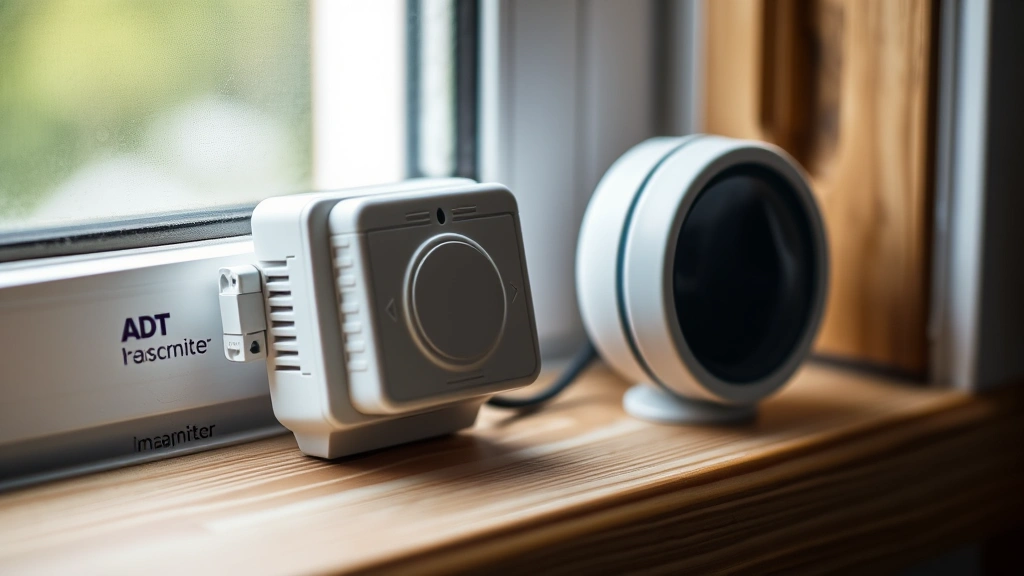
ADT window sensors operate using proven magnetic reed switch technology that has been industry standard for decades. The system consists of two primary components: a wireless transmitter attached to the window frame and a magnet positioned on the movable window sash. When the window remains closed, the magnet maintains proximity to the reed switch, keeping the circuit open and preventing signal transmission.
The moment a window opens—whether intentionally by a resident or forcefully by an intruder—the magnet separates from the sensor. This physical separation triggers the reed switch to close, completing an electrical circuit and prompting the sensor to transmit a wireless signal to your ADT security system hub. The hub receives this signal and immediately initiates your programmed response, which might include sounding an alarm, sending push notifications to your smartphone, alerting ADT’s monitoring center, or logging the event in your security history.
Modern ADT window sensors incorporate wireless transmission technology operating on secure frequencies to prevent jamming or signal interception. The sensors feature built-in encryption protocols designed to resist hacking attempts and ensure that only authorized control panels receive and process the sensor signals. This wireless architecture eliminates the need for complicated wiring throughout your home, making installation significantly simpler than traditional hardwired security systems.
Reliability Factors and Performance
The reliability of ADT window sensors depends on multiple interconnected factors that extend beyond the sensor hardware itself. Understanding these variables helps explain why some users report excellent performance while others encounter occasional detection failures or false alarms.
Signal Transmission Strength: ADT sensors transmit on proprietary frequencies with typical ranges of 100-150 feet in open space. However, physical obstacles significantly impact real-world performance. Building materials including concrete, metal framing, and certain insulation types can attenuate signals, potentially causing missed alerts. Homes with extensive metal components or unusual architectural designs may experience unreliable signal propagation between sensors and the control panel.
Sensor Alignment: Proper magnetic alignment proves critical for consistent operation. If the magnet and reed switch drift out of alignment due to window frame settling, thermal expansion, or vibration, the sensor may fail to detect window openings reliably. This alignment sensitivity makes professional installation particularly valuable, as technicians ensure precise positioning during setup.
Environmental Factors: Temperature fluctuations affect sensor performance, particularly in attic windows, basement openings, or exterior-facing installations. Extreme heat or cold can impact battery voltage, reed switch sensitivity, and magnet strength. Moisture exposure in humid climates or areas prone to condensation may degrade internal components over extended periods.
According to CISA security guidance, wireless sensor reliability requires regular testing and maintenance protocols. ADT recommends monthly sensor testing to verify proper function, though many homeowners neglect this critical maintenance step.
Installation Considerations
Professional installation versus DIY setup represents a significant decision affecting long-term sensor reliability. ADT offers both options, with distinct advantages and trade-offs for each approach.
Professional Installation Benefits: ADT technicians possess expertise in optimal sensor placement, accounting for signal propagation patterns, magnetic alignment, and environmental variables. They conduct comprehensive system testing upon completion, identifying potential issues before you depend on the system for protection. Professional installers understand which window types present particular challenges and can recommend appropriate sensor positioning strategies.
DIY Installation Risks: Self-installation reduces upfront costs but introduces risks of improper alignment, suboptimal placement, or inadequate testing. Many DIY installers fail to account for signal obstacles or environmental factors that could compromise reliability. Additionally, incorrect installation may void warranty coverage if problems subsequently develop.
Window type significantly influences installation success. Single-hung windows, double-hung windows, sliding windows, and casement windows each present unique mounting challenges. Aluminum-frame windows reflect wireless signals differently than vinyl or wood frames, potentially requiring adjusted sensor positioning. Tempered glass windows found in some modern homes may interact unpredictably with wireless signals.
Proper sensor mounting requires careful attention to the adhesive backing quality, surface cleanliness, and environmental protection. Sensors mounted on dirty, dusty, or weathered surfaces may experience adhesive failure, causing sensors to shift position and lose reliable contact with the control panel.
Battery Life and Maintenance
ADT window sensors rely on CR2032 or AA/AAA batteries depending on the specific model. Battery life typically ranges from two to five years under normal conditions, though this varies based on environmental factors and signal transmission frequency.
Factors Affecting Battery Longevity:
- Signal transmission frequency—sensors in high-traffic areas transmitting more often drain batteries faster
- Temperature extremes accelerate battery chemical degradation
- Humidity exposure can cause internal corrosion of battery contacts
- Age and storage conditions of batteries before installation affect initial capacity
- Sensor sensitivity settings influence power consumption rates
ADT systems typically provide low battery alerts when sensor voltage drops below acceptable thresholds, though timing of these notifications varies. Some users report receiving alerts only when battery voltage becomes critically low, providing insufficient advance warning for replacement before complete failure occurs.
Preventive maintenance protocols should include quarterly battery checks and replacement of all sensor batteries annually, regardless of reported status. This approach ensures consistent reliability rather than depending on automated low-battery notifications. Keeping spare batteries readily available and noting installation dates helps establish systematic replacement schedules.
Environmental exposure accelerates battery degradation in sensors mounted on exterior-facing windows. Sensors in direct sunlight, exposed to rain splash, or subjected to extreme temperature swings exhaust batteries more rapidly than interior window sensors. Consider this factor when evaluating expected maintenance intervals for different sensor locations.
Integration and Compatibility
ADT window sensors must integrate seamlessly with your specific ADT control panel model to function reliably. Compatibility issues represent a common source of reported problems, particularly for customers upgrading systems or combining equipment from different ADT product generations.
Panel Compatibility: ADT manufactures numerous control panel versions across different product lines and generations. Older sensors may not pair reliably with newer panels, or vice versa. Before purchasing replacement sensors or expanding your system, verify compatibility with your specific panel model number. ADT’s customer support can confirm compatibility, though some representatives provide inconsistent information.
Wireless Protocol Variations: Different ADT systems operate on different wireless protocols and frequencies. Sensors designed for one system may not communicate with panels from another product line. This creates vendor lock-in where customers cannot easily substitute sensors from alternative manufacturers or older ADT equipment.
Smart Home Integration: Modern ADT systems increasingly offer integration with popular smart home platforms including Amazon Alexa, Google Home, and Apple HomeKit. However, sensor-level integration varies significantly. Some systems provide only basic armed/disarmed status reporting, while others enable detailed sensor-by-sensor status monitoring through smart home applications.
Customers considering future smart home expansion should verify that their chosen ADT system supports desired integration platforms. Changes to platform support or protocol updates could affect functionality after purchase.
Real-World User Feedback
Analyzing extensive user reviews and feedback reveals a mixed reliability picture for ADT window sensors. While many customers report excellent long-term performance, others describe significant frustrations.
Positive Experiences: Satisfied users consistently praise the ease of installation, reliable signal transmission in typical home environments, and consistent detection of intentional window openings. Many report multi-year trouble-free operation without missed alerts or false positives. Professional installation customers particularly note high satisfaction rates, suggesting that proper setup significantly impacts reliability.
Reported Problems: Problematic experiences cluster around several recurring themes: intermittent signal loss in certain locations despite adequate distance from the control panel, battery drain occurring much faster than manufacturer specifications, false alarms triggered by vibration or wind pressure rather than actual window opening, and difficulty obtaining replacement sensors for older systems.
Some users report that ADT customer service provides inconsistent troubleshooting guidance when sensors malfunction. Technicians sometimes blame customer installation errors or environmental factors rather than investigating potential hardware defects. This can result in frustrating experiences when attempting to resolve reliability issues under warranty.
Environmental stress emerges as a common theme in negative reviews. Sensors exposed to temperature extremes, humidity, or direct sunlight frequently exhibit premature failures or unreliable operation. Customers in coastal regions with salt-air exposure report accelerated sensor degradation compared to inland locations.
Comparison with Competitors
The home security sensor market includes numerous competitors offering window detection solutions with varying reliability profiles. Understanding how ADT window sensors compare helps contextualize their overall reliability standing.
SimpliSafe Window Sensors: SimpliSafe offers DIY-focused sensors with strong user satisfaction ratings. Their sensors feature similar reed switch technology but operate on different wireless protocols. SimpliSafe sensors typically cost less than comparable ADT equipment and support easier system expansion with third-party sensors. However, SimpliSafe’s monitoring service receives mixed reviews regarding response times and professionalism.
Ring Alarm Window Sensors: Amazon’s Ring ecosystem provides window sensors with seamless smart home integration and cloud-based monitoring. Ring sensors integrate directly with Alexa, enabling voice-controlled status checks and automation routines. However, Ring’s monitoring service represents a significant ongoing cost, and some users report occasional cloud connectivity issues affecting real-time alerts.
Frontpoint Window Sensors: Frontpoint specializes in professional monitoring with equipment reliability that consistently receives high marks. Their sensors operate on military-grade wireless protocols and support more flexible third-party integration than ADT systems. However, Frontpoint equipment costs significantly more than ADT alternatives.
Vivint Window Sensors: Vivint’s professional installation and monitoring service includes window sensors with strong reliability records. Their integrated smart home platform offers extensive automation capabilities. However, Vivint contracts require lengthy commitments and feature substantial early termination fees.
Comparative analysis suggests that ADT window sensors perform reliably within their intended design parameters but don’t necessarily outperform all competitors. The choice between ADT and alternatives should factor in overall system integration, monitoring service quality, and total cost of ownership rather than sensor reliability alone.
Security and Vulnerability Concerns
While ADT window sensors provide basic intrusion detection, security researchers have identified potential vulnerabilities affecting system-wide security posture. Understanding these concerns helps evaluate whether ADT sensors provide adequate protection for your specific situation.
Wireless Signal Vulnerabilities: Although ADT employs encryption on sensor communications, security researchers have demonstrated that determined attackers can potentially jam wireless signals, preventing sensors from communicating alerts. The relatively short wireless range means that jamming devices don’t require sophisticated equipment—simple RF generators can disrupt communications if positioned appropriately.
Sensor Spoofing: Academic research has shown that certain wireless security systems remain vulnerable to signal replay attacks, where recorded sensor signals are retransmitted to fool the control panel into believing windows remain closed when they’re actually open. While ADT incorporates rolling codes to prevent this attack vector, vulnerabilities may exist in older system versions.
Physical Bypass Methods: Determined intruders understand sensor vulnerabilities and can potentially bypass window sensors through techniques including magnet manipulation, sensor destruction, or signal jamming. Window sensors should never be relied upon as sole security measures—they work most effectively as components of comprehensive security strategies including reinforced locks, motion sensors, and professional monitoring.
NIST cybersecurity guidelines emphasize that wireless sensors should complement rather than replace physical security measures. Windows should feature quality locks, reinforced frames, and security film regardless of sensor installation.
System Monitoring Gaps: Sensor reliability means nothing if your monitoring service fails to respond appropriately. Research your specific ADT monitoring center’s response times, false alarm policies, and incident escalation procedures. Some regions experience significantly slower response times than others due to monitoring center workload or local law enforcement policies.
According to threat intelligence from Security Magazine, home security system reliability depends equally on hardware performance and monitoring service quality. Excellent sensors paired with slow or unresponsive monitoring provide minimal actual protection.
FAQ
How often should I test my ADT window sensors?
ADT recommends monthly sensor testing by opening and closing windows to verify the control panel receives alerts. Many security experts recommend more frequent testing—weekly checks provide better assurance of ongoing reliability. Document test results to identify patterns of intermittent failures before they compromise your security.
Can I use non-ADT sensors with my ADT system?
Most ADT systems require proprietary sensors designed specifically for that panel model. While some third-party sensors may technically communicate with ADT equipment, compatibility cannot be guaranteed, and using non-approved sensors may void your warranty. Check your system documentation or contact ADT support before attempting to integrate non-ADT sensors.
What causes false alarms from window sensors?
False alarms typically result from wind pressure against windows, vibration from nearby traffic, magnetic interference from appliances, or sensor misalignment. Proper installation with secure mounting and adequate distance from interference sources minimizes false alarm risk. If problems persist, contact ADT for professional troubleshooting.
How do I know if my sensor battery is failing?
ADT systems send low battery alerts when sensor voltage drops significantly, though timing varies. Don’t wait for these notifications—replace all sensor batteries on an annual schedule regardless of reported status. This proactive approach prevents unexpected sensor failures due to complete battery depletion.
Are ADT window sensors weatherproof?
ADT sensors feature weatherproof housings rated for typical residential environmental exposure. However, sensors exposed to direct rain, salt spray, or extreme temperature swings experience accelerated degradation. For exterior-facing windows in harsh climates, consider supplemental weatherproofing or more frequent battery replacement intervals.
What’s the typical lifespan of an ADT window sensor?
Well-maintained ADT window sensors typically function reliably for five to seven years. However, environmental factors, installation quality, and maintenance practices significantly affect actual lifespan. Sensors in harsh environments may fail within three years, while protected interior sensors might exceed ten years of reliable operation.
Can I move sensors between windows if I rearrange my home?
You can physically relocate sensors, though this requires careful re-alignment and re-pairing with your control panel. Improper reinstallation frequently causes reliability problems. Contact ADT support for guidance if you plan significant system reconfiguration rather than attempting DIY relocation.
Do ADT sensors work with cellular backup monitoring?
Yes, ADT sensors integrate with cellular backup systems that provide monitoring continuity if your internet connection fails. Verify that your specific ADT plan includes cellular backup and confirm that all sensors are properly registered with the cellular monitoring system.


