
ADT Door Sensors: Essential Home Security Guide
Home security has become a critical concern for modern households, with break-ins and unauthorized entries posing significant threats to property and personal safety. ADT door sensors represent one of the most fundamental components of a comprehensive home security system, providing real-time alerts when entry points are compromised. These intelligent devices work seamlessly with ADT’s monitoring services to create a protective barrier around your home, detecting when doors and windows are opened or closed at any time of day or night.
Whether you’re protecting a single-family home, apartment, or commercial property, understanding how ADT door sensors function and why they matter is essential for making informed security decisions. This guide explores the technology behind these sensors, their integration with broader security ecosystems, and best practices for maximizing their effectiveness in your home protection strategy.
How ADT Door Sensors Work
ADT door sensors operate using magnetic switch technology, a proven and reliable method for detecting entry point breaches. Each sensor consists of two main components: a transmitter unit and a magnet. The transmitter is typically mounted on the door or window frame, while the magnet is attached to the moving part of the door or window itself. When the door remains closed, the magnet stays in close proximity to the transmitter, maintaining a complete circuit that indicates a secure state.
When someone opens the door or window, the magnet separates from the transmitter, breaking the magnetic connection. This separation triggers the sensor to send a wireless signal to your ADT security panel, which immediately registers the breach. The entire process happens in milliseconds, ensuring that your system responds instantly to any unauthorized entry attempts. Modern ADT sensors use encrypted wireless communication protocols to prevent jamming or hacking, making them significantly more secure than older wired alternatives.
The sensors are powered by long-life batteries, typically lasting 2-5 years depending on usage patterns and environmental conditions. This wireless design eliminates the need for complex wiring throughout your home, making installation straightforward and non-invasive. The battery status is monitored continuously by your ADT system, and you’ll receive notifications when batteries are running low, ensuring your sensors never fail unexpectedly.
Types of ADT Door Sensors Available
ADT offers several variations of door sensors designed to meet different security needs and aesthetic preferences. The standard door/window sensor is the most common type, featuring a compact design that blends seamlessly with most door frames and window casings. These sensors come in white, brown, and black finishes to match your home’s décor while remaining virtually invisible to casual observers.
Entry sensors designed for sliding glass doors feature a wider contact strip that accommodates the unique geometry of patio doors and sliding windows. These specialized sensors are crucial for securing large glass entry points that are particularly vulnerable to forced entry. The extended contact surface ensures reliable detection even when doors move slightly or settle over time.
Motion-activated door sensors represent an advanced option that combines magnetic detection with motion sensing capabilities. These hybrid devices trigger alerts based on both door opening and movement patterns, providing an additional layer of security for high-risk entry points. Glass break sensors complement traditional door sensors by detecting the distinctive sound frequency of breaking glass, protecting windows that might otherwise go unmonitored.
Wireless door sensors with built-in smart home integration allow for automated responses when doors are opened. These advanced models can trigger lights, adjust thermostats, or send notifications to your smartphone, creating a more comprehensive and intelligent security response. The flexibility of these sensors makes them ideal for homes implementing broader automation strategies.
Installation and Setup Process
Installing ADT door sensors requires minimal technical knowledge and typically takes just a few minutes per sensor. Begin by identifying all entry points that require protection, including exterior doors, ground-floor windows, and any other vulnerable access points. Security experts recommend prioritizing main entry doors, sliding glass doors, and windows on the first floor or easily accessible from outside.
The installation process starts with cleaning the mounting surfaces thoroughly to ensure proper adhesion. Remove any dust, dirt, or old adhesive residue using a dry cloth. Position the transmitter unit on the door frame approximately 1-2 inches above where the magnet will rest when the door is closed. Use the provided adhesive strips or screws to secure the transmitter, ensuring it’s level and firmly attached.
Next, install the magnet on the door or window itself, aligning it precisely with the transmitter when the door is closed. The magnet should be positioned no more than 1 inch away from the transmitter for optimal performance. ADT sensors typically have a tolerance range of up to 1.5 inches, but closer alignment ensures more reliable detection and longer battery life.
After physical installation, you’ll need to enroll each sensor with your ADT security panel. This process varies depending on your specific system model but generally involves entering a programming mode and following on-screen prompts to add new sensors. The panel will assign a unique identifier to each sensor, allowing it to track which specific entry point has been breached. Test each sensor by opening and closing the associated door or window to verify that the panel responds correctly and that alerts are transmitted as expected.
Integration with Smart Home Systems
Modern ADT door sensors integrate seamlessly with popular smart home platforms including Amazon Alexa, Google Home, and Apple HomeKit. This integration enables voice-controlled security management, allowing you to arm or disarm your system, check sensor status, and receive alerts through your preferred smart home hub. The interconnectivity creates a unified security ecosystem where your door sensors communicate with other smart devices throughout your home.
When integrated with smart home systems, door sensors can trigger automated routines that enhance both security and convenience. For example, you can configure your system to automatically turn on hallway lights when the front door is opened after sunset, or send notifications to family members when specific doors are accessed. These automation capabilities transform passive security sensors into active components of an intelligent home environment.
The integration also enables remote access and monitoring through mobile applications. Whether you’re at work, traveling, or simply away from home, you can check the status of all door and window sensors in real-time through your smartphone. Detailed activity logs show exactly when each entry point was accessed, creating a comprehensive audit trail for security purposes.
Privacy and security remain paramount in these integrated systems. ADT employs military-grade encryption for all wireless communications between sensors and your security panel, preventing unauthorized access to your sensor data. Regular security updates ensure that vulnerabilities are patched promptly, protecting your system against emerging threats and attack vectors.
Monitoring and Alert Features
ADT door sensors provide multiple notification options to ensure you’re always aware of potential security threats. Professional 24/7 monitoring services mean that trained security professionals are alerted immediately when a sensor detects a breach. These professionals can verify the alert, contact emergency services if necessary, and provide real-time assistance during security incidents.
Push notifications deliver instant alerts to your smartphone whenever a monitored door or window is opened, even when your system is disarmed. This feature proves invaluable for monitoring activity during business hours or when household members are expected to be away. You can customize notification settings to receive alerts only for specific entry points or during particular times of day.
Detailed activity logs accessible through the ADT mobile app provide comprehensive records of all sensor activity. These logs timestamp each door opening, allowing you to review when household members arrived home, when deliveries were made, or when unexpected entries occurred. This historical data proves crucial for investigating security incidents or establishing patterns of normal household activity.
Advanced alert features include temporary disarming of specific sensors, allowing you to open doors without triggering alarms during maintenance work or when expecting service personnel. Time-based automation can automatically disarm sensors during regular business hours while maintaining full protection during nights and weekends. This flexibility prevents false alarms while maintaining continuous security coverage.
Integration with CISA security guidelines ensures that ADT’s alert systems meet federal standards for residential security monitoring. The agency recommends immediate notification protocols for unauthorized entry detection, a standard that ADT’s monitoring services consistently exceed.
Maintenance and Troubleshooting
Maintaining your ADT door sensors ensures consistent performance and reliability over their operational lifespan. Regular battery checks should be performed quarterly, with replacement recommended when battery levels drop below 25%. ADT systems provide battery status notifications, but proactive monitoring prevents unexpected sensor failures. Keep replacement batteries on hand to address low battery warnings immediately.
Physical sensor inspection should occur seasonally, checking for dirt accumulation, physical damage, or misalignment. Clean sensor contacts gently with a dry cloth to remove dust that might interfere with magnetic connection. Environmental factors like humidity, temperature fluctuations, and direct sunlight can affect sensor performance, so ensure sensors are protected from extreme conditions when possible.
Troubleshooting common sensor issues often involves simple steps that restore full functionality. If a sensor fails to trigger alerts, verify that the magnet hasn’t shifted away from the transmitter due to door settling or frame movement. Realign components carefully and test again. If the problem persists, check battery status and replace batteries if needed. For persistent issues, ADT’s technical support team can diagnose problems remotely and recommend solutions.
Wireless interference from other devices can occasionally cause communication problems between sensors and your security panel. Microwaves, cordless phones, and certain networking equipment operate on similar frequencies as security sensors. If you experience intermittent sensor failures, try relocating potential interference sources or adjusting your security panel’s position. Modern ADT systems use frequency-hopping technology to minimize interference, but environmental factors can still affect performance.
Software updates released by ADT periodically improve sensor functionality and security. Ensure your security panel and associated mobile apps are updated regularly to maintain compatibility with the latest sensor firmware. These updates often include performance optimizations and security patches that protect against emerging threats.
Cost Considerations
ADT door sensor pricing varies based on sensor type, quantity, and integration features. Standard door/window sensors typically cost $15-30 per unit when purchased as part of a system package, with significant savings available when buying multiple sensors. Specialized sensors for sliding glass doors or windows with unique requirements may cost slightly more due to their specialized design.
Professional installation services add to overall system costs but ensure optimal sensor placement and configuration. Many ADT packages include professional installation at no additional charge, making this service essentially free when bundled with system activation. DIY installation saves on labor costs but requires careful attention to proper placement and programming.
Monthly monitoring fees typically range from $30-60 depending on your service tier and included features. These fees support 24/7 professional monitoring, which provides significant value in terms of emergency response coordination and police dispatch. Some insurance companies offer discounts on homeowners’ policies for customers with professional monitoring, potentially offsetting monitoring costs over time.
Long-term cost analysis should consider the peace of mind and security benefits alongside direct expenses. A comprehensive home security system with door sensors costs significantly less than recovering from a break-in, theft, or property damage. Insurance deductibles alone often exceed annual system costs, making security investment financially prudent from a risk management perspective.
Comparing ADT’s offerings with competitors helps ensure you’re getting appropriate value. While exploring options, consider the reliability of ADT’s professional monitoring services and the integration capabilities of their sensors with popular smart home platforms. These factors often justify ADT’s pricing compared to less comprehensive alternatives.

” alt=”Professional security monitoring center with multiple displays showing real-time alerts and emergency response protocols, cybersecurity specialists monitoring home security incidents”>
Extended warranties and equipment protection plans provide additional coverage for sensor failures, accidental damage, or water intrusion. These optional add-ons typically cost $5-10 monthly but can save significant expense if equipment requires replacement. Evaluate your home’s environmental conditions and risk factors when deciding whether extended protection is worthwhile.
Best Practices for Maximum Security
Implementing door sensors effectively requires strategic planning beyond simple installation. Create a comprehensive security plan identifying all vulnerable entry points, prioritizing protection for main entry doors, sliding glass doors, and ground-floor windows. Secondary entry points like side doors and basement windows should also be covered to prevent opportunistic intruders from finding unmonitored access routes.
Combine door sensors with complementary security measures for layered protection. Security cameras provide visual verification of alerts and create deterrent effects visible to potential intruders. Motion sensors detect movement in protected areas, triggering responses even if entry points aren’t breached. This multi-sensor approach creates comprehensive coverage that’s far more effective than relying solely on door sensors.
Establish clear family protocols for using your security system. Ensure all household members understand how to arm and disarm the system, which sensors are active in different modes, and how to respond to alerts. Regular drills and training prevent false alarms caused by confusion or forgotten procedures. Establish safe words or codes for emergency situations requiring immediate response.
Maintain detailed records of all system changes, including sensor additions, programming modifications, and service appointments. These records help track system evolution and provide documentation for insurance purposes. Share emergency contact information and system codes with trusted family members and emergency contacts who might need access during critical situations.
Professional security assessments conducted by ADT specialists provide valuable insights into your system’s effectiveness. These experts evaluate your sensor placement, identify coverage gaps, and recommend enhancements based on your home’s specific layout and security vulnerabilities. Regular assessments ensure your system evolves with changing threats and household circumstances.
Complementing your ADT door sensors with NIST cybersecurity standards ensures your home security infrastructure meets recognized best practices for residential protection. These frameworks guide decisions about sensor placement, monitoring protocols, and emergency response procedures.
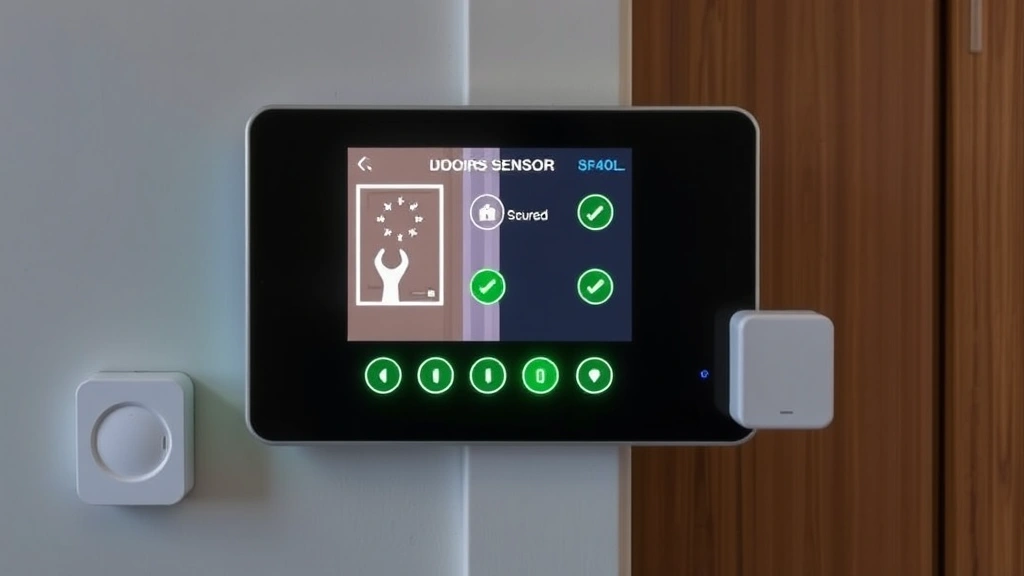
” alt=”Modern smart home security control panel displaying door sensor status with green indicators showing all entry points secured and protected”>
FAQ
How long do ADT door sensor batteries last?
ADT door sensor batteries typically last 2-5 years depending on usage patterns, environmental conditions, and sensor type. Your ADT system provides battery status notifications well in advance of depletion, allowing time for replacement before sensors fail. Batteries in frequently-opened doors drain faster than those protecting rarely-accessed entry points.
Can ADT door sensors be hacked or jammed?
Modern ADT door sensors use encrypted wireless communication and frequency-hopping technology that makes jamming and hacking extremely difficult. The encryption standards employed exceed those required for financial transactions, providing robust protection against unauthorized access. Regular firmware updates address emerging security vulnerabilities promptly.
What happens if my internet connection goes down?
ADT door sensors continue functioning normally even if your home internet connection fails. The sensors communicate directly with your ADT security panel via encrypted wireless signals independent of internet connectivity. However, remote access through mobile apps and professional monitoring notifications may be temporarily unavailable until internet service is restored.
Can I install ADT door sensors myself?
Yes, ADT door sensors are designed for straightforward DIY installation requiring only basic tools and minimal technical knowledge. The process typically takes 5-10 minutes per sensor and involves cleaning the mounting surface, positioning the transmitter and magnet, and enrolling the sensor with your security panel. Professional installation is available if you prefer expert placement and configuration.
How many door sensors do I need?
Security experts recommend installing sensors on all exterior doors and ground-floor windows, with additional coverage for sliding glass doors, basement windows, and any other easily accessible entry points. A typical single-family home requires 8-15 sensors for comprehensive coverage. ADT security assessments provide personalized recommendations based on your home’s specific layout and vulnerabilities.
Will ADT door sensors work with my existing smart home system?
ADT door sensors integrate with major smart home platforms including Amazon Alexa, Google Home, and Apple HomeKit. Compatibility depends on your specific ADT system model and selected integration services. Check with ADT about compatibility with your existing smart home setup before purchase to ensure seamless integration.
What’s the difference between door sensors and window sensors?
Door and window sensors function identically using the same magnetic switch technology. The primary difference lies in physical design and mounting configuration. Window sensors may feature longer contact strips or specialized mounting brackets to accommodate different window types and sizes. Both types provide equivalent security functionality.
How quickly does ADT respond to sensor alerts?
Professional monitoring centers respond to sensor alerts within seconds of notification. Trained operators verify the alert, contact you for confirmation, and dispatch emergency services if necessary. Response times typically range from 30-60 seconds from initial alert to emergency dispatch, though actual emergency response times depend on local first responder availability and distance to your location.


