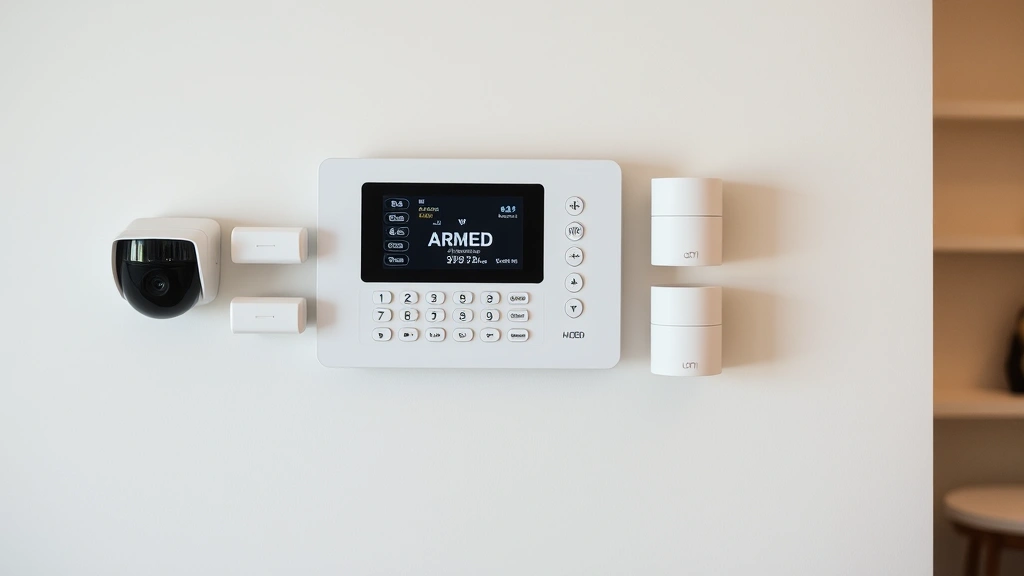
Cancel ADT? Expert Advice on Security Alternatives
Deciding whether to cancel ADT security service is a significant decision that requires careful consideration of your home protection needs, budget constraints, and available alternatives. ADT has been a household name in residential security for decades, but the landscape of home protection has evolved dramatically with technological advances, changing threat vectors, and emerging competitors offering innovative solutions at competitive price points.
Whether you’re dissatisfied with current service levels, facing rising costs, or simply exploring what else is available in today’s cybersecurity and physical security market, this comprehensive guide will walk you through the essential factors to evaluate before making your decision. We’ll examine the reasons homeowners cancel ADT, compare it against modern alternatives, and provide expert recommendations on maintaining robust security regardless of which provider you choose.
The home security industry has transformed significantly over the past five years. Traditional monitored alarm systems now compete with smart home integration, AI-powered video surveillance, mobile-first platforms, and hybrid approaches that combine professional monitoring with DIY flexibility. Understanding these options ensures you make an informed choice aligned with your specific security requirements and lifestyle.

Why Homeowners Cancel ADT Security Services
Understanding the primary reasons homeowners decide to cancel ADT helps contextualize whether similar frustrations might apply to alternative providers. Cost escalation represents the most frequently cited reason, with many customers reporting significant price increases after initial contract periods expire. What began as an attractive promotional rate often transforms into substantially higher monthly fees, sometimes increasing 30-50% after the first 12-24 months.
Customer service quality has become increasingly important as security threats evolve. Some customers report difficulty reaching ADT representatives, slow response times to technical issues, and inflexible contract terms that penalize early termination. The Federal Trade Commission receives ongoing complaints about security service cancellation procedures, contract clarity, and billing disputes.
Technological limitations also drive cancellations. ADT’s legacy infrastructure, while reliable, sometimes lacks modern features that contemporary competitors offer, such as advanced AI-powered motion detection, seamless smart home integration, or sophisticated mobile applications that provide granular control from anywhere. Additionally, some homeowners find that traditional 24/7 professional monitoring feels less relevant when they want flexible, technology-forward solutions that adapt to their lifestyle.
Contract terms and early termination fees create another significant pain point. Many customers feel locked into agreements that don’t reflect their actual security needs or changing circumstances. Early termination fees can range from $150 to $500 or more, depending on remaining contract duration, making the exit process financially daunting.
Understanding Your Current ADT Contract
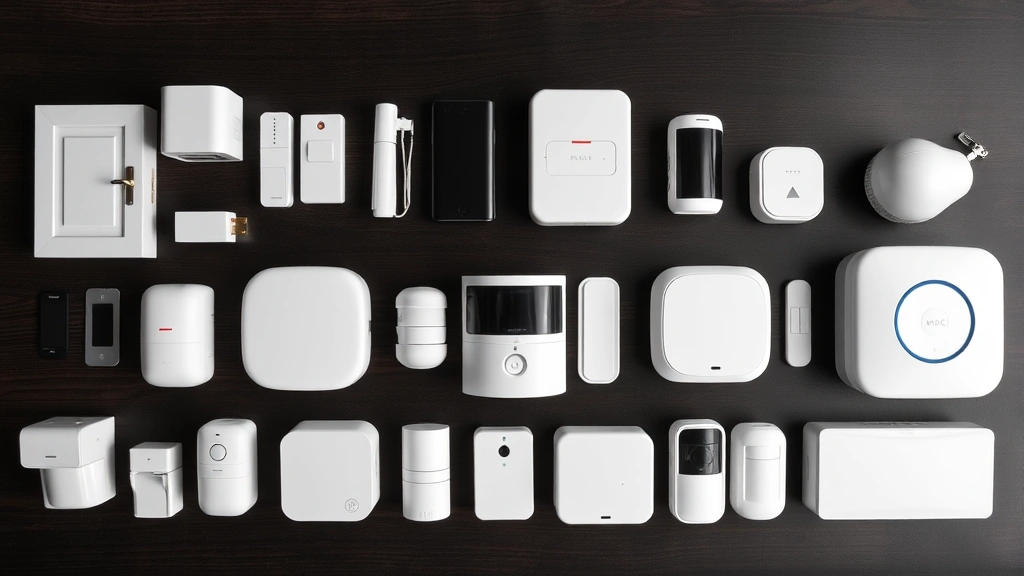
Before making any cancellation decision, thoroughly review your existing ADT contract to understand the financial and legal implications. Most ADT agreements specify minimum contract periods, typically ranging from 24 to 60 months, with associated early termination penalties. These fees vary based on remaining contract duration and your specific service tier.
Document the following information from your contract: monthly service cost, contract end date, early termination fee amount, equipment ownership status, and any promotional rates or discounts currently applied. This information becomes essential when evaluating whether switching costs justify potential long-term savings with an alternative provider.
Contact ADT directly to request a detailed account summary. Ask specifically about any available loyalty discounts, service modifications that might reduce costs, or contract renegotiation options. Some customers successfully negotiate reduced rates or fee waivers by expressing intent to cancel. ADT retention departments sometimes have flexibility that isn’t immediately apparent in standard contract terms.
Review equipment ownership carefully. Determine whether you own the security system hardware outright or if ADT retains ownership. This distinction significantly impacts your options when switching providers. Owned equipment can typically be repurposed or sold, while leased equipment must be returned, potentially incurring additional fees.
Top Security Alternatives to ADT
The modern home security market offers diverse alternatives, each with distinct advantages depending on your priorities, technical comfort level, and budget parameters.
Vivint Smart Home Security represents a direct competitor emphasizing comprehensive smart home integration alongside professional monitoring. Vivint combines 24/7 professional monitoring with advanced home automation, allowing customers to control thermostats, lighting, locks, and cameras through unified mobile applications. Their systems feature AI-powered video analytics and mobile-first design. However, Vivint typically requires professional installation and involves longer-term contracts similar to ADT’s structure.
Frontpoint Security distinguishes itself through equipment flexibility and transparent pricing. Customers can purchase equipment outright, avoiding long-term lease obligations. Frontpoint offers professional 24/7 monitoring with no long-term contracts required, providing month-to-month flexibility. Their systems integrate well with popular smart home platforms, and they emphasize cybersecurity best practices in their monitoring centers, relevant given modern threats to connected home devices.
SimpliSafe Home Security caters to homeowners prioritizing affordability and DIY installation. SimpliSafe systems involve minimal professional setup, with most customers installing equipment themselves using straightforward instructions. Monthly monitoring costs remain significantly lower than traditional providers, though professional installation options exist for those preferring expert setup. Their mobile application provides comprehensive control, and equipment can be purchased outright.
Ring Alarm and Amazon-Integrated Systems leverage Amazon’s ecosystem to provide affordable security with professional monitoring options. Ring’s equipment integrates seamlessly with existing Ring doorbells and cameras, plus broader Amazon smart home devices. Monitoring costs remain competitive, and the system appeals to homeowners already invested in Amazon’s ecosystem.
Wyze and Budget-Conscious DIY Approaches serve cost-sensitive customers willing to manage monitoring independently or through third-party services. Wyze offers extremely affordable cameras, sensors, and basic automation without mandatory professional monitoring. This approach suits homeowners with technical confidence and lower security risk profiles.
Abode Home Security emphasizes flexibility and hybrid monitoring options. Customers can choose professional 24/7 monitoring, self-monitoring through their mobile app, or combination approaches. Abode supports extensive smart home integrations and allows equipment purchases without long-term contracts.
DIY Security Systems vs Professional Monitoring
The decision between professional monitoring and self-monitoring represents a fundamental consideration when evaluating security alternatives. Each approach offers distinct advantages and limitations depending on your circumstances, threat profile, and preferences.
Professional 24/7 Monitoring Benefits
Professional monitoring ensures that trained security specialists respond immediately when sensors trigger alarms. When your system detects intrusion attempts, motion in restricted areas, or environmental hazards like fire or carbon monoxide, monitoring centers verify the alert and dispatch emergency responders within minutes. This immediate response capability proves invaluable during actual emergencies when homeowners may be unavailable, asleep, or unable to respond effectively themselves.
Insurance companies often provide premium discounts for homes with professional monitoring, sometimes reducing homeowners insurance costs by 10-20% annually. This discount partially offsets monitoring fees, improving overall cost-effectiveness. Additionally, professional monitoring provides legal documentation of security events, valuable if incidents escalate to police involvement or insurance claims.
Professional monitoring centers employ CISA-compliant security practices and maintain redundant communication systems ensuring reliability even if primary network connections fail. Their infrastructure withstands cyberattacks better than consumer-grade equipment, an important consideration as home security systems become increasingly targeted by malicious actors.
Self-Monitoring Advantages
Self-monitoring through mobile applications provides immediate alerts to your personal devices when sensors trigger. You receive real-time notifications and can view security camera feeds instantly from anywhere globally. This approach appeals to tech-savvy homeowners who want direct control without intermediary services.
Self-monitoring eliminates monthly professional monitoring fees, typically $20-50 monthly depending on provider. Over five years, this savings accumulates substantially. Additionally, you avoid contract obligations and can switch systems or providers without termination fees.
However, self-monitoring requires your active engagement. You must verify alerts, decide whether to contact police, and manage emergency response yourself. If you’re traveling, sleeping, or unavailable, response times deteriorate significantly. This approach suits secondary properties, vacation homes, or homeowners with low-risk profiles in safe neighborhoods.
Cost Comparison and Long-Term Value
Evaluating total cost of ownership across different security providers requires analyzing multiple factors beyond simple monthly fees. This comprehensive approach reveals true financial implications of switching or remaining with your current provider.
Initial Costs
Professional installation typically costs $100-300 with traditional providers. DIY systems eliminate this expense but require personal time investment. Equipment costs vary dramatically: basic systems start at $200-400, while comprehensive setups with multiple cameras and sensors reach $800-1500. Determine whether new providers allow equipment ownership or require leasing arrangements, as this significantly impacts long-term value.
Monthly Service Fees
Professional monitoring ranges from $20-60 monthly depending on provider and service tier. Budget systems cost $15-30 monthly, while premium services with advanced features reach $60-80 monthly. Calculate five-year costs: a $35 monthly service equals $2,100 over 60 months, substantial when compared against alternative options.
Contract Penalties and Hidden Costs
ADT early termination fees potentially cost $200-500, offsetting savings from cheaper alternatives for several months. Some providers charge equipment return fees, additional service charges, or require purchasing equipment outright before canceling monitoring. Factor these costs into your decision calculus.
Insurance Discounts
Professional monitoring often qualifies for homeowners insurance discounts. Verify specific discount amounts with your insurance provider before switching systems. Some insurers offer greater discounts for NIST-certified security systems or providers meeting specific security standards. These discounts sometimes exceed $200 annually, substantially improving alternative providers’ value propositions.
Long-Term Value Calculation
Create a detailed spreadsheet comparing five-year costs across your top provider choices. Include equipment costs, monthly fees, installation charges, insurance discounts, and early termination penalties. This quantitative analysis reveals which option provides optimal value given your specific circumstances.
Migration Strategy and Data Security
Switching security providers requires careful planning to avoid protection gaps, data loss, or security vulnerabilities during the transition period. A thoughtful migration strategy minimizes disruption while protecting your home throughout the changeover process.
Planning Your Transition Timeline
Establish a detailed migration timeline beginning 30-45 days before your desired switch date. This window allows time for new equipment delivery, professional installation scheduling, and overlap periods where both systems operate simultaneously. Avoid gaps where your home lacks protection, particularly if you live in higher-crime areas or travel frequently during transition periods.
Contact new providers first to understand their installation schedules and any equipment delivery timelines. Some providers maintain 2-3 week backlogs for professional installation, requiring advance planning. Once you understand new provider timelines, contact ADT to initiate formal cancellation procedures.
Data Security During Transition
Deactivate ADT system access before disconnecting equipment. Change all passwords associated with ADT accounts, remove stored payment methods, and verify that no residual access remains. Request written confirmation that ADT has deleted your account data from their systems, particularly any stored security codes or personal information.
When new systems activate, immediately change default passwords provided by manufacturers. Create strong, unique passwords for all security system accounts, never reusing passwords from other services. Enable two-factor authentication wherever available, adding an additional security layer protecting your system from unauthorized access.
Review the new provider’s privacy policy and data retention practices. Understand what information they collect, how long they retain it, and whether they share data with third parties. FTC Safeguards Rule updates now require enhanced security practices from companies handling personal information, relevant for security providers managing your home access data.
Equipment Handling and Return
If you’re leasing equipment from ADT, coordinate return procedures before disconnecting systems. Photograph equipment condition and obtain written confirmation when returning items, protecting yourself against disputed damage claims. Some providers offer prepaid shipping labels for equipment returns; verify this before initiating cancellation.
If you own equipment, determine whether new providers accept existing hardware or require proprietary equipment. Some systems like SimpliSafe and Abode support broader hardware compatibility, while others require their specific devices. Understanding these constraints before canceling ADT prevents unexpected equipment purchases.
System Testing and Verification
After new system installation, thoroughly test all components before considering your migration complete. Verify that sensors trigger alerts correctly, cameras capture high-quality video, and mobile app notifications arrive promptly. Test professional monitoring response by requesting a test alarm call; monitoring centers typically handle these at no charge.
Maintain ADT service for at least 7-10 days after new system activation, ensuring your new provider operates reliably before fully disconnecting legacy service. This overlap provides safety margin if new system issues emerge, allowing you to maintain protection while troubleshooting.
Document all system test results and maintain records of new provider service activation dates. These records prove valuable if disputes arise regarding service transitions or billing discrepancies between providers.
Cybersecurity Best Practices Post-Migration
Modern home security systems represent attractive targets for cybercriminals seeking access to residential networks or personal information. Implement foundational cybersecurity practices to protect your new system: keep firmware updated regularly, use strong authentication credentials, enable encryption where available, and monitor account activity for suspicious access attempts.
Segment your security system network from other home devices where possible. Many advanced routers support network segmentation, isolating security equipment from computers, smartphones, and streaming devices. This isolation limits damage if one device experiences compromise, preventing lateral movement across your entire home network.
Review CISA security alerts periodically for vulnerabilities affecting your specific security system model. Subscribe to manufacturer security notifications ensuring you receive timely updates when new threats emerge. Prompt patching prevents exploitation of known vulnerabilities.
FAQ
What are typical ADT early termination fees?
ADT early termination fees typically range from $150-500 depending on remaining contract duration. Fees decrease as your contract approaches natural expiration. Contact ADT directly for your specific account’s exact termination cost.
Can I keep my ADT equipment after canceling?
Equipment ownership depends on your specific contract terms. Some customers own equipment outright while others lease it. Review your contract or contact ADT to clarify ownership status. Leased equipment must be returned; owned equipment can remain with you.
How long does security system installation typically take?
Professional installation usually takes 2-4 hours depending on system complexity and your home’s layout. DIY installation varies from 1-3 hours for basic systems. Most providers schedule installation appointments within 5-10 business days of order placement.
Will switching providers create protection gaps?
Careful timing prevents gaps. Schedule new system installation before disconnecting ADT, allowing 7-10 day overlap periods. This overlap ensures continuous protection while you verify new system functionality.
Do all security systems qualify for insurance discounts?
Insurance discounts vary by insurer and system type. Contact your insurance provider to confirm which systems qualify and specific discount amounts. Professional monitoring typically qualifies for better discounts than self-monitoring systems.
What’s the difference between self-monitoring and professional monitoring?
Self-monitoring sends alerts to your mobile device; you decide whether to contact police. Professional monitoring means trained specialists verify alerts and dispatch emergency responders. Professional monitoring costs more but provides 24/7 response even if you’re unavailable.
Are DIY systems as reliable as professional monitoring systems?
DIY systems offer excellent reliability for sensor detection and mobile notifications. However, they lack professional response capability. For actual emergencies, professional monitoring ensures trained responders contact authorities immediately, regardless of your availability.
Can I integrate new security systems with smart home devices?
Modern systems like Vivint, Frontpoint, and Abode integrate extensively with smart home platforms. Verify compatibility with your specific devices before purchasing. Ring systems integrate particularly well with Amazon Alexa ecosystems.


