ADT Business Security: Expert Insights & Tips for Protecting Your Enterprise
In today’s increasingly complex threat landscape, ADT business security systems have become essential infrastructure for organizations of all sizes. Whether you operate a retail location, office building, or industrial facility, implementing a comprehensive security strategy protects your assets, employees, and reputation from evolving cyber and physical threats. This guide explores the critical components of modern business security, best practices for deployment, and expert recommendations for maximizing your security investment.
Security breaches cost businesses an average of $4.45 million in 2023, according to industry research. The financial impact extends beyond immediate losses to include regulatory fines, reputational damage, and operational disruption. ADT business security systems combine advanced technology with professional monitoring to create multi-layered protection that addresses both physical and digital vulnerabilities. Understanding how these systems work and how to optimize them is crucial for any business leader committed to protecting their organization.
Understanding ADT Business Security Systems
ADT business security systems represent a comprehensive approach to protecting commercial properties through integrated monitoring, detection, and response capabilities. These systems combine physical security infrastructure with digital monitoring platforms to create seamless protection across multiple locations and threat vectors. The platform is designed to address the specific challenges businesses face, including unauthorized access, theft, vandalism, and operational disruptions.
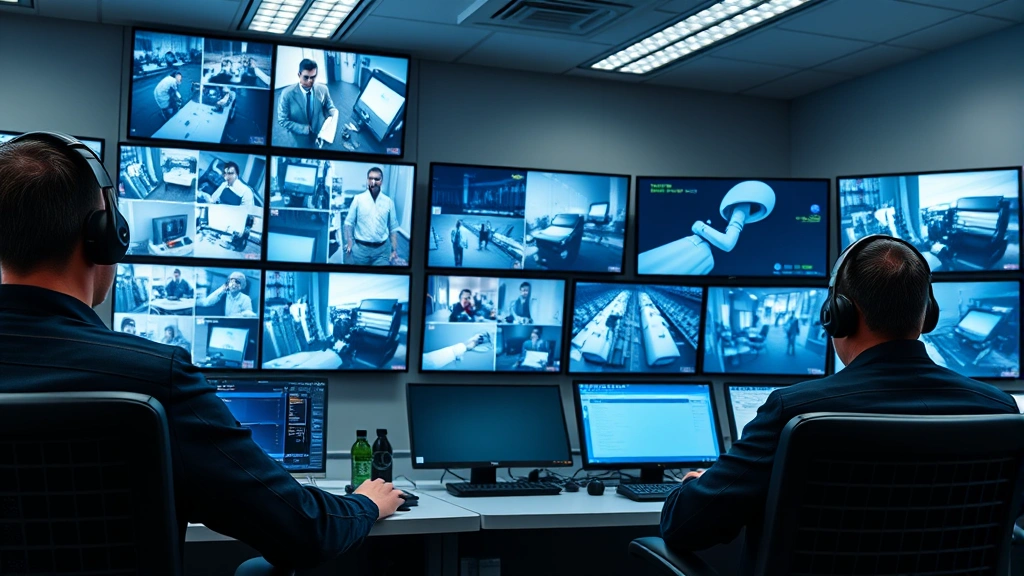
Modern business security systems operate on a layered defense model. The first layer includes physical deterrents like cameras and alarm sensors. The second layer involves real-time monitoring through professional security centers staffed 24/7. The third layer encompasses rapid response protocols and law enforcement coordination. This multi-layered approach significantly reduces response times and improves incident resolution rates compared to reactive security measures.
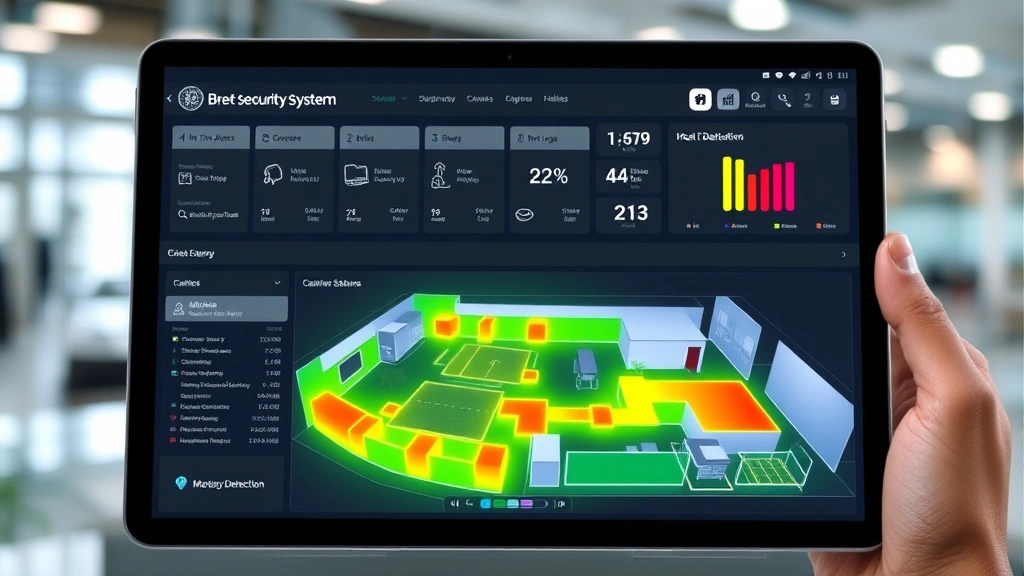
The technology underlying these systems has evolved dramatically over the past decade. Cloud-based platforms enable remote access to security feeds and alerts from anywhere, allowing business owners and managers to monitor their properties in real-time. Mobile applications provide instant notifications when security events occur, enabling faster decision-making and response. Integration with building management systems creates a unified control environment where security, access control, and environmental monitoring operate cohesively.
Core Components of Enterprise Security
An effective ADT business security system comprises several interconnected components, each serving specific protective functions:
- Video Surveillance: High-definition cameras with motion detection and night vision capabilities provide continuous monitoring of entry points, high-value areas, and common spaces. Modern systems offer 4K resolution, wide dynamic range, and intelligent video analytics that can detect unusual behavior patterns.
- Access Control Systems: Electronic locks, badge readers, and biometric systems restrict entry to authorized personnel only. These systems maintain detailed logs of all access attempts, creating accountability and enabling investigation of security incidents.
- Alarm Detection: Door and window sensors, glass break detectors, and motion sensors provide early warning of unauthorized intrusion attempts. These devices communicate with central monitoring stations to trigger immediate response protocols.
- Environmental Monitoring: Smoke detectors, fire alarms, and environmental sensors protect against fire and environmental hazards. Integration with security systems ensures coordinated response to multiple threat types.
- Central Station Monitoring: Professional monitoring centers staffed by trained security professionals provide 24/7 surveillance and response coordination. Operators verify alarms and dispatch appropriate emergency services when necessary.
Each component plays a critical role in the overall security ecosystem. The integration of these systems creates synergies that enhance overall effectiveness. For example, when a motion sensor detects unusual activity, the system can automatically trigger video recording, alert monitoring personnel, and illuminate specific areas to deter intruders. This coordinated response significantly improves incident detection and mitigation.
When evaluating security components, consider your specific operational needs. A retail environment requires different security emphasis than a data center or manufacturing facility. Retail locations prioritize theft prevention and customer safety, while data centers focus on access control and environmental protection. Manufacturing facilities must address both operational security and employee safety. Tailoring your security system to match your business profile ensures optimal resource allocation and protection.
Integration with Cybersecurity Infrastructure
Physical security and cybersecurity are increasingly interconnected. Modern business security systems depend on robust network infrastructure, making cybersecurity integration essential. A compromised network can disable security systems, prevent alerts from reaching monitoring centers, and expose security footage to unauthorized access. Therefore, protecting the technology that powers your physical security is as important as the physical components themselves.
Cybersecurity best practices for business security systems include:
- Network Segmentation: Isolate security systems on dedicated networks separate from general business operations. This prevents security breaches in other systems from compromising physical security infrastructure.
- Encryption: All communications between security devices and monitoring centers must be encrypted using industry-standard protocols. Video feeds, access logs, and alert signals require end-to-end encryption to prevent interception and tampering.
- Authentication: Implement multi-factor authentication for all system access. Passwords alone are insufficient; combine them with biometric authentication, hardware tokens, or time-based one-time passwords.
- Firmware Updates: Regularly update all security devices with the latest firmware patches. Manufacturers release updates to address newly discovered vulnerabilities, and delays in patching create windows of exposure.
- Vulnerability Management: Conduct regular security assessments and penetration testing of your security infrastructure. Third-party security professionals can identify weaknesses before malicious actors exploit them.
According to the Cybersecurity and Infrastructure Security Agency (CISA), physical security systems are increasingly targeted by sophisticated threat actors. Industrial control systems, which often manage security infrastructure, face growing attack pressure. Implementing robust cybersecurity measures protects both your physical assets and the systems that defend them.
The relationship between physical and cyber security extends to incident response. When security breaches occur, investigation often requires coordination between physical security teams and cybersecurity professionals. Security footage may reveal how attackers gained physical access. Network logs may show how they moved laterally through systems. Coordinating these investigations ensures comprehensive understanding of incidents and prevents recurrence.
Professional Monitoring and Response
One of the most valuable aspects of ADT business security systems is access to professional monitoring services. Unlike self-monitored systems where property owners respond to alerts, professional monitoring provides trained security professionals who verify incidents and coordinate appropriate responses 24/7.
Professional monitoring centers employ sophisticated call protocols to verify security events before dispatching emergency services. When a motion sensor triggers an alarm, monitoring personnel contact the property to determine if the alert represents a legitimate threat. This verification process prevents false alarms that waste emergency response resources and damage community relations. According to the International Association of Chiefs of Police, false alarm reduction is a priority for law enforcement agencies nationwide.
Response coordination extends beyond simple alarm verification. Professional monitors maintain detailed knowledge of your facility, including access points, high-value asset locations, and emergency contacts. They can provide emergency responders with critical information that accelerates response effectiveness. For example, if an alarm triggers in a specific area, monitors can direct police to that location immediately rather than requiring officers to search the entire facility.
The quality of professional monitoring varies significantly between providers. When selecting a monitoring service, verify that operators are certified, trained in incident de-escalation, and experienced with your industry. Ask about response times, verification protocols, and how they handle situations where multiple alarms trigger simultaneously. Request references from existing clients and review their complaint histories with state regulatory agencies.
Modern monitoring centers also provide valuable data analytics. By analyzing alarm patterns, response times, and incident outcomes, monitoring services can identify systemic issues and recommend improvements. For example, if particular access points trigger frequent false alarms, the monitoring service might recommend sensor recalibration or repositioning. These insights help optimize your security system over time.
Implementation Best Practices
Deploying an effective business security system requires careful planning and execution. The following best practices ensure optimal results:
Conduct a Security Assessment: Before implementing any security system, conduct a comprehensive assessment of your facility. Identify critical assets, vulnerable access points, and areas with high security risks. Document current security measures and gaps in protection. This assessment provides the foundation for designing an appropriate security solution tailored to your specific needs.
Develop a Security Plan: Based on your assessment, develop a detailed security plan that addresses identified vulnerabilities. Specify which areas require video surveillance, which entry points need access control, and what monitoring services are necessary. Include timelines, budgets, and success metrics. A well-developed plan ensures stakeholder alignment and facilitates implementation.
Employee Training: Security systems are only effective when employees understand how to use them properly. Provide comprehensive training on access control procedures, alarm response protocols, and emergency procedures. Establish clear policies regarding security procedures and enforce compliance consistently. Regular refresher training ensures that procedures remain top-of-mind as staff changes occur.
Redundancy and Backup Systems: Critical security functions should have redundant systems to ensure continued operation during equipment failures. For example, access control systems should have backup power supplies to maintain operation during power outages. Monitoring services should have multiple communication paths to ensure alerts reach monitoring centers even if primary connections fail.
Regular Maintenance: Security systems require ongoing maintenance to function reliably. Establish maintenance schedules for all components, including battery replacements, sensor testing, and camera lens cleaning. Document all maintenance activities to demonstrate that systems are properly maintained. Regular maintenance prevents unexpected failures that compromise security.
Testing and Drills: Regularly test security systems to ensure proper operation. Conduct alarm response drills with employees to ensure everyone understands their role during security incidents. Test backup systems to verify they function when needed. Testing identifies problems during controlled conditions rather than during actual emergencies when lives and assets are at stake.
Compliance and Regulatory Considerations
Many industries have regulatory requirements that mandate specific security measures. Understanding and meeting these requirements is essential for legal compliance and avoiding penalties.
Healthcare facilities must comply with HIPAA security requirements, which include physical access controls and audit logging. Financial institutions must meet standards established by the Federal Reserve and other banking regulators. Retail establishments handling payment cards must comply with PCI DSS standards. Understanding applicable regulations ensures your security system meets legal requirements and protects your organization from regulatory penalties.
Data privacy regulations also impact security system implementation. Video surveillance, access logs, and monitoring records contain sensitive information about employees and visitors. Ensure your security system complies with privacy regulations including GDPR, CCPA, and state privacy laws. Implement appropriate data retention policies, access controls, and notification procedures for data breaches.
Documentation is critical for demonstrating compliance. Maintain records of security system installation, maintenance, testing, and incident response. Document employee training and security procedure updates. These records demonstrate due diligence if security incidents occur and regulatory investigations commence. They also support insurance claims by showing that you implemented reasonable security measures.
Measuring Security Effectiveness
Effective security management requires measuring system performance and continuously improving protection. Key metrics to track include:
- Detection Rates: Monitor how many security incidents your system detects compared to incidents discovered through other means. High detection rates indicate effective monitoring and sensor placement.
- Response Times: Measure the time between incident detection and response initiation. Faster response times generally correlate with better incident outcomes.
- False Alarm Rates: Track the percentage of alarms that represent actual threats versus false triggers. High false alarm rates indicate sensor calibration issues or inadequate employee training.
- Incident Resolution: Document how security incidents are resolved, including recovery time and financial impact. This data shows whether your security system effectively mitigates incident consequences.
- Cost Per Incident Prevented: Calculate the cost of your security system relative to losses prevented. This metric demonstrates return on security investment and justifies continued funding.
Regular security audits by external professionals provide independent assessment of your security posture. External auditors identify vulnerabilities that internal teams might overlook and provide recommendations for improvement. Many insurance companies offer reduced premiums for businesses that conduct regular security audits, providing financial incentive for ongoing assessment.
Stay informed about emerging threats and security trends. Industry associations, government agencies, and security researchers regularly publish threat intelligence that may affect your security planning. Subscribing to threat alerts and security publications ensures you remain aware of new vulnerabilities and attack techniques that might target your organization.
FAQ
What makes ADT business security systems different from residential systems?
Business security systems are designed for larger facilities with more complex requirements. They offer professional monitoring, integration capabilities, scalability for multiple locations, and compliance features that residential systems lack. Business systems also typically include higher-grade equipment, more sophisticated access control, and faster emergency response.
How long does it take to implement a business security system?
Implementation timelines vary based on facility size and system complexity. Small installations might take 2-4 weeks, while large enterprises may require several months. Planning and assessment typically require 2-4 weeks, installation requires 4-8 weeks, and testing and training require 2-4 weeks.
Can I integrate existing security equipment with ADT systems?
Many ADT systems support integration with existing equipment, though compatibility depends on specific devices and protocols. During the assessment phase, security professionals evaluate your existing equipment and recommend integration approaches or replacement options.
How much does business security system monitoring cost?
Professional monitoring costs typically range from $50-200 per month depending on the level of service and number of monitored locations. Additional features like video monitoring or environmental sensors increase costs. Most providers offer flexible plans allowing you to scale services as your needs change.
What should I do if my security system is breached?
If you suspect a security breach, immediately contact your monitoring service and law enforcement. Preserve evidence of the breach and document all losses. Notify your insurance company and legal counsel. Conduct a thorough investigation to understand how the breach occurred and implement corrective measures to prevent recurrence. Consider engaging a security professional to assess your system and recommend improvements.
How often should I update my security system?
Technology evolves rapidly, and security threats change constantly. Review your security system annually to assess whether it continues meeting your needs. Plan for major upgrades every 5-7 years as equipment reaches end-of-life. Stay current with firmware updates and security patches on all equipment.
Can employees bypass security measures?
Well-designed security systems include accountability measures that make bypassing controls difficult and detectable. Access logs record all entry attempts, unauthorized access triggers alarms, and monitoring personnel review suspicious patterns. However, employee compliance remains essential; establish clear policies prohibiting security circumvention and enforce consequences for violations.


